Ava Ramirez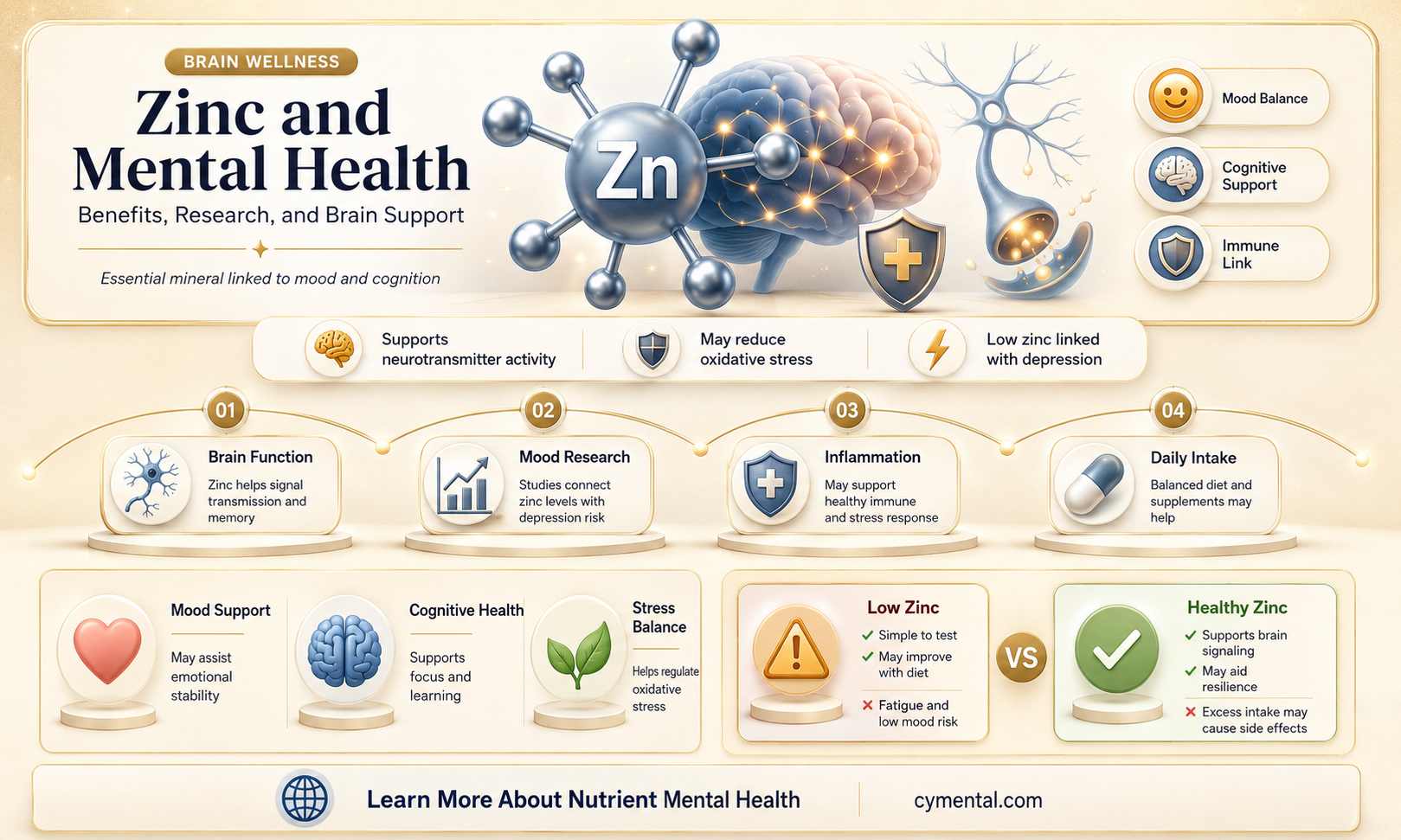
Zinc, an essential trace mineral, plays a crucial role in various physiological processes, including immune function, wound healing, and DNA synthesis. However, its impact on mental health has garnered increasing attention in recent years. Research suggests that zinc may influence mental well-being by modulating neurotransmitter activity, reducing inflammation, and supporting antioxidant defenses in the brain. Studies have linked zinc deficiency to symptoms of depression, anxiety, and cognitive impairment, while zinc supplementation has shown potential in alleviating these conditions. Understanding the relationship between zinc and mental health could pave the way for novel therapeutic approaches to support emotional and cognitive resilience.
Explore related products




What You'll Learn

Zinc's role in mood regulation and depression management
Zinc, an essential trace mineral, plays a pivotal role in numerous physiological processes, including immune function, DNA synthesis, and wound healing. However, its influence on mental health, particularly mood regulation and depression management, is gaining attention. Research indicates that zinc deficiency is associated with depressive symptoms, while supplementation may offer therapeutic benefits. For instance, a study published in the *Journal of Affective Disorders* found that individuals with depression often have lower serum zinc levels compared to non-depressed individuals. This suggests a potential link between zinc status and mood disorders, prompting further investigation into its mechanisms and applications.
From a biochemical perspective, zinc is involved in the modulation of neurotransmitters such as serotonin, dopamine, and glutamate, which are critical for mood stability. It also acts as an antioxidant, reducing oxidative stress—a factor implicated in the pathophysiology of depression. For those considering zinc supplementation, the recommended daily intake for adults is 8–11 mg, though doses of 25–30 mg have been studied in clinical trials for depression management. It’s crucial to consult a healthcare provider before starting supplementation, as excessive zinc intake can interfere with copper absorption and lead to adverse effects.
A comparative analysis of zinc’s role in mental health reveals its dual nature: both deficiency and excess can disrupt mood regulation. For example, while low zinc levels are linked to depression, excessive supplementation can cause nausea, headaches, and immune dysfunction. This highlights the importance of balance. Practical tips for optimizing zinc intake include consuming zinc-rich foods like oysters, beef, pumpkin seeds, and legumes. For individuals with dietary restrictions or absorption issues, chelated zinc supplements (e.g., zinc gluconate or zinc picolinate) may be more bioavailable.
Persuasively, the evidence supporting zinc’s role in depression management is compelling but not definitive. While some studies show significant improvements in depressive symptoms with zinc supplementation, others report minimal effects. This variability may stem from differences in study design, participant demographics, and baseline zinc levels. Nonetheless, incorporating zinc as an adjunctive therapy, particularly in cases of documented deficiency, holds promise. For instance, a meta-analysis in *BMC Psychiatry* concluded that zinc supplementation, when combined with antidepressants, enhanced treatment efficacy in depressed patients.
Instructively, individuals seeking to leverage zinc for mood regulation should adopt a multifaceted approach. Start by assessing dietary intake and considering a serum zinc test to identify deficiencies. If supplementation is warranted, begin with a moderate dose (15–25 mg daily) and monitor symptoms over 6–8 weeks. Pairing zinc with vitamin B6 or magnesium may enhance its efficacy, as these nutrients synergistically support neurotransmitter function. Finally, lifestyle factors such as regular exercise, adequate sleep, and stress management should complement nutritional interventions for optimal mental health outcomes.
Gender Affirming Care: Boosting Mental Health and Well-Being for Transgender Individuals
You may want to see also
Explore related products

![Zinc 220mg [High Potency] Supplement – Zinc Sulfate for Immune Support System 100 Tablets](https://m.media-amazon.com/images/I/61zfq4ZSbXL._AC_UL320_.jpg)


Impact of zinc on anxiety and stress reduction
Zinc, an essential trace mineral, plays a pivotal role in numerous physiological processes, including immune function, DNA synthesis, and protein production. Its influence on mental health, particularly anxiety and stress reduction, has garnered attention in recent research. Studies suggest that zinc deficiency is associated with increased anxiety-like behaviors in both animal models and human populations. For instance, a 2019 study published in *Nutritional Neuroscience* found that individuals with lower zinc levels reported higher anxiety scores, highlighting a potential link between zinc status and mental well-being.
To harness zinc’s anxiolytic potential, consider incorporating zinc-rich foods into your diet, such as oysters, beef, pumpkin seeds, and lentils. For those with dietary restrictions or deficiencies, supplementation may be beneficial. The recommended daily intake of zinc for adults is 8–11 mg, but doses of 25–50 mg have been studied for their effects on mood disorders. However, caution is advised: excessive zinc intake (above 40 mg/day) can interfere with copper absorption and lead to adverse effects. Always consult a healthcare provider before starting supplementation, especially for children, pregnant women, or individuals with underlying health conditions.
A comparative analysis of zinc’s role in stress reduction reveals its involvement in modulating the hypothalamic-pituitary-adrenal (HPA) axis, the body’s primary stress response system. Chronic stress can deplete zinc levels, creating a vicious cycle where low zinc exacerbates stress and anxiety. Supplementation studies, such as a 2017 trial in *Biological Psychiatry*, demonstrated that zinc, when combined with antidepressants, significantly reduced anxiety symptoms in patients with major depressive disorder. This suggests zinc’s potential as an adjunct therapy for stress-related conditions.
Practical tips for optimizing zinc’s impact on anxiety include pairing zinc-rich foods with sources of vitamin C to enhance absorption, avoiding excessive consumption of phytate-rich foods (like whole grains) that can inhibit zinc uptake, and monitoring zinc levels through blood tests if anxiety persists despite dietary changes. For individuals under acute stress, short-term supplementation under professional guidance may provide relief, but long-term reliance on supplements should be approached with caution.
In conclusion, while zinc is not a standalone solution for anxiety and stress, its role in supporting mental health is increasingly recognized. By addressing deficiencies, adopting a balanced diet, and considering targeted supplementation, individuals may find zinc to be a valuable tool in their stress management toolkit. As research continues to evolve, staying informed and proactive about zinc’s potential benefits remains key.
Family Doctors: Your First Line in Mental Health Support?
You may want to see also
Explore related products


Zinc deficiency and its link to mental disorders
Zinc deficiency, often overlooked, plays a significant role in the development and exacerbation of mental disorders. This essential mineral is a cofactor for numerous enzymes involved in brain function, including those that regulate neurotransmitter activity and neuronal communication. Studies have shown that individuals with conditions like depression, anxiety, and ADHD frequently exhibit lower serum zinc levels compared to healthy controls. For instance, a meta-analysis published in *Biological Psychiatry* found that depressed patients had, on average, 13% lower zinc concentrations in their blood. This correlation suggests that inadequate zinc intake or absorption may disrupt the delicate balance of brain chemistry, contributing to mental health issues.
Consider the mechanism: zinc is crucial for the synthesis and function of neurotransmitters like serotonin, dopamine, and GABA, which are pivotal in mood regulation. A deficiency can impair the brain’s ability to produce these chemicals effectively, leading to symptoms such as irritability, mood swings, and cognitive fog. For example, zinc acts as a modulator of the NMDA receptor, a key player in synaptic plasticity and learning. Without sufficient zinc, this receptor’s function may be compromised, potentially linking deficiency to conditions like schizophrenia or bipolar disorder. Addressing zinc levels through dietary changes or supplementation could, therefore, be a practical step in managing these disorders.
Practical steps to mitigate zinc deficiency include incorporating zinc-rich foods into your diet, such as oysters (the highest natural source, providing 74 mg per 100g), beef, pumpkin seeds, and lentils. For those at risk of deficiency—including vegetarians, pregnant women, and individuals with digestive disorders—a supplement may be necessary. The recommended daily allowance (RDA) for zinc is 8 mg for women and 11 mg for men, but doses up to 40 mg/day are considered safe for adults. However, caution is advised: excessive zinc intake can interfere with copper absorption and lead to nausea or immune dysfunction. Always consult a healthcare provider before starting supplementation, especially if you’re taking medications like antibiotics or diuretics, which can affect zinc levels.
Comparatively, while other nutrients like omega-3 fatty acids and vitamin D are often spotlighted in mental health discussions, zinc’s role is equally critical yet less recognized. Unlike these nutrients, zinc’s impact is more immediate and systemic, influencing both the central nervous system and immune function. For instance, zinc deficiency has been linked to increased inflammation, a known contributor to depression and anxiety. By addressing this deficiency, individuals may not only alleviate mental health symptoms but also improve overall well-being. This dual benefit underscores the importance of zinc in a holistic approach to mental health care.
In conclusion, recognizing and addressing zinc deficiency is a tangible, evidence-based strategy for supporting mental health. Whether through dietary adjustments or targeted supplementation, ensuring adequate zinc intake can help stabilize mood, enhance cognitive function, and potentially reduce the severity of mental disorders. While not a standalone cure, zinc’s role in brain health is undeniable, making it a valuable component of any comprehensive mental health regimen.
Social Media Bans: A Mental Health Solution for Teens?
You may want to see also
Explore related products


Zinc supplementation for cognitive function and memory
Zinc, an essential trace mineral, plays a pivotal role in numerous physiological processes, including immune function, protein synthesis, and DNA repair. Its influence on cognitive function and memory, however, is a burgeoning area of research that warrants attention. Studies suggest that zinc is critical for neuronal communication and the modulation of synaptic plasticity, both of which are fundamental to learning and memory. For instance, zinc ions act as neuromodulators in the hippocampus, a brain region central to memory formation, by regulating the activity of NMDA receptors, which are crucial for synaptic plasticity.
To harness zinc’s potential benefits for cognitive function, supplementation must be approached with precision. Adults typically require 8–11 mg of zinc daily, but specific needs vary based on age, sex, and health status. For older adults, whose cognitive decline may be linked to zinc deficiency, a daily dose of 15–30 mg may be beneficial, but only under medical supervision to avoid toxicity. Pregnant women, vegetarians, and individuals with gastrointestinal disorders are also at higher risk of deficiency and may benefit from targeted supplementation. Practical tips include pairing zinc supplements with a meal containing healthy fats to enhance absorption and avoiding excessive intake of phytates (found in grains and legumes), which can inhibit zinc absorption.
A comparative analysis of zinc’s role in memory reveals its dual nature: both deficiency and excess can impair cognitive function. Chronic zinc deficiency has been linked to reduced attention span, poor memory consolidation, and even symptoms of depression. Conversely, excessive zinc intake can interfere with copper absorption, leading to neurological issues. This delicate balance underscores the importance of moderation. For example, a randomized controlled trial published in *Nutritional Neuroscience* found that 20 mg of zinc sulfate daily for 12 weeks improved spatial memory in older adults without causing adverse effects, highlighting the potential of targeted supplementation.
Persuasively, the evidence supporting zinc’s role in cognitive health is compelling but not yet definitive. While animal studies consistently demonstrate that zinc supplementation enhances memory and learning, human trials yield mixed results. This discrepancy may stem from differences in study design, participant demographics, and the form of zinc used. Chelated zinc, such as zinc gluconate or zinc picolinate, is often better absorbed than zinc oxide, making it a preferred choice for supplementation. For those considering zinc to support cognitive function, consulting a healthcare provider is essential to tailor dosage and monitor potential interactions with medications like antibiotics or diuretics.
In conclusion, zinc supplementation holds promise for enhancing cognitive function and memory, particularly in populations at risk of deficiency. However, its efficacy depends on careful dosing, proper form selection, and awareness of individual health needs. As research evolves, zinc may emerge as a valuable tool in the prevention and management of age-related cognitive decline, but for now, it remains a supplement best used strategically and under guidance.
Shipping the Mentally Ill to California: Nevada's Controversial Solution
You may want to see also
Explore related products



Zinc's influence on ADHD symptoms and focus improvement
Zinc, an essential trace mineral, plays a pivotal role in neurological function, making it a subject of interest in the context of ADHD (Attention Deficit Hyperactivity Disorder). Research suggests that individuals with ADHD often exhibit lower levels of zinc compared to their neurotypical peers. This deficiency is not merely coincidental; zinc is integral to the synthesis and modulation of neurotransmitters like dopamine, which significantly impacts attention, focus, and impulse control. Studies have shown that zinc supplementation can lead to measurable improvements in ADHD symptoms, particularly in hyperactivity and impulsivity, though its effects on inattention are still under investigation.
From a practical standpoint, incorporating zinc into the management of ADHD symptoms requires careful consideration. The recommended daily allowance (RDA) for zinc varies by age: children aged 4–8 require 5 mg, 9–13 years need 8 mg, and adolescents 14–18 should aim for 9–11 mg. For adults, the RDA is 8–11 mg. However, therapeutic doses for ADHD symptom management often range from 15 to 30 mg daily, under medical supervision. Zinc supplements come in various forms, including zinc gluconate, zinc acetate, and zinc picolinate, with the latter often considered more bioavailable. It’s crucial to avoid exceeding the upper limit of 40 mg/day to prevent adverse effects like nausea or copper deficiency.
A comparative analysis of zinc’s role in ADHD versus other mental health conditions reveals its unique potential. Unlike its broader impact on mood regulation in depression or anxiety, zinc’s influence on ADHD is more targeted, addressing specific neurotransmitter imbalances. For instance, while zinc may indirectly support mood by reducing inflammation, its direct effect on dopamine pathways in ADHD is more pronounced. This specificity makes zinc supplementation a promising adjunctive therapy for ADHD, particularly when combined with traditional treatments like stimulants or behavioral therapy.
To maximize the benefits of zinc supplementation for ADHD, consider pairing it with foods rich in zinc, such as pumpkin seeds, beef, and legumes, to enhance absorption. Additionally, taking zinc with a meal can reduce gastrointestinal side effects. Parents and caregivers should monitor children’s responses to supplementation, as individual reactions vary. While zinc is not a standalone cure for ADHD, its role in mitigating symptoms and improving focus underscores its value as part of a comprehensive treatment plan. Always consult a healthcare provider before starting any supplementation regimen, especially in children or individuals with pre-existing conditions.
Empowering Self-Care Strategies: A Guide to Helping Yourself Thrive
You may want to see also
Frequently asked questions
Zinc plays a role in neurotransmitter function and inflammation regulation, both of which are linked to mood disorders. Studies suggest zinc supplementation may improve depressive symptoms, particularly when used alongside antidepressants, though results vary.
Zinc is involved in the regulation of the body’s stress response system and may help reduce anxiety by modulating neurotransmitters like GABA. While research is limited, some studies indicate zinc deficiency is associated with higher anxiety levels, and supplementation may provide benefits.
Zinc is essential for brain health and has been studied for its potential role in improving cognitive function and reducing ADHD symptoms. Research suggests zinc supplementation may enhance attention and reduce hyperactivity in children with ADHD, though more studies are needed for conclusive evidence.