Ava Ramirez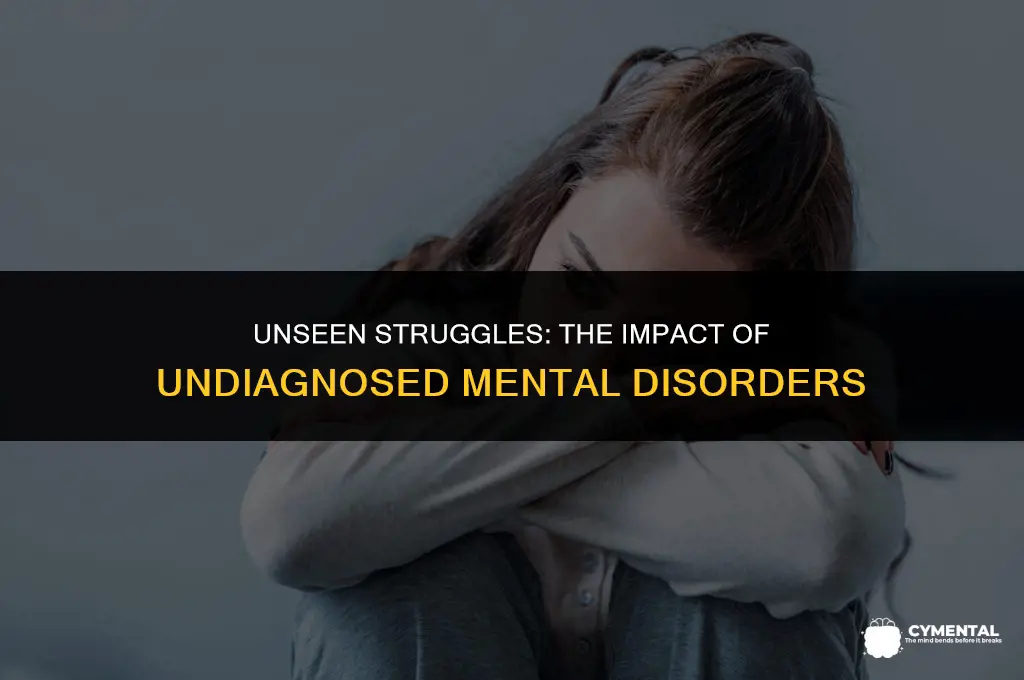
Undiagnosed mental disorders can lead to a myriad of issues, affecting not only the individual but also their relationships and community. Without proper diagnosis, individuals may struggle with untreated symptoms, leading to decreased quality of life, impaired functioning, and increased risk of self-harm or suicide. Moreover, undiagnosed mental health conditions can exacerbate physical health problems, as the stress and strain of unmanaged symptoms can weaken the immune system and lead to chronic illnesses. Additionally, untreated mental disorders can contribute to social and economic burdens, as individuals may face difficulties in maintaining employment, managing finances, and engaging in meaningful social interactions. Early diagnosis and treatment are crucial in mitigating these risks and promoting overall well-being.
Explore related products


What You'll Learn
- Worsening Symptoms: Undiagnosed mental disorders can lead to progressively severe symptoms, impacting daily functioning and overall well-being
- Delayed Treatment: Lack of diagnosis results in delayed treatment, reducing the effectiveness of interventions and potentially causing long-term complications
- Social Isolation: Individuals with undiagnosed mental disorders may experience social withdrawal, leading to isolation and strained relationships with friends and family
- Increased Risk of Self-Harm: Undiagnosed conditions can escalate the risk of self-harm or suicidal ideation, especially if symptoms are severe and unmanaged
- Comorbid Health Issues: Mental disorders, when left undiagnosed, can contribute to the development of comorbid physical health problems, such as cardiovascular diseases or chronic pain

Worsening Symptoms: Undiagnosed mental disorders can lead to progressively severe symptoms, impacting daily functioning and overall well-being
Undiagnosed mental disorders can lead to progressively severe symptoms, impacting daily functioning and overall well-being. This deterioration can manifest in various ways, depending on the specific disorder and individual circumstances. For instance, someone with undiagnosed depression may experience worsening feelings of sadness, hopelessness, and fatigue, which can make it increasingly difficult to perform everyday tasks such as getting out of bed, going to work, or maintaining relationships. Similarly, individuals with undiagnosed anxiety disorders may find their worries and fears becoming more intense and debilitating, leading to avoidance behaviors that can severely limit their ability to function in social and professional settings.
The progression of symptoms can also lead to physical health problems, as mental health issues often manifest in somatic ways. For example, chronic stress and anxiety can contribute to physical symptoms such as headaches, stomachaches, and sleep disturbances, which can further exacerbate the individual's overall well-being. Moreover, undiagnosed mental disorders can increase the risk of substance abuse, as individuals may turn to drugs or alcohol as a coping mechanism for their worsening symptoms. This can lead to a vicious cycle of addiction and mental health issues, making it even more challenging to seek help and recover.
In addition to the personal impact, undiagnosed mental disorders can also have broader societal implications. For instance, individuals who are struggling with mental health issues may be less productive at work, leading to economic losses for both the individual and their employer. Furthermore, the strain on relationships and social connections can lead to increased isolation and loneliness, which can have negative effects on community cohesion and overall societal well-being.
It is crucial to recognize the signs of worsening mental health symptoms and seek professional help as soon as possible. Early diagnosis and treatment can significantly improve outcomes, reducing the risk of symptom progression and its associated impacts on daily functioning and overall well-being. Mental health professionals can provide a range of interventions, including therapy, medication, and lifestyle changes, to help individuals manage their symptoms and improve their quality of life. By prioritizing mental health and seeking help when needed, individuals can mitigate the risks associated with undiagnosed mental disorders and work towards a healthier, more fulfilling life.
Unraveling the Genetic Link to Mental Health Disorders
You may want to see also
Explore related products


$14.96 $20.95


$12.36 $20.95


Delayed Treatment: Lack of diagnosis results in delayed treatment, reducing the effectiveness of interventions and potentially causing long-term complications
The consequences of delayed treatment for mental disorders can be severe and far-reaching. When a mental health condition goes undiagnosed, the individual may not receive the necessary interventions in a timely manner, leading to a reduced effectiveness of treatment and an increased risk of long-term complications. This delay can exacerbate the symptoms of the disorder, making it more challenging to manage and treat in the future.
For example, in the case of depression, delayed treatment can lead to a worsening of symptoms, increased risk of suicide, and a greater likelihood of developing chronic depression. Similarly, for anxiety disorders, untreated symptoms can escalate, leading to panic attacks, agoraphobia, and social isolation. In both cases, the longer the delay in treatment, the more difficult it becomes to alleviate symptoms and restore the individual's quality of life.
Furthermore, delayed treatment can also have a significant impact on an individual's social and economic well-being. Untreated mental health conditions can lead to difficulties in maintaining employment, strained relationships with family and friends, and a decreased ability to participate in daily activities. This can result in financial instability, social isolation, and a diminished sense of self-worth.
In addition to the individual consequences, delayed treatment for mental disorders can also have a broader societal impact. The economic burden of untreated mental health conditions is substantial, with estimates suggesting that mental illness costs the global economy hundreds of billions of dollars annually in lost productivity and healthcare expenses. Moreover, the social stigma associated with mental illness can perpetuate a cycle of silence and shame, preventing individuals from seeking help and further exacerbating the problem.
To mitigate these risks, it is essential to prioritize early diagnosis and treatment for mental health conditions. This can be achieved through increased awareness and education about mental health, improved access to mental health services, and the development of more effective screening and diagnostic tools. By addressing mental health concerns in a timely manner, we can improve outcomes for individuals and reduce the broader societal impact of these conditions.
Unlocking Mental Health Support: A Guide to Medicare Benefits
You may want to see also
Explore related products


Social Isolation: Individuals with undiagnosed mental disorders may experience social withdrawal, leading to isolation and strained relationships with friends and family
Individuals with undiagnosed mental disorders often experience a profound sense of social withdrawal. This withdrawal can stem from a variety of factors, including the stigma associated with mental illness, fear of judgment, or simply the overwhelming nature of their symptoms. As a result, these individuals may find themselves increasingly isolated from their social circles, leading to a breakdown in relationships with friends and family.
Social isolation can have severe consequences on both mental and physical health. Without the support of a social network, individuals may struggle to cope with their symptoms, leading to a worsening of their condition. Furthermore, social isolation can contribute to feelings of loneliness, depression, and anxiety, creating a vicious cycle that is difficult to break.
In addition to the personal impact, social isolation can also have broader societal implications. Isolated individuals may be less likely to seek help or engage in community activities, leading to a decrease in overall social cohesion. Moreover, the economic burden of untreated mental disorders can be significant, as individuals may be unable to work or contribute to society in a meaningful way.
It is crucial to address social isolation as a key issue in the context of undiagnosed mental disorders. This can be achieved through a combination of public education campaigns, community support programs, and increased access to mental health services. By fostering a more inclusive and supportive environment, we can help individuals with undiagnosed mental disorders to reconnect with their communities and improve their overall well-being.
Mentors' Role in Mental Health: Support, Growth, and Resilience
You may want to see also
Explore related products


Increased Risk of Self-Harm: Undiagnosed conditions can escalate the risk of self-harm or suicidal ideation, especially if symptoms are severe and unmanaged
Undiagnosed mental health conditions can significantly increase the risk of self-harm and suicidal ideation. When symptoms are severe and unmanaged, individuals may feel overwhelmed and unable to cope, leading to dangerous behaviors. This is particularly concerning for conditions like depression, anxiety, and borderline personality disorder, which often involve intense emotional distress and impulsivity. Without proper diagnosis and treatment, these conditions can worsen, making self-harm or suicide seem like a viable option to alleviate suffering.
One of the primary reasons undiagnosed conditions lead to increased self-harm risk is the lack of appropriate coping mechanisms. When individuals are unaware of their condition, they may not seek professional help or learn healthy ways to manage their symptoms. Instead, they may turn to harmful behaviors as a means of self-soothing or escape. This can create a vicious cycle, where self-harm provides temporary relief but ultimately exacerbates underlying mental health issues.
Furthermore, undiagnosed conditions can lead to social isolation and stigma, which are known risk factors for self-harm and suicide. When individuals feel misunderstood or ashamed of their symptoms, they may withdraw from friends and family, reducing their support network and increasing feelings of loneliness and despair. This isolation can make it more difficult for individuals to seek help or recognize the severity of their condition, further escalating the risk of self-harm.
It is crucial for individuals experiencing mental health symptoms to seek professional diagnosis and treatment. Early intervention can significantly reduce the risk of self-harm and suicide by providing appropriate coping mechanisms, support, and treatment options. Mental health professionals can help individuals understand their condition, develop healthy coping strategies, and connect with support networks, ultimately improving their overall well-being and reducing the risk of harmful behaviors.
Silent Struggles: Mental Health Challenges in America's Shadow
You may want to see also
Explore related products



Comorbid Health Issues: Mental disorders, when left undiagnosed, can contribute to the development of comorbid physical health problems, such as cardiovascular diseases or chronic pain
Undiagnosed mental disorders can have far-reaching consequences that extend beyond psychological symptoms, manifesting in physical health problems. Research has shown a strong correlation between mental health conditions and the development of comorbid physical illnesses, such as cardiovascular diseases and chronic pain. This connection is often bidirectional, with mental disorders increasing the risk of physical health issues and vice versa. For instance, individuals with depression are more likely to develop heart disease, and those with anxiety disorders may experience heightened sensitivity to pain.
The mechanisms underlying this relationship are complex and multifaceted. Stress, a common byproduct of mental health struggles, can lead to physiological changes that increase the risk of physical health problems. Additionally, individuals with mental disorders may engage in unhealthy behaviors, such as poor diet, lack of exercise, or substance abuse, which can further exacerbate physical health issues. Access to healthcare and adherence to treatment plans can also be compromised in individuals with undiagnosed mental disorders, leading to poorer health outcomes.
Cardiovascular diseases are among the most significant physical health risks associated with mental disorders. Studies have found that individuals with depression, anxiety, and post-traumatic stress disorder (PTSD) are at an increased risk of developing heart disease, stroke, and other cardiovascular conditions. This risk is thought to be due to a combination of factors, including increased stress levels, inflammation, and changes in blood pressure and heart rate. Chronic pain is another common comorbid condition, with mental health disorders often amplifying the perception and experience of pain. This can lead to a vicious cycle, where pain exacerbates mental health symptoms and vice versa.
Addressing comorbid health issues requires a holistic approach that integrates mental and physical healthcare. Early diagnosis and treatment of mental disorders can help mitigate the risk of developing comorbid physical health problems. Additionally, healthcare providers should be aware of the potential physical health implications of mental health conditions and monitor patients accordingly. Lifestyle interventions, such as stress management techniques, exercise programs, and healthy eating habits, can also play a crucial role in reducing the risk of comorbid health issues. By recognizing the interconnectedness of mental and physical health, we can work towards more effective and comprehensive healthcare solutions.
Mental Health as a Class Excuse: Ethical or Exploitative?
You may want to see also
Frequently asked questions
Undiagnosed mental disorders can significantly impact an individual's daily life, leading to difficulties in managing emotions, maintaining relationships, and performing routine tasks. This can result in social isolation, decreased productivity, and an overall decline in the quality of life.
Undiagnosed mental disorders can have a profound impact on physical health. They may contribute to the development of chronic conditions such as cardiovascular diseases, diabetes, and obesity. Additionally, individuals with untreated mental disorders may engage in unhealthy behaviors like substance abuse, poor diet, and lack of exercise, further exacerbating physical health issues.
Stigma surrounding mental disorders can be a significant barrier to seeking diagnosis and treatment. Fear of being judged, labeled, or discriminated against can deter individuals from reaching out for help, leading to prolonged suffering and potential worsening of their condition.
Yes, undiagnosed mental disorders can pose safety risks. Individuals may experience severe symptoms such as suicidal thoughts, hallucinations, or delusions, which can lead to dangerous behaviors. Additionally, untreated mental disorders may increase the likelihood of accidents, self-harm, or harm to others due to impaired judgment and decision-making.
The economic impact of undiagnosed and untreated mental disorders is substantial. It can result in increased healthcare costs due to the development of comorbid physical conditions, reduced productivity leading to income loss, and a higher burden on social services and support systems. Early diagnosis and treatment can help mitigate these economic consequences by improving overall functioning and reducing the need for more intensive interventions later on.