Lucas Bennett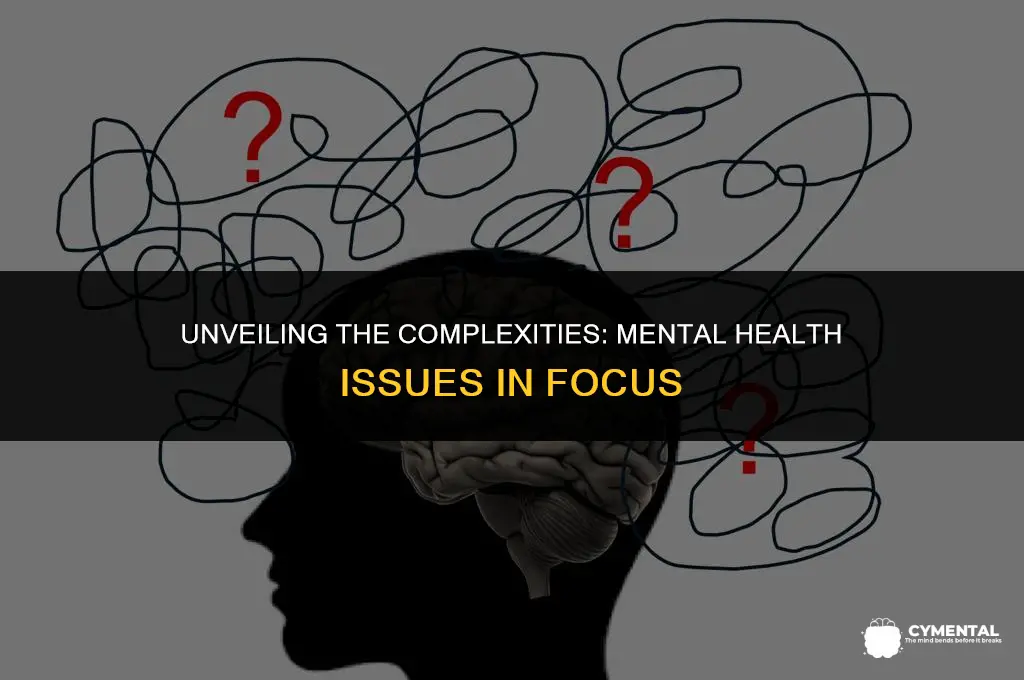
Mental health is a complex and multifaceted issue that affects individuals, communities, and societies worldwide. Despite growing awareness and efforts to address mental health concerns, numerous challenges persist. Stigma and discrimination against those with mental health conditions remain prevalent, often leading to social isolation and barriers to accessing care. Additionally, there is a significant shortage of mental health professionals, particularly in low- and middle-income countries, resulting in limited access to treatment and support services. Furthermore, the increasing prevalence of mental health issues among young people, exacerbated by factors such as social media, academic pressure, and economic uncertainty, highlights the need for targeted interventions and prevention strategies. Addressing these issues requires a comprehensive approach that involves reducing stigma, increasing access to care, and promoting mental health literacy and resilience.
Explore related products


What You'll Learn

Stigma and discrimination
One of the primary sources of stigma stems from a lack of understanding and education about mental health. Misconceptions and stereotypes about mental illness are often perpetuated by media portrayals, leading to a distorted public perception. For instance, individuals with schizophrenia are frequently depicted as violent or unpredictable in popular culture, despite the fact that the majority are not aggressive and are more likely to be victims of violence themselves.
Discrimination against people with mental health conditions is also evident in the workplace. Employees may face unfair treatment, such as being passed over for promotions or subjected to derogatory comments, due to their mental health status. This discrimination can lead to decreased job satisfaction, increased absenteeism, and a higher likelihood of unemployment, further marginalizing individuals with mental illness.
Moreover, stigma and discrimination can have a profound impact on the mental health of affected individuals. The fear of being judged or ostracized may lead people to hide their symptoms, delay seeking treatment, or even forgo professional help altogether. This can result in a worsening of their condition, increased risk of suicide, and a diminished quality of life.
To combat stigma and discrimination, it is essential to promote mental health literacy and awareness. Educational initiatives, public awareness campaigns, and open conversations about mental health can help to dispel myths and foster a more supportive and inclusive environment. Additionally, implementing anti-discrimination policies and providing training for employers and employees can help to create a more equitable workplace for individuals with mental health conditions.
Ultimately, addressing stigma and discrimination is crucial for improving the lives of those affected by mental illness. By challenging negative attitudes and promoting understanding and acceptance, we can work towards a society where individuals with mental health conditions are treated with dignity and respect, and have equal opportunities to thrive.
Grammar Police: A Harmless Habit or Sign of Mental Health Issues?
You may want to see also
Explore related products

$9.99 $24.99


Access to care and resources
Access to mental health care and resources remains a significant challenge globally. Despite growing awareness and efforts to destigmatize mental health issues, many individuals still face barriers in obtaining the help they need. One major issue is the disparity in access to care between urban and rural areas. Urban centers often have more mental health professionals and facilities, while rural areas may have limited options, forcing individuals to travel long distances for treatment. This geographical disparity can lead to delayed care, increased costs, and a higher likelihood of individuals forgoing treatment altogether.
Another critical factor is socioeconomic status. Mental health services can be expensive, and insurance coverage for mental health treatment is often inadequate or nonexistent. This financial barrier prevents many low-income individuals from seeking professional help. Furthermore, those from marginalized communities may face additional obstacles, including language barriers, cultural differences, and discrimination within the healthcare system.
The availability of mental health resources also varies widely. While some regions have robust support systems, including crisis hotlines, counseling services, and support groups, others may have minimal resources. This lack of resources can leave individuals feeling isolated and without options. Additionally, the quality of available resources can be inconsistent, with some services being underfunded or understaffed, leading to inadequate care.
Technology has the potential to bridge some of these gaps. Telehealth services, for example, can provide remote access to mental health professionals, making care more accessible for those in rural or underserved areas. However, the adoption of such technologies is not uniform, and issues such as lack of internet access or technological literacy can still hinder their effectiveness.
Addressing these disparities requires a multifaceted approach. Governments and healthcare organizations must work to increase funding for mental health services, improve insurance coverage, and ensure that resources are distributed equitably. Efforts to reduce stigma and increase awareness can also help encourage more individuals to seek help. Ultimately, ensuring access to quality mental health care and resources is essential for promoting overall well-being and addressing the mental health challenges faced by individuals worldwide.
Mental Health: A Liberal Issue or Universal Human Concern?
You may want to see also
Explore related products


Mental health in the workplace
In the modern workplace, mental health issues are becoming increasingly prevalent, with stress, anxiety, and depression affecting employees across various industries. One unique angle to consider is the impact of workplace culture on mental health. A toxic work environment, characterized by bullying, harassment, or unrealistic expectations, can significantly contribute to mental health problems among employees.
Analyzing the effects of workplace culture on mental health reveals several key factors. For instance, a lack of support from management or colleagues can exacerbate feelings of isolation and anxiety. Moreover, a culture that prioritizes productivity over employee well-being can lead to burnout and decreased job satisfaction. To address these issues, organizations can implement strategies such as regular mental health check-ins, employee assistance programs, and training for managers to recognize and address mental health concerns.
Another aspect to consider is the role of technology in mental health at work. The constant connectivity and pressure to respond immediately to emails or messages can contribute to increased stress levels. However, technology can also be a valuable tool in promoting mental health, such as through the use of mindfulness apps or virtual therapy sessions. Employers can encourage employees to set boundaries with technology use and provide access to digital mental health resources.
Furthermore, the stigma surrounding mental health in the workplace can prevent employees from seeking help. To combat this, organizations can foster an open and supportive environment where discussing mental health is encouraged and normalized. This can be achieved through initiatives such as mental health awareness campaigns, workshops on reducing stigma, and sharing success stories of employees who have sought help and recovered.
In conclusion, addressing mental health in the workplace requires a multifaceted approach that considers the impact of workplace culture, technology, and stigma. By implementing supportive policies and promoting open conversations about mental health, employers can create a healthier and more productive work environment for their employees.
Exploring the Mental Health Conversations Surrounding Will Smith
You may want to see also
Explore related products




Impact of social media
Social media has become an integral part of modern life, with billions of people worldwide using platforms like Facebook, Instagram, Twitter, and TikTok. While these platforms offer numerous benefits, such as connecting with friends and family, sharing information, and promoting businesses, they also have a significant impact on mental health. Research has shown that excessive social media use can lead to increased feelings of loneliness, anxiety, depression, and low self-esteem.
One of the primary ways in which social media affects mental health is through the cultivation of unrealistic expectations and the promotion of a culture of comparison. Users are constantly bombarded with carefully curated images and videos that present an idealized version of life, leading to feelings of inadequacy and dissatisfaction with one's own circumstances. This can be particularly damaging for young people, who are still developing their sense of self and are more susceptible to peer pressure.
Another issue is the prevalence of cyberbullying on social media platforms. Bullies can use these platforms to harass and intimidate their victims, often with devastating consequences. Cyberbullying can lead to increased anxiety, depression, and even suicidal thoughts, particularly among adolescents. Furthermore, the anonymity of the internet can make it difficult for victims to seek help or for authorities to hold bullies accountable.
Social media can also disrupt sleep patterns, which is essential for maintaining good mental health. The blue light emitted by screens can interfere with the production of melatonin, a hormone that regulates sleep. Additionally, the constant notifications and alerts can make it difficult to wind down and relax before bed, leading to insomnia and other sleep-related problems.
To mitigate the negative impact of social media on mental health, it is essential to use these platforms in a mindful and balanced way. This can include setting limits on screen time, avoiding social media before bed, and being aware of the potential for cyberbullying. It is also important to remember that social media is not a substitute for real-life connections and that spending time with friends and family in person can help to improve mental well-being.
In conclusion, while social media offers many benefits, it is crucial to be aware of its potential impact on mental health. By using these platforms responsibly and maintaining a healthy balance between online and offline activities, individuals can minimize the negative effects and maximize the positive aspects of social media use.
Low Self-Esteem: A Hidden Mental Health Struggle Explored
You may want to see also
Explore related products





Cultural differences in perception
Cultural differences significantly impact how mental health is perceived and addressed globally. In some cultures, mental illness is viewed as a personal failing or a sign of weakness, leading to stigma and reluctance to seek help. For instance, in certain Asian societies, there is a strong emphasis on maintaining family honor and social status, which can discourage individuals from openly discussing their mental health struggles. Conversely, in more individualistic cultures like those in the United States, mental health issues might be more openly discussed, but the focus on personal responsibility can sometimes overshadow the need for systemic support and understanding.
Language barriers also play a crucial role in the perception and treatment of mental health. The nuances of mental health terminology can be difficult to translate accurately, leading to misunderstandings and misdiagnoses. For example, the concept of "depression" might be understood differently in various languages, with some cultures having specific terms that encapsulate unique aspects of the condition. This linguistic diversity necessitates a more nuanced approach to mental health care, one that takes into account the cultural and linguistic background of the individual.
Moreover, cultural differences influence the types of interventions and treatments that are considered acceptable and effective. In some cultures, traditional healing practices such as herbal medicine, acupuncture, or spiritual rituals are preferred over Western psychiatric treatments. This preference can stem from a deep-seated trust in ancestral knowledge and a skepticism towards modern, often Western-imposed, medical practices. As a result, mental health professionals must be culturally competent and willing to integrate diverse healing approaches into their treatment plans.
The impact of cultural differences on mental health perception also extends to the workplace and educational settings. In many cultures, there is a strong expectation to maintain a stoic and resilient demeanor, especially in professional environments. This can lead to a reluctance to acknowledge and address mental health issues, fearing that it might be perceived as a lack of competence or dedication. Similarly, in educational settings, the pressure to succeed academically can overshadow the importance of mental well-being, leading to high levels of stress and anxiety among students.
To address these issues, it is essential to promote cultural awareness and sensitivity in mental health care. This involves training mental health professionals to understand and respect diverse cultural perspectives, as well as developing interventions that are tailored to the specific needs of different cultural groups. Additionally, efforts to reduce stigma and promote open dialogue about mental health are crucial in fostering a more inclusive and supportive environment for individuals from all cultural backgrounds.
Introversion vs. Mental Health: Debunking Myths and Understanding Differences
You may want to see also
Frequently asked questions
Common mental health issues include anxiety disorders, depression, bipolar disorder, schizophrenia, and post-traumatic stress disorder (PTSD). These conditions can affect anyone regardless of age, gender, or background.
Mental health issues can significantly impact daily life by affecting one's mood, behavior, and ability to function. They can lead to difficulties in maintaining relationships, performing at work or school, and carrying out everyday tasks. In severe cases, they can also lead to suicidal thoughts or attempts.
Addressing mental health issues often involves a combination of treatments, including psychotherapy (talk therapy), medication, and lifestyle changes. Seeking support from friends, family, or mental health professionals is crucial. Additionally, practicing self-care, such as regular exercise, healthy eating, and stress management techniques, can help improve mental well-being.