Noah Parker
Mental disorders encompass a wide range of conditions that affect mood, thinking, and behavior. According to the Diagnostic and Statistical Manual of Mental Disorders (DSM-5), there are over 20 distinct types of mental disorders. These include anxiety disorders, such as generalized anxiety disorder and panic disorder; mood disorders, like major depressive disorder and bipolar disorder; psychotic disorders, including schizophrenia; personality disorders, such as borderline personality disorder; and neurodevelopmental disorders, like autism spectrum disorder. Additionally, there are disorders related to substance use, eating disorders, and dissociative disorders, among others. Understanding these various types of mental disorders is crucial for accurate diagnosis, effective treatment, and promoting mental health awareness.
Explore related products


What You'll Learn
- Anxiety Disorders: Characterized by excessive fear, anxiety, and avoidance behaviors impacting daily life
- Mood Disorders: Involve persistent feelings of sadness, hopelessness, or mania, affecting emotional well-being
- Psychotic Disorders: Cause distorted thinking, hallucinations, and delusions, altering perception of reality
- Eating Disorders: Involve abnormal eating habits, body image issues, and nutritional deficiencies affecting health
- Personality Disorders: Long-standing patterns of thinking, feeling, and behaving that cause distress or impairment

Anxiety Disorders: Characterized by excessive fear, anxiety, and avoidance behaviors impacting daily life
Anxiety disorders are a prevalent group of mental health conditions characterized by persistent and excessive fear, anxiety, and avoidance behaviors that significantly interfere with an individual's daily life and functioning. These disorders can manifest in various forms, each with distinct symptoms and triggers. For instance, generalized anxiety disorder (GAD) involves chronic worry and anxiety about everyday situations, while panic disorder is marked by recurrent panic attacks—sudden episodes of intense fear accompanied by physical symptoms such as rapid heartbeat and shortness of breath.
One unique aspect of anxiety disorders is their ability to impact different areas of a person's life. For example, social anxiety disorder can lead to avoidance of social situations due to fear of embarrassment or judgment, whereas specific phobias can result in the avoidance of particular objects or situations that trigger intense fear. The pervasive nature of these disorders can lead to significant impairment in personal relationships, work, and school performance.
Diagnosis of anxiety disorders typically involves a combination of clinical interviews, psychological assessments, and sometimes physical examinations to rule out underlying medical conditions. Treatment approaches vary depending on the specific type of anxiety disorder and may include cognitive-behavioral therapy (CBT), medication, or a combination of both. CBT helps individuals identify and challenge negative thought patterns and behaviors, while medications such as selective serotonin reuptake inhibitors (SSRIs) can help alleviate symptoms.
It is crucial to address anxiety disorders promptly, as they can worsen over time and lead to additional mental health issues, such as depression or substance abuse. Early intervention and treatment can significantly improve outcomes and help individuals regain control over their lives. Moreover, raising awareness about anxiety disorders can reduce stigma and encourage more people to seek help.
In conclusion, anxiety disorders are complex mental health conditions that require a comprehensive understanding of their symptoms, triggers, and treatment options. By recognizing the unique characteristics of each type of anxiety disorder and providing appropriate support and resources, individuals can learn to manage their symptoms and lead fulfilling lives.
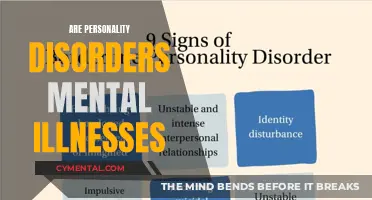
Understanding Tourette Syndrome: Mental Health Perspectives
You may want to see also
Explore related products


Mood Disorders: Involve persistent feelings of sadness, hopelessness, or mania, affecting emotional well-being
Mood disorders represent a significant category of mental health conditions characterized by persistent emotional states that disrupt daily life. These disorders can manifest as prolonged periods of sadness, hopelessness, or mania, significantly impacting an individual's emotional well-being and ability to function.
One of the most common mood disorders is Major Depressive Disorder (MDD), often referred to as clinical depression. This condition is marked by a pervasive feeling of sadness or loss of interest in activities that were once enjoyable. Symptoms can include changes in appetite, sleep disturbances, fatigue, feelings of worthlessness, and recurrent thoughts of death or suicide. MDD can occur in episodes, with periods of relative normalcy in between, or it can be chronic, persisting over time without significant improvement.
On the other end of the mood disorder spectrum is Bipolar Disorder, which involves alternating episodes of depression and mania. Manic episodes are characterized by elevated mood, increased energy, racing thoughts, and impulsive behavior. These episodes can lead to risky activities, such as excessive spending, reckless driving, or unprotected sexual encounters. The depressive episodes in Bipolar Disorder mirror those of MDD, with similar symptoms of sadness, hopelessness, and withdrawal.
Another mood disorder is Dysthymia, a chronic form of depression that lasts for at least two years. While the symptoms are less severe than those of MDD, they can still significantly impact a person's quality of life. Dysthymia often begins in adolescence or early adulthood and can persist into later life if left untreated.
Cyclothymic Disorder is a milder form of Bipolar Disorder, characterized by cyclical mood swings that do not reach the severity of full manic or depressive episodes. Individuals with Cyclothymic Disorder may experience periods of hypomania, which is a less intense form of mania, interspersed with mild depressive symptoms.
Treatment for mood disorders typically involves a combination of medication and psychotherapy. Antidepressants, mood stabilizers, and antipsychotic medications are commonly prescribed to manage symptoms. Cognitive-behavioral therapy (CBT), interpersonal therapy (IPT), and family-focused therapy are effective psychotherapeutic approaches that help individuals understand and manage their symptoms, improve coping skills, and enhance interpersonal relationships.
In conclusion, mood disorders are complex mental health conditions that require comprehensive treatment approaches. Understanding the different types of mood disorders and their symptoms is crucial for early diagnosis and effective management. With the right treatment, individuals can learn to manage their symptoms and improve their overall emotional well-being.
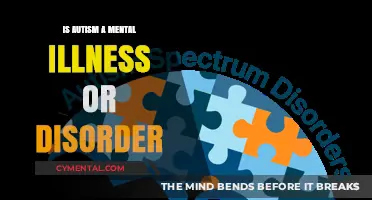
Unraveling the Link: Alcohol Consumption and Mental Health Disorders
You may want to see also
Explore related products


Psychotic Disorders: Cause distorted thinking, hallucinations, and delusions, altering perception of reality
Psychotic disorders represent a group of severe mental health conditions that profoundly affect an individual's thinking, perception, and behavior. These disorders are characterized by symptoms such as hallucinations, delusions, and distorted thinking, which can significantly alter a person's perception of reality. Hallucinations are sensory experiences that occur without an external stimulus, such as hearing voices or seeing things that are not there. Delusions are firmly held beliefs that are not based in reality, such as the conviction that one is being followed or poisoned.
The exact cause of psychotic disorders is not fully understood, but it is believed to involve a combination of genetic, environmental, and biochemical factors. Research suggests that abnormalities in brain structure and function, particularly in the areas responsible for perception and cognition, may play a role in the development of these disorders. Additionally, certain risk factors, such as a family history of psychosis, substance abuse, and stressful life events, can increase the likelihood of developing a psychotic disorder.
There are several types of psychotic disorders, including schizophrenia, schizoaffective disorder, and brief psychotic disorder. Schizophrenia is one of the most common and severe forms of psychosis, often characterized by a combination of hallucinations, delusions, and disorganized thinking. Schizoaffective disorder is a condition that combines symptoms of psychosis with those of a mood disorder, such as depression or mania. Brief psychotic disorder is a short-term condition that typically lasts less than a month and is often triggered by a stressful event.
Treatment for psychotic disorders usually involves a combination of medication and psychotherapy. Antipsychotic medications can help to reduce symptoms such as hallucinations and delusions, while psychotherapy can assist individuals in coping with their symptoms and improving their overall functioning. In some cases, hospitalization may be necessary to ensure the safety of the individual and to provide intensive treatment.
Living with a psychotic disorder can be challenging, both for the individual affected and for their families and friends. It is important to seek support and to educate oneself about the condition in order to better understand and cope with its effects. With appropriate treatment and support, many individuals with psychotic disorders are able to lead fulfilling and productive lives.
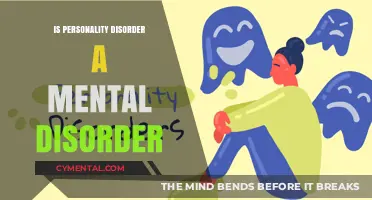
Understanding Disorders: A Comprehensive Guide to Mental Health Conditions
You may want to see also
Explore related products


Eating Disorders: Involve abnormal eating habits, body image issues, and nutritional deficiencies affecting health
Eating disorders are a complex group of mental health conditions characterized by abnormal eating habits, distorted body image, and significant nutritional deficiencies. These disorders can have severe physical and psychological consequences, affecting individuals of all ages, genders, and backgrounds. The most common types of eating disorders include anorexia nervosa, bulimia nervosa, and binge eating disorder, each with its unique set of symptoms and challenges.
Anorexia nervosa is marked by a relentless pursuit of thinness, often accompanied by a distorted body image and an intense fear of gaining weight. Individuals with this disorder may restrict their food intake, engage in excessive exercise, or use other methods to control their weight, leading to severe malnutrition and potential organ damage. Bulimia nervosa, on the other hand, involves cycles of binge eating followed by compensatory behaviors such as vomiting, laxative use, or excessive exercise. This disorder can lead to electrolyte imbalances, gastrointestinal problems, and dental issues due to the repeated exposure to stomach acid.
Binge eating disorder is characterized by recurrent episodes of consuming large quantities of food in a short period, often accompanied by feelings of guilt, shame, or loss of control. Unlike bulimia nervosa, individuals with binge eating disorder do not typically engage in compensatory behaviors, which can lead to weight gain and associated health problems such as obesity, diabetes, and cardiovascular disease. Other specified feeding or eating disorders (OSFED) include conditions such as orthorexia nervosa, rumination disorder, and avoidant/restrictive food intake disorder, which can also have significant impacts on an individual's health and well-being.
Treatment for eating disorders often involves a multidisciplinary approach, including psychotherapy, nutritional counseling, and medical management. Cognitive-behavioral therapy (CBT) and family-based therapy (FBT) are commonly used psychotherapeutic interventions, while nutritional counseling aims to help individuals develop healthy eating habits and address any nutritional deficiencies. In some cases, medication may be prescribed to manage symptoms or underlying conditions. Early intervention and comprehensive treatment are crucial for improving outcomes and reducing the risk of long-term complications associated with eating disorders.
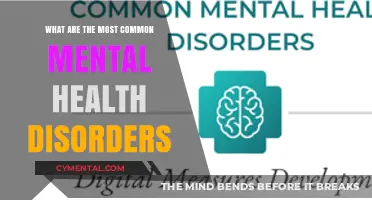
Understanding Bipolar Disorder: Is It Considered a Mental Disability?
You may want to see also
Explore related products


$49.95 $49.95


Personality Disorders: Long-standing patterns of thinking, feeling, and behaving that cause distress or impairment
Personality disorders are a group of mental health conditions characterized by long-standing patterns of thinking, feeling, and behaving that cause significant distress or impairment in social, occupational, or other important areas of functioning. These disorders are deeply ingrained and often go unnoticed until they cause problems in a person's life. They are distinct from other mental disorders in that they involve enduring patterns rather than episodic symptoms.
There are ten recognized types of personality disorders, grouped into three clusters based on their underlying characteristics. Cluster A includes paranoid, schizoid, and schizotypal personality disorders, which are characterized by odd or eccentric behavior. Cluster B includes antisocial, borderline, histrionic, and narcissistic personality disorders, which are marked by dramatic or emotional behavior. Cluster C includes avoidant, dependent, and obsessive-compulsive personality disorders, which are characterized by anxious or fearful behavior.
Personality disorders are typically diagnosed in adulthood, as they require a long-term pattern of behavior to be established. However, some disorders, such as antisocial personality disorder, may have their roots in childhood conduct problems. The diagnosis of a personality disorder is made through a combination of clinical interviews, psychological assessments, and observation of behavior over time.
Treatment for personality disorders can be challenging, as these conditions are often deeply ingrained and resistant to change. However, various therapeutic approaches, such as cognitive-behavioral therapy, dialectical behavior therapy, and psychodynamic therapy, can be effective in helping individuals manage their symptoms and improve their functioning. Medications may also be used to treat specific symptoms, such as depression or anxiety, that are associated with personality disorders.
Living with a personality disorder can be difficult, both for the individual and for their loved ones. These disorders can lead to problems in relationships, work, and daily life. However, with proper treatment and support, individuals with personality disorders can learn to manage their symptoms and lead fulfilling lives. It is important for those affected by these disorders to seek help from mental health professionals and to be patient and persistent in their treatment journey.
Understanding Bipolar Disorder: Debunking Myths About This Serious Mental Illness
You may want to see also