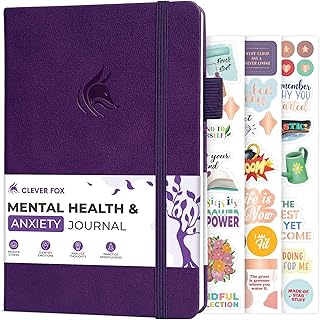
Madison Cole
Mental health treatment planning is a critical process that requires a comprehensive approach to address the unique needs of each individual. To facilitate effective planning, various tools have been developed to assist mental health professionals in assessing, diagnosing, and creating tailored interventions. These tools include standardized assessment scales, such as the Patient Health Questionnaire-9 (PHQ-9) for depression and the Generalized Anxiety Disorder-7 (GAD-7) for anxiety, which provide quantifiable data to track symptom severity over time. Additionally, digital platforms and mobile applications, like cognitive-behavioral therapy (CBT) apps and mood tracking tools, offer accessible resources for both clinicians and clients to monitor progress and engage in evidence-based practices. Electronic health records (EHRs) with integrated treatment planning modules also streamline documentation and ensure continuity of care. Together, these tools enhance the precision, efficiency, and personalization of mental health treatment planning, ultimately improving outcomes for individuals seeking support.
| Characteristics | Values |
|---|---|
| Assessment Tools | Standardized questionnaires (e.g., PHQ-9, GAD-7) to measure symptom severity. |
| Goal Setting Frameworks | SMART goals (Specific, Measurable, Achievable, Relevant, Time-bound). |
| Digital Platforms | EHR systems (e.g., TherapyNotes, SimplePractice) for tracking progress. |
| Psychoeducation Resources | Workbooks, apps (e.g., Moodpath, Sanvello) for patient education. |
| Collaborative Tools | Shared decision-making platforms and care coordination software. |
| Outcome Monitoring Tools | Regularly updated symptom trackers and progress reports. |
| Therapeutic Techniques | CBT worksheets, DBT diaries, mindfulness apps (e.g., Headspace). |
| Crisis Management Tools | Safety planning apps, emergency contact lists, and crisis hotlines. |
| Cultural Competence Guides | Tools to ensure treatment plans are culturally sensitive and inclusive. |
| Evidence-Based Protocols | Treatment guidelines from APA, NICE, or WHO for specific disorders. |
| Patient Engagement Tools | Interactive apps, journaling prompts, and motivational interviewing techniques. |
| Data Analytics | Tools to analyze treatment outcomes and adjust plans accordingly. |
| Telehealth Integration | Video therapy platforms (e.g., Zoom, Doxy.me) for remote treatment planning. |
| Medication Management | Apps (e.g., MyTherapy) to track medication adherence and side effects. |
| Relapse Prevention Tools | Early warning sign trackers and coping skills inventories. |
| Interdisciplinary Collaboration | Shared platforms for communication between therapists, psychiatrists, and other providers. |
Explore related products


What You'll Learn
- Psychiatric Assessment Tools: Standardized questionnaires and interviews to evaluate mental health symptoms and diagnose disorders
- Digital Therapy Platforms: Apps and online tools offering CBT, mindfulness, and mood tracking for self-management
- Outcome Measurement Tools: Scales like PHQ-9 or GAD-7 to monitor treatment progress and effectiveness over time
- Care Coordination Software: Platforms enabling collaboration among providers for integrated, holistic treatment planning
- Journaling and Reflection Tools: Guided journals or digital prompts to track emotions, triggers, and coping strategies

Psychiatric Assessment Tools: Standardized questionnaires and interviews to evaluate mental health symptoms and diagnose disorders
Psychiatric assessment tools are the backbone of accurate mental health diagnosis and treatment planning. Standardized questionnaires and structured interviews provide clinicians with a systematic way to evaluate symptoms, track progress, and tailor interventions to individual needs. These tools bridge the gap between subjective patient experiences and objective clinical judgment, ensuring consistency and reliability in mental healthcare.
Consider the PHQ-9 (Patient Health Questionnaire-9), a widely used tool for assessing depression. This nine-item questionnaire asks patients to rate the frequency of symptoms like sadness, fatigue, and suicidal thoughts over the past two weeks. Each item is scored on a scale of 0 to 3, with total scores ranging from 0 to 27. A score of 5–9 suggests mild depression, 10–14 moderate, 15–19 moderately severe, and 20–27 severe. Clinicians use these results to diagnose depression, monitor treatment efficacy, and adjust interventions accordingly. For example, a patient with a PHQ-9 score of 18 might benefit from a combination of antidepressant medication and cognitive-behavioral therapy, while someone scoring 8 might respond well to lifestyle changes and mindfulness techniques.
Structured interviews, such as the SCID-5 (Structured Clinical Interview for DSM-5), offer a more in-depth approach to diagnosis. This clinician-administered tool systematically evaluates symptoms across various mental health disorders, from anxiety and mood disorders to psychotic conditions. Unlike self-report questionnaires, the SCID-5 allows for follow-up questions and clinical judgment, making it a gold standard for diagnostic accuracy. However, its length (often 1–2 hours) and complexity require trained professionals, limiting its use to specialized settings. For instance, a psychiatrist might use the SCID-5 to differentiate between bipolar disorder and major depressive disorder with psychotic features, ensuring the patient receives the appropriate treatment.
While these tools are invaluable, their effectiveness depends on proper administration and interpretation. For instance, the GAD-7 (Generalized Anxiety Disorder-7) is a brief questionnaire for assessing anxiety, but its results must be contextualized with the patient’s history and current circumstances. A college student scoring high on the GAD-7 during exam season might not meet the criteria for generalized anxiety disorder but could still benefit from stress management strategies. Similarly, tools like the MADRS (Montgomery-Åsberg Depression Rating Scale) require clinician training to avoid biases in scoring, as this 10-item scale relies on observer judgment rather than self-report.
In practice, combining multiple assessment tools enhances their utility. For example, a clinician might use the PHQ-9 and GAD-7 to screen for depression and anxiety, followed by the SCID-5 for a definitive diagnosis. Over time, repeated administration of these tools helps track symptom changes, ensuring treatment remains responsive to the patient’s evolving needs. For instance, a patient with treatment-resistant depression might undergo weekly PHQ-9 assessments to evaluate the impact of a new medication or therapy approach.
In conclusion, psychiatric assessment tools are not one-size-fits-all solutions but powerful instruments when used thoughtfully. By standardizing symptom evaluation and diagnosis, they empower clinicians to create personalized, evidence-based treatment plans. Whether through self-report questionnaires or structured interviews, these tools transform subjective experiences into actionable data, fostering better mental health outcomes.
Supporting Loved Ones: A Guide to Accessing Mental Health Assistance
You may want to see also
Explore related products




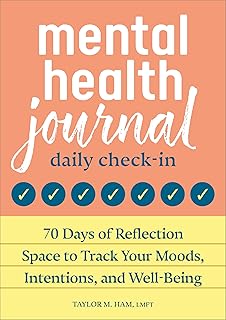

Digital Therapy Platforms: Apps and online tools offering CBT, mindfulness, and mood tracking for self-management
Digital therapy platforms have emerged as a transformative tool in mental health treatment planning, offering accessible, scalable, and evidence-based interventions. Apps like Calm, Headspace, and Sanvello integrate cognitive behavioral therapy (CBT), mindfulness exercises, and mood tracking into user-friendly interfaces, empowering individuals to self-manage symptoms of anxiety, depression, and stress. For instance, Sanvello’s CBT modules include guided journeys tailored to specific concerns, such as social anxiety or insomnia, with daily exercises that take 10–15 minutes to complete. These platforms often incorporate gamification elements, such as progress tracking and rewards, to enhance engagement and adherence.
One of the key strengths of digital therapy platforms lies in their ability to provide personalized care at scale. Mood tracking features, like those in Daylio or Moodpath, allow users to log daily emotions, activities, and triggers, generating insights that inform treatment plans. For example, a user might notice a correlation between reduced screen time and improved mood, prompting them to set boundaries around device usage. Clinicians can also leverage this data to tailor interventions, making therapy more collaborative and data-driven. However, it’s crucial to ensure users understand the limitations of these tools; they are not a substitute for professional therapy but rather a complementary resource.
From a practical standpoint, integrating digital therapy platforms into treatment planning requires careful consideration of user demographics and preferences. Younger adults and tech-savvy individuals often find these tools intuitive, while older adults or those with limited digital literacy may need guidance. For instance, apps like Woebot use conversational AI to deliver CBT in a chat format, which can be particularly engaging for teens and young adults. Clinicians should recommend platforms based on the client’s needs, ensuring they align with therapeutic goals. For example, Insight Timer is ideal for mindfulness practice, while Moodfit excels in mood and symptom tracking.
Despite their benefits, digital therapy platforms are not without challenges. Privacy concerns, data security, and the potential for over-reliance on self-management tools are critical issues. Users should prioritize platforms that comply with health data regulations, such as HIPAA in the U.S., and avoid sharing sensitive information on unsecured apps. Additionally, clinicians must monitor progress to ensure clients are not using these tools as a crutch to avoid deeper therapeutic work. When used thoughtfully, however, digital therapy platforms can bridge gaps in access to care, offering timely support for those who may not have immediate access to traditional therapy.
In conclusion, digital therapy platforms represent a dynamic and evolving resource in mental health treatment planning. By combining CBT, mindfulness, and mood tracking, these tools empower individuals to take an active role in their mental well-being. Clinicians and users alike must approach them with awareness of their strengths and limitations, ensuring they complement rather than replace professional care. As technology advances, these platforms will likely become even more sophisticated, offering personalized, real-time interventions that enhance the therapeutic process.
Pets and Mental Health: How Furry Friends Boost Well-Being
You may want to see also
Explore related products


Outcome Measurement Tools: Scales like PHQ-9 or GAD-7 to monitor treatment progress and effectiveness over time
Outcome measurement tools are essential in mental health treatment planning, offering a structured way to track progress and adjust interventions. Among these, standardized scales like the Patient Health Questionnaire-9 (PHQ-9) for depression and the Generalized Anxiety Disorder-7 (GAD-7) for anxiety are widely used due to their simplicity and validity. These tools consist of brief, self-report questionnaires that patients complete at regular intervals, typically before and after sessions or at monthly checkpoints. Each item is scored on a 0-to-3 scale, with total scores indicating symptom severity (e.g., PHQ-9 scores range from 0 to 27, where 0-4 suggests minimal depression, 5-9 mild, 10-14 moderate, 15-19 moderately severe, and 20-27 severe). Clinicians use these scores to objectively measure treatment effectiveness and make data-driven decisions.
While these scales are powerful, their utility depends on consistent administration and interpretation. For instance, a 5-point reduction in PHQ-9 scores over 8 weeks is often considered clinically significant, but this threshold may vary based on individual circumstances. It’s crucial to pair these tools with qualitative insights from therapy sessions to avoid over-reliance on numbers. For example, a patient’s PHQ-9 score might plateau despite subjective reports of improved functioning, highlighting the need for a holistic approach. Additionally, these scales are validated for adults but may require adaptation for adolescents or older adults, where developmental differences affect symptom expression.
One practical tip for clinicians is to integrate these tools into routine practice without overwhelming patients. For instance, administering the GAD-7 during the waiting room period or via secure digital platforms can streamline data collection. It’s also helpful to educate patients on the purpose of these scales, framing them as collaborative tools rather than performance metrics. For example, explaining that a PHQ-9 score of 10 indicates moderate depression but doesn’t define their progress can reduce anxiety and foster engagement.
Comparatively, while other outcome measures exist (e.g., the Beck Depression Inventory or the Brief Symptom Inventory), the PHQ-9 and GAD-7 stand out for their brevity and ease of use, making them ideal for busy clinical settings. However, they are not without limitations. These scales focus on symptom severity but don’t capture functional improvements, such as better relationships or workplace performance. Pairing them with tools like the World Health Organization Disability Assessment Schedule (WHODAS) can provide a more comprehensive picture.
In conclusion, outcome measurement tools like the PHQ-9 and GAD-7 are invaluable for monitoring treatment progress and effectiveness. Their structured format ensures consistency, while their simplicity encourages adherence. However, clinicians must balance quantitative data with qualitative insights, adapt tools to diverse populations, and educate patients on their purpose. By doing so, these scales become not just metrics but catalysts for personalized, evidence-based care.
Equine Therapy: How Horses Heal and Improve Mental Health
You may want to see also
Explore related products
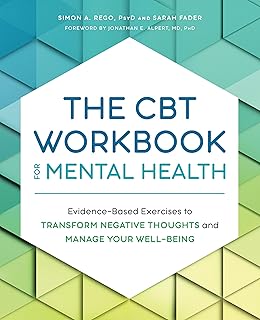


Care Coordination Software: Platforms enabling collaboration among providers for integrated, holistic treatment planning
Effective mental health treatment often requires a symphony of care, not a solo performance. Care coordination software emerges as the conductor, orchestrating collaboration among therapists, psychiatrists, social workers, and other providers. These platforms dismantle silos, replacing fragmented care with a unified treatment plan. Imagine a digital hub where progress notes, medication histories, and therapy goals converge, accessible to all authorized providers in real-time. This shared landscape fosters informed decision-making, reduces redundant assessments, and ensures everyone is playing from the same sheet music.
Think of it as a shared whiteboard for the mind, where insights are scribbled, strategies are refined, and progress is tracked collectively.
The benefits extend beyond efficiency. Care coordination software empowers patients by providing a transparent view of their treatment journey. They can access their records, communicate securely with their care team, and actively participate in shaping their plan. This shared ownership fosters trust, engagement, and ultimately, better outcomes. For providers, these platforms streamline workflows, automate administrative tasks, and free up valuable time for direct patient interaction. Imagine a therapist spending less time chasing down lab results and more time honing their therapeutic interventions.
This isn't just about technology; it's about transforming the very culture of mental healthcare, prioritizing collaboration over isolation, and holistic care over piecemeal solutions.
However, implementing care coordination software isn't without its challenges. Data privacy and security are paramount, requiring robust encryption and access controls. Interoperability between different platforms remains a hurdle, often necessitating costly integrations. Providers must also be trained to effectively utilize the software, ensuring data entry accuracy and meaningful communication within the platform. Think of it as introducing a new instrument to an orchestra – practice and coordination are essential before a harmonious melody emerges.
Despite these challenges, the potential of care coordination software is undeniable. As technology advances and adoption grows, we can expect even more sophisticated features, such as predictive analytics and personalized treatment recommendations, further refining the art of mental health care coordination.
Boost Mental Focus: Practical Strategies for Enhanced Concentration and Productivity
You may want to see also
Explore related products


$12.68 $18.95


Journaling and Reflection Tools: Guided journals or digital prompts to track emotions, triggers, and coping strategies
Journaling and reflection tools have emerged as powerful allies in mental health treatment planning, offering structured ways to track emotions, identify triggers, and evaluate coping strategies. Unlike traditional journaling, guided journals and digital prompts provide frameworks that make self-reflection more accessible and actionable. These tools often include daily or weekly exercises designed to foster mindfulness, emotional awareness, and goal-setting, making them particularly useful for individuals who struggle with unstructured writing. For instance, a guided journal might prompt users to rate their mood on a scale of 1 to 10, list three positive experiences, and identify one challenge they faced that day. This structured approach not only helps users process their emotions but also creates a tangible record of progress over time.
Digital journaling platforms take this concept further by incorporating features like mood tracking graphs, reminders, and customizable prompts. Apps such as Daylio or Reflectly use artificial intelligence to analyze entries and provide insights into emotional patterns. For example, a user might discover that their anxiety spikes on Mondays or that exercise consistently improves their mood. These tools are especially beneficial for younger demographics, such as teenagers and young adults, who are often more comfortable with technology. However, older adults can also benefit from digital journaling, provided the interface is user-friendly and intuitive. A practical tip for maximizing the effectiveness of these tools is to set aside 10–15 minutes daily for journaling, ideally at the same time each day, to establish a consistent habit.
While guided journals and digital prompts offer numerous advantages, they are not one-size-fits-all solutions. Some individuals may find the structured format restrictive, preferring the freedom of traditional journaling. Others might struggle with the digital aspect, particularly if they are not tech-savvy. To address these limitations, it’s essential to choose tools that align with personal preferences and needs. For instance, a person who enjoys tactile experiences might opt for a physical guided journal, while someone who values data visualization might prefer a digital app. Additionally, combining journaling with other therapeutic practices, such as cognitive-behavioral therapy (CBT), can enhance its effectiveness. For example, a CBT therapist might encourage a client to use journaling to challenge negative thought patterns and track the outcomes of behavioral experiments.
One of the most compelling aspects of journaling and reflection tools is their ability to empower individuals in their mental health journey. By regularly documenting emotions and coping strategies, users gain a deeper understanding of their inner world and develop a sense of agency over their well-being. This self-awareness is a cornerstone of effective treatment planning, as it enables individuals and their therapists to make informed decisions about interventions. For example, a journal entry might reveal that a particular coping strategy, such as deep breathing, consistently reduces stress, prompting the individual to use it more frequently. Over time, this process of reflection and adaptation can lead to significant improvements in mental health outcomes.
In conclusion, journaling and reflection tools are invaluable resources for mental health treatment planning, offering structured yet personalized ways to track emotions, identify triggers, and evaluate coping strategies. Whether through guided journals or digital platforms, these tools provide a framework for self-discovery and growth. By incorporating them into daily routines and tailoring them to individual needs, users can harness their full potential. As with any tool, consistency and adaptability are key—what matters most is finding a method that resonates and using it to foster greater emotional well-being.
Keto Diet and Mental Clarity: Fact or Fiction?
You may want to see also
Frequently asked questions
A mental health treatment plan is a structured outline of therapeutic goals, interventions, and strategies tailored to an individual's needs. It is important because it provides a clear roadmap for both the client and the therapist, ensuring consistent progress, accountability, and personalized care.
Commonly used tools include assessment scales (e.g., PHQ-9 for depression), goal-setting worksheets, progress tracking apps, cognitive-behavioral therapy (CBT) worksheets, and mindfulness or journaling prompts to support therapeutic interventions.
Digital tools like therapy apps, telehealth platforms, and electronic health records (EHRs) streamline communication, track progress, and provide accessible resources. They also offer reminders, self-help modules, and data analytics to enhance treatment effectiveness.
Yes, self-assessment tools like mood trackers, symptom diaries, and validated questionnaires (e.g., GAD-7 for anxiety) help individuals monitor their mental health and provide valuable insights for therapists to adjust treatment plans accordingly.
Collaborative tools, such as shared goal-setting platforms or family/caregiver involvement apps, foster teamwork between clients, therapists, and support systems. They ensure everyone is aligned on treatment goals and progress, leading to better outcomes.