Madison Cole
While medication is a cornerstone of treatment for many mental illnesses, it’s important to recognize that not all conditions respond effectively to pharmacological interventions alone. Certain mental health challenges, such as personality disorders (e.g., borderline personality disorder), complex trauma, or deeply ingrained behavioral patterns, often require therapeutic approaches like psychotherapy, cognitive-behavioral therapy (CBT), or dialectical behavior therapy (DBT) to address underlying issues. Additionally, situational stressors, grief, or existential crises may not be alleviated by medication, as they stem from external or psychological factors rather than biochemical imbalances. In these cases, holistic strategies, lifestyle changes, and supportive therapies play a crucial role in fostering healing and resilience. Understanding the limitations of medication highlights the importance of personalized, multifaceted treatment plans tailored to the unique needs of each individual.
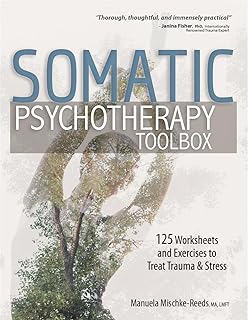
Explore related products

$16.99 $16.99





What You'll Learn
- Personality Disorders: Medication doesn't alter personality traits or deep-seated behaviors
- Grief and Bereavement: Natural emotional responses, not treatable with medication
- Existential Crises: Philosophical or spiritual struggles don't respond to pharmacological interventions
- Traumatic Memories: Medication doesn't erase or process traumatic experiences effectively
- Lifestyle-Related Stress: Poor diet, lack of sleep, or inactivity need behavioral changes, not pills

Personality Disorders: Medication doesn't alter personality traits or deep-seated behaviors
Personality disorders, such as borderline, narcissistic, or antisocial personality disorder, are deeply ingrained patterns of behavior, thought, and emotion that persist over time. Unlike conditions like depression or anxiety, where medication can directly target neurotransmitter imbalances, personality disorders are not primarily biochemical in nature. Medications like antidepressants or mood stabilizers may manage co-occurring symptoms—such as mood swings or irritability—but they cannot alter core personality traits or long-standing behaviors. For instance, a person with borderline personality disorder might take an SSRI to reduce impulsivity, but the medication won’t address their fundamental fear of abandonment or difficulty with interpersonal relationships.
Consider the case of a 32-year-old diagnosed with narcissistic personality disorder. Despite being prescribed low-dose antipsychotics to mitigate aggression, their grandiose self-view and lack of empathy remain unchanged. This is because personality disorders are rooted in developmental, environmental, and psychological factors, not merely chemical imbalances. Medication acts as a band-aid, not a cure, for these individuals. The real work lies in psychotherapy, particularly dialectical behavior therapy (DBT) or cognitive behavioral therapy (CBT), which focus on reshaping thought patterns and behaviors over time.
A common misconception is that increasing medication dosage can "fix" personality traits. For example, doubling the dose of an antidepressant from 20mg to 40mg might improve mood in someone with depression, but it won’t make a person with avoidant personality disorder more socially confident. In fact, over-reliance on medication can lead to side effects like weight gain, drowsiness, or emotional numbing without addressing the core issue. Clinicians often emphasize a holistic approach, combining therapy with medication only when necessary to manage specific symptoms, not to alter personality.
For those supporting someone with a personality disorder, it’s crucial to understand the limitations of medication. Instead of asking, “Have you taken your pill today?” focus on encouraging therapy attendance and practicing patience. For instance, a family member of someone with borderline personality disorder might help by learning emotion regulation techniques from DBT to use during conflicts. Practical tips include setting clear boundaries, validating emotions without reinforcing harmful behaviors, and celebrating small behavioral improvements.
In conclusion, while medication can play a supportive role in managing symptoms, it cannot rewrite the deeply embedded traits of personality disorders. The key lies in evidence-based therapies that foster self-awareness, emotional regulation, and healthier interpersonal skills. For individuals and their loved ones, recognizing this distinction is the first step toward realistic expectations and meaningful progress.
Seeking Mental Health Support in Queens: A Comprehensive Guide
You may want to see also
Explore related products


Grief and Bereavement: Natural emotional responses, not treatable with medication
Grief and bereavement are universal human experiences, yet they are often misunderstood as conditions that require medical intervention. Unlike clinical depression or anxiety disorders, which may benefit from antidepressants or anti-anxiety medications, grief is a natural emotional response to loss. It is not a pathology but a process, one that unfolds over time and varies widely among individuals. Attempting to treat grief with medication risks pathologizing a fundamental aspect of being human, potentially hindering the healing process rather than aiding it.
Consider the stages of grief—denial, anger, bargaining, depression, and acceptance—first outlined by Elisabeth Kübler-Ross. These stages are not linear but rather a fluid, personal journey. Medication cannot expedite or bypass these stages; it can only numb the emotions temporarily. For example, prescribing selective serotonin reuptake inhibitors (SSRIs) to alleviate sadness in grief may dull the emotional pain but also disconnect the individual from the meaningful work of processing loss. Grief requires engagement, not suppression, and medication often fails to provide the necessary space for this engagement.
Practical support, rather than pharmacological intervention, is key to navigating grief. Therapies like cognitive-behavioral therapy (CBT) or grief counseling offer tools to cope with the emotional intensity of loss without erasing it. Support groups provide a sense of community, reminding individuals they are not alone. Simple, daily practices—such as maintaining routines, journaling, or engaging in physical activity—can also help channel emotions constructively. These approaches honor the natural process of grief, allowing it to transform over time rather than attempting to eliminate it.
It is crucial to distinguish between complicated grief—a prolonged, severe form that may require professional intervention—and the normal grieving process. Complicated grief can manifest as persistent, intense sorrow that disrupts daily functioning, often lasting beyond 12 months. In such cases, therapy, and sometimes medication, may be warranted to address underlying issues like depression or anxiety. However, for the majority of individuals, grief is a temporary state that resolves without medical treatment, provided they are given the time and support to process their loss.
In conclusion, grief and bereavement are not mental illnesses but natural responses to loss, untreatable and unimproved by medication. Attempting to medicate grief risks undermining its purpose—to honor the relationship lost and integrate the experience into one’s identity. Instead, fostering understanding, providing practical support, and allowing time to heal are the most effective ways to navigate this universal human journey. Grief is not a condition to be cured but a process to be lived.
Supporting Student Well-being: Strategies for Schools to Enhance Mental Health
You may want to see also
Explore related products


Existential Crises: Philosophical or spiritual struggles don't respond to pharmacological interventions
Existential crises often manifest as profound questions about the meaning of life, the nature of existence, or the inevitability of death. Unlike clinical depression or anxiety, which may stem from chemical imbalances, these crises are rooted in philosophical or spiritual dilemmas. Medication, designed to alter brain chemistry, cannot address the abstract, often intangible concerns that fuel such struggles. For instance, a person grappling with the absurdity of life, as explored by Albert Camus, would find little solace in antidepressants. The core issue here is not a serotonin deficiency but a clash between personal values and perceived reality.
Consider the case of a 35-year-old professional who, despite career success and stable relationships, feels an overwhelming sense of emptiness. This individual might be prescribed selective serotonin reuptake inhibitors (SSRIs) like fluoxetine (20–60 mg daily) to alleviate symptoms of low mood. However, if the root cause is an existential void—a lack of purpose or connection to something greater—the medication may improve mood temporarily but will not resolve the underlying existential dilemma. Instead, therapeutic approaches like existential psychotherapy or spiritual counseling, which encourage exploration of life’s big questions, are more appropriate.
A comparative analysis highlights the limitations of pharmacological interventions in this context. While medication can effectively manage symptoms of disorders like schizophrenia or bipolar disorder by stabilizing neurotransmitter activity, existential crises require a different toolkit. They demand introspection, dialogue, and often a reevaluation of one’s worldview. For example, Viktor Frankl’s logotherapy, which focuses on finding meaning in all forms of existence, offers a stark contrast to the reductionist approach of medication. It underscores the importance of addressing the *why* behind the distress, not just the *how*.
Practical steps for navigating existential crises include engaging in philosophical or spiritual literature, joining discussion groups, or working with a therapist trained in existential or humanistic modalities. Mindfulness practices, such as meditation, can also help individuals sit with discomfort rather than suppress it. For those over 18, journaling about existential concerns has been shown to foster clarity and acceptance. Caution should be exercised when combining medication with existential exploration; while drugs like SSRIs are generally safe, they may blunt emotional depth, potentially hindering the introspective work required for resolution.
In conclusion, existential crises are uniquely human struggles that defy pharmacological solutions. They demand engagement with life’s profound mysteries, not chemical adjustment. By recognizing the limitations of medication in this realm, individuals and practitioners can adopt more holistic, meaningful approaches to healing. The takeaway is clear: when the soul aches for answers, pills alone cannot provide them.
Boost Your Mood: The Mental Health Benefits of a Better Diet
You may want to see also
Explore related products


Traumatic Memories: Medication doesn't erase or process traumatic experiences effectively
Traumatic memories are not like files you can delete with the right medication. Unlike chemical imbalances often addressed by antidepressants or antipsychotics, trauma embeds itself in the brain's architecture, rewiring neural pathways and triggering emotional, physical, and cognitive responses. Medication might dull the intensity of these responses—a 20mg dose of fluoxetine could reduce anxiety, for instance—but it cannot unravel the complex narrative of the trauma itself. The amygdala, hippocampus, and prefrontal cortex remain imprinted with the event, ensuring that the root cause persists, even if symptoms are temporarily suppressed.
Consider a survivor of childhood abuse prescribed sertraline for PTSD. While the medication may lower their hypervigilance or intrusive thoughts, it does nothing to address the fragmented memories or the emotional void left by years of neglect. Therapy, particularly modalities like Eye Movement Desensitization and Reprocessing (EMDR) or Cognitive Behavioral Therapy (CBT), actively engages the brain in processing these memories, fostering neural plasticity to rewrite the traumatic script. Medication, in contrast, acts as a band-aid—effective for symptom management but incapable of healing the wound beneath.
The limitations of medication become starker when examining age-specific responses to trauma. Adolescents, whose brains are still developing, may experience heightened sensitivity to traumatic memories, with the prefrontal cortex—responsible for emotional regulation—lagging behind other regions. A 16-year-old prescribed benzodiazepines for trauma-induced panic attacks might find temporary relief, but the medication does not equip them with the coping mechanisms needed to navigate future triggers. For this demographic, combining medication with trauma-focused therapy is critical, as therapy provides tools to process and integrate traumatic experiences, while medication stabilizes acute symptoms.
Practical steps underscore this distinction. If you’re managing trauma, start by tracking your symptoms—note when they peak, what triggers them, and how medication alleviates or fails to alleviate them. For instance, if a 50mg dose of Zoloft reduces irritability but does nothing for flashbacks, this data highlights the need for adjunctive therapy. Engage in grounding techniques like deep breathing or progressive muscle relaxation during episodes, as these activate the parasympathetic nervous system, counteracting trauma’s fight-or-flight response. Simultaneously, advocate for a treatment plan that includes trauma processing, such as prolonged exposure therapy, which systematically confronts and reframes traumatic memories.
The takeaway is clear: medication is a tool, not a cure, for traumatic memories. Its role is supportive, managing symptoms while therapy does the heavy lifting of processing and integration. For those grappling with trauma, the most effective approach combines pharmacological intervention with evidence-based therapeutic modalities. Medication might quiet the storm, but only therapy can teach you to navigate the waters.
Helping Others: A Powerful Path to Improved Mental Well-Being
You may want to see also
Explore related products





Lifestyle-Related Stress: Poor diet, lack of sleep, or inactivity need behavioral changes, not pills
Stress, often dismissed as a fleeting emotion, can be a chronic condition fueled by lifestyle choices rather than a chemical imbalance. Poor diet, inadequate sleep, and physical inactivity form a trifecta of behaviors that exacerbate stress, creating a cycle where the mind and body are constantly on edge. Unlike conditions like schizophrenia or bipolar disorder, which often require medication to manage symptoms, lifestyle-related stress responds more effectively to behavioral interventions. The key lies in recognizing that stress in this context is not a disease to be treated with pills but a signal to reevaluate daily habits.
Consider the impact of diet on stress levels. Consuming high amounts of processed foods, sugar, and caffeine can lead to blood sugar spikes and crashes, triggering anxiety and irritability. For instance, a study published in the *American Journal of Clinical Nutrition* found that individuals who consumed diets high in refined sugars were 23% more likely to develop anxiety disorders. Conversely, a diet rich in whole foods, such as fruits, vegetables, lean proteins, and healthy fats, provides steady energy and supports brain health. Practical steps include replacing sugary snacks with nuts or fruit, reducing caffeine intake to one cup of coffee per day, and incorporating omega-3 fatty acids from sources like salmon or flaxseeds to promote mental clarity.
Sleep deprivation is another silent contributor to stress, often overlooked in favor of quick fixes like sedatives or stimulants. Adults require 7–9 hours of sleep per night, yet nearly 35% of Americans report sleeping less than 7 hours regularly. Chronic sleep deprivation disrupts cortisol regulation, the body’s primary stress hormone, leading to heightened anxiety and reduced resilience. Instead of reaching for sleep aids, behavioral changes such as establishing a consistent sleep schedule, creating a restful environment, and avoiding screens an hour before bed can significantly improve sleep quality. For those struggling with insomnia, cognitive-behavioral therapy for insomnia (CBT-I) has proven more effective than medication in the long term.
Physical inactivity compounds stress by depriving the body of its natural stress-relieving mechanisms. Exercise stimulates the release of endorphins, reduces cortisol levels, and improves mood. Yet, only 23% of adults meet the recommended 150 minutes of moderate aerobic activity per week. Incorporating movement into daily routines doesn’t require marathon training—even 20–30 minutes of brisk walking, yoga, or strength training can yield noticeable benefits. For those with sedentary jobs, setting reminders to stand and stretch every hour or using a standing desk can mitigate the effects of prolonged sitting.
The takeaway is clear: lifestyle-related stress demands lifestyle solutions. While medication may offer temporary relief, it fails to address the root causes of stress stemming from poor diet, lack of sleep, and inactivity. By adopting targeted behavioral changes, individuals can break the cycle of stress and cultivate long-term mental well-being. This approach not only empowers individuals to take control of their health but also underscores the importance of viewing stress as a symptom of lifestyle imbalances rather than a condition to be medicated.
Juvenile Detention Centers: Mental Health Support Availability Explored
You may want to see also
Frequently asked questions
Conditions like borderline personality disorder (BPD), certain types of trauma-related disorders, and some forms of grief or existential distress often respond poorly to medication alone and require therapy or other interventions.
A: Medication is not a cure for personality disorders like narcissistic personality disorder or avoidant personality disorder. Instead, psychotherapy, such as dialectical behavior therapy (DBT) or cognitive behavioral therapy (CBT), is the primary treatment.
A: Medication is generally not the first-line treatment for situational depression or normal grief. These conditions often resolve with time, support, and therapy rather than pharmacological intervention.
A: Yes, conditions like adjustment disorders, acute stress disorder, and certain neurodevelopmental disorders (e.g., autism spectrum disorder) often do not benefit significantly from medication and require behavioral or therapeutic approaches.
A: No, medication may not be effective for anxiety or trauma rooted in specific triggers or experiences. Therapies like exposure therapy, EMDR, or mindfulness-based interventions are often more beneficial in these cases.