Caleb Wright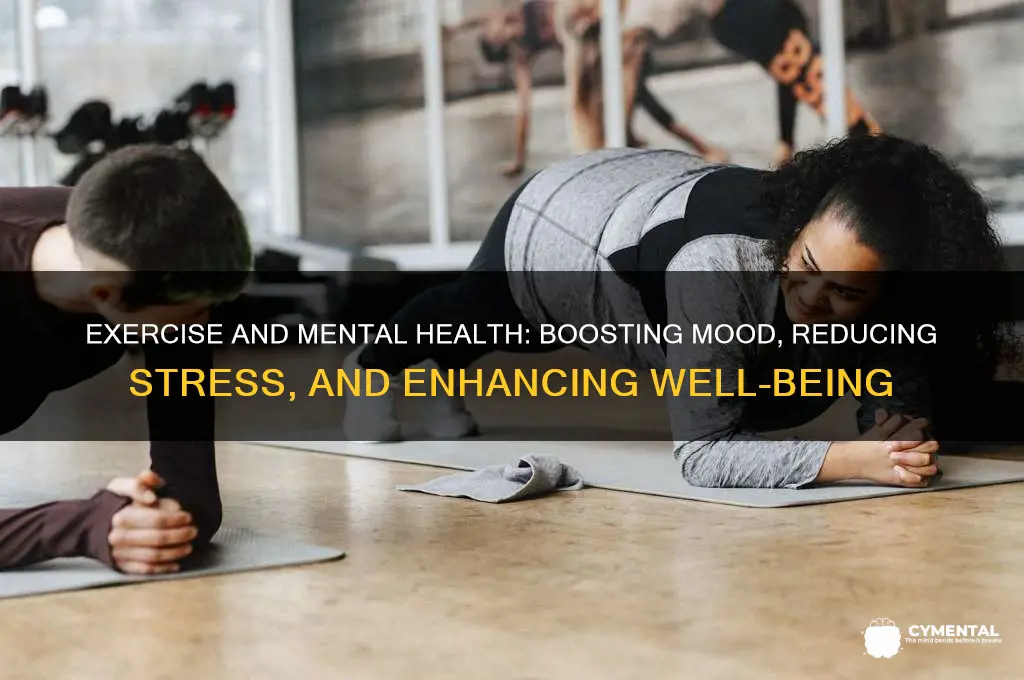
Exercise plays a pivotal role in enhancing mental health by reducing symptoms of anxiety, depression, and stress while promoting overall emotional well-being. Physical activity stimulates the release of endorphins, often referred to as feel-good hormones, which can alleviate mood disorders and create a sense of euphoria. Additionally, exercise improves sleep quality, boosts self-esteem, and fosters a sense of accomplishment, all of which contribute to mental resilience. It also serves as a healthy coping mechanism, providing a distraction from negative thoughts and encouraging mindfulness. Studies have shown that regular exercise can be as effective as medication or therapy for some individuals in managing mild to moderate mental health conditions, making it a powerful tool for both prevention and treatment.
| Characteristics | Values |
|---|---|
| Reduces Stress | Exercise lowers cortisol levels, the body’s stress hormone, promoting relaxation. |
| Alleviates Anxiety | Regular physical activity reduces symptoms of anxiety by boosting mood and calming the mind. |
| Improves Mood | Releases endorphins, neurotransmitters that create feelings of happiness and reduce pain perception. |
| Combats Depression | Acts as a natural antidepressant by increasing brain chemicals like serotonin and dopamine. |
| Enhances Cognitive Function | Improves memory, attention, and problem-solving skills by promoting neuroplasticity and brain health. |
| Boosts Self-Esteem | Achieving fitness goals fosters a sense of accomplishment and improves body image. |
| Reduces Symptoms of ADHD | Increases dopamine, norepinephrine, and serotonin levels, improving focus and reducing impulsivity. |
| Improves Sleep Quality | Regulates sleep patterns by promoting deeper and more restful sleep. |
| Reduces Risk of Cognitive Decline | Regular exercise lowers the risk of dementia and Alzheimer’s disease by improving brain health. |
| Promotes Social Interaction | Group exercises or team sports enhance social connections, reducing feelings of loneliness. |
| Regulates Emotions | Helps manage emotional responses by balancing neurotransmitter levels and reducing emotional reactivity. |
| Increases Resilience | Builds mental toughness and coping mechanisms to handle life’s challenges. |
| Reduces PTSD Symptoms | Exercise can help manage PTSD symptoms by reducing hyperarousal and improving emotional regulation. |
| Enhances Mindfulness | Activities like yoga and tai chi promote present-moment awareness and reduce rumination. |
| Supports Overall Mental Well-being | Combines physical, emotional, and cognitive benefits to foster holistic mental health. |
Explore related products


$10.6 $19.99

$10.88 $15.99


What You'll Learn
- Stress Reduction: Physical activity lowers cortisol, reduces tension, and promotes relaxation
- Mood Enhancement: Exercise boosts endorphins, alleviating symptoms of depression and anxiety
- Cognitive Function: Regular workouts improve memory, focus, and overall brain health
- Sleep Quality: Exercise regulates sleep patterns, aiding in better rest and recovery
- Self-Esteem: Achieving fitness goals fosters confidence and a positive self-image

Stress Reduction: Physical activity lowers cortisol, reduces tension, and promotes relaxation
Stress is an inevitable part of life, but its management is where many falter. Physical activity serves as a potent antidote, directly targeting the body’s stress response by lowering cortisol levels, the hormone synonymous with tension. Studies show that even moderate exercise, such as a 30-minute brisk walk or 20 minutes of cycling, can significantly reduce cortisol production. This biochemical shift is not just theoretical; it translates into tangible feelings of calm and control. For instance, a 2018 study published in *The Lancet Psychiatry* found that individuals who exercised regularly reported 43% fewer days of poor mental health compared to those who did not.
To harness this benefit, consistency is key. Aim for at least 150 minutes of moderate-intensity aerobic exercise weekly, as recommended by the World Health Organization. This can be broken into manageable chunks—30 minutes a day, five days a week. For those short on time, high-intensity interval training (HIIT) offers a condensed alternative, proven to yield similar stress-reducing effects in as little as 15 minutes per session. However, it’s not just about intensity; activities like yoga or tai chi, which combine movement with mindfulness, can further amplify relaxation by integrating breath control and meditation.
Age and fitness level should dictate the approach. Younger adults might benefit from dynamic workouts like running or team sports, which double as social outlets, reducing stress through connection. Older adults or those with physical limitations can turn to low-impact options like swimming or walking, which are equally effective in lowering cortisol. The goal is not to achieve peak performance but to engage in movement that feels sustainable and enjoyable.
Practical tips can enhance the stress-reducing effects of exercise. Schedule workouts during peak stress times—for example, a midday walk to break up a hectic workday. Incorporate nature into your routine; a study in *Ecopsychology* found that outdoor exercise reduces cortisol levels more effectively than indoor workouts. Finally, track progress not just through physical changes but by noting shifts in mood and tension levels. Over time, the cumulative effect of regular physical activity can transform stress from an overwhelming force into a manageable aspect of daily life.
Seeking Support: How to Access Mental Health Hotlines Effectively
You may want to see also
Explore related products

$8.44 $14.99

$6.99 $10.99

$16.38 $18.99


Mood Enhancement: Exercise boosts endorphins, alleviating symptoms of depression and anxiety
Exercise acts as a natural antidepressant, harnessing the body’s chemistry to combat mood disorders. When you engage in physical activity, your brain releases endorphins, often referred to as "feel-good" hormones. These neurochemicals interact with receptors in your brain to reduce pain perception and trigger positive feelings. For instance, a 30-minute brisk walk or jog can elevate endorphin levels, providing immediate relief from symptoms of depression and anxiety. This biochemical response is why many people report feeling more optimistic and less stressed after a workout.
Consider the practical application of this mechanism. Studies suggest that moderate-intensity exercise, such as cycling or swimming for 150 minutes per week, can significantly improve mood in individuals with mild to moderate depression. For those with anxiety, even shorter durations—like 20–30 minutes of daily aerobic exercise—can reduce symptoms by promoting relaxation and reducing cortisol, the stress hormone. Consistency is key; incorporating exercise into a daily or weekly routine maximizes its mood-enhancing benefits.
A comparative analysis reveals that exercise rivals some pharmaceutical interventions in efficacy for mood disorders. A 2018 meta-analysis published in *JAMA Psychiatry* found that physical activity interventions were 1.5 times more effective than counseling or medication in reducing symptoms of depression. Unlike medication, exercise has no side effects and offers additional benefits like improved cardiovascular health and weight management. This makes it an appealing option for individuals seeking holistic mental health solutions.
To optimize mood enhancement through exercise, tailor activities to personal preferences and fitness levels. High-intensity interval training (HIIT) can provide rapid endorphin release, while yoga or tai chi combines physical movement with mindfulness, offering dual benefits for mood and stress reduction. Group exercises, such as team sports or fitness classes, add a social component, which further boosts mental well-being. Start small—even 10 minutes of activity can yield noticeable mood improvements—and gradually increase intensity and duration.
Incorporating exercise into your mental health toolkit requires no expensive equipment or memberships. Simple activities like dancing, gardening, or taking the stairs can contribute to endorphin production. For older adults or those with physical limitations, low-impact exercises like walking or water aerobics are equally effective. The goal is to move consistently, leveraging the body’s natural ability to heal the mind. By prioritizing exercise, you can harness its power to alleviate depression and anxiety, fostering a more resilient and positive mental state.
Green Tea's Impact on Mental Health: Benefits and Scientific Insights
You may want to see also
Explore related products

$8.5 $19.99

$9.43 $15.99



Cognitive Function: Regular workouts improve memory, focus, and overall brain health
Exercise isn't just about building muscles or shedding pounds; it's a powerful tool for sharpening your mind. Numerous studies have shown that regular physical activity significantly enhances cognitive function, particularly in the areas of memory, focus, and overall brain health. This isn't merely anecdotal evidence – it's backed by robust scientific research.
A study published in the *British Journal of Sports Medicine* found that individuals who engaged in regular aerobic exercise, such as brisk walking, swimming, or cycling, experienced improved cognitive performance across various domains. Participants demonstrated better memory recall, enhanced attention span, and faster information processing speeds compared to those leading sedentary lifestyles.
Imagine your brain as a muscle. Just like your biceps benefit from regular workouts, your brain thrives on the increased blood flow and oxygen delivery that exercise provides. This boost in circulation stimulates the production of neurotrophic factors, proteins that promote the growth and survival of neurons. One key player is Brain-Derived Neurotrophic Factor (BDNF), which plays a crucial role in learning, memory, and overall brain plasticity. Think of BDNF as fertilizer for your brain cells, encouraging them to grow stronger connections and form new pathways.
Research suggests that even moderate-intensity exercise, such as a 30-minute brisk walk five times a week, can significantly increase BDNF levels. This means that incorporating regular exercise into your routine doesn't have to be daunting. Start small, gradually increasing duration and intensity as you build stamina.
The benefits of exercise on cognitive function extend across the lifespan. For children and adolescents, physical activity is essential for brain development, improving academic performance and cognitive skills. In adults, regular exercise helps combat age-related cognitive decline, reducing the risk of dementia and Alzheimer's disease. Even in older adults, exercise can improve memory, executive function, and processing speed.
Incorporating exercise into your daily routine doesn't require a gym membership or fancy equipment. Simple activities like walking, cycling, dancing, or even gardening can make a significant difference. The key is consistency. Aim for at least 150 minutes of moderate-intensity aerobic activity or 75 minutes of vigorous-intensity activity per week, as recommended by the World Health Organization. Remember, every step counts towards a sharper mind and a healthier brain.
Massage Therapy: A Powerful Tool for Mental Health and Wellness
You may want to see also
Explore related products


Sleep Quality: Exercise regulates sleep patterns, aiding in better rest and recovery
Quality sleep is the cornerstone of mental resilience, yet many overlook the role of physical activity in achieving it. Exercise acts as a natural regulator of the body’s internal clock, synchronizing circadian rhythms to promote deeper, more restorative sleep. Studies show that moderate aerobic exercise, such as brisk walking or cycling for 30 minutes daily, can improve sleep quality by up to 65%. This isn’t about exhaustive workouts; consistency matters more than intensity. For instance, a 10-minute evening yoga routine can signal to your body that it’s time to wind down, reducing the time it takes to fall asleep by 12 minutes on average.
Consider the mechanism: exercise increases body temperature, which then drops post-workout, mimicking the natural temperature decline that occurs during sleep onset. This physiological cue helps regulate melatonin production, the hormone responsible for sleep-wake cycles. However, timing is critical. Vigorous exercise within 2 hours of bedtime can be counterproductive, as it may elevate cortisol levels, making it harder to relax. Aim for morning or afternoon sessions to maximize benefits without disrupting your evening routine.
For older adults, exercise becomes even more vital. Age-related sleep disturbances, such as fragmented sleep or early awakenings, can be mitigated with low-impact activities like swimming or tai chi. A study published in *Sleep Medicine Reviews* found that seniors who engaged in 150 minutes of moderate exercise weekly experienced a 40% reduction in insomnia symptoms. Younger individuals, particularly those with anxiety or depression, can also benefit. Physical activity reduces hyperarousal, a common barrier to sleep in mental health conditions, by lowering stress hormones and promoting relaxation.
Practical tips can amplify these effects. Incorporate natural light exposure during morning workouts to reinforce circadian rhythms. Avoid screens post-exercise, as blue light can counteract the calming effects of physical activity. For those with busy schedules, breaking exercise into 10-minute intervals throughout the day still yields sleep benefits. Pairing exercise with a consistent bedtime routine—like reading or meditation—further enhances its impact on sleep quality.
In essence, exercise isn’t just about physical fitness; it’s a tool for recalibrating your sleep architecture. By understanding the interplay between movement and rest, you can harness its power to achieve not just better sleep, but improved mental clarity and emotional stability. Start small, stay consistent, and let exercise become your ally in the quest for restorative sleep.
Hip Hop's Healing Power: Boosting Mental Health Through Rhyme and Rhythm
You may want to see also
Explore related products




Self-Esteem: Achieving fitness goals fosters confidence and a positive self-image
Achieving fitness goals is a powerful catalyst for boosting self-esteem, as it transforms abstract aspirations into tangible accomplishments. When you set a goal—whether it’s running a 5K, lifting a certain weight, or mastering a yoga pose—and then achieve it, your brain registers this as proof of your capability. This process rewires your self-perception, replacing self-doubt with a growing belief in your ability to succeed. For instance, a study published in the *Journal of Health Psychology* found that individuals who consistently met fitness milestones reported higher levels of self-esteem compared to those who did not. The key lies in setting realistic, measurable goals that challenge you without overwhelming you, ensuring each victory builds momentum.
Consider the psychological mechanism at play: every time you push through a workout or surpass a personal record, your brain releases dopamine, a neurotransmitter associated with pleasure and reward. This chemical response reinforces the behavior, making you more likely to repeat it. Over time, this cycle creates a positive feedback loop where physical progress fuels mental confidence. For example, a 30-year-old office worker who starts with 10-minute daily walks and gradually builds up to a 30-minute jog will not only improve cardiovascular health but also experience a surge in self-worth as they witness their endurance grow. The takeaway? Small, consistent steps lead to significant psychological gains.
However, it’s crucial to approach fitness goals with mindfulness to avoid pitfalls. Unrealistic expectations—like aiming to lose 20 pounds in a month—can lead to frustration and self-criticism, undermining self-esteem. Instead, focus on process-oriented goals, such as committing to three strength-training sessions per week, rather than outcome-based ones. Additionally, celebrate non-scale victories, like improved sleep or reduced stress levels, which are equally valid markers of progress. For teens and young adults, who are particularly vulnerable to body image issues, emphasizing performance goals (e.g., increasing pull-up reps) over aesthetic ones can foster a healthier relationship with exercise and self-image.
To maximize the self-esteem benefits of fitness, incorporate variety into your routine. Monotony can lead to boredom and diminished motivation, so mix strength training, cardio, and flexibility work to keep things engaging. For instance, a 45-year-old professional might alternate between HIIT sessions, yoga classes, and weekend hikes to stay motivated and challenged. Tracking progress through a journal or app can also amplify the sense of achievement, providing visual evidence of growth. Remember, the goal isn’t perfection but consistency—each effort, no matter how small, contributes to a stronger sense of self.
In conclusion, achieving fitness goals is more than a physical endeavor; it’s a transformative journey for the mind. By setting realistic goals, celebrating progress, and embracing variety, you can harness exercise as a tool to build unshakable self-esteem. Start today—whether it’s a 15-minute walk or a single push-up—and watch as each milestone becomes a testament to your strength, both inside and out.
Should You Seek Mental Health Help? A Guide to Deciding
You may want to see also
Frequently asked questions
Exercise stimulates the release of endorphins, often called "feel-good" hormones, which can reduce stress and improve mood. It also lowers cortisol levels, a hormone associated with stress, and promotes relaxation.
Yes, regular physical activity can reduce symptoms of anxiety and depression by increasing serotonin and dopamine levels, improving sleep, and providing a sense of accomplishment and distraction from negative thoughts.
Exercise enhances self-esteem by improving physical appearance, fostering a sense of achievement, and increasing self-confidence. It also boosts cognitive function by promoting brain health, improving memory, and reducing the risk of cognitive decline.