Ava Ramirez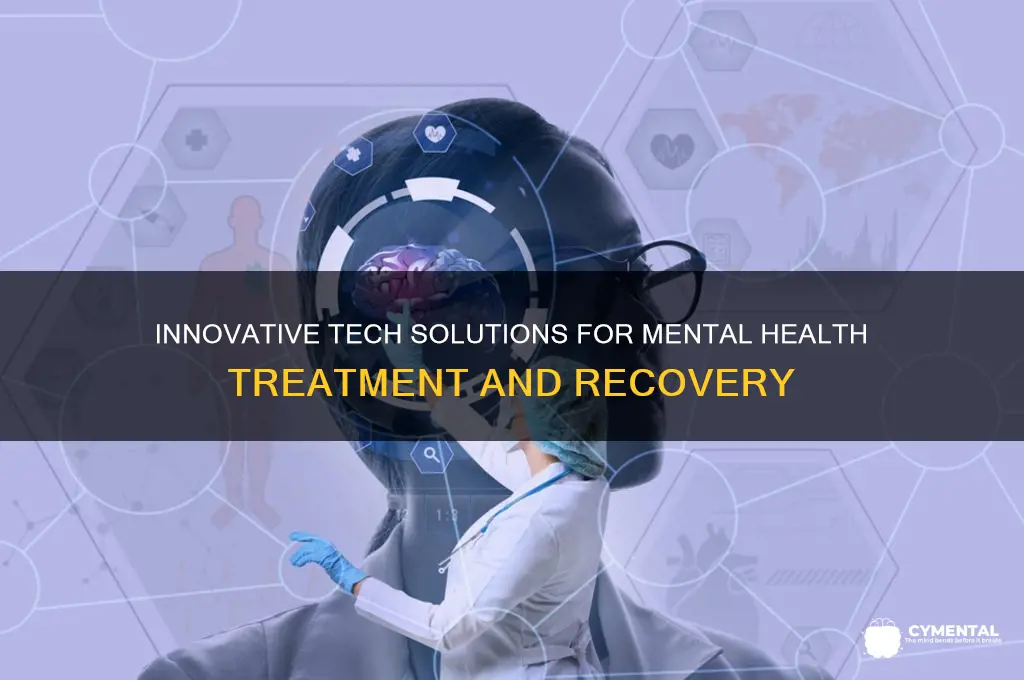
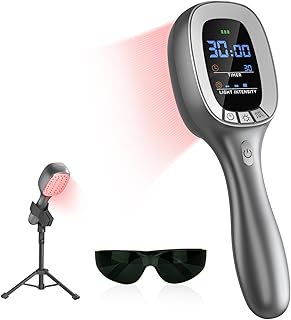
Advancements in technology have opened new avenues for treating mental illness, offering innovative tools that complement traditional therapies. From mobile apps providing cognitive-behavioral therapy (CBT) exercises and mindfulness practices to wearable devices monitoring stress levels and sleep patterns, technology is transforming mental health care. Virtual reality (VR) is being used to create immersive environments for exposure therapy, while artificial intelligence (AI) algorithms analyze data to predict and prevent mental health crises. Teletherapy platforms have made mental health services more accessible, breaking down geographical barriers and reducing stigma. Additionally, biofeedback devices and neurostimulation techniques, such as transcranial magnetic stimulation (TMS), are emerging as effective treatments for conditions like depression and anxiety. Together, these technologies are reshaping the landscape of mental health treatment, offering personalized, accessible, and evidence-based solutions for those in need.
| Characteristics | Values |
|---|---|
| Teletherapy Platforms | Video conferencing tools (e.g., Zoom, Doxy.me) for remote therapy sessions. |
| Mobile Mental Health Apps | Apps like Calm, Headspace, and Moodpath for mindfulness, CBT, and tracking. |
| Artificial Intelligence (AI) | AI chatbots (e.g., Woebot) for cognitive behavioral therapy and support. |
| Virtual Reality (VR) Therapy | VR tools for exposure therapy in treating PTSD, anxiety, and phobias. |
| Wearable Devices | Devices like smartwatches and fitness trackers to monitor stress and sleep. |
| Biofeedback Technology | Tools to monitor physiological responses (e.g., heart rate, skin conductance) for stress management. |
| Online Support Communities | Platforms like 7 Cups and Supportiv for peer-to-peer mental health support. |
| Digital Cognitive Behavioral Therapy (CBT) | Online programs (e.g., SilverCloud, Beating the Blues) for structured therapy. |
| Gamified Mental Health Tools | Games and apps (e.g., SuperBetter) that use gamification to improve mental health. |
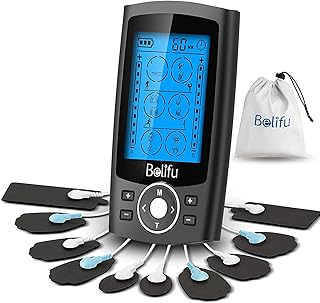
| Neurostimulation Devices | Transcranial Magnetic Stimulation (TMS) and Electroconvulsive Therapy (ECT) for severe depression. |
| Data Analytics and Predictive Modeling | AI-driven tools to analyze patient data and predict mental health risks. |
| Augmented Reality (AR) Therapy | AR applications for phobia treatment and relaxation techniques. |
| Digital Psychiatry Platforms | Platforms like Talkspace and BetterHelp for online psychiatric consultations. |
| Remote Patient Monitoring | Tools to track symptoms and progress remotely for personalized treatment. |
| Blockchain for Data Security | Secure storage and sharing of mental health data using blockchain technology. |
| Chatbots and Virtual Assistants | AI-driven assistants for 24/7 mental health support and resource guidance. |
Explore related products


What You'll Learn

Virtual Reality Therapy
To implement VRT effectively, therapists must first assess the patient’s suitability, as some individuals may experience cybersickness or heightened anxiety. Age is a critical factor; VRT is generally recommended for adolescents and adults, with caution advised for children under 12 due to their developing brains. Once cleared, the therapist designs a tailored program, starting with low-intensity scenarios and progressively increasing complexity. For example, a patient with social anxiety might begin with a virtual coffee shop interaction, practicing small talk before advancing to crowded parties. Practical tips include ensuring the patient is seated comfortably to minimize physical discomfort and providing breaks to prevent mental overload.
Comparatively, VRT offers advantages over traditional therapy methods by providing a standardized, repeatable environment. Unlike real-world exposure, which can be unpredictable, VRT allows therapists to control every variable, from the number of virtual characters to background noise levels. This consistency aids in measuring progress objectively. However, VRT is not without limitations. The cost of equipment and software can be prohibitive, and some patients may find the technology distracting or unrealistic. Despite these challenges, its potential to revolutionize mental health treatment is undeniable, particularly for conditions resistant to conventional approaches.
Persuasively, VRT’s ability to engage patients actively in their treatment sets it apart. By making therapy interactive, it fosters a sense of agency and empowerment, which is crucial for long-term recovery. For instance, a patient with agoraphobia can practice navigating a virtual city, building confidence before attempting real-world outings. This hands-on approach aligns with modern therapeutic trends emphasizing patient participation. As technology advances, VRT is poised to become more accessible, with portable headsets and affordable software already entering the market. For mental health professionals and patients alike, exploring VRT could be a transformative step toward healing.
Supporting Others Quietly: A Guide to Anonymous Mental Health Assistance
You may want to see also
Explore related products



Mobile Mental Health Apps
However, not all mental health apps are created equal, and users must exercise caution when selecting one. Research indicates that only a fraction of available apps are developed with clinical input or rigorously tested for efficacy. Look for apps that are backed by peer-reviewed studies, endorsed by mental health professionals, or listed in reputable directories like the American Psychological Association’s database. For example, Woebot uses natural language processing to deliver CBT-based conversations, and its effectiveness has been validated in randomized controlled trials. Avoid apps that promise quick fixes or lack transparency about their methodologies.
Integrating mobile mental health apps into a treatment plan requires a strategic approach. Start by identifying specific goals, such as reducing anxiety or improving sleep, and choose an app tailored to those needs. Consistency is key; many apps recommend daily engagement, such as 10–20 minutes of mindfulness practice or regular mood logging. For adolescents and young adults, apps like Sanvello offer gamified features to enhance engagement, while older adults may benefit from simpler interfaces like those found in Intellicare. Pairing app use with traditional therapy can maximize benefits, as therapists can analyze app-generated data to inform treatment strategies.
Despite their potential, mobile mental health apps are not a one-size-fits-all solution. They are most effective as adjunctive tools rather than standalone treatments for severe mental health conditions. Individuals experiencing acute symptoms, such as suicidal ideation, should seek immediate professional help. Additionally, privacy concerns are paramount; ensure the app complies with data protection regulations like HIPAA or GDPR to safeguard sensitive information. By combining informed selection, consistent use, and professional oversight, mobile mental health apps can become a valuable component of a comprehensive mental health care strategy.
Boost Your Mental Health: The Role of B Vitamins Explained
You may want to see also
Explore related products





Teletherapy Platforms
While teletherapy platforms offer unparalleled convenience, their effectiveness depends on several factors, including the user’s comfort with technology and the quality of the therapeutic relationship. Research indicates that video-based sessions often yield outcomes comparable to in-person therapy, especially for conditions like anxiety and depression. However, not all therapeutic modalities translate seamlessly to a digital format. For example, art therapy or certain trauma-focused techniques may require physical presence. Users should assess their specific needs and preferences before committing to a teletherapy platform, ensuring the chosen medium aligns with their treatment goals.
One of the most significant advantages of teletherapy platforms is their ability to reduce costs and increase flexibility. Traditional therapy sessions can range from $100 to $250 per hour, whereas online platforms often offer subscription models starting at $60 per week, providing unlimited messaging and one live session. This affordability, combined with the flexibility to schedule sessions outside of standard business hours, makes mental health care more attainable for a broader audience. However, users should verify whether their insurance covers teletherapy services, as coverage varies widely.
Despite their benefits, teletherapy platforms are not without limitations. Technical issues, such as poor internet connection or software glitches, can disrupt sessions and hinder progress. Additionally, the lack of physical presence may make it challenging for therapists to pick up on nonverbal cues, potentially affecting the depth of the therapeutic interaction. To mitigate these risks, users should ensure a stable internet connection, test their equipment beforehand, and communicate openly with their therapist about any concerns. For those with severe mental health conditions, teletherapy may serve as a supplement to, rather than a replacement for, in-person care.
In conclusion, teletherapy platforms represent a transformative tool in the treatment of mental illness, offering accessibility, affordability, and flexibility. While they may not be suitable for every individual or therapeutic approach, their potential to reach underserved populations and reduce barriers to care is undeniable. By understanding their strengths and limitations, users can leverage these platforms effectively, fostering a more inclusive and responsive mental health care system.
Support Groups: A Powerful Tool for Mental Health Recovery
You may want to see also
Explore related products



AI-Powered Chatbots
However, integrating AI chatbots into mental health treatment requires careful consideration of their limitations. While they excel at providing immediate support and psychoeducation, they lack the empathy, intuition, and nuanced understanding of a human therapist. For example, a chatbot may struggle to interpret complex emotional cues or respond appropriately to severe crises, such as suicidal ideation. To mitigate these risks, many platforms include escalation protocols that direct users to emergency services when necessary. Additionally, chatbots should be positioned as complementary tools rather than replacements for professional care, especially for individuals with severe or chronic conditions.
To maximize the benefits of AI-powered chatbots, users should approach them with clear expectations and practical strategies. Start by identifying specific goals, such as managing stress, improving sleep, or tracking mood patterns. Most chatbots offer structured programs or daily check-ins, so consistency is key—aim to engage with the tool for at least 10–15 minutes daily. For adolescents and young adults, who are often early adopters of digital tools, chatbots can serve as a non-intimidating entry point to mental health care. Parents and caregivers can encourage use by framing the chatbot as a "mental health buddy" rather than a diagnostic tool.
From a clinical perspective, mental health professionals can integrate AI chatbots into their practice by recommending them as adjunctive interventions. For instance, a therapist might suggest a client use a chatbot to practice mindfulness exercises between sessions or track progress on specific goals. However, practitioners should ensure clients understand the privacy implications, as data shared with chatbots may not be protected under health privacy laws like HIPAA. Regularly reviewing the chatbot’s interactions with the client can also provide valuable insights into their emotional state and treatment adherence.
In conclusion, AI-powered chatbots represent a promising frontier in mental health technology, offering scalable, stigma-free support to diverse populations. While they are not a panacea, their ability to provide timely interventions and educational resources makes them a valuable addition to the mental health toolkit. By combining their strengths with human oversight and clear user guidance, chatbots can play a transformative role in making mental health care more accessible and effective.
Altruism's Impact: How Helping Others Boosts Your Mental Well-Being
You may want to see also
Explore related products


Wearable Stress Monitors
Consider the case of a 32-year-old professional who uses a Fitbit Sense to monitor HRV. After noticing consistent dips in HRV during late-night work sessions, she adjusted her schedule to include earlier breaks and mindfulness exercises. Over six weeks, her average HRV increased by 15%, correlating with reduced self-reported anxiety levels. This example underscores the actionable nature of wearable data, transforming abstract feelings of stress into measurable, manageable metrics. However, it’s crucial to pair these devices with professional guidance, as misinterpretation of data can lead to unnecessary anxiety.
For optimal use, wearables should be calibrated to individual baselines. A 25-year-old athlete’s stress thresholds will differ from those of a 60-year-old retiree. Most devices require at least two weeks of continuous wear to establish accurate benchmarks. Users should also integrate stress-reduction techniques, such as deep breathing or progressive muscle relaxation, when alerts indicate elevated stress. For instance, the Apple Watch’s Breathe app prompts users to take a minute for guided breathing when HRV drops below personalized thresholds.
Despite their promise, wearable stress monitors are not a panacea. Over-reliance on these devices can foster a hyper-vigilant mindset, where every notification triggers worry. Additionally, false positives—such as stress alerts during intense physical activity—can confuse users. To mitigate this, limit stress tracking to specific times of day, like work hours or before bed, and cross-reference data with subjective mood logs. Combining wearables with therapy, such as cognitive-behavioral techniques, maximizes their effectiveness in treating mental illness.
In conclusion, wearable stress monitors offer a tangible way to bridge the gap between mental health and technology. By translating physiological stress into actionable data, they provide users with the tools to intervene early and prevent chronic stress. However, their success hinges on personalized use, professional oversight, and integration with holistic wellness strategies. As these devices evolve, they hold the potential to revolutionize how we approach mental health, one data point at a time.
Supporting Student Well-being: Practical Strategies for Schools to Enhance Mental Health
You may want to see also
Frequently asked questions
Technology such as mobile apps, telemedicine platforms, wearable devices, virtual reality (VR), and artificial intelligence (AI) can assist in treating mental illness by providing therapy, monitoring symptoms, and offering personalized interventions.
Mobile apps provide accessible tools for mindfulness, cognitive-behavioral therapy (CBT), mood tracking, and stress reduction, allowing users to manage symptoms and access resources anytime, anywhere.
Yes, telemedicine enables remote access to therapists and psychiatrists, making mental health care more convenient and accessible, especially for those in remote or underserved areas.
VR is used in exposure therapy for conditions like PTSD and phobias, creating controlled environments to help patients confront and manage their fears in a safe and immersive way.
Wearable devices like smartwatches and fitness trackers monitor physiological data (e.g., heart rate, sleep patterns) to detect early signs of stress, anxiety, or depression, helping individuals and clinicians track mental health trends.