Noah Parker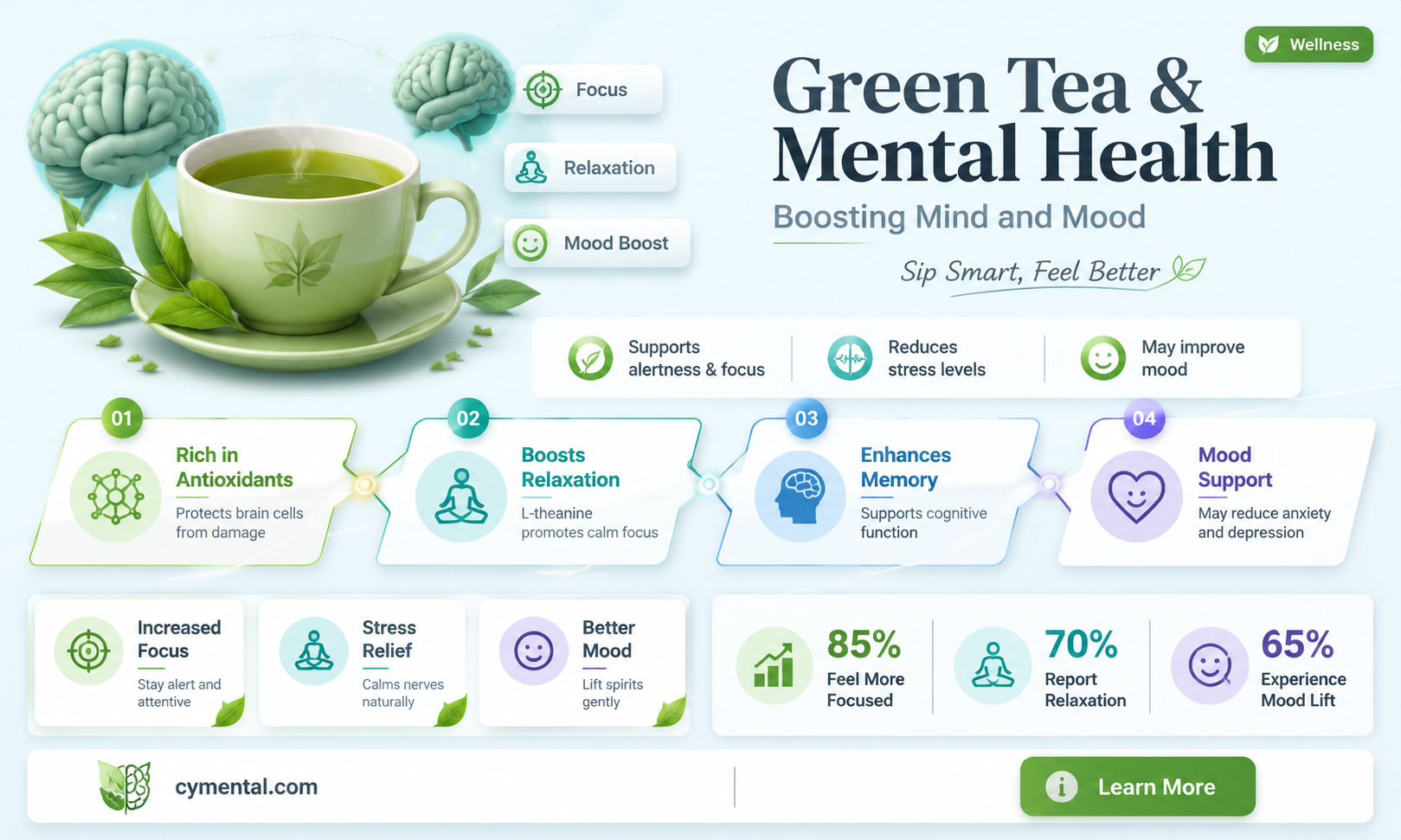
Green tea, a popular beverage known for its rich antioxidant content, has garnered significant attention for its potential benefits on mental health. Derived from the *Camellia sinensis* plant, it contains compounds like L-theanine, an amino acid that promotes relaxation and reduces stress, and caffeine, which enhances focus and alertness. Research suggests that these components may work synergistically to improve mood, reduce anxiety, and support cognitive function. Additionally, the polyphenols in green tea have been linked to neuroprotective effects, potentially lowering the risk of mental health disorders such as depression and dementia. While more studies are needed to fully understand its mechanisms, green tea is increasingly recognized as a natural and accessible tool for supporting mental well-being.
| Characteristics | Values |
|---|---|
| Antioxidant Properties | Green tea contains catechins, particularly epigallocatechin gallate (EGCG), which have potent antioxidant effects. These antioxidants help reduce oxidative stress, which is linked to improved mental health by protecting brain cells from damage. |
| Cognitive Function | Studies suggest green tea may enhance cognitive function, including memory, attention, and processing speed, due to its caffeine and L-theanine content. |
| Stress Reduction | The amino acid L-theanine in green tea promotes relaxation and reduces stress by increasing alpha wave activity in the brain, leading to a calm and focused state without drowsiness. |
| Anxiety Relief | L-theanine in green tea has been shown to reduce symptoms of anxiety by modulating neurotransmitters like GABA, serotonin, and dopamine. |
| Mood Enhancement | Regular consumption of green tea may improve mood by regulating neurotransmitters and reducing inflammation, which is often associated with mood disorders. |
| Depression Management | Some research indicates that the polyphenols in green tea may have antidepressant effects by influencing brain-derived neurotrophic factor (BDNF) and reducing inflammation. |
| Neuroprotective Effects | Green tea’s antioxidants and anti-inflammatory properties may protect against neurodegenerative diseases like Alzheimer’s and Parkinson’s, indirectly supporting mental health. |
| Sleep Quality | Despite containing caffeine, the L-theanine in green tea can promote better sleep quality by reducing anxiety and improving relaxation. |
| Anti-Inflammatory Effects | Chronic inflammation is linked to mental health disorders. Green tea’s anti-inflammatory properties may help mitigate this risk. |
| Limitations | Effects may vary based on individual tolerance, dosage, and existing health conditions. Excessive consumption can lead to side effects like insomnia or digestive issues. |
Explore related products





What You'll Learn

Green tea's impact on reducing anxiety symptoms
Green tea, a staple in many cultures, has long been celebrated for its health benefits, but its potential to alleviate anxiety symptoms is particularly intriguing. Research suggests that the amino acid L-theanine, found abundantly in green tea, plays a pivotal role in promoting relaxation without inducing drowsiness. This compound works by increasing alpha wave activity in the brain, which is associated with a state of calm alertness. For individuals grappling with anxiety, incorporating green tea into their daily routine could offer a natural, accessible way to manage symptoms.
To harness green tea’s anxiety-reducing benefits, consider the timing and dosage. Studies indicate that consuming 200–300 mg of L-theanine, equivalent to 2–3 cups of green tea daily, may be effective. However, brewing time matters—steep the tea for 2–3 minutes in water heated to 160–170°F (70–75°C) to maximize L-theanine extraction while minimizing bitterness. For those sensitive to caffeine, opt for decaffeinated green tea or limit intake to the morning to avoid sleep disruption, as caffeine can exacerbate anxiety in some individuals.
Comparatively, green tea stands out from other beverages like coffee or energy drinks, which often heighten anxiety due to their high caffeine content. While coffee provides a quick energy spike, green tea offers a smoother, sustained sense of calm. Unlike pharmaceutical anxiolytics, which may come with side effects like dependency or drowsiness, green tea is a gentler alternative with minimal risks. This makes it particularly appealing for young adults and older adults seeking natural ways to manage stress and anxiety.
Practical tips can enhance green tea’s effectiveness. Pairing it with mindfulness practices, such as deep breathing or meditation, amplifies its calming effects. Additionally, avoid adding sugar or artificial sweeteners, as they can counteract the health benefits. For those with busy schedules, pre-portioned tea bags or cold-brew green tea can make consistent consumption easier. By integrating these strategies, green tea becomes more than a beverage—it’s a tool for fostering mental well-being.
In conclusion, green tea’s L-theanine content offers a promising, evidence-based approach to reducing anxiety symptoms. Its accessibility, combined with proper brewing techniques and mindful consumption, makes it a practical addition to any anxiety management plan. While it’s not a cure-all, its potential to promote calmness and focus underscores its value in the broader conversation about mental health. For those exploring natural remedies, green tea is a simple yet powerful starting point.
Gym Benefits Beyond Physique: Boosting Mental Health and Well-Being
You may want to see also
Explore related products

$10.99 $11.98


Effects of green tea on improving focus and concentration
Green tea, a staple in many cultures, contains compounds like L-theanine and caffeine that synergize to enhance cognitive functions, particularly focus and concentration. Unlike the jittery energy spike from coffee, the combination of these substances in green tea promotes a steady, sustained alertness. L-theanine, an amino acid, increases alpha wave activity in the brain, fostering a state of calm attentiveness, while caffeine provides a mild stimulant effect without overstimulation. This unique interplay makes green tea a preferred choice for those seeking mental clarity without the side effects of stronger stimulants.
To harness green tea’s focus-enhancing benefits, consider timing and dosage. Consuming 2–3 cups (400–600 mg of L-theanine and 40–80 mg of caffeine) spread throughout the day maximizes its cognitive effects. For instance, a cup in the morning and another mid-afternoon can help maintain consistent mental acuity. Avoid consuming it too close to bedtime, as even moderate caffeine can disrupt sleep, counteracting its daytime benefits. Pairing green tea with a light snack can also improve absorption and sustain energy levels, making it an ideal study or work companion.
While green tea is generally safe, individual responses vary. Those sensitive to caffeine may experience mild side effects like restlessness or insomnia, even at moderate doses. Pregnant or nursing individuals should limit intake to 1–2 cups daily, as excessive caffeine can pose risks. Additionally, green tea can interfere with iron absorption, so avoid pairing it with iron-rich meals. For older adults or those with pre-existing conditions, consulting a healthcare provider ensures safe consumption tailored to specific needs.
Comparatively, green tea stands out among beverages for its dual ability to sharpen focus and reduce anxiety. Unlike energy drinks, which often rely on high sugar and caffeine, green tea’s effects are smoother and longer-lasting. Its minimal calories and natural ingredients also make it a healthier alternative to sugary coffee drinks. For students, professionals, or anyone needing sustained concentration, green tea offers a practical, evidence-backed solution without the drawbacks of synthetic supplements. Incorporating it into daily routines can be a simple yet effective strategy for enhancing mental performance.
Setting Goals: A Powerful Tool for Enhancing Mental Wellness
You may want to see also
Explore related products


Role of green tea in alleviating depression symptoms
Green tea, a staple in many cultures, has been studied for its potential to alleviate symptoms of depression, offering a natural adjunct to traditional treatments. The key lies in its rich composition of antioxidants, particularly epigallocatechin gallate (EGCG), and the amino acid L-theanine. These compounds work synergistically to modulate brain chemistry, reducing oxidative stress and promoting relaxation without sedation. For instance, L-theanine increases alpha wave activity in the brain, fostering a state of calm alertness, while EGCG has been shown to protect neurons from damage, a factor often linked to depressive disorders.
To harness these benefits, consider incorporating 2–3 cups of green tea daily into your routine. Opt for high-quality, loose-leaf varieties to maximize EGCG and L-theanine content. Brewing at 160–170°F (70–75°C) for 2–3 minutes preserves these compounds. Pairing green tea with a balanced diet rich in omega-3 fatty acids and vitamin D can enhance its effects, as these nutrients also support brain health. However, avoid excessive consumption, as the caffeine in green tea may disrupt sleep, a critical factor in managing depression.
A comparative analysis of studies reveals that green tea’s impact on depression is most pronounced in individuals with mild to moderate symptoms. For example, a 2019 study published in *Phytotherapy Research* found that participants who consumed 400 mg of green tea extract daily reported significant reductions in anxiety and depressive symptoms after 8 weeks. While not a replacement for therapy or medication, green tea serves as a complementary tool, particularly for those seeking holistic approaches.
Practical tips for integration include drinking green tea in the morning or early afternoon to avoid caffeine-related sleep disturbances. For those sensitive to caffeine, decaffeinated versions retain much of the beneficial compounds. Additionally, combining green tea with mindfulness practices, such as meditation or journaling, can amplify its calming effects. Always consult a healthcare provider before making significant dietary changes, especially if you’re taking antidepressants or have underlying health conditions.
In conclusion, green tea’s role in alleviating depression symptoms is rooted in its unique biochemical profile, offering a gentle yet effective way to support mental well-being. By understanding its mechanisms and incorporating it thoughtfully, individuals can tap into its potential as part of a broader strategy for managing depression.
Dropping Mental Filters: Unveiling New Perspectives on Everyday Experiences
You may want to see also
Explore related products

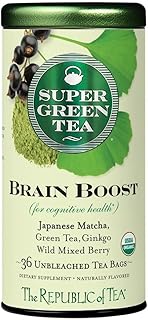


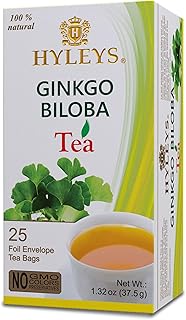

Green tea's influence on stress reduction and relaxation
Green tea, a beverage steeped in centuries of tradition, contains compounds that may significantly influence stress reduction and relaxation. Among these, L-theanine stands out—an amino acid unique to tea leaves that promotes alpha brain wave activity, associated with a state of calm alertness. Unlike the jittery energy often linked to caffeine, L-theanine works synergistically with green tea’s moderate caffeine content to provide a balanced, sustained focus without anxiety. Studies suggest that consuming 200–400 mg of L-theanine, equivalent to 2–3 cups of green tea daily, can measurably reduce cortisol levels, the body’s primary stress hormone.
To maximize green tea’s stress-relieving benefits, consider timing and preparation. Brewing green tea at 160–170°F (70–75°C) for 2–3 minutes preserves L-theanine while extracting beneficial catechins. Avoid boiling water, as it can degrade delicate compounds. Incorporate this ritual into a daily routine, such as during a morning pause or evening wind-down, to signal relaxation to the mind. For those sensitive to caffeine, opt for decaffeinated green tea or limit consumption to early hours to avoid sleep disruption. Pairing tea with mindfulness practices, like deep breathing or meditation, amplifies its calming effects.
Comparatively, green tea offers a natural alternative to synthetic stress relievers, with fewer side effects and long-term health benefits. While herbal teas like chamomile are often recommended for relaxation, green tea’s combination of L-theanine and antioxidants provides both immediate and sustained stress relief. Unlike pharmaceutical options, green tea supports overall well-being by reducing oxidative stress and inflammation, common contributors to chronic stress. However, it’s not a cure-all—individual responses vary, and severe anxiety or stress disorders require professional intervention.
Practical tips for integrating green tea into a stress-reduction regimen include experimenting with varieties like matcha, which contains higher L-theanine levels due to its whole-leaf consumption. For those seeking convenience, L-theanine supplements (50–200 mg) can complement tea intake, though natural sources are preferred. Avoid adding sugar, as it counteracts green tea’s health benefits; instead, use honey or lemon for flavor. Lastly, consistency is key—regular consumption over weeks yields more noticeable results than sporadic use. By treating green tea as a tool in a broader stress management toolkit, individuals can harness its potential for relaxation and resilience.
Clean Spaces, Clear Minds: How Room Organization Impacts Mental Health
You may want to see also
Explore related products




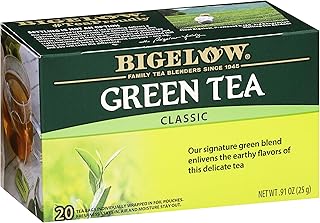

Cognitive benefits of green tea for memory and brain health
Green tea, a staple in many cultures, has long been celebrated for its health benefits, but its impact on cognitive function is particularly intriguing. The key lies in its rich antioxidant content, notably catechins like EGCG (epigallocatechin gallate), which have been shown to protect the brain from oxidative stress and inflammation. Studies suggest that regular consumption of green tea may enhance memory and cognitive performance, particularly in older adults. For instance, a 2014 study published in *Psychopharmacology* found that participants who consumed green tea extract showed increased connectivity in the parietal and frontal cortex, areas of the brain associated with memory processing.
To harness these benefits, consider incorporating 2–3 cups of green tea into your daily routine. For those who prefer a more concentrated dose, green tea supplements containing 200–300 mg of EGCG are available, though consulting a healthcare provider is advisable. Timing matters too; consuming green tea in the morning or early afternoon can maximize its cognitive effects without disrupting sleep, as it contains caffeine. Pairing it with a balanced diet rich in omega-3 fatty acids and regular physical activity can further amplify its brain-boosting potential.
While green tea’s cognitive benefits are promising, it’s essential to approach its consumption mindfully. Excessive intake, particularly of supplements, can lead to side effects like nausea or insomnia. Pregnant or breastfeeding individuals and those with caffeine sensitivities should moderate their intake. Additionally, green tea can interact with certain medications, such as blood thinners, so always consult a healthcare professional before making significant changes to your regimen.
Comparatively, green tea stands out among other beverages for its dual role in promoting both physical and mental health. Unlike coffee, which primarily stimulates alertness, green tea offers a more sustained cognitive boost due to its combination of caffeine and L-theanine, an amino acid that promotes relaxation without drowsiness. This unique synergy not only enhances focus but also reduces anxiety, creating an optimal mental state for memory retention and problem-solving.
Incorporating green tea into your lifestyle doesn’t have to be complicated. Start by replacing one daily beverage with a cup of green tea, gradually increasing to 2–3 cups as tolerated. For variety, experiment with different types, such as matcha or sencha, each offering slightly different flavor profiles and nutrient concentrations. Adding a slice of lemon can enhance the absorption of catechins, making your brew even more effective. Small, consistent changes can lead to significant long-term benefits for your brain health.
Hydration and Clarity: Can Water Clear Mental Fog Effectively?
You may want to see also
Frequently asked questions
Yes, green tea contains L-theanine, an amino acid that promotes relaxation and reduces stress and anxiety by increasing alpha brain waves, which are associated with a calm and focused state.
Green tea contains caffeine and L-theanine, which work together to enhance cognitive function, improve focus, and boost memory. The combination can also increase alertness without the jittery side effects of higher caffeine doses.
Studies suggest that the antioxidants in green tea, particularly epigallocatechin gallate (EGCG), may have neuroprotective effects, reducing the risk of mental health disorders like depression and cognitive decline while supporting overall brain health.