Lucas Bennett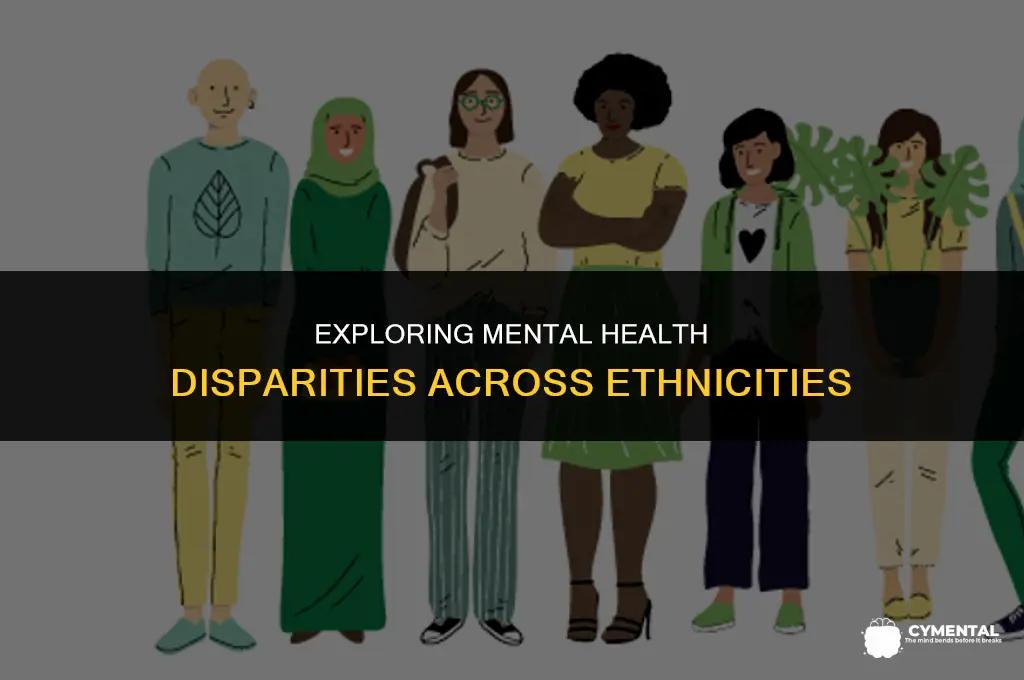
It's important to approach the topic of mental health issues across different ethnicities with sensitivity and an understanding that mental health is a complex issue influenced by a multitude of factors, including but not limited to genetics, environment, socioeconomic status, and access to healthcare. Research indicates that mental health disparities exist among various ethnic groups, with some populations experiencing higher rates of certain mental health conditions. For instance, studies have shown that African Americans and Hispanics often face higher rates of depression and anxiety due to systemic inequalities and barriers to accessing mental health care. Meanwhile, other research suggests that Asian Americans may experience unique mental health challenges related to cultural expectations and stigma surrounding mental illness. It's crucial to recognize that these disparities are not inherent to any particular ethnicity but rather are the result of a complex interplay of social, economic, and cultural factors. Addressing these disparities requires a multifaceted approach that includes increasing access to culturally competent mental health care, reducing stigma, and addressing the root causes of inequality.
Explore related products


$34.15 $35.95


What You'll Learn
- Cultural Stigma: Examines how cultural attitudes towards mental health affect seeking help and diagnosis rates
- Access to Care: Discusses disparities in healthcare access and quality among different ethnic groups
- Socioeconomic Factors: Explores the impact of economic status, education, and employment on mental health across ethnicities
- Trauma and Discrimination: Investigates the role of historical trauma, discrimination, and marginalization in mental health outcomes
- Genetic Predispositions: Considers potential genetic factors that may influence mental health risks in various ethnic populations

Cultural Stigma: Examines how cultural attitudes towards mental health affect seeking help and diagnosis rates
Cultural stigma significantly impacts mental health diagnosis and treatment rates across various ethnicities. Research indicates that certain cultural attitudes towards mental health can lead to underreporting of symptoms and a reluctance to seek professional help. For instance, in some Asian cultures, mental illness is often viewed as a sign of weakness or a lack of self-control, leading individuals to suffer in silence rather than seek assistance. This stigma can result in delayed diagnoses and inadequate treatment, exacerbating mental health issues within these communities.
In contrast, other cultures may have more open attitudes towards mental health, but still face challenges in accessing appropriate care. For example, in many African communities, mental health issues are often addressed through traditional healing practices rather than modern psychiatric services. While these traditional methods can provide some relief, they may not always be sufficient for treating severe mental health conditions. Additionally, the lack of mental health professionals in these areas can further hinder access to necessary care.
The impact of cultural stigma on mental health is further compounded by socioeconomic factors. In many low-income communities, mental health services are underfunded and understaffed, making it difficult for individuals to receive timely and effective treatment. This disparity in access to care can lead to higher rates of untreated mental health issues, particularly among marginalized ethnic groups.
To address these challenges, it is essential to develop culturally sensitive mental health services that take into account the unique beliefs and practices of different ethnic communities. This may involve training mental health professionals in cultural competency, providing education and outreach programs to reduce stigma, and increasing access to affordable mental health care. By taking these steps, we can work towards reducing the disparities in mental health diagnosis and treatment rates across different ethnicities.
Racism and Mental Health: Unraveling the Psychological Roots of Prejudice
You may want to see also
Explore related products


Access to Care: Discusses disparities in healthcare access and quality among different ethnic groups
Healthcare disparities are a pervasive issue affecting various ethnic groups, with significant implications for mental health care. Research indicates that minority populations, including African Americans, Hispanics, and Native Americans, often face barriers in accessing quality mental health services. These barriers can stem from a multitude of factors, such as socioeconomic status, language barriers, cultural differences, and lack of insurance coverage.
For instance, African Americans are more likely to experience mental health issues due to systemic racism and socioeconomic inequalities, yet they are less likely to seek treatment due to mistrust of the healthcare system and stigma associated with mental illness. Similarly, Hispanics may face language barriers that prevent them from effectively communicating their symptoms and needs to healthcare providers. Native Americans, on the other hand, often encounter challenges related to geographic isolation and limited availability of mental health services in their communities.
These disparities in access to care can lead to poorer mental health outcomes for minority populations. Without adequate treatment, mental health conditions can worsen, leading to increased rates of hospitalization, emergency room visits, and even suicide. Furthermore, the lack of culturally competent care can result in misdiagnosis and inappropriate treatment, exacerbating the mental health issues faced by these communities.
Addressing these disparities requires a multifaceted approach that includes increasing the availability of mental health services in minority communities, providing culturally competent care, and addressing the socioeconomic and systemic factors that contribute to these inequalities. By doing so, we can work towards ensuring that all individuals, regardless of their ethnicity, have access to the mental health care they need.
Understanding Gender Identity: Mental Health Perspectives and Societal Implications
You may want to see also
Explore related products


Socioeconomic Factors: Explores the impact of economic status, education, and employment on mental health across ethnicities
Economic disparities significantly influence mental health outcomes across different ethnicities. Research indicates that individuals from lower socioeconomic backgrounds are more likely to experience mental health issues due to increased stress, limited access to healthcare, and fewer resources for coping mechanisms. This trend is observed globally, with marginalized communities facing higher rates of depression, anxiety, and other mental health disorders.
Education plays a crucial role in mitigating these disparities. Higher levels of education are associated with better mental health outcomes, as they often lead to improved employment opportunities, increased income, and enhanced social status. However, access to quality education remains unequal, with systemic barriers preventing many individuals from achieving their full potential. Addressing these educational disparities is essential for promoting mental health equity across ethnicities.
Employment status also has a profound impact on mental health. Unemployed individuals are at a higher risk of developing mental health issues, with the risk increasing the longer they remain jobless. This is particularly concerning for ethnic minorities, who often face discrimination in the job market and are more likely to experience long-term unemployment. Programs aimed at improving employment opportunities and providing support for the unemployed can help reduce the mental health burden on these communities.
Cultural factors further complicate the relationship between socioeconomic status and mental health. Different ethnicities may have varying perceptions of mental health, influenced by their cultural backgrounds and experiences. This can affect help-seeking behaviors and the utilization of mental health services. Culturally sensitive approaches are necessary to ensure that mental health interventions are effective and accessible to diverse populations.
In conclusion, addressing the socioeconomic factors that contribute to mental health disparities requires a multifaceted approach. By improving access to education, promoting employment opportunities, and providing culturally sensitive mental health services, we can work towards reducing the mental health burden on marginalized communities and promoting equity across ethnicities.
Addressing Mental Health Before Abuse: A Crucial Step in Healing
You may want to see also
Trauma and Discrimination: Investigates the role of historical trauma, discrimination, and marginalization in mental health outcomes
Historical trauma, discrimination, and marginalization play profound roles in shaping mental health outcomes across different ethnic groups. The impact of these factors can be seen in the disproportionate rates of mental health issues among marginalized communities. For instance, African Americans and Native Americans have higher rates of depression, anxiety, and post-traumatic stress disorder (PTSD) compared to their white counterparts. This disparity is rooted in the historical context of slavery, colonization, and systemic racism that these groups have endured.
The effects of discrimination are not only psychological but also physiological. Chronic exposure to discrimination can lead to increased stress levels, which in turn can affect physical health. This is evident in the higher rates of hypertension, diabetes, and cardiovascular diseases among ethnic minorities. Moreover, discrimination can limit access to mental health services, leading to underdiagnosis and undertreatment of mental health conditions.
Marginalization further exacerbates these issues by creating a sense of isolation and exclusion. Ethnic groups that are marginalized often face barriers in education, employment, and healthcare, which can contribute to a cycle of poverty and poor health outcomes. For example, LGBTQ+ individuals from ethnic minorities may face double discrimination based on their sexual orientation and race, leading to even higher rates of mental health issues.
Addressing these disparities requires a multifaceted approach that includes policy changes, community interventions, and increased access to culturally competent mental health services. It is crucial to recognize the historical and ongoing impact of trauma and discrimination on mental health and to work towards creating a more equitable and inclusive society. By doing so, we can begin to mitigate the disproportionate burden of mental health issues on marginalized ethnic groups.
Supporting Mental Health: Practical Ways to Help Others Heal and Thrive
You may want to see also
Genetic Predispositions: Considers potential genetic factors that may influence mental health risks in various ethnic populations
Recent studies have begun to unravel the complex interplay between genetics and mental health, revealing that certain ethnic populations may be more susceptible to mental health issues due to their genetic makeup. For instance, research has shown that individuals of African descent may have a higher risk of developing schizophrenia due to specific genetic variations. Similarly, studies have found that Asian populations may be more prone to anxiety disorders and obsessive-compulsive disorder (OCD) due to genetic factors.
One of the key challenges in understanding the genetic basis of mental health issues in different ethnic populations is the lack of diversity in genetic research. Historically, genetic studies have been predominantly conducted on European populations, which has led to a limited understanding of the genetic factors that contribute to mental health issues in other ethnic groups. This has resulted in a significant gap in knowledge, making it difficult to develop targeted interventions and treatments for mental health issues in diverse populations.
Another important consideration is the role of epigenetics in shaping mental health outcomes. Epigenetic changes, which are modifications to DNA that do not alter the underlying genetic sequence, can influence gene expression and have been linked to mental health issues. Environmental factors, such as stress, trauma, and socioeconomic status, can trigger epigenetic changes that may increase the risk of developing mental health disorders. These epigenetic changes can also be passed down through generations, potentially contributing to the higher prevalence of mental health issues in certain ethnic populations.
In addition to genetic and epigenetic factors, it is essential to consider the impact of cultural and social determinants on mental health outcomes. Cultural norms, values, and beliefs can shape an individual's experience of mental health issues and influence their willingness to seek help. Social determinants, such as access to healthcare, education, and employment opportunities, can also play a significant role in mental health outcomes. For example, ethnic populations that face systemic discrimination and marginalization may be more likely to experience mental health issues due to the chronic stress and trauma associated with these experiences.
To address the complex interplay between genetics, epigenetics, culture, and social determinants in mental health, it is crucial to adopt a multidisciplinary approach that integrates insights from genetics, psychology, sociology, and anthropology. This approach will enable researchers to develop a more comprehensive understanding of the factors that contribute to mental health issues in diverse ethnic populations and inform the development of targeted interventions and treatments. By acknowledging the unique genetic and environmental factors that influence mental health outcomes in different ethnic populations, we can work towards reducing health disparities and improving mental health outcomes for all individuals.
Supporting Employees: Compassionate Conversations About Mental Health at Work
You may want to see also
Frequently asked questions
It is not accurate or appropriate to generalize which ethnicity has the most mental health issues, as mental health is influenced by a complex interplay of individual, social, and cultural factors.
Yes, statistics show that certain ethnic groups may experience higher rates of mental health issues due to various factors such as socioeconomic status, access to healthcare, and cultural attitudes towards mental health.
Cultural factors can significantly impact mental health by shaping individuals' perceptions, experiences, and expressions of mental health issues. Different cultures may have varying levels of stigma, support systems, and coping mechanisms that affect mental health outcomes.
Common mental health issues that affect people of all ethnicities include anxiety disorders, depression, bipolar disorder, schizophrenia, and substance use disorders.
Addressing mental health disparities requires a multifaceted approach that includes increasing access to culturally competent mental health services, reducing stigma, promoting mental health awareness and education, and addressing socioeconomic inequalities.