Lucas Bennett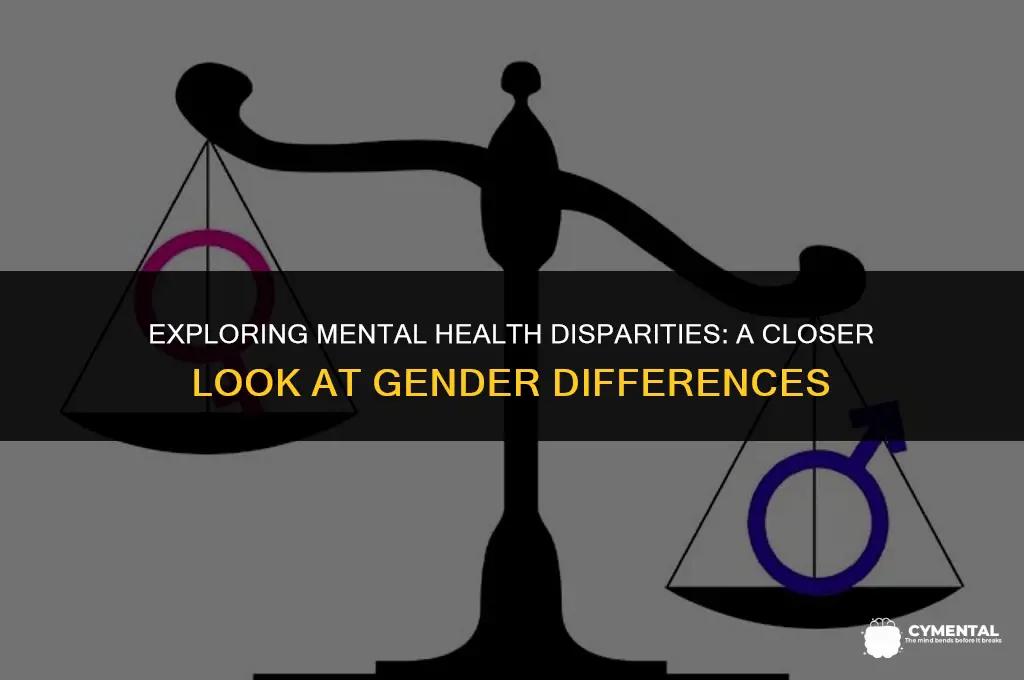
Mental health issues affect individuals of all genders, but research indicates that women tend to experience higher rates of certain mental health conditions compared to men. For instance, studies have consistently shown that women are more likely to be diagnosed with depression and anxiety disorders. This disparity can be attributed to a complex interplay of biological, social, and psychological factors. Hormonal differences, societal expectations, and gender roles may all contribute to the higher prevalence of mental health issues among women. However, it is crucial to recognize that mental health is a multifaceted issue that cannot be simplified to gender alone. Men also face significant mental health challenges, often underreported due to stigma and societal pressures to conform to traditional masculine norms. Understanding these nuances is essential for promoting effective mental health support and interventions for all individuals, regardless of gender.
What You'll Learn
- Gender differences in mental health prevalence: Exploring how common mental health issues are among different genders
- Societal factors influencing mental health: Discussing how societal expectations and roles impact mental health across genders
- Biological factors in mental health: Investigating potential biological differences that may contribute to mental health disparities between genders
- Access to mental health care: Examining how access to mental health services varies for different genders
- Stigma and mental health: Analyzing how stigma affects mental health issues differently among various genders

Gender differences in mental health prevalence: Exploring how common mental health issues are among different genders
Women are more likely to experience mental health issues than men. According to the World Health Organization (WHO), women are twice as likely to experience depression and anxiety disorders compared to men. This gender disparity in mental health prevalence is a complex issue that involves a combination of biological, social, and psychological factors.
One possible explanation for this difference is the varying levels of stress experienced by men and women. Women often face additional stressors related to their roles as caregivers, mothers, and wives, which can contribute to higher rates of anxiety and depression. Additionally, women are more likely to experience trauma, such as sexual assault and domestic violence, which can have long-lasting effects on mental health.
Another factor to consider is the difference in how men and women express and seek help for mental health issues. Men are often socialized to suppress their emotions and may be less likely to seek professional help for mental health concerns. This can lead to underdiagnosis and undertreatment of mental health issues in men.
It is also important to note that mental health issues can manifest differently in men and women. For example, men are more likely to experience substance abuse disorders and antisocial personality disorder, while women are more likely to experience eating disorders and borderline personality disorder.
Understanding these gender differences in mental health prevalence is crucial for developing effective prevention and treatment strategies. By addressing the unique needs and challenges faced by men and women, we can work towards reducing the overall burden of mental health issues and improving outcomes for all individuals.
Bullying and Mental Health: Unraveling the Complex Connection and Impact
You may want to see also
Societal factors influencing mental health: Discussing how societal expectations and roles impact mental health across genders
Societal expectations and roles play a significant role in shaping mental health across genders. These expectations often dictate how individuals should behave, think, and feel based on their gender, which can lead to mental health issues when these norms are internalized or challenged. For instance, women are frequently expected to be nurturing and emotional, while men are often encouraged to be strong and stoic. These rigid gender roles can result in women feeling overwhelmed by caregiving responsibilities and men feeling pressured to suppress their emotions, both of which can negatively impact mental health.
Furthermore, societal expectations can influence the way mental health issues are perceived and addressed within different genders. Women are more likely to seek help for mental health issues, as societal norms often view emotional expression as more acceptable for them. In contrast, men may be less likely to seek help due to the stigma associated with emotional vulnerability. This disparity in help-seeking behavior can lead to untreated mental health issues in men, exacerbating the problem.
In addition to gender roles, societal factors such as economic inequality, discrimination, and violence also contribute to mental health disparities between genders. Women are more likely to experience poverty, discrimination, and violence, which are all risk factors for mental health issues. Men, on the other hand, are more likely to experience substance abuse and engage in risky behaviors, which can also negatively impact mental health.
To address these issues, it is essential to challenge and redefine societal expectations and roles. This can be achieved through education, awareness campaigns, and policy changes that promote gender equality and mental health awareness. By creating a more supportive and inclusive society, we can help reduce the mental health disparities between genders and promote overall well-being.
Recognizing Mental Health Struggles: Signs and Symptoms to Watch For
You may want to see also
Biological factors in mental health: Investigating potential biological differences that may contribute to mental health disparities between genders
Recent research has begun to uncover potential biological differences that may contribute to mental health disparities between genders. One area of investigation is the role of sex hormones, such as estrogen and testosterone, in mental health. Studies have shown that fluctuations in these hormones can affect mood, cognition, and behavior, and may contribute to the higher prevalence of certain mental health conditions in women, such as depression and anxiety.
Another area of interest is the impact of genetic factors on mental health. While the exact genetic mechanisms underlying mental health conditions are still not fully understood, research suggests that certain genetic variations may be more common in one gender than the other, potentially contributing to differences in mental health risk. For example, a recent study found that a specific genetic variant associated with increased risk of schizophrenia was more common in men than in women.
Neuroimaging studies have also provided valuable insights into potential biological differences in mental health between genders. These studies have shown that men and women may have different patterns of brain activity and structure, which could contribute to differences in mental health outcomes. For instance, one study found that women with depression had increased activity in certain brain regions compared to men with depression, suggesting that the neural correlates of depression may differ between genders.
In addition to these biological factors, it is important to consider the complex interplay between biological, psychological, and social factors that contribute to mental health disparities between genders. While biological differences may play a role, they are likely to interact with other factors, such as societal expectations, gender roles, and access to healthcare, to influence mental health outcomes.
Overall, the investigation of potential biological differences in mental health between genders is a complex and multifaceted area of research. While significant progress has been made in recent years, further research is needed to fully understand the biological mechanisms underlying mental health disparities and to develop effective interventions to address these disparities.
Exploring the Roots of Mental Health Challenges in College Life
You may want to see also
Access to mental health care: Examining how access to mental health services varies for different genders
Women are more likely to seek mental health care than men, but they face unique barriers in accessing services. Research shows that women are more likely to experience longer wait times for appointments, higher costs, and less availability of services in their area. Additionally, women may face discrimination and stigma from healthcare providers, leading to a lack of trust and hesitancy to seek care.
Men, on the other hand, are less likely to seek mental health care due to societal expectations of masculinity and a lack of awareness about mental health issues. When men do seek care, they may face challenges in finding providers who specialize in men's mental health or who understand the unique issues that men face. Furthermore, men may be more likely to experience involuntary commitment or hospitalization, which can be traumatic and lead to a reluctance to seek care in the future.
LGBTQ+ individuals face additional barriers in accessing mental health care, including discrimination, lack of provider knowledge about LGBTQ+ issues, and limited availability of services that are affirming and inclusive. Transgender individuals, in particular, may face challenges in finding providers who are knowledgeable about gender-affirming care and who can provide hormone therapy or other necessary treatments.
Rural communities often have limited access to mental health services, with fewer providers and longer wait times. This can be particularly challenging for individuals who do not have reliable transportation or who cannot afford to travel long distances for care. Telehealth services can help bridge this gap, but they may not be accessible to everyone, particularly those with limited internet access or technological literacy.
In conclusion, access to mental health care varies significantly across different genders and communities. Addressing these disparities requires a multifaceted approach that includes increasing provider knowledge and awareness, improving service availability and affordability, and reducing stigma and discrimination. By doing so, we can ensure that all individuals have access to the mental health care they need and deserve.
Nurturing Wellness: Preventing Mental Health Challenges During Pregnancy
You may want to see also
Stigma and mental health: Analyzing how stigma affects mental health issues differently among various genders
Stigma surrounding mental health issues can have a profound impact on individuals, and this impact can vary significantly among different genders. Research indicates that women are more likely to experience mental health issues such as depression and anxiety, while men are more likely to suffer from substance abuse and antisocial personality disorders. However, societal expectations and gender roles often dictate how these issues are perceived and addressed.
For women, the stigma associated with mental health issues can be compounded by traditional gender roles that emphasize emotional stability and caretaking. Women may be more likely to internalize their struggles and seek help, but they may also face judgment and criticism for not being able to manage their emotions or fulfill their roles as mothers and wives. This can lead to a cycle of shame and silence, making it difficult for women to access the support and resources they need.
In contrast, men may be less likely to seek help for mental health issues due to societal expectations that emphasize strength and stoicism. Men are often socialized to suppress their emotions and may view mental health issues as a sign of weakness. This can lead to a lack of awareness and understanding of mental health issues among men, making it more difficult for them to recognize and address their struggles.
Furthermore, the stigma surrounding mental health issues can also vary among different cultural and ethnic groups. For example, in some cultures, mental health issues may be seen as a spiritual or moral failing, while in others, they may be viewed as a medical condition. These cultural differences can influence how individuals perceive and address mental health issues, and can also impact the availability and accessibility of mental health resources.
To address the impact of stigma on mental health issues, it is important to promote awareness and understanding of these issues among all genders and cultural groups. This can be achieved through education, advocacy, and the sharing of personal stories and experiences. By reducing stigma and promoting a more inclusive and supportive environment, individuals can feel more comfortable seeking help and accessing the resources they need to manage their mental health issues.
Navigating Mental Health Conversations with Your Boss: Tips for Success
You may want to see also
Frequently asked questions
Mental health issues can affect any gender, and it's important to recognize that everyone's experience is unique. However, research suggests that women are more likely to experience certain mental health conditions, such as depression and anxiety, compared to men.
There are various factors that may contribute to the higher prevalence of mental health issues in women, including hormonal differences, social and cultural pressures, and differences in coping mechanisms. It's essential to note that these are general trends and individual experiences can vary widely.
Yes, men are often less likely to seek help for mental health issues due to societal expectations and stigmas surrounding masculinity. This can lead to underreporting and delayed treatment, which may worsen the impact of mental health conditions on men.
Common mental health issues that affect both genders include depression, anxiety, bipolar disorder, schizophrenia, and substance abuse disorders. It's crucial to approach mental health with an understanding that these conditions can impact anyone, regardless of gender.
Reducing the stigma surrounding mental health and gender involves promoting open conversations, challenging harmful stereotypes, and advocating for equal access to mental health resources. By fostering a supportive and non-judgmental environment, we can encourage individuals of all genders to seek help when needed.