Harper Lewis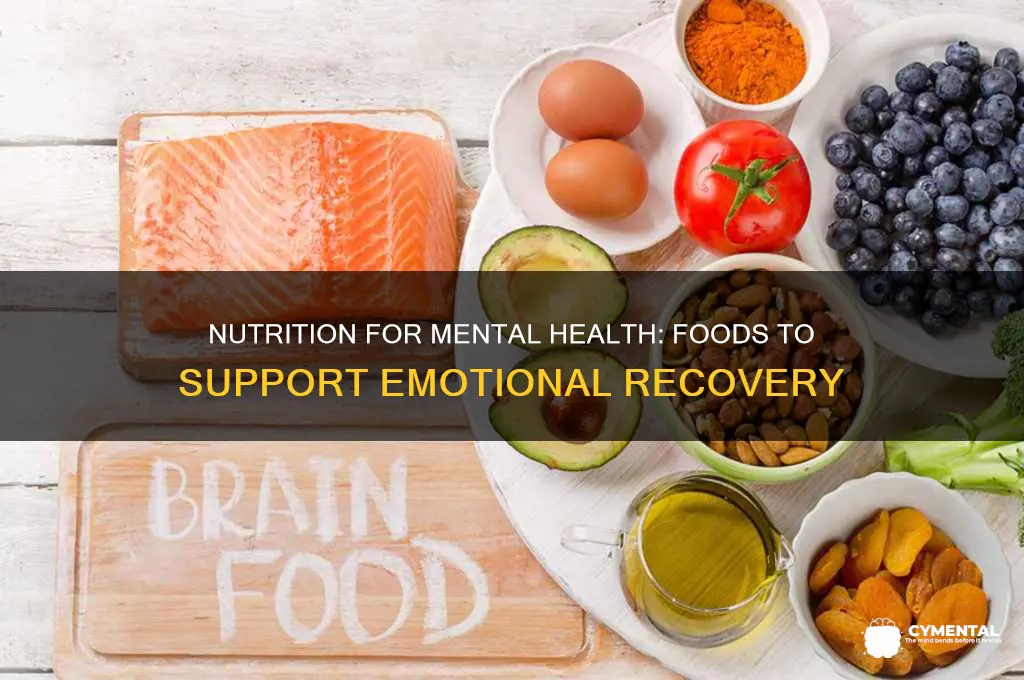
When experiencing a mental breakdown, nutrition can play a supportive role in managing symptoms and promoting overall mental well-being. Foods rich in omega-3 fatty acids, such as salmon, walnuts, and flaxseeds, are known to support brain health and reduce inflammation. Complex carbohydrates like whole grains, fruits, and vegetables help stabilize blood sugar levels, which can prevent mood swings. Additionally, foods high in magnesium, like spinach and almonds, and those containing probiotics, such as yogurt and kefir, can alleviate stress and anxiety. Incorporating these nutrient-dense foods into one’s diet, alongside professional mental health support, can contribute to a holistic approach to recovery.
| Characteristics | Values |
|---|---|
| Omega-3 Fatty Acids | Found in fatty fish (salmon, mackerel, sardines), flaxseeds, walnuts, and chia seeds. Supports brain health and reduces inflammation. |
| Complex Carbohydrates | Whole grains (oats, quinoa, brown rice), fruits, and vegetables. Stabilize blood sugar and boost serotonin production. |
| Antioxidants | Berries (blueberries, strawberries), dark chocolate, spinach, and nuts. Combat oxidative stress and inflammation. |
| Probiotics | Yogurt, kefir, sauerkraut, and kimchi. Support gut health, which is linked to mental well-being. |
| Vitamin D | Fatty fish, egg yolks, fortified foods, and sunlight exposure. Regulates mood and reduces depression symptoms. |
| Magnesium | Leafy greens, nuts, seeds, and whole grains. Helps reduce anxiety and improve sleep quality. |
| Zinc | Pumpkin seeds, legumes, nuts, and whole grains. Supports neurotransmitter function and reduces stress. |
| B Vitamins | Leafy greens, whole grains, eggs, and lean proteins. Essential for brain function and mood regulation. |
| Protein-Rich Foods | Lean meats, eggs, tofu, and legumes. Provide amino acids like tryptophan, which is a precursor to serotonin. |
| Hydration | Water, herbal teas, and electrolyte-rich beverages. Dehydration can worsen mood and cognitive function. |
Explore related products



What You'll Learn
- Omega-3 Rich Foods: Salmon, flaxseeds, walnuts boost brain health, reduce anxiety, and improve mood stability
- Complex Carbohydrates: Whole grains, oats increase serotonin, promoting calmness and emotional balance during stress
- Antioxidant-Packed Foods: Berries, dark chocolate reduce oxidative stress, supporting mental resilience and clarity
- Probiotic Foods: Yogurt, kefir enhance gut-brain connection, reducing symptoms of depression and anxiety
- Magnesium Sources: Spinach, almonds, avocados help regulate stress hormones and improve sleep quality

Omega-3 Rich Foods: Salmon, flaxseeds, walnuts boost brain health, reduce anxiety, and improve mood stability
Omega-3 fatty acids are the unsung heroes in the battle against mental health challenges, particularly in reducing anxiety and stabilizing mood. Found abundantly in salmon, flaxseeds, and walnuts, these essential fats play a critical role in brain function by supporting neuron communication and reducing inflammation. Studies show that individuals with higher omega-3 intake report lower levels of anxiety and depression, making these foods a powerful tool for mental resilience. Incorporating them into your diet isn’t just a trend—it’s a science-backed strategy for emotional well-being.
To harness the benefits of omega-3s, start with practical, measurable steps. Aim for 2–3 servings of fatty fish like salmon per week, providing around 1.5–2 grams of omega-3s per serving. For plant-based options, sprinkle 1–2 tablespoons of ground flaxseeds on yogurt or smoothies daily, or snack on a handful of walnuts (about 14 halves) to get 2.5 grams of omega-3s. If dietary intake is insufficient, consider a high-quality fish oil supplement, targeting 1,000–2,000 mg of combined EPA and DHA daily, especially for those over 30 or with higher stress levels. Consistency is key—these fats accumulate in the brain over time, so make them a long-term staple.
While omega-3s are potent, they’re not a standalone solution. Pair them with a balanced diet rich in antioxidants (berries, spinach) and probiotics (kefir, kimchi) to maximize their impact. Be cautious of mercury in certain fish; opt for wild-caught Alaskan salmon or smaller fish like sardines to minimize risk. For vegetarians, combine flaxseeds with chia seeds or hemp seeds to ensure a complete omega-3 profile, as plant sources provide ALA, which converts less efficiently to EPA and DHA. Always consult a healthcare provider before starting supplements, especially if on blood thinners or managing chronic conditions.
The beauty of omega-3-rich foods lies in their accessibility and versatility. Salmon can be grilled, baked, or added to salads; flaxseeds enhance baked goods or oatmeal; and walnuts make a crunchy topping for soups or desserts. For those short on time, pre-portioned walnut packs or canned salmon are convenient options. By integrating these foods into daily meals, you’re not just eating—you’re actively nurturing your brain’s ability to cope with stress and maintain emotional equilibrium. Small dietary shifts can lead to significant mental health gains, proving that prevention often starts on your plate.
AI's Role in Mental Health: Support, Challenges, and Future Possibilities
You may want to see also
Explore related products


Complex Carbohydrates: Whole grains, oats increase serotonin, promoting calmness and emotional balance during stress
During periods of intense stress or mental breakdown, the body’s serotonin levels often plummet, exacerbating feelings of anxiety and emotional instability. Complex carbohydrates, particularly whole grains and oats, play a pivotal role in counteracting this decline. Unlike simple carbs, which cause rapid spikes and crashes in blood sugar, complex carbs release glucose slowly, providing a steady fuel source for the brain. This gradual release supports the production of serotonin, a neurotransmitter critical for mood regulation and emotional balance. Incorporating these foods into your diet can act as a natural buffer against stress-induced mental strain.
To harness the calming effects of complex carbohydrates, focus on whole, unprocessed sources. Start your day with a bowl of steel-cut oats topped with nuts and seeds, or swap refined bread for whole-grain varieties like quinoa, brown rice, or barley. These foods are rich in fiber, which slows digestion and ensures a consistent supply of glucose to the brain. For optimal results, aim to include at least 3–4 servings of whole grains daily. Pairing these carbs with a source of protein, such as Greek yogurt or eggs, can further stabilize blood sugar levels and enhance serotonin synthesis.
While the benefits of complex carbs are clear, it’s essential to approach their consumption mindfully. Overloading on carbohydrates, even the healthy ones, can lead to weight gain or energy crashes if not balanced with other macronutrients. Additionally, individual responses to dietary changes vary, so monitor how your body reacts. For those with gluten sensitivities or conditions like celiac disease, opt for gluten-free whole grains like buckwheat or amaranth. Consistency is key—incorporate these foods regularly rather than as a one-off solution during moments of crisis.
A comparative look at complex carbs versus other serotonin-boosting strategies reveals their unique advantages. While supplements like 5-HTP or medications may offer quicker relief, they often come with side effects or dependency risks. Complex carbohydrates, on the other hand, provide a sustainable, holistic approach with additional health benefits, such as improved digestion and heart health. They are also more accessible and affordable, making them an ideal first-line defense against stress-related mental imbalances. By prioritizing these foods, you’re not just addressing immediate symptoms but also building long-term resilience.
In practice, integrating complex carbohydrates into your diet doesn’t require drastic changes. Simple swaps, like choosing whole-grain pasta over white or snacking on air-popped popcorn instead of chips, can make a significant difference. For those with busy schedules, overnight oats or pre-cooked quinoa bowls are convenient options. Remember, the goal isn’t perfection but progress. Even small, consistent steps toward incorporating these foods can contribute to a more stable and serene mental state during stressful times.
Art's Healing Power: Boosting Children's Mental Health and Well-being
You may want to see also
Explore related products


Antioxidant-Packed Foods: Berries, dark chocolate reduce oxidative stress, supporting mental resilience and clarity
Oxidative stress, a condition where free radicals outpace the body’s ability to neutralize them, is a silent saboteur of mental health. It damages brain cells, impairs cognitive function, and exacerbates symptoms of anxiety and depression. Enter antioxidant-packed foods like berries and dark chocolate, which act as a frontline defense. Blueberries, strawberries, and raspberries are rich in anthocyanins, while dark chocolate (70% cocoa or higher) contains flavonoids—both potent antioxidants that combat oxidative stress. Incorporating these foods isn’t just a dietary choice; it’s a strategic move to fortify mental resilience and clarity.
To harness their benefits, aim for consistency over quantity. Start with a daily serving of mixed berries (about 1 cup) and a small square of dark chocolate (1 ounce). For those over 50 or with pre-existing mental health conditions, these portions can be split into two smaller servings to aid digestion and maximize absorption. Pairing berries with a source of healthy fat, like Greek yogurt or a handful of nuts, enhances nutrient uptake. Dark chocolate, on the other hand, pairs well with a warm beverage like green tea, which complements its antioxidant profile. Avoid overconsumption, as excessive sugar in sweetened berries or added ingredients in chocolate can negate their benefits.
The science behind these foods is compelling. A 2019 study published in *Nutritional Neuroscience* found that daily blueberry consumption improved cognitive function in older adults within 12 weeks. Similarly, flavonoids in dark chocolate have been linked to increased blood flow to the brain, enhancing focus and mood. For individuals experiencing mental fatigue or emotional overwhelm, these foods offer a dual benefit: they address the biochemical roots of stress while providing a sensory experience that can feel indulgent and comforting. This combination of efficacy and enjoyment makes them a practical addition to any mental health toolkit.
However, it’s crucial to view these foods as part of a broader strategy, not a standalone solution. While antioxidants mitigate oxidative stress, they work best when paired with other lifestyle adjustments, such as regular exercise, adequate sleep, and stress management techniques. For those on medication or with specific dietary restrictions, consulting a healthcare provider ensures these foods align with individual needs. Ultimately, berries and dark chocolate are more than just snacks—they’re allies in the pursuit of mental clarity and resilience, offering a delicious way to nourish both body and mind.
Supporting Your Child’s Mental Health: Practical Steps for Parents
You may want to see also
Explore related products





Probiotic Foods: Yogurt, kefir enhance gut-brain connection, reducing symptoms of depression and anxiety
The gut-brain axis is a bidirectional communication system linking emotional and cognitive centers of the brain with intestinal functions. Probiotic-rich foods like yogurt and kefir introduce beneficial bacteria that modulate this connection, influencing neurotransmitter production and reducing inflammation—key factors in mental health. Studies show that regular consumption of these foods can decrease symptoms of depression and anxiety by up to 25% in adults over 8 weeks, particularly in those with diagnosed mood disorders.
To harness these benefits, incorporate 1–2 servings of probiotic foods daily. Opt for plain, unsweetened yogurt with live cultures (look for labels mentioning *Lactobacillus* or *Bifidobacterium* strains) and traditional kefir, which contains a broader spectrum of probiotics than yogurt. Pair these with prebiotic-rich foods like bananas, garlic, or oats to nourish the beneficial bacteria. Avoid overheating, as temperatures above 115°F (46°C) can kill live cultures, rendering them ineffective.
While probiotic foods are generally safe for all ages, start slowly if you’re new to them—excessive intake can cause bloating or gas in some individuals. For children, choose mild-flavored options like strawberry kefir or Greek yogurt with honey. Adults with severe mental health conditions should view these foods as complementary to therapy or medication, not replacements. Always consult a healthcare provider if symptoms persist or worsen.
The science is clear: probiotic foods are not just digestive aids but powerful allies in mental wellness. Their ability to strengthen the gut-brain connection offers a natural, accessible strategy for managing anxiety and depression. By making yogurt and kefir staples in your diet, you’re not just feeding your gut—you’re nourishing your mind.
Accessing Mental Health Support in Ontario: A Comprehensive Guide
You may want to see also
Explore related products



Magnesium Sources: Spinach, almonds, avocados help regulate stress hormones and improve sleep quality
Magnesium deficiency is linked to heightened anxiety and poor sleep, both of which can exacerbate a mental breakdown. Spinach, almonds, and avocados are rich in this mineral, offering a natural way to replenish levels and support mental health. A single cup of cooked spinach provides 157 mg of magnesium, roughly 37% of the daily value for adults. Almonds, a convenient snack, deliver 80 mg per ounce, while one medium avocado contributes 58 mg. Incorporating these foods into daily meals can help maintain optimal magnesium levels, which is crucial for regulating stress hormones like cortisol and promoting restful sleep.
Consider this practical approach: start your day with a spinach-packed smoothie, snack on a handful of almonds mid-afternoon, and include half an avocado in your salad at dinner. This simple strategy ensures consistent magnesium intake throughout the day. For those with severe deficiencies, a supplement of 200–400 mg daily may be beneficial, but consult a healthcare provider first. Pairing magnesium-rich foods with vitamin D sources, such as fortified milk or sunlight, enhances absorption, as vitamin D improves magnesium utilization in the body.
Comparatively, while magnesium supplements are convenient, whole foods like spinach, almonds, and avocados offer additional nutrients—fiber, healthy fats, and antioxidants—that work synergistically to support overall well-being. For instance, almonds provide vitamin E, which reduces oxidative stress, while avocados supply potassium, essential for heart health. This holistic approach not only addresses magnesium deficiency but also nourishes the body in ways isolated supplements cannot.
A cautionary note: excessive magnesium intake, particularly from supplements, can lead to diarrhea or gastrointestinal discomfort. The upper limit for adults is 350 mg from supplements alone, so prioritize food sources first. For older adults, who may have reduced absorption due to age or medication, combining dietary magnesium with moderate supplementation under medical guidance can be more effective. Pregnant women, who require higher magnesium levels, can safely meet their needs through diet by including these foods regularly.
In conclusion, spinach, almonds, and avocados are powerful allies in managing stress and improving sleep through their magnesium content. By integrating these foods into your diet strategically, you can address deficiencies naturally while reaping additional health benefits. Whether through a morning smoothie, afternoon snack, or evening meal, these magnesium sources offer a practical, nutrient-dense solution to support mental resilience during challenging times.
Hypnosis and Mental Health: Exploring Its Potential as a Therapeutic Tool
You may want to see also
Frequently asked questions
Foods rich in magnesium (e.g., spinach, almonds, and dark chocolate), omega-3 fatty acids (e.g., salmon, flaxseeds, and walnuts), and complex carbohydrates (e.g., whole grains, sweet potatoes) can help stabilize mood and reduce anxiety.
Yes, fruits like bananas (high in potassium and tryptophan), berries (rich in antioxidants), and oranges (high in vitamin C) can help reduce stress and support brain health.
Yes, probiotics found in fermented foods like yogurt, kefir, sauerkraut, and kimchi can improve gut health, which is linked to better mental health and reduced symptoms of depression and anxiety.
Protein-rich foods like eggs, lean meats, legumes, and tofu provide amino acids like tryptophan, which the body uses to produce serotonin, a neurotransmitter that regulates mood and promotes calmness.
Yes, green tea (contains L-theanine, which promotes relaxation), herbal teas (e.g., chamomile or lavender), and water (staying hydrated supports overall brain function) can help manage symptoms of a mental breakdown.