Noah Parker
Emotional and mental health are integral aspects of overall well-being, encompassing the psychological, emotional, and social dimensions that influence an individual's thoughts, feelings, and behaviors. Emotional health refers to the ability to recognize, understand, and manage one's emotions effectively, fostering resilience and adaptability in the face of life's challenges. Mental health, on the other hand, involves the cognitive and psychological processes that enable individuals to function optimally in daily life, including the ability to think clearly, make sound decisions, and maintain healthy relationships. Together, emotional and mental health form the foundation for a fulfilling and meaningful life, allowing individuals to navigate the complexities of their inner worlds and interact positively with the external environment.
| Characteristics | Values |
|---|---|
| Definition | Emotional and mental health refers to the overall well-being of an individual's emotional and psychological state. |
| Importance | It is crucial for daily functioning, relationships, and overall quality of life. |
| Components | Emotional health involves the ability to manage emotions effectively, while mental health encompasses psychological well-being and the absence of mental disorders. |
| Factors Influencing | Genetics, environment, life experiences, social connections, and lifestyle choices can all impact emotional and mental health. |
| Common Disorders | Anxiety, depression, bipolar disorder, schizophrenia, and post-traumatic stress disorder (PTSD) are some common mental health conditions. |
| Symptoms | Symptoms can vary widely but may include persistent sadness, extreme mood swings, excessive worry, fear, and changes in behavior or appetite. |
| Diagnosis | Mental health professionals use various assessments, interviews, and diagnostic criteria to evaluate and diagnose mental health conditions. |
| Treatment Options | Treatment may involve psychotherapy (talk therapy), medication, lifestyle changes, and support groups. |
| Prevention | Strategies to maintain emotional and mental health include regular exercise, healthy eating, adequate sleep, stress management, and seeking social support. |
| Stigma | Despite progress, there is still a stigma surrounding mental health issues, which can prevent individuals from seeking help. |
| Cultural Perspectives | Different cultures may have varying definitions and approaches to emotional and mental health, influenced by societal norms and values. |
| Age-Related Changes | Emotional and mental health can evolve across the lifespan, with different challenges and strengths emerging at various stages. |
| Technology's Role | Technology can provide access to mental health resources, support, and therapy, but it also raises concerns about privacy and the potential for misinformation. |
| Research and Innovation | Ongoing research is essential for understanding the complexities of emotional and mental health and developing effective interventions. |
| Policy and Advocacy | Policies and advocacy efforts are crucial for promoting mental health awareness, reducing stigma, and ensuring access to care. |
Explore related products
$6.79 $14.99


What You'll Learn
- Emotional Well-being: Understanding and managing emotions effectively to maintain a positive outlook
- Mental Health Disorders: Recognizing and treating conditions like depression, anxiety, and bipolar disorder
- Stress Management: Developing strategies to cope with stress and prevent its negative impacts
- Self-care Practices: Engaging in activities that promote physical and emotional health, such as exercise and meditation
- Social Support Systems: Building and maintaining relationships that provide emotional support and enhance mental health

Emotional Well-being: Understanding and managing emotions effectively to maintain a positive outlook
Emotional well-being is a critical component of overall mental health, encompassing the ability to understand, manage, and express emotions in a healthy and adaptive manner. It involves being aware of one's emotional state and having the tools to cope with the challenges and stressors of daily life. A positive outlook is not about ignoring negative emotions but rather about developing resilience and strategies to navigate through them effectively.
One key aspect of emotional well-being is emotional regulation, which refers to the ability to control and manage one's emotions. This can involve techniques such as mindfulness, deep breathing exercises, and cognitive restructuring. Mindfulness, for example, is a practice that helps individuals become more aware of their thoughts and feelings without judgment, allowing them to respond to situations more thoughtfully rather than reactively. Deep breathing exercises can help calm the nervous system and reduce feelings of anxiety or stress. Cognitive restructuring involves identifying and challenging negative thought patterns and replacing them with more positive and realistic ones.
Another important factor in maintaining emotional well-being is social support. Building and maintaining strong relationships with friends, family, and community members can provide a sense of belonging, validation, and emotional support during difficult times. Engaging in social activities, volunteering, or joining support groups can also help foster connections and reduce feelings of isolation or loneliness.
Physical health plays a significant role in emotional well-being as well. Regular exercise, a balanced diet, and adequate sleep are essential for maintaining both physical and mental health. Exercise, for instance, can help reduce symptoms of depression and anxiety by releasing endorphins, which are natural mood elevators. A healthy diet rich in fruits, vegetables, whole grains, and lean proteins can support brain function and overall well-being. Getting enough sleep is crucial for emotional regulation, memory consolidation, and cognitive function.
Lastly, seeking professional help when needed is an important aspect of emotional well-being. Mental health professionals can provide guidance, support, and evidence-based treatments for individuals struggling with emotional or mental health issues. Therapy, counseling, and medication can be effective tools in managing conditions such as depression, anxiety, and stress-related disorders.
In conclusion, emotional well-being involves a combination of self-awareness, emotional regulation, social support, physical health, and professional help when necessary. By understanding and managing emotions effectively, individuals can maintain a positive outlook and improve their overall mental health.
Understanding Mental Health: Is It Considered a Disability?
You may want to see also
Explore related products


Mental Health Disorders: Recognizing and treating conditions like depression, anxiety, and bipolar disorder
Recognizing mental health disorders is the first step towards effective treatment and recovery. Depression, anxiety, and bipolar disorder are among the most common mental health conditions, each with distinct symptoms and treatment approaches. For instance, depression is characterized by persistent feelings of sadness, loss of interest in activities, and changes in appetite and sleep patterns. Anxiety disorders, on the other hand, manifest as excessive worry, fear, and physical symptoms like rapid heartbeat and sweating. Bipolar disorder involves extreme mood swings between mania and depression.
Treatment for these conditions often involves a combination of medication and psychotherapy. Antidepressants, such as selective serotonin reuptake inhibitors (SSRIs), are commonly prescribed for depression, while anxiety disorders may be treated with benzodiazepines or SSRIs. Bipolar disorder typically requires mood stabilizers like lithium or valproate. Psychotherapy, including cognitive-behavioral therapy (CBT) and interpersonal therapy, can help individuals manage symptoms and improve their quality of life.
In addition to professional treatment, there are several self-help strategies that can be beneficial. Regular exercise, a balanced diet, and sufficient sleep are crucial for maintaining mental health. Mindfulness practices, such as meditation and deep breathing exercises, can help reduce stress and anxiety. Building a strong support network of friends and family is also important, as social connections can provide emotional support and reduce feelings of isolation.
It's essential to note that mental health disorders can affect anyone, regardless of age, gender, or background. Early recognition and treatment are key to preventing these conditions from worsening and improving long-term outcomes. If you suspect you or someone you know may be struggling with a mental health disorder, seeking professional help is the first step towards recovery.
In conclusion, mental health disorders like depression, anxiety, and bipolar disorder are serious conditions that require proper recognition and treatment. By understanding the symptoms and available treatment options, individuals can take proactive steps towards managing their mental health and improving their overall well-being.
Overlooked Struggles: The Silent Crisis of Men's Mental Health
You may want to see also
Explore related products


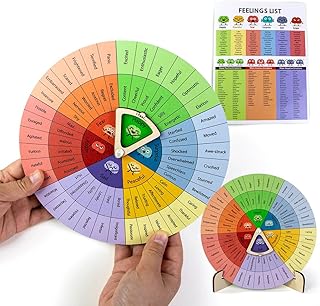

Stress Management: Developing strategies to cope with stress and prevent its negative impacts
Chronic stress can have a profound impact on both emotional and mental health, leading to issues such as anxiety, depression, and even physical ailments. Effective stress management is crucial for maintaining overall well-being. One strategy is to practice mindfulness, which involves being present in the moment and observing thoughts and feelings without judgment. This can be achieved through meditation, deep breathing exercises, or simply taking a few minutes each day to focus on your surroundings.
Another important aspect of stress management is physical activity. Regular exercise can help reduce stress levels by releasing endorphins, which are natural mood-boosters. It's also a great way to take your mind off of stressors and improve your overall health. Aim for at least 30 minutes of moderate-intensity exercise most days of the week.
Time management is another key strategy for coping with stress. Often, feeling overwhelmed can stem from having too many tasks and not enough time to complete them. By prioritizing tasks, setting realistic goals, and learning to say no to non-essential commitments, you can reduce your stress levels and feel more in control.
Social support is also an important factor in stress management. Talking to friends, family, or a mental health professional can help you process your feelings and develop coping strategies. Don't be afraid to reach out for help when you need it.
Finally, it's important to practice self-care. This can include activities such as reading, taking a relaxing bath, or enjoying a hobby. By taking time for yourself, you can recharge and better handle the stresses of daily life.
Remember, stress management is an ongoing process, and it may take some time to find the strategies that work best for you. Be patient, and don't hesitate to seek professional help if you're struggling to cope with stress on your own.
The Impact of IXL on Mental Health: A Comprehensive Analysis
You may want to see also
Explore related products



Self-care Practices: Engaging in activities that promote physical and emotional health, such as exercise and meditation
Engaging in regular physical activity is a cornerstone of self-care practices that promote both physical and emotional health. Exercise has been shown to reduce symptoms of anxiety and depression, improve mood, and enhance overall psychological well-being. Whether it's a brisk walk, a yoga session, or a high-intensity workout, finding an activity that you enjoy and can commit to regularly is key. Aim for at least 30 minutes of moderate-intensity exercise most days of the week to reap the mental health benefits.
Meditation is another powerful tool in the self-care arsenal. By practicing mindfulness and focusing on the present moment, meditation can help reduce stress, increase self-awareness, and improve emotional regulation. Start with just a few minutes a day and gradually increase the duration as you become more comfortable with the practice. There are many guided meditation apps and online resources available to help you get started.
In addition to exercise and meditation, other self-care practices that can promote emotional and mental health include getting enough sleep, eating a balanced diet, and engaging in activities that bring you joy and relaxation. It's important to remember that self-care is not a one-size-fits-all approach; what works for one person may not work for another. Experiment with different activities and find what works best for you.
Self-care is not selfish; it's essential for maintaining your overall health and well-being. By prioritizing your own needs and taking time to engage in activities that promote physical and emotional health, you can become a better version of yourself and improve your ability to cope with life's challenges. Remember, taking care of your mental health is just as important as taking care of your physical health.
In conclusion, self-care practices such as exercise and meditation can have a significant impact on your emotional and mental health. By incorporating these activities into your daily routine, you can improve your mood, reduce stress, and enhance your overall well-being. Don't wait until you're feeling overwhelmed or burnt out to start prioritizing your self-care; make it a regular part of your lifestyle today.
Exploring Mental Health Awareness: A Month-Long Journey
You may want to see also
Explore related products

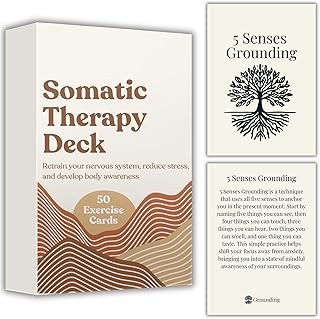


Social Support Systems: Building and maintaining relationships that provide emotional support and enhance mental health
Building and maintaining relationships that provide emotional support is crucial for enhancing mental health. Social support systems act as a buffer against stress, anxiety, and depression, offering a sense of belonging and security. These relationships can include family, friends, colleagues, and community members, each contributing uniquely to an individual's emotional well-being.
To build a robust social support system, it's essential to invest time and effort in nurturing relationships. This involves active listening, empathy, and open communication. Engaging in shared activities and experiences can strengthen bonds and create lasting memories. Additionally, joining clubs, volunteering, or participating in community events can expand one's social circle and provide opportunities for meaningful connections.
Maintaining these relationships requires consistency and reliability. Regular check-ins, whether through phone calls, messages, or in-person meetings, help to reinforce the importance of these connections. It's also vital to be present and supportive during significant life events, both positive and negative, as this demonstrates trust and commitment.
In times of crisis, a strong social support system can be a lifeline. Knowing who to turn to for help and guidance can alleviate feelings of isolation and hopelessness. Furthermore, social support can encourage healthier behaviors, such as regular exercise, balanced eating, and adequate sleep, which are essential for maintaining good mental health.
In conclusion, social support systems play a pivotal role in promoting emotional and mental well-being. By actively building and maintaining relationships, individuals can create a safety net that enhances their resilience and overall quality of life.
Exploring the Fulfilling Path of Mental Health Counseling Careers
You may want to see also
Frequently asked questions
Emotional health refers to a person's ability to manage and express their emotions in a healthy and balanced way. It involves being aware of and understanding one's feelings, and being able to cope with the normal stresses of life without experiencing overwhelming emotional distress.
Mental health is a state of well-being in which an individual realizes his or her own abilities, can cope with the normal stresses of life, can work productively and fruitfully, and is able to make a contribution to his or her community. It encompasses a range of factors, including emotional health, psychological well-being, and the ability to function effectively in daily life.
Emotional and mental health are closely interconnected. Good emotional health is a key component of overall mental health, as it enables individuals to manage their emotions effectively, build strong relationships, and cope with life's challenges. Conversely, poor emotional health can lead to mental health issues such as anxiety, depression, and substance abuse. Maintaining both emotional and mental health is essential for leading a fulfilling and balanced life.