Lucas Bennett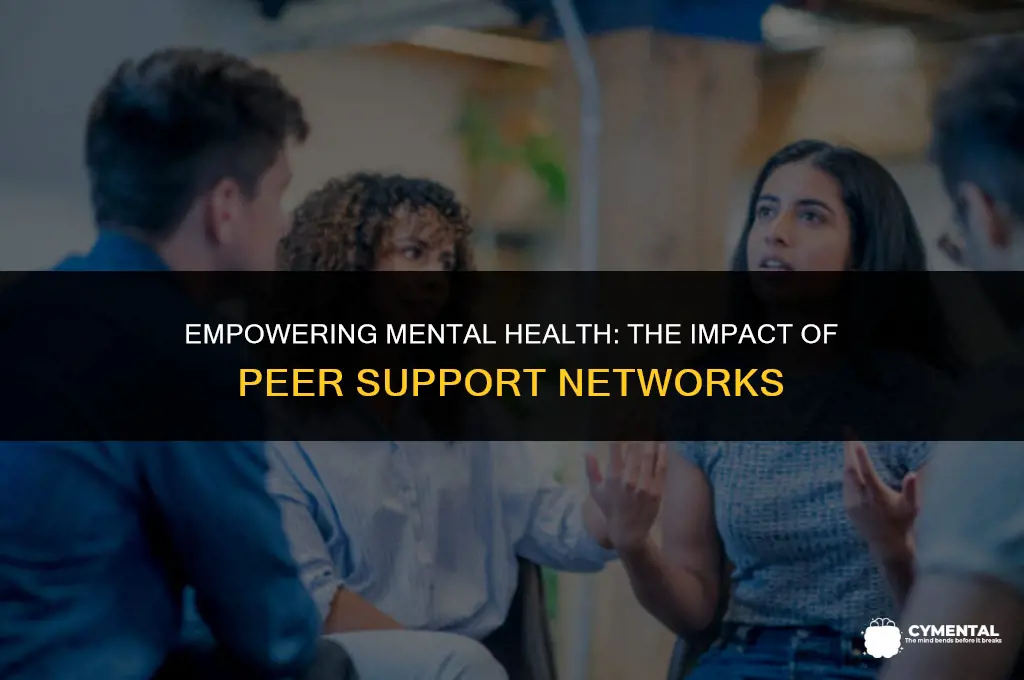
Peer support in mental health refers to the assistance and encouragement that individuals with similar experiences or conditions provide to one another. It is a vital component of mental health care, as it fosters a sense of community, understanding, and shared purpose among those navigating the challenges of mental illness. Peer support can take many forms, including one-on-one conversations, group meetings, online forums, and helplines. By offering a listening ear, empathy, and practical advice, peer supporters can help others feel less isolated and more empowered to manage their symptoms and pursue recovery. Research has shown that peer support can lead to improved mental health outcomes, increased self-esteem, and a greater sense of hope and resilience.
Explore related products


What You'll Learn
- Definition: Peer support in mental health involves individuals with lived experience providing assistance to others
- Benefits: It offers emotional support, reduces stigma, and promotes recovery and resilience
- Types: Peer support can be informal (between friends) or formal (organized groups, peer-led services)
- Training: Peer supporters often undergo training to develop skills in active listening, empathy, and crisis response
- Integration: Peer support is increasingly integrated into mental health services, complementing professional care

Definition: Peer support in mental health involves individuals with lived experience providing assistance to others
Peer support in mental health is a powerful tool that leverages the experiences of individuals who have navigated mental health challenges to assist others facing similar struggles. This approach is grounded in the belief that those with lived experience can offer unique insights, empathy, and practical advice that complement traditional mental health services. By sharing their personal journeys, peer supporters can help reduce stigma, foster a sense of community, and empower others to take control of their mental health.
One of the key strengths of peer support is its ability to bridge gaps in the mental health care system. In many cases, individuals may feel disconnected from their healthcare providers or struggle to find resources that meet their specific needs. Peer supporters can help fill these gaps by providing one-on-one support, facilitating access to resources, and offering guidance on navigating the complexities of the mental health system. This personalized approach can be particularly beneficial for marginalized communities, who may face additional barriers to accessing mental health care.
Peer support can take many forms, including in-person support groups, online forums, and one-on-one mentoring relationships. Each of these formats offers its own unique benefits and challenges. For example, in-person support groups can provide a sense of community and belonging, while online forums offer greater flexibility and accessibility. One-on-one mentoring relationships can provide more personalized support, but may also require a greater commitment of time and resources.
To be effective, peer support programs must prioritize the well-being and empowerment of both the supporters and the individuals they serve. This includes providing training and resources for peer supporters to ensure they are equipped to offer high-quality support, as well as creating a culture of mutual respect and understanding. Additionally, it is important to recognize the potential risks associated with peer support, such as the possibility of emotional burnout or the transmission of harmful advice. By addressing these risks proactively, peer support programs can ensure that they are providing safe and effective support to all participants.
In conclusion, peer support in mental health is a valuable resource that can help individuals navigate the challenges of mental health care. By leveraging the experiences of those with lived experience, peer support programs can provide personalized, empathetic, and practical assistance that complements traditional mental health services. As the mental health landscape continues to evolve, it is essential that we recognize the importance of peer support and work to integrate it more fully into our mental health care systems.
Exploring Mental Health Awareness: June's Significance and Impact
You may want to see also
Explore related products





Benefits: It offers emotional support, reduces stigma, and promotes recovery and resilience
Peer support in mental health provides a multitude of benefits that are essential for individuals navigating their mental wellness journeys. One of the primary advantages is the emotional support it offers. Unlike professional counseling, which can sometimes feel clinical or detached, peer support comes from individuals who have lived experiences similar to those seeking help. This shared understanding fosters a deep sense of connection and empathy, allowing individuals to feel heard, validated, and less isolated in their struggles.
Another significant benefit of peer support is its role in reducing stigma. Mental health stigma can be a pervasive barrier that prevents individuals from seeking help, fearing judgment or ostracization. Peer support groups create safe spaces where individuals can openly discuss their mental health challenges without fear of repercussions. By normalizing these conversations, peer support helps to break down the stigma surrounding mental illness, encouraging more people to seek the help they need.
Peer support also promotes recovery and resilience. When individuals are surrounded by peers who are actively working on their own mental health, it can inspire hope and motivation. Seeing others who have faced similar challenges and are now thriving can be incredibly empowering. Additionally, peer support groups often provide practical advice and coping strategies that have been proven effective by those who have used them. This shared knowledge can be invaluable for individuals looking to develop new skills and techniques to manage their mental health.
In conclusion, the benefits of peer support in mental health are multifaceted. It offers emotional support through shared experiences, reduces stigma by creating safe and non-judgmental spaces, and promotes recovery and resilience by providing hope, motivation, and practical advice. These benefits make peer support an essential component of comprehensive mental health care.
Understanding SI in Mental Health: A Comprehensive Guide
You may want to see also
Explore related products


Types: Peer support can be informal (between friends) or formal (organized groups, peer-led services)
Peer support in mental health can take various forms, each with its unique benefits and applications. Informal peer support, often occurring between friends, family members, or acquaintances, is characterized by its spontaneity and lack of structured guidelines. This type of support can be incredibly valuable, as it fosters a sense of community and belonging, which are essential for mental well-being. Informal support can include listening to someone's concerns, offering advice, or simply being present during difficult times. While it may not always be led by trained professionals, the emotional connection and understanding between peers can provide a powerful therapeutic effect.
On the other hand, formal peer support is more structured and typically involves organized groups or peer-led services. These forms of support are often facilitated by trained peer support specialists who have personal experience with mental health challenges and have received specific training to provide assistance to others. Formal peer support can take place in various settings, such as support groups, online forums, or one-on-one sessions. The structured nature of formal support allows for a more systematic approach to addressing mental health issues, providing individuals with access to resources, information, and coping strategies.
One of the key differences between informal and formal peer support lies in the level of expertise and training involved. While informal support is based on personal relationships and empathy, formal support is grounded in professional training and a deeper understanding of mental health principles. This distinction is important, as it highlights the complementary roles that both types of support can play in an individual's mental health journey. Informal support can provide the initial emotional scaffolding, while formal support can offer more targeted and specialized assistance.
In practice, the most effective peer support often combines elements of both informal and formal approaches. For example, a support group may be led by a trained peer support specialist, but it also relies on the personal connections and shared experiences of its members. Similarly, an online forum may provide access to professional resources, but it also fosters a sense of community among its users. By integrating the strengths of both informal and formal support, individuals can benefit from a more holistic and comprehensive approach to mental health care.
Ultimately, the type of peer support that is most beneficial will depend on the individual's specific needs and circumstances. Some may find comfort and solace in the informal support of friends and family, while others may require the more structured and professional guidance of formal peer support services. Regardless of the form it takes, peer support plays a vital role in promoting mental health and well-being, offering individuals a sense of connection, understanding, and hope during challenging times.
Overlooked Struggles: The Silent Crisis of Men's Mental Health
You may want to see also
Explore related products


Training: Peer supporters often undergo training to develop skills in active listening, empathy, and crisis response
Peer supporters play a vital role in mental health services, and their training is crucial to ensure they can provide effective support. Training programs for peer supporters often focus on developing skills in active listening, empathy, and crisis response. These skills are essential for building trust and rapport with individuals seeking support, and for providing appropriate assistance during times of crisis.
Active listening is a key component of peer support training. It involves fully concentrating on what the other person is saying, understanding their perspective, and responding in a way that shows you have heard and understood them. This skill is important for building trust and rapport, as it helps the individual feel heard and validated. Peer supporters are trained to avoid interrupting, judging, or offering unsolicited advice, and instead focus on reflecting back what the person has said and asking open-ended questions to encourage further discussion.
Empathy is another critical skill that peer supporters must develop. It involves understanding and sharing the feelings of another person, and responding in a way that shows you care about their well-being. Peer supporters are trained to recognize and acknowledge the emotions of the individual, and to respond in a way that is supportive and non-judgmental. This helps to create a safe and supportive environment, where the individual feels comfortable sharing their thoughts and feelings.
Crisis response is also an important aspect of peer support training. Peer supporters must be able to recognize the signs of a crisis, such as suicidal thoughts or behaviors, and respond appropriately. They are trained to remain calm and composed, to listen actively, and to provide support and encouragement. They are also taught how to connect individuals with appropriate resources and services, such as emergency hotlines or mental health professionals.
In addition to these core skills, peer supporters may also receive training in other areas, such as mental health first aid, conflict resolution, and cultural competence. This comprehensive training helps to ensure that peer supporters are well-equipped to provide effective support to individuals from diverse backgrounds and with a range of mental health needs.
Overall, the training that peer supporters undergo is critical to their ability to provide effective support. By developing skills in active listening, empathy, and crisis response, peer supporters can create a safe and supportive environment for individuals seeking help, and connect them with the resources and services they need to recover and thrive.
Empowering Minds: A Guide to Becoming a Mental Health Volunteer
You may want to see also
Explore related products


Integration: Peer support is increasingly integrated into mental health services, complementing professional care
Peer support is becoming an integral part of mental health services, working alongside professional care to provide a more holistic approach to treatment. This integration is based on the understanding that individuals with lived experience of mental health challenges can offer unique insights and support that complement the expertise of mental health professionals. By combining the two, service providers can offer a more comprehensive and effective range of interventions.
One of the key benefits of integrating peer support into mental health services is the increased sense of community and belonging it fosters among service users. Peer support groups and programs create spaces where individuals can connect with others who have similar experiences, reducing feelings of isolation and stigma. This sense of community can be particularly important for individuals who may have difficulty forming relationships or feeling understood by others.
In addition to the social benefits, peer support can also play a crucial role in promoting recovery and resilience. Peer supporters can offer practical advice and strategies for managing symptoms, based on their own experiences and knowledge. They can also provide emotional support and encouragement, helping individuals to stay motivated and engaged in their recovery journey. This can be particularly important for individuals who may be struggling with treatment adherence or who may be experiencing setbacks in their recovery.
The integration of peer support into mental health services also has the potential to improve the overall quality of care. Peer supporters can provide valuable feedback to professionals, helping to identify areas where services could be improved or tailored to better meet the needs of service users. They can also help to bridge gaps in communication between professionals and service users, ensuring that individuals feel heard and understood.
Despite the many benefits of integrating peer support into mental health services, there are also some challenges that need to be addressed. One of the key challenges is ensuring that peer supporters are properly trained and supported in their roles. This includes providing them with the necessary skills and knowledge to offer effective support, as well as ensuring that they have access to supervision and support to manage any difficulties they may encounter.
Another challenge is ensuring that peer support is accessible to all individuals who could benefit from it. This includes addressing issues such as transportation, childcare, and language barriers, as well as ensuring that peer support groups and programs are available in a variety of settings, including rural and remote areas. By addressing these challenges, service providers can ensure that the benefits of peer support are available to all individuals who need it.
Effective Strategies for Marketing Mental Health Services
You may want to see also
Frequently asked questions
Peer support in mental health refers to the assistance and encouragement provided by individuals who have experienced similar mental health challenges. It is a collaborative and non-hierarchical approach where peers share their experiences, knowledge, and coping strategies to help each other in their recovery and wellness journey.
Peer support differs from professional mental health services in that it is provided by individuals who have lived experience with mental health issues, rather than trained professionals. Peer support focuses on shared experiences, empathy, and mutual understanding, whereas professional services often involve diagnosis, treatment, and therapy provided by licensed mental health professionals.
The benefits of peer support in mental health include increased feelings of connection and belonging, improved self-esteem, enhanced coping skills, and a greater sense of empowerment and control over one's mental health. Peer support can also help reduce stigma, provide emotional support, and offer practical advice and resources.
Peer support can complement professional mental health treatment but should not replace it entirely. While peer support can provide valuable emotional and practical assistance, professional treatment often involves evidence-based therapies and interventions that can address underlying mental health conditions more effectively.
There are various ways to find peer support for mental health, including joining local support groups, participating in online forums and communities, attending peer-led workshops and events, and seeking out peer support services offered by mental health organizations. It is essential to find a peer support environment that feels safe, respectful, and supportive of one's individual needs and experiences.