Caleb Wright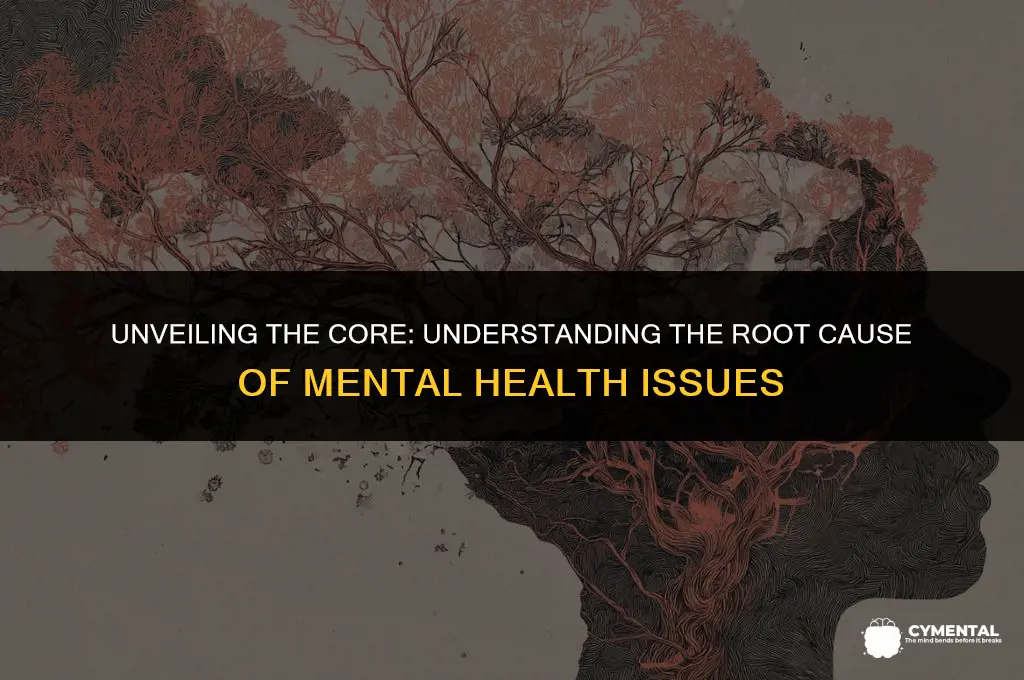
Mental health issues are a complex and multifaceted topic, with various factors contributing to their development. While there is no single root cause, research suggests that a combination of biological, psychological, and environmental factors can lead to mental health challenges. Biological factors such as genetics, brain chemistry, and hormonal imbalances can predispose individuals to certain mental health conditions. Psychological factors, including trauma, stress, and negative thought patterns, can also play a significant role in the development of mental health issues. Additionally, environmental factors such as social isolation, poverty, and exposure to violence or abuse can contribute to mental health problems. Understanding the interplay between these factors is crucial in addressing mental health issues and developing effective treatment strategies.
Explore related products


$13.93 $14.95


What You'll Learn
- Genetic Predisposition: Mental health issues can be inherited, with certain genetic markers increasing the risk of developing conditions like depression or anxiety
- Environmental Factors: Traumatic experiences, chronic stress, and exposure to toxins can contribute to the development of mental health disorders
- Neurochemical Imbalances: Abnormalities in neurotransmitter levels, such as serotonin and dopamine, can play a significant role in mental health issues
- Social and Cultural Influences: Societal pressures, cultural norms, and discrimination can negatively impact mental health, leading to issues like low self-esteem and identity crises
- Lifestyle Choices: Poor diet, lack of exercise, and substance abuse can exacerbate or contribute to the development of mental health problems

Genetic Predisposition: Mental health issues can be inherited, with certain genetic markers increasing the risk of developing conditions like depression or anxiety
Recent studies have identified specific genetic variations that can predispose individuals to mental health conditions such as depression and anxiety. For instance, variations in the serotonin transporter gene (SLC6A4) have been linked to an increased risk of depression, particularly in individuals who have experienced childhood trauma. Similarly, the catechol-O-methyltransferase (COMT) gene has been associated with anxiety disorders, as it plays a role in the regulation of dopamine and norepinephrine, neurotransmitters involved in the body's stress response.
The inheritance of mental health issues is complex and often involves multiple genetic and environmental factors. While having a family history of mental illness can increase one's risk, it does not guarantee the development of a condition. Genetic predisposition acts more as a vulnerability, which can be influenced by various environmental triggers such as stress, trauma, or substance abuse. Understanding one's genetic makeup can provide valuable insights into potential risks and help guide preventative measures or early interventions.
Advancements in genetic testing have made it possible to identify these predispositions with greater accuracy. Companies like 23andMe and AncestryDNA offer genetic health risk reports that can inform individuals about their predisposition to certain mental health conditions. However, it is crucial to interpret these results with caution and consult with a healthcare professional, as genetic testing is not a definitive diagnosis and should not replace traditional mental health assessments.
The implications of genetic predisposition for mental health treatment are significant. Personalized medicine approaches, which take into account an individual's genetic profile, may lead to more effective and targeted treatments. For example, certain antidepressants may work better for individuals with specific genetic variations. Additionally, genetic information can help identify individuals at high risk, allowing for early intervention and potentially preventing the onset of mental health issues.
In conclusion, while genetic predisposition plays a role in the development of mental health issues, it is just one piece of the puzzle. Environmental factors, lifestyle choices, and access to support and resources also significantly impact mental health. By understanding the interplay between genetics and environment, we can work towards a more comprehensive and personalized approach to mental health care.
Supporting Family Mental Health: Effective Advocacy Strategies for Lasting Change
You may want to see also
Explore related products

Environmental Factors: Traumatic experiences, chronic stress, and exposure to toxins can contribute to the development of mental health disorders
Traumatic experiences can significantly impact an individual's mental health, often leading to the development of disorders such as post-traumatic stress disorder (PTSD), anxiety, and depression. These experiences can alter the brain's structure and function, affecting the regulation of emotions and stress responses. For instance, repeated exposure to traumatic events can lead to an overactive amygdala, the brain's fear center, and an underactive prefrontal cortex, which is responsible for executive functions and emotional regulation.
Chronic stress, another environmental factor, can also contribute to mental health issues. Prolonged exposure to stress hormones like cortisol can impair cognitive functions, reduce neurogenesis (the growth of new neurons), and increase the risk of mood disorders. Chronic stress can stem from various sources, including socioeconomic factors, relationship problems, and work-related pressures. It's crucial to manage stress effectively to mitigate its impact on mental health.
Exposure to toxins, such as heavy metals and pesticides, has been linked to an increased risk of mental health disorders. These toxins can interfere with neurotransmitter function, disrupt the blood-brain barrier, and induce oxidative stress, leading to neuronal damage. For example, exposure to lead has been associated with increased aggression, impulsivity, and cognitive deficits, while organophosphate pesticides have been linked to depression and anxiety.
Environmental factors often interact with genetic predispositions to influence the development of mental health disorders. For instance, individuals with a family history of mental illness may be more susceptible to the effects of traumatic experiences, chronic stress, and toxin exposure. Understanding these interactions can help in developing personalized treatment plans and preventive strategies.
In conclusion, environmental factors such as traumatic experiences, chronic stress, and exposure to toxins play a significant role in the development of mental health disorders. Addressing these factors through therapeutic interventions, stress management techniques, and reducing exposure to harmful substances can help in improving mental health outcomes. It's essential to adopt a holistic approach that considers both environmental and genetic factors to provide comprehensive care for individuals struggling with mental health issues.
Understanding Mental Health: A Comprehensive Guide to Common Issues
You may want to see also
Neurochemical Imbalances: Abnormalities in neurotransmitter levels, such as serotonin and dopamine, can play a significant role in mental health issues
Neurotransmitters like serotonin and dopamine are pivotal in regulating mood, behavior, and cognitive functions. When their levels are disrupted, it can lead to a cascade of mental health issues. For instance, low serotonin levels are often linked to depression, anxiety, and sleep disturbances, while abnormalities in dopamine can contribute to conditions like schizophrenia, bipolar disorder, and attention deficit hyperactivity disorder (ADHD).
One of the primary causes of neurochemical imbalances is genetic predisposition. Certain genes can influence how neurotransmitters are produced, released, and reabsorbed in the brain. Environmental factors also play a significant role. Chronic stress, for example, can deplete serotonin levels over time, leading to anxiety and depressive disorders. Similarly, exposure to toxins, poor diet, and lack of exercise can disrupt the delicate balance of neurotransmitters.
Traumatic brain injuries (TBIs) are another critical factor. TBIs can damage the brain's ability to regulate neurotransmitter levels, leading to long-term mental health issues. For example, a study published in the Journal of Neuropsychiatry and Clinical Neurosciences found that individuals who experienced TBIs were at a higher risk of developing depression and anxiety disorders.
Medications can also impact neurotransmitter levels. Antidepressants, such as selective serotonin reuptake inhibitors (SSRIs), work by increasing serotonin levels in the brain. However, long-term use of these medications can lead to dependency and may exacerbate underlying neurochemical imbalances.
Addressing neurochemical imbalances often requires a multifaceted approach. Lifestyle modifications, such as adopting a balanced diet rich in omega-3 fatty acids, engaging in regular exercise, and practicing stress management techniques, can help restore neurotransmitter balance. In some cases, medication may be necessary to correct significant imbalances, but it should be used in conjunction with other therapeutic strategies.
In conclusion, neurochemical imbalances are a complex and multifaceted issue that can significantly impact mental health. By understanding the underlying causes and implementing targeted interventions, individuals can take steps to restore neurotransmitter balance and improve their overall well-being.
Supporting Friends with Mental Health: Compassionate Strategies for Effective Care
You may want to see also
Social and Cultural Influences: Societal pressures, cultural norms, and discrimination can negatively impact mental health, leading to issues like low self-esteem and identity crises
Societal pressures and cultural norms play a significant role in shaping our mental health. From a young age, individuals are bombarded with messages about how they should look, behave, and succeed. These expectations can lead to feelings of inadequacy and low self-esteem when people feel they do not meet these standards. For example, the constant emphasis on physical appearance in media can contribute to body dysmorphia and eating disorders, particularly among adolescents.
Moreover, discrimination based on race, gender, sexual orientation, and other factors can exacerbate mental health issues. When individuals are marginalized or stigmatized, they may experience increased stress, anxiety, and depression. This is further compounded by the lack of access to mental health resources and support systems within these communities. Addressing these social and cultural influences is crucial in promoting better mental health outcomes.
One approach to mitigating these negative impacts is through education and awareness campaigns. By challenging harmful stereotypes and promoting inclusivity, we can create a more supportive environment for individuals struggling with their mental health. Additionally, providing access to culturally competent mental health services can help address the specific needs of diverse communities.
In conclusion, societal pressures, cultural norms, and discrimination are significant contributors to mental health issues. By understanding and addressing these root causes, we can work towards creating a more equitable and supportive society for all individuals.
Pets and Mental Health: How Furry Friends Heal Minds
You may want to see also
Lifestyle Choices: Poor diet, lack of exercise, and substance abuse can exacerbate or contribute to the development of mental health problems
A poor diet can significantly impact mental health by depriving the brain of essential nutrients needed for optimal function. Consuming high amounts of processed foods, sugars, and unhealthy fats can lead to inflammation and oxidative stress, which are linked to various mental health disorders. For instance, a diet lacking in omega-3 fatty acids, found in fish and nuts, has been associated with an increased risk of depression. Conversely, a balanced diet rich in fruits, vegetables, whole grains, and lean proteins can support mental well-being by providing the necessary building blocks for neurotransmitter production and neural repair.
Lack of exercise is another critical lifestyle factor that can exacerbate mental health issues. Regular physical activity has been shown to reduce symptoms of anxiety and depression by promoting the release of endorphins, which are natural mood elevators. Exercise also improves sleep quality, reduces stress, and enhances cognitive function. The World Health Organization recommends at least 150 minutes of moderate-intensity aerobic exercise per week, along with strength training exercises, to maintain overall health and well-being.
Substance abuse, including the misuse of alcohol, drugs, and even certain medications, can have a profound impact on mental health. While substances may provide temporary relief or escape from stress and negative emotions, they can ultimately worsen mental health symptoms and lead to addiction. For example, excessive alcohol consumption can disrupt neurotransmitter balance, leading to increased anxiety and depression. Illicit drugs, such as cocaine and methamphetamine, can cause severe psychological distress, paranoia, and hallucinations. Seeking professional help and support is crucial for individuals struggling with substance abuse to address both the physical and mental health consequences.
In conclusion, lifestyle choices play a significant role in mental health, and addressing poor diet, lack of exercise, and substance abuse can be essential steps in preventing and managing mental health disorders. By adopting healthier habits and seeking support when needed, individuals can improve their overall well-being and reduce the risk of developing mental health issues.
Supporting Refugee Mental Health: Strategies for Inclusive and Compassionate Care
You may want to see also
Frequently asked questions
Mental health issues can arise from a complex interplay of genetic, environmental, and psychological factors. While there is no single root cause, common contributors include biological imbalances, traumatic experiences, chronic stress, and social determinants such as socioeconomic status and access to healthcare.
Genetic factors can predispose individuals to mental health conditions by affecting brain chemistry, structure, and function. Certain genetic variations may increase the risk of developing disorders like depression, anxiety, or schizophrenia, especially when combined with environmental stressors.
Environmental factors, such as childhood trauma, abuse, neglect, and exposure to chronic stress, can significantly impact mental health. Additionally, social determinants like poverty, discrimination, and lack of access to resources can contribute to the development and exacerbation of mental health issues.