Noah Parker
Emerging research suggests that certain micro minerals play a crucial role in managing and treating mental disorders. Among these, zinc, magnesium, and selenium have garnered significant attention for their potential therapeutic effects. Zinc, for instance, is involved in neurotransmitter regulation and neuronal communication, with deficiencies linked to depression and anxiety. Magnesium supports brain function by modulating stress responses and improving sleep quality, which are critical factors in conditions like depression and ADHD. Selenium, an antioxidant, helps reduce oxidative stress and inflammation, both of which are implicated in mood disorders. While these minerals are not standalone treatments, their supplementation, often in conjunction with traditional therapies, shows promise in alleviating symptoms and improving overall mental health outcomes. Further studies are needed to fully understand their mechanisms and optimal dosages.
Explore related products


What You'll Learn

Zinc's Role in Mood Regulation
Zinc, an essential trace mineral, plays a pivotal role in neurological function, influencing neurotransmitter systems that regulate mood and behavior. Studies have shown that zinc deficiency is linked to increased symptoms of depression, anxiety, and irritability. For instance, a 2019 meta-analysis published in *BMC Psychiatry* found that individuals with depression had significantly lower serum zinc levels compared to healthy controls. This mineral acts as a modulator of the brain’s glutamatergic, GABAergic, and monoaminergic systems, which are critical for emotional stability. Ensuring adequate zinc intake may thus serve as a complementary strategy in managing mood disorders, particularly when combined with conventional treatments.
To harness zinc’s mood-regulating benefits, it’s crucial to understand optimal dosage and sources. Adults typically require 8–11 mg of zinc daily, but those with mood disorders may benefit from slightly higher doses under professional guidance. Zinc supplements, such as zinc gluconate or zinc citrate, are available in 15–30 mg formulations, though exceeding 40 mg/day can lead to adverse effects like nausea or copper deficiency. Food sources like oysters (74 mg per 3 ounces), beef (7 mg per 3 ounces), and pumpkin seeds (2.6 mg per ounce) are excellent natural options. Pairing zinc-rich foods with vitamin C-rich foods (e.g., bell peppers or citrus) enhances absorption, maximizing its therapeutic potential.
A comparative analysis of zinc’s role versus other micronutrients highlights its unique position in mood regulation. While magnesium and omega-3 fatty acids are often touted for their calming effects, zinc’s impact on neurotransmitter synthesis and synaptic plasticity sets it apart. For example, zinc is a cofactor for the synthesis of serotonin and dopamine, two neurotransmitters central to mood regulation. In contrast, magnesium primarily acts as an NMDA receptor antagonist, reducing neuronal excitability. This distinction underscores why zinc supplementation may be particularly beneficial for individuals with treatment-resistant depression or anxiety, where neurotransmitter imbalances are pronounced.
Practical tips for incorporating zinc into a mood management regimen include monitoring dietary intake, considering supplementation cautiously, and tracking symptoms over time. For older adults, who are at higher risk of zinc deficiency due to reduced absorption, fortified foods or low-dose supplements may be advisable. Pregnant women should consult a healthcare provider before supplementing, as excessive zinc can harm fetal development. Pairing zinc interventions with lifestyle modifications, such as regular exercise and stress-reduction techniques, can amplify its mood-stabilizing effects. By addressing zinc deficiency proactively, individuals may find a valuable tool in their mental health toolkit.
Unplug to Recharge: Social Media Sabbaticals Boost Mental Well-Being
You may want to see also
Explore related products


Magnesium for Anxiety and Stress Relief
Magnesium, an often-overlooked micromineral, plays a pivotal role in neurological function, making it a promising candidate for managing anxiety and stress. Research indicates that magnesium deficiency is linked to heightened anxiety and stress levels, as it regulates neurotransmitters like GABA, which calm the brain. Studies, such as one published in *Neuropharmacology*, suggest that magnesium supplementation can reduce symptoms of anxiety by promoting relaxation and improving sleep quality. This mineral acts as a natural sedative, helping to quiet the mind and reduce the physical manifestations of stress, such as muscle tension and rapid heartbeat.
Incorporating magnesium into your routine for anxiety relief requires a strategic approach. The recommended daily intake for adults is 310–420 mg, but those with anxiety may benefit from higher doses, typically 200–500 mg of elemental magnesium per day. Magnesium glycinate is often preferred for its calming effects, while magnesium citrate can also aid in relaxation. It’s crucial to start with a lower dose and gradually increase to assess tolerance, as excessive magnesium can cause digestive discomfort. Pairing supplementation with magnesium-rich foods like spinach, almonds, and dark chocolate can further support mental health.
One practical tip for maximizing magnesium’s stress-relieving benefits is to incorporate it into your evening routine. Taking a magnesium supplement 30–60 minutes before bed can improve sleep quality, which is essential for managing anxiety. Additionally, topical magnesium, such as Epsom salt baths or magnesium oil, can be absorbed through the skin, bypassing digestive issues and providing localized muscle relaxation. For those with chronic stress, combining magnesium with mindfulness practices like meditation or deep breathing exercises can enhance its calming effects.
While magnesium shows promise for anxiety and stress relief, it’s not a standalone solution. It works best as part of a holistic approach that includes a balanced diet, regular exercise, and stress management techniques. Individuals with kidney issues or those taking certain medications should consult a healthcare provider before starting magnesium supplementation, as it can interact with drugs like antibiotics or diuretics. Despite these cautions, magnesium’s accessibility and safety profile make it a valuable tool for those seeking natural ways to alleviate mental health symptoms.
In conclusion, magnesium’s role in neurological regulation positions it as a powerful ally in the fight against anxiety and stress. By understanding dosage, forms, and practical applications, individuals can harness its benefits effectively. Whether through diet, supplements, or topical use, magnesium offers a simple yet impactful way to support mental well-being in an increasingly stressful world.
English Usage: Perpetuating Colonial Mentality or Fostering Global Communication?
You may want to see also
Explore related products
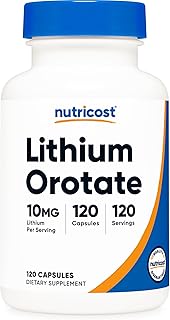
$16.95


Iron Deficiency and Depression Link
Iron deficiency, the most common nutritional disorder worldwide, doesn’t just sap physical energy—it may also dim mental well-being. Research increasingly highlights a bidirectional relationship between low iron levels and depression, particularly in vulnerable populations like women of reproductive age, adolescents, and the elderly. Iron is essential for producing neurotransmitters such as serotonin and dopamine, which regulate mood. When iron stores drop below functional thresholds (serum ferritin < 30 ng/mL), the brain’s ability to synthesize these chemicals falters, potentially triggering depressive symptoms. Studies show that up to 30% of patients with major depressive disorder exhibit iron deficiency, even in the absence of anemia, suggesting a direct link between the two conditions.
Addressing iron deficiency as part of depression treatment isn’t just theoretical—it’s actionable. For individuals with confirmed low iron levels, oral iron supplementation (typically 60–120 mg of elemental iron daily) can improve both physical and mental health outcomes. However, supplementation requires caution. Iron absorption is enhanced when paired with vitamin C-rich foods (e.g., oranges, bell peppers) and inhibited by calcium, tannins (in tea), and phytates (in whole grains). Monitoring serum ferritin levels every 3–6 months ensures efficacy without causing iron overload, a risk for those with conditions like hemochromatosis. For severe deficiencies, intravenous iron therapy may be recommended under medical supervision.
The link between iron and depression isn’t one-size-fits-all. Women with heavy menstrual bleeding, pregnant individuals, and those following restrictive diets are at higher risk and may require proactive screening. Adolescents, whose rapid growth increases iron demands, often overlook this nutrient until symptoms manifest. A practical first step? Incorporate iron-rich foods like spinach, lentils, red meat, and fortified cereals into daily meals. Pairing these with vitamin C sources maximizes absorption, while avoiding tea or coffee with meals minimizes interference. For those already experiencing depressive symptoms, consulting a healthcare provider for iron level testing could reveal a treatable root cause.
While iron supplementation shows promise, it’s not a standalone cure for depression. Its effectiveness is most pronounced in individuals with both depression and iron deficiency. Combining iron therapy with traditional treatments like antidepressants or therapy may yield better outcomes than either approach alone. However, self-diagnosis and supplementation without medical guidance can be risky. Symptoms of iron deficiency (fatigue, pale skin, brittle nails) overlap with those of depression, making professional evaluation critical. The takeaway? Iron isn’t a miracle mineral, but for those with documented deficiencies, replenishing it could be a missing piece in the mental health puzzle.
Does a Mental Health Worker Certificate Boost Your Career?
You may want to see also
Explore related products


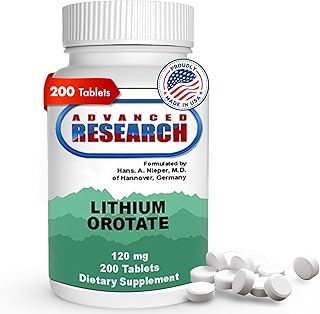

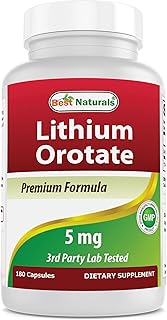

Copper Imbalance and Schizophrenia
Copper, a trace mineral essential for neurological function, has emerged as a focal point in schizophrenia research. Studies suggest that copper imbalance—whether deficiency or excess—may exacerbate symptoms or contribute to the disorder’s onset. For instance, elevated copper levels in the brain have been observed in some individuals with schizophrenia, potentially due to impaired regulation of copper metabolism. Conversely, copper deficiency can disrupt neurotransmitter synthesis, particularly dopamine, which is critically involved in schizophrenia pathology. This dual role of copper highlights its delicate balance in mental health.
Analyzing the mechanism, copper acts as a cofactor for enzymes like dopamine β-hydroxylase, which converts dopamine to norepinephrine. An imbalance in copper levels can lead to dopamine dysregulation, a hallmark of schizophrenia. Research indicates that individuals with schizophrenia often exhibit altered copper-zinc ratios in blood serum, with copper levels either significantly elevated or depleted. This imbalance may stem from genetic predispositions, dietary factors, or environmental exposures, such as heavy metal toxicity or poor nutrition. Understanding these pathways is crucial for targeted interventions.
Practical steps to address copper imbalance include dietary adjustments and supplementation under professional guidance. Foods rich in copper, like nuts, seeds, and shellfish, can help correct deficiencies, but caution is advised to avoid excess. For those with elevated copper levels, reducing intake and incorporating zinc-rich foods (e.g., pumpkin seeds, beef) may help restore balance, as zinc competes with copper for absorption. Supplementation should be precise: studies suggest 2–4 mg of copper daily for deficiencies, but only under medical supervision to prevent toxicity.
A comparative perspective reveals that copper’s role in schizophrenia contrasts with its function in other mental disorders. For example, copper deficiency is more commonly linked to depression and anxiety, while excess is associated with schizophrenia and bipolar disorder. This distinction underscores the need for personalized approaches in mental health treatment. Monitoring copper levels through blood tests and hair mineral analysis can provide actionable insights, allowing for tailored interventions that address the root cause rather than symptoms alone.
In conclusion, copper imbalance is a nuanced yet critical factor in schizophrenia management. By recognizing its dual potential to harm or heal, individuals and clinicians can adopt strategies to optimize copper levels. Whether through diet, supplementation, or environmental modifications, addressing this micro mineral imbalance offers a promising avenue for mitigating schizophrenia symptoms and improving overall mental health.
Nurturing Positive Mental Health: Essential Strategies for Well-Being and Resilience
You may want to see also
Explore related products


Selenium's Impact on Cognitive Function
Selenium, a trace mineral essential for human health, plays a pivotal role in cognitive function by influencing antioxidant defense systems and thyroid hormone metabolism. Studies have shown that selenium deficiency is linked to cognitive decline, particularly in older adults. For instance, a 2017 meta-analysis published in *The American Journal of Clinical Nutrition* found that higher selenium levels were associated with better cognitive performance in elderly populations. This mineral acts as a cofactor for selenoproteins, which protect brain cells from oxidative stress, a key contributor to neurodegenerative diseases like Alzheimer’s.
To harness selenium’s cognitive benefits, it’s crucial to understand optimal intake levels. The Recommended Dietary Allowance (RDA) for adults is 55 micrograms (mcg) per day, though some studies suggest cognitive benefits may arise at slightly higher doses, around 70–100 mcg daily. However, caution is warranted: excessive selenium intake (above 400 mcg/day) can lead to selenosis, a toxic condition causing hair loss, gastrointestinal issues, and neurological symptoms. Practical dietary sources include Brazil nuts (one nut provides ~96 mcg), seafood, eggs, and whole grains, making it easier to achieve adequate levels without supplementation.
Comparatively, selenium’s impact on cognitive function stands out when contrasted with other micronutrients like zinc or magnesium. While magnesium supports synaptic plasticity and zinc aids neurotransmitter function, selenium’s unique role in reducing oxidative damage gives it a distinct edge in preventing age-related cognitive decline. For example, a 2020 study in *Neurobiology of Aging* highlighted that selenium supplementation improved memory and executive function in selenium-deficient individuals more effectively than other antioxidants.
Incorporating selenium into a cognitive health regimen requires a tailored approach. For older adults or those at risk of deficiency (e.g., individuals with gastrointestinal disorders), a daily supplement of 70 mcg may be beneficial, but only under medical supervision. Younger adults can typically meet their needs through diet alone, focusing on selenium-rich foods. Pairing selenium with vitamin E enhances its antioxidant effects, as these nutrients work synergistically to protect brain cells. Regular monitoring of selenium levels through blood tests is advisable for those considering long-term supplementation to avoid toxicity.
Ultimately, selenium’s impact on cognitive function underscores its potential as a preventive measure against mental decline. By balancing intake through diet or targeted supplementation, individuals can support brain health and mitigate risks associated with aging. However, its effectiveness is not universal; factors like genetics, overall diet, and lifestyle also play critical roles. As research evolves, selenium remains a promising yet nuanced tool in the fight against cognitive impairment, warranting careful consideration in personalized health strategies.
Understanding Mental Health Help-Seeking: Barriers, Benefits, and Strategies for Support
You may want to see also
Frequently asked questions
Magnesium is a micro mineral that has been shown to play a crucial role in managing mental disorders such as anxiety, depression, and stress.
Magnesium helps regulate neurotransmitters, reduce inflammation, and support brain function, which can alleviate symptoms of mental disorders like depression and anxiety.
Yes, magnesium is particularly beneficial for conditions like generalized anxiety disorder (GAD), major depressive disorder (MDD), and insomnia, as it promotes relaxation and improves mood.
Foods rich in magnesium include leafy greens (spinach, kale), nuts (almonds, cashews), seeds (pumpkin seeds, chia seeds), whole grains, and legumes.
No, magnesium supplementation should not replace prescribed medications for mental disorders. However, it can be used as a complementary treatment under the guidance of a healthcare professional.