Noah Parker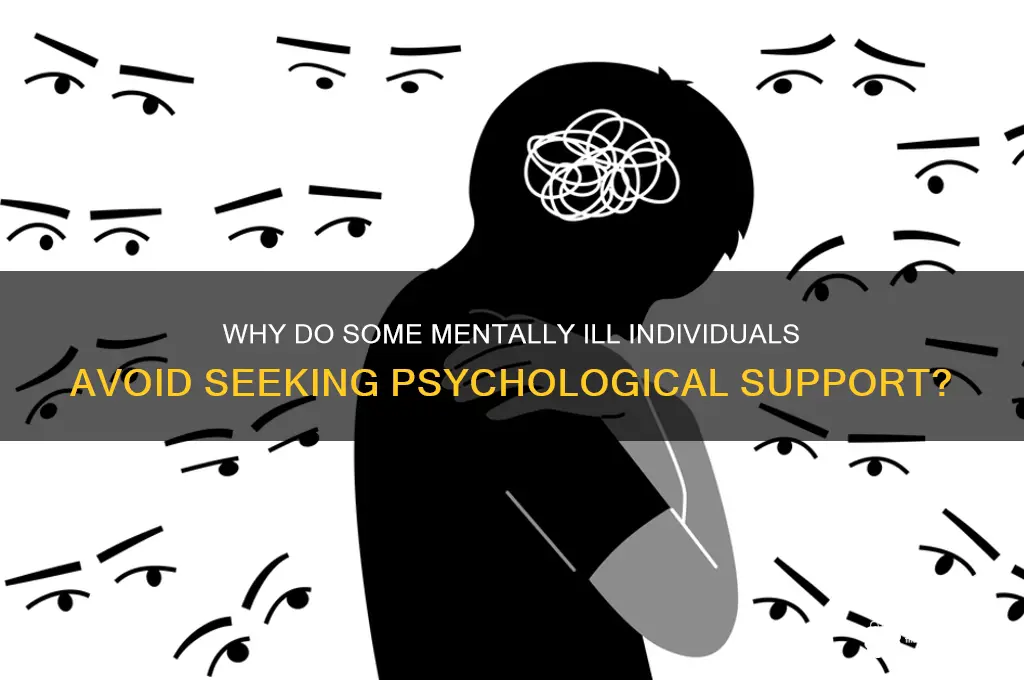
Resistance to psychological help among individuals with mental illness can stem from a complex interplay of factors, including stigma, fear of judgment, and a lack of awareness about available resources. Many individuals may internalize societal misconceptions about mental health, leading to feelings of shame or self-blame, which deter them from seeking support. Additionally, past negative experiences with healthcare systems, concerns about confidentiality, or a belief that their struggles are insurmountable can further discourage engagement. Cultural or familial beliefs that prioritize self-reliance or view mental illness as a personal weakness may also play a significant role. Furthermore, the very nature of certain mental health conditions, such as depression or anxiety, can impair motivation or create cognitive barriers that make it difficult to recognize the need for help or take proactive steps toward treatment. Understanding these underlying reasons is crucial for developing compassionate and effective strategies to encourage individuals to access the care they need.
Explore related products


What You'll Learn
- Stigma and shame associated with mental illness and seeking help
- Fear of judgment, discrimination, or being labeled as crazy
- Past negative experiences with therapists or treatment methods
- Lack of awareness about mental health resources and their benefits
- Mistrust in the healthcare system or professionals due to trauma

Stigma and shame associated with mental illness and seeking help
Stigma and shame act as invisible barriers, often preventing individuals with mental illness from seeking the psychological help they desperately need. This toxic duo thrives on societal misconceptions, painting mental health struggles as signs of weakness, moral failing, or even dangerous unpredictability. Imagine carrying a heavy burden, already weighed down by anxiety or depression, only to be met with judgmental glances or whispered accusations of "attention-seeking" when reaching out for support. This fear of being labeled, ostracized, or discriminated against becomes a powerful deterrent, trapping individuals in a cycle of silence and suffering.
Studies show that fear of stigma is a leading reason why people avoid seeking mental health treatment. A 2017 survey by the National Alliance on Mental Illness revealed that 60% of individuals with mental illness reported experiencing stigma, with 40% delaying or avoiding treatment due to this fear. This statistic highlights the devastating impact of stigma, transforming a potentially life-saving act into a source of dread.
Consider the internalized stigma, where individuals absorb these negative societal messages and turn them inward. They may believe they are somehow flawed, unworthy of help, or destined to be a burden. This self-stigma can manifest as feelings of shame, guilt, and hopelessness, further eroding self-esteem and motivation to seek help. Imagine battling depression while constantly berating yourself for being "weak" or "broken," making it nearly impossible to reach out for the very support that could offer relief.
Recognizing and challenging these internalized beliefs is crucial. Cognitive-behavioral therapy (CBT) can be a powerful tool, helping individuals identify and reframe negative thought patterns associated with stigma. Support groups provide a safe space to connect with others who understand the struggle, fostering a sense of belonging and challenging the isolating effects of shame.
Combating stigma requires a multi-pronged approach. Public awareness campaigns can dismantle misconceptions and humanize mental illness, showcasing stories of recovery and resilience. Educating communities about the prevalence and treatability of mental health conditions can foster empathy and understanding. Policy changes promoting equal access to mental health care and protecting individuals from discrimination are essential. By creating a society that embraces vulnerability and prioritizes well-being, we can dismantle the walls of stigma and shame, allowing individuals to seek help without fear of judgment or rejection. Remember, seeking help is a sign of strength, not weakness. It takes courage to confront one's struggles and reach out for support. Let's work together to create a world where everyone feels safe and empowered to prioritize their mental health.
Empowering Teens: Strategies to Navigate and Overcome Mental Health Challenges
You may want to see also
Explore related products


Fear of judgment, discrimination, or being labeled as crazy
Stigma casts a long shadow over mental health, and fear of judgment is a powerful deterrent to seeking help. Imagine carrying a heavy burden, knowing relief exists, but being too terrified of the labels attached to it to reach out. This is the reality for many individuals struggling with mental illness. The fear of being judged as weak, unstable, or "crazy" can be paralyzing, leading to isolation and a worsening of symptoms.
A 2017 study published in the *Journal of Mental Health* found that perceived stigma was a significant barrier to help-seeking behavior, with participants expressing concerns about being treated differently by friends, family, and even healthcare professionals. This fear is not unfounded. Stories abound of individuals facing discrimination in the workplace, social settings, and even within their own families after disclosing their mental health struggles.
Consider the language we often use casually: "She's acting so bipolar," "He's totally schizophrenic about this." These phrases, though seemingly harmless, contribute to a culture where mental illness is equated with danger, unpredictability, and otherness. This pervasive stigma creates a climate where seeking help feels like admitting to a character flaw rather than addressing a legitimate health concern.
Imagine a young woman experiencing crippling anxiety, afraid to confide in her parents for fear of being dismissed as "overly dramatic" or "attention-seeking." Or a man battling depression, hesitant to seek therapy because he worries his colleagues will view him as weak and incapable. These scenarios illustrate how the fear of judgment can trap individuals in a cycle of silence and suffering.
Breaking down this barrier requires a multi-pronged approach. Firstly, we need to challenge the language and stereotypes surrounding mental illness. Media portrayals often perpetuate harmful clichés, reinforcing the "crazy" trope. We need more nuanced representations that showcase the diversity of mental health experiences and emphasize recovery. Secondly, education is key. Schools, workplaces, and communities should implement programs that raise awareness about mental health, dispel myths, and promote empathy.
Finally, healthcare systems must prioritize creating safe and non-judgmental spaces. This means training professionals to be sensitive to stigma and ensuring confidentiality is upheld.
Overcoming the fear of judgment is not easy, but it's crucial for individuals to understand that seeking help is a sign of strength, not weakness. It's about reclaiming control over one's well-being and refusing to be defined by societal misconceptions. By fostering a culture of understanding and acceptance, we can dismantle the stigma that prevents so many from accessing the support they desperately need.
School Shooters and Mental Health: Addressing the Crisis and Seeking Solutions
You may want to see also
Explore related products


Past negative experiences with therapists or treatment methods
Consider the case of exposure therapy for PTSD, a method that, when mishandled, can retraumatize patients. For instance, a therapist might push a survivor to relive traumatic events without adequate preparation or pacing, leading to severe emotional distress. This approach, though evidence-based, requires precise execution—sessions should start with milder triggers and progress gradually, often over 8–12 weeks. When therapists fail to follow these protocols, patients may associate the treatment itself with their trauma, making them resistant to future interventions. The takeaway here is clear: poorly executed treatment methods can do more harm than good, turning a potential lifeline into a trigger.
From a persuasive standpoint, it’s crucial to acknowledge the systemic issues that contribute to negative experiences. Therapists, often overworked and underpaid, may lack the time or resources to provide individualized care. For example, a therapist managing a caseload of 30+ patients weekly might resort to one-size-fits-all strategies, leaving clients feeling like just another name on a list. This isn’t an excuse but a call to action: mental health systems must prioritize quality over quantity, ensuring therapists have the support and training to deliver effective, empathetic care. Without this, patients will continue to fall through the cracks, their past experiences becoming cautionary tales.
Finally, let’s compare the impact of negative experiences to physical scars—both serve as reminders of pain endured. Just as a burn victim might avoid fire, a person hurt by therapy may avoid mental health services altogether. Practical steps can help mitigate this: first, therapists should openly discuss treatment plans, ensuring patients feel heard and involved. Second, patients should be encouraged to advocate for themselves, asking questions like, “How will this method benefit me?” or “What if this doesn’t work?” Lastly, mental health providers must adopt a trauma-informed approach, recognizing that past experiences shape current behaviors. By addressing these scars with care, we can rebuild trust and reopen the door to healing.
Boosting Mental Health: Habits That Heal vs. Behaviors That Harm
You may want to see also
Explore related products


Lack of awareness about mental health resources and their benefits
A staggering number of individuals struggling with mental health issues never seek professional help, not because they don't want to feel better, but because they simply don't know where to turn. This lack of awareness about available resources and their potential benefits creates a significant barrier to accessing care. Imagine navigating a dense forest without a map or compass – that's the reality for many facing mental health challenges.
Many communities, particularly in rural areas or underserved populations, lack readily available information about mental health services. Brochures in doctor's offices, online directories, and public service announcements often fail to reach those who need them most. This information gap perpetuates the stigma surrounding mental illness, leaving individuals feeling isolated and unsure of how to seek help.
Consider a young adult experiencing anxiety for the first time. Without understanding the range of treatment options – therapy, medication, support groups – they might assume their struggles are insurmountable or a sign of personal weakness. This misconception can lead to self-blame and further deterioration of their mental state.
Bridging this awareness gap requires a multi-pronged approach. Public health campaigns need to be more targeted and culturally sensitive, utilizing platforms frequented by diverse populations. Schools and workplaces should integrate mental health education into their curricula and training programs, normalizing conversations about emotional well-being. Additionally, healthcare providers must actively screen for mental health concerns and provide clear, accessible information about local resources.
By increasing visibility and understanding of mental health resources, we can empower individuals to take the first step towards healing. Remember, knowledge is power, and in the context of mental health, it can be the key to unlocking a brighter future.
Seeking Mental Health Support: A Guide for Military Personnel
You may want to see also
Explore related products


Mistrust in the healthcare system or professionals due to trauma
Trauma casts a long shadow, often extending into a person’s relationship with healthcare. For individuals who have experienced systemic failures, misdiagnoses, or abusive treatment within medical settings, the very institutions meant to heal can become sources of fear. This mistrust is not irrational; it is a survival mechanism rooted in lived experience. A single instance of being dismissed, overmedicated, or restrained against their will can permanently alter a person’s willingness to engage with mental health professionals. For example, a study published in the *Journal of Traumatic Stress* found that 40% of patients with a history of medical trauma reported avoiding mental health services altogether, even when symptoms worsened.
Consider the case of a 32-year-old woman diagnosed with PTSD after a car accident. During her initial hospital stay, she was involuntarily sedated when her panic attacks were misinterpreted as aggression. Years later, despite severe anxiety and flashbacks, she refuses therapy, stating, "I’d rather deal with it myself than risk being treated like a danger again." This reaction is not uncommon. Trauma survivors often internalize the belief that their distress is a burden or that their reactions are inherently problematic, making them hypervigilant about potential judgment or control in therapeutic settings.
To rebuild trust, mental health professionals must adopt trauma-informed care practices. This involves explicit consent at every step, transparent communication about treatment plans, and a commitment to avoiding power dynamics that replicate past harm. For instance, instead of assuming a patient’s history, clinicians should ask, "Have you ever had an experience with healthcare that made you feel unsafe?" This simple question validates the patient’s narrative and signals a willingness to proceed on their terms. Additionally, offering alternatives to traditional talk therapy, such as art therapy or peer support groups, can reduce pressure and provide a sense of agency.
However, the onus cannot rest solely on individual providers. Systemic changes are necessary to address institutional biases and practices that perpetuate mistrust. Hospitals and clinics should mandate training on trauma-informed care for all staff, from receptionists to psychiatrists. Policies that prioritize patient autonomy, such as banning involuntary treatment unless absolutely life-saving, are critical. For example, the implementation of "Open Dialogue" models in countries like Finland has shown promising results by involving patients and their support networks in decision-making, reducing coercion, and fostering trust.
Ultimately, mistrust born of trauma is a barrier that requires patience, humility, and systemic reform to overcome. It is not enough to say, "We’re here to help." Mental health professionals must prove it through actions that respect boundaries, honor experiences, and prioritize healing over control. For those resisting help, knowing that their trauma is acknowledged—not dismissed—can be the first step toward reengagement.
Mental Health Laws: Barriers to Accessing Essential Care and Support
You may want to see also
Frequently asked questions
Fear of stigma, judgment, or being labeled as "crazy" can deter individuals from seeking help. Additionally, past negative experiences with mental health professionals may contribute to this fear.
Denial is a common defense mechanism where individuals refuse to acknowledge their mental health struggles. This resistance often stems from a desire to avoid confronting painful emotions or the perceived weakness associated with needing help.
Yes, a history of trauma, cultural mistrust, or previous negative interactions with professionals can erode trust. Without trust, individuals may feel vulnerable and resist engaging in therapeutic processes.
Some individuals fear that seeking help means surrendering control over their lives or decisions. This resistance often arises from a desire to maintain autonomy, especially if they believe treatment will impose unwanted changes.