Madison Cole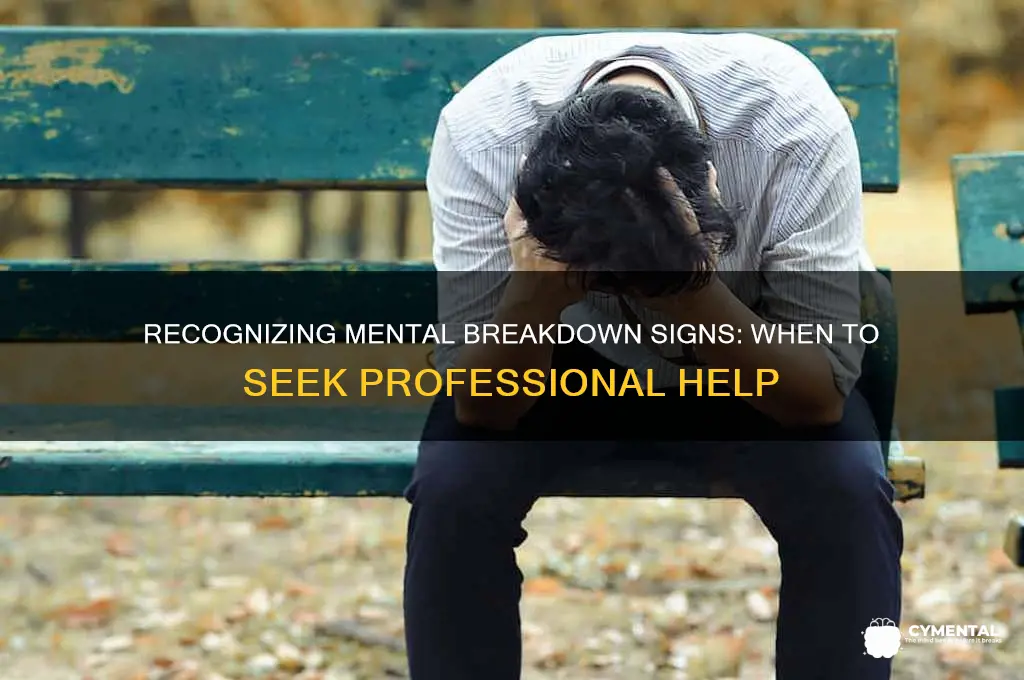
Recognizing when to seek help for a mental breakdown is crucial for preventing long-term emotional and psychological damage. A mental breakdown, often characterized by overwhelming stress, anxiety, or depression, can manifest as severe emotional distress, inability to function in daily life, or thoughts of self-harm. Warning signs include persistent feelings of hopelessness, withdrawal from social interactions, drastic changes in sleep or appetite, and physical symptoms like headaches or fatigue. If these symptoms persist for more than two weeks or interfere with work, relationships, or personal well-being, it’s essential to consult a mental health professional. Early intervention, such as therapy, medication, or support groups, can provide the necessary tools to manage and recover from a breakdown, fostering resilience and long-term mental health.
When to Seek Help for a Mental Breakdown
| Characteristics | Values |
|---|---|
| Inability to Function Daily | Struggling with basic tasks like getting out of bed, eating, showering, or going to work/school. |
| Severe Emotional Distress | Overwhelming feelings of sadness, anxiety, fear, or hopelessness that persist for weeks or months. |
| Suicidal Thoughts or Behaviors | Having thoughts of self-harm or suicide, making plans, or attempting suicide. This is an emergency. Call 911 or a suicide hotline immediately. |
| Psychotic Symptoms | Hallucinations (seeing or hearing things that aren't there), delusions (fixed false beliefs), or disorganized thinking. |
| Severe Changes in Behavior | Drastic changes in personality, sleep patterns, appetite, or energy levels. |
| Substance Abuse | Increased reliance on drugs or alcohol to cope with emotions. |
| Social Withdrawal | Isolating oneself from friends, family, and activities once enjoyed. |
| Physical Symptoms | Unexplained headaches, stomachaches, chest pain, or other physical ailments without a clear medical cause. |
| Difficulty Concentrating or Making Decisions | Inability to focus, remember things, or make even simple decisions. |
| Feeling Overwhelmed and Out of Control | A constant sense of being overwhelmed, unable to cope, and feeling like things are spiraling out of control. |
Explore related products


What You'll Learn
- Recognizing Symptoms: Persistent sadness, anxiety, or inability to function daily
- Duration of Symptoms: Symptoms lasting more than two weeks
- Severe Impairment: Inability to work, socialize, or care for oneself
- Suicidal Thoughts: Immediate help needed if experiencing suicidal ideation
- Physical Symptoms: Unexplained headaches, fatigue, or sleep disturbances

Recognizing Symptoms: Persistent sadness, anxiety, or inability to function daily
Persistent sadness, anxiety, or an inability to function daily are red flags that should not be ignored. These symptoms often intertwine, creating a cycle that can paralyze even the most resilient individuals. For instance, prolonged sadness may lead to overwhelming anxiety about the future, while anxiety can sap the energy needed to complete daily tasks. Recognizing this interplay is crucial, as it highlights how one symptom can exacerbate another, signaling the need for intervention.
Consider the practical implications: if you find yourself skipping meals, neglecting hygiene, or unable to concentrate at work or school for more than two weeks, these are not mere "off days." The National Institute of Mental Health emphasizes that such disruptions in daily functioning are key indicators of a deeper issue. For adults over 25, these symptoms may manifest as unexplained irritability or withdrawal from social activities, while in younger individuals, they might appear as sudden academic decline or increased conflict with peers. Tracking these changes in a journal can provide concrete evidence to discuss with a healthcare provider.
Persuasively, it’s essential to challenge the stigma that equates seeking help with weakness. Persistent sadness or anxiety is not a character flaw but a signal from your body and mind that something is amiss. Just as you’d seek medical attention for persistent physical pain, mental health symptoms warrant professional evaluation. Therapies like Cognitive Behavioral Therapy (CBT) have proven effective, with studies showing significant improvement in 50–75% of patients after 12–20 sessions. Medication, such as SSRIs, may also be prescribed, but dosage and suitability should always be determined by a psychiatrist.
Comparatively, while occasional sadness or stress is a normal part of life, the inability to recover from these states distinguishes a mental health crisis. For example, feeling anxious before a presentation is typical, but if anxiety persists for weeks, preventing you from leaving the house or sleeping, it’s time to act. Similarly, sadness after a loss is expected, but when it evolves into a constant, heavy fog that lasts months, professional help becomes non-negotiable. Understanding these distinctions can empower you to take the first step toward recovery.
Finally, a descriptive approach can help normalize these experiences. Imagine waking up each morning with a weight on your chest, the day stretching ahead like an insurmountable task. Simple activities—like answering emails or making a meal—feel Herculean. This isn’t laziness or lack of willpower; it’s a manifestation of mental distress. By acknowledging these sensations without judgment, you can begin to see them as symptoms rather than personal failings. This shift in perspective is often the first step toward seeking the help you deserve.
Finding the Right Mental Health Support: A Personalized Guide
You may want to see also
Explore related products

$43.68 $70.95


Duration of Symptoms: Symptoms lasting more than two weeks
Persistent symptoms beyond two weeks signal a critical threshold for seeking professional help. Unlike fleeting stress responses, prolonged distress indicates a deeper, potentially escalating issue. Mental health crises, such as breakdowns, often manifest as a cluster of symptoms—overwhelming anxiety, persistent sadness, or severe disconnection from reality. When these symptoms endure, they disrupt daily functioning, impairing work, relationships, and self-care. Ignoring this timeline risks allowing the condition to worsen, making recovery more challenging.
Consider the analogy of physical pain: a minor ache might resolve with rest, but persistent pain warrants medical attention. Similarly, mental health symptoms lasting more than two weeks are the body’s alarm system, signaling an imbalance that self-management may no longer address. For instance, insomnia lasting this long can exacerbate anxiety, creating a vicious cycle. Adults over 25, in particular, may dismiss these signs as mere stress, but prolonged symptoms in this age group often correlate with untreated anxiety or depressive disorders.
Practical steps become essential when symptoms persist. Start by tracking their duration and intensity in a journal—this provides concrete evidence for a healthcare provider. Next, schedule an appointment with a primary care physician or mental health specialist. For those hesitant to seek in-person help, telehealth platforms offer accessible alternatives. Additionally, consider temporary lifestyle adjustments: reduce caffeine intake, prioritize sleep hygiene, and incorporate mindfulness practices. However, these measures are not substitutes for professional intervention but rather complementary strategies.
A cautionary note: self-diagnosis and reliance on online resources can delay necessary treatment. While apps like Calm or Headspace offer temporary relief, they lack the diagnostic precision of a trained professional. For adolescents and young adults, prolonged symptoms may manifest as academic decline or social withdrawal, requiring parental or guardian intervention. Schools and workplaces often provide mental health resources, which can serve as a starting point for support.
In conclusion, the two-week mark is not arbitrary but a clinically recognized indicator of potential mental health crises. Recognizing this timeline empowers individuals to act before symptoms become unmanageable. Early intervention—whether therapy, medication, or a combination—significantly improves outcomes. Prolonged suffering is not a requirement for seeking help; rather, it’s a call to prioritize mental well-being with the same urgency as physical health.
Faith, Hope, and Healing: Christian Approaches to Mental Health Support
You may want to see also
Explore related products

$9.99 $9.99


Severe Impairment: Inability to work, socialize, or care for oneself
A mental breakdown can manifest in various ways, but one of the most alarming signs is severe impairment, where an individual becomes unable to work, socialize, or care for themselves. This level of dysfunction often indicates a crisis point, requiring immediate attention and intervention. For instance, a previously high-performing professional might suddenly find themselves unable to complete basic tasks at work, missing deadlines, and isolating themselves from colleagues. Similarly, someone who once thrived in social settings may now avoid gatherings altogether, preferring solitude to the point of neglecting personal hygiene or nutrition. Recognizing these changes is crucial, as they signal a breakdown in coping mechanisms and a need for professional help.
Analyzing the inability to work, it’s important to distinguish between occasional stress-related productivity dips and a persistent, debilitating inability to function. If an individual consistently struggles to concentrate, make decisions, or even show up to work, this is a red flag. Employers and coworkers might notice increased absenteeism or a sharp decline in performance, which could lead to job loss if left unaddressed. For freelancers or self-employed individuals, the signs might include abandoning projects, ignoring client communications, or financial neglect, such as unpaid bills or unfiled taxes. These behaviors are not merely signs of laziness or lack of motivation but indicators of a deeper mental health crisis.
Social withdrawal is another critical aspect of severe impairment. While it’s normal to seek solitude occasionally, a complete disengagement from friends, family, and social activities is concerning. For example, a person might stop responding to messages, decline invitations without explanation, or even avoid answering the door or phone. This isolation can exacerbate feelings of loneliness and despair, creating a vicious cycle. It’s essential to approach this situation with empathy rather than judgment. Encouraging the individual to seek help, even if it’s just a conversation with a trusted friend or mental health professional, can be a lifeline.
The inability to care for oneself is perhaps the most tangible sign of severe impairment. This can range from neglecting basic hygiene, such as showering or brushing teeth, to more serious issues like forgetting to eat or taking medications. For older adults or those with chronic conditions, this might manifest as skipping doctor’s appointments or mismanaging prescriptions. Practical steps to address this include setting reminders for meals and medication, creating a simple daily routine, and enlisting the help of a caregiver or support system. However, these measures are temporary solutions—professional intervention is necessary to address the root cause.
In conclusion, severe impairment marked by an inability to work, socialize, or care for oneself is a critical indicator of a mental breakdown. It requires a multi-faceted approach: recognizing the signs, offering non-judgmental support, and encouraging professional help. For those experiencing these symptoms, reaching out to a mental health provider, such as a therapist or psychiatrist, is essential. Treatment may include therapy, medication, or lifestyle adjustments, tailored to the individual’s needs. Early intervention can prevent long-term consequences and pave the way for recovery, restoring the ability to function and engage with life meaningfully.
Empowering Self-Care Strategies for Managing Mental Health Challenges
You may want to see also
Explore related products



Suicidal Thoughts: Immediate help needed if experiencing suicidal ideation
Suicidal thoughts are a red flag that demands immediate attention. They are not a sign of weakness or a character flaw but a symptom of severe distress. If you or someone you know is experiencing suicidal ideation, it’s critical to act swiftly. The first step is to call a crisis hotline, such as the National Suicide Prevention Lifeline at 988 in the U.S., which connects you to trained professionals available 24/7. These services provide confidential support and can guide you toward the next steps, whether it’s contacting a mental health professional or seeking emergency care. Delaying action can be life-threatening, so treat this as an urgent medical emergency.
Analyzing the context of suicidal thoughts reveals their complexity. They often arise from a combination of factors, including untreated mental health conditions like depression, anxiety, or PTSD, coupled with overwhelming life stressors. For instance, a person might feel trapped in a situation—financial ruin, relationship breakdown, or chronic illness—and see no way out. Recognizing these triggers is crucial, but it’s equally important not to wait for a "perfect storm" of symptoms. Even fleeting thoughts of self-harm warrant immediate intervention. Research shows that early intervention significantly reduces the risk of suicide attempts, emphasizing the importance of acting at the first sign of trouble.
Persuading someone to seek help when they’re in the grip of suicidal thoughts can be challenging but is not impossible. Start by validating their feelings—acknowledge their pain without judgment. Phrases like, "I can see how much you’re hurting," can open the door to communication. Avoid dismissive statements like, "Things could be worse," which can alienate them further. Instead, offer concrete assistance: "Let’s call the crisis line together right now." If they resist, involve a trusted friend, family member, or authority figure who can help navigate the situation. Remember, your role is to support, not to fix, and professional help is non-negotiable in these cases.
Comparing suicidal ideation to other mental health crises highlights its unique urgency. While panic attacks or severe anxiety may feel overwhelming, they rarely carry the same immediate risk to life. Suicidal thoughts, however, require a different response. Unlike other symptoms that might improve with time or self-care, suicidal ideation escalates quickly and unpredictably. For example, someone might go from passive thoughts like, "I wish I wasn’t here," to active planning in a matter of hours. This rapid progression underscores the need for immediate professional intervention, such as hospitalization or intensive outpatient care, to stabilize the individual and address the underlying causes.
Descriptively, the experience of suicidal thoughts can feel like being trapped in a dark, soundproof room—isolated, hopeless, and unable to see a way out. The mind fixates on escape, not as a metaphor but as a literal solution to unbearable pain. Physical symptoms often accompany this mental state: insomnia, loss of appetite, or even a strange calmness as the decision to end one’s life feels like a resolution. If you notice these signs in yourself or someone else, don’t wait for permission or certainty to act. Practical steps include removing access to lethal means (e.g., firearms, medications) and staying with the person until professional help arrives. Every minute counts, and your actions can make the difference between life and death.
Soothing Soaks: How Baths Boost Mental Health and Wellness
You may want to see also
Explore related products





Physical Symptoms: Unexplained headaches, fatigue, or sleep disturbances
The body often mirrors the mind's distress, manifesting mental breakdowns in physical symptoms that can be both baffling and debilitating. Among these, unexplained headaches, persistent fatigue, and erratic sleep patterns frequently emerge as red flags. These symptoms aren’t merely inconveniences; they’re signals that your mental health may be reaching a critical point. Ignoring them can exacerbate the underlying issues, making it crucial to recognize when they warrant professional intervention.
Consider the headache—not the occasional kind triggered by dehydration or poor posture, but the chronic, unrelenting type that resists over-the-counter remedies like ibuprofen (200–400 mg every 4–6 hours). Such headaches often stem from prolonged stress or anxiety, which tighten muscles and constrict blood vessels. Similarly, fatigue that persists despite 7–9 hours of sleep nightly isn’t just "being tired"; it’s a sign your body is in survival mode, diverting energy to cope with emotional strain. Sleep disturbances, whether insomnia or oversleeping, disrupt your body’s restorative processes, leaving you more vulnerable to mental health crises.
Analyzing these symptoms requires a dual lens: physical and psychological. For instance, if you’re under 30 and experiencing daily headaches paired with insomnia, it’s unlikely to be age-related but rather a stress response. Conversely, older adults might mistake these symptoms for aging, delaying necessary mental health care. Tracking patterns—such as headaches worsening after stressful days or fatigue spiking during workweeks—can help distinguish between physical ailments and mental health red flags.
Persuasively, seeking help isn’t a sign of weakness but a proactive step toward recovery. Start by consulting a primary care physician to rule out physical causes like migraines or thyroid issues. If those are dismissed, a mental health professional can explore underlying stressors or conditions like depression or anxiety. Practical tips include maintaining a symptom journal, practicing relaxation techniques (e.g., deep breathing or progressive muscle relaxation), and prioritizing sleep hygiene—keeping a consistent sleep schedule and limiting screen time before bed.
Comparatively, untreated physical symptoms of mental breakdowns can spiral into more severe issues. For example, chronic fatigue can lead to decreased productivity and social withdrawal, while sleep disturbances may heighten irritability and impair judgment. Addressing these symptoms early not only alleviates immediate discomfort but also prevents long-term mental health deterioration. Remember, your body’s cries for help are valid—listen to them, and act before they become overwhelming.
Supporting Loved Ones: A Guide to Accessing Mental Health Care for Family
You may want to see also
Frequently asked questions
Signs include persistent feelings of overwhelm, inability to function daily, severe anxiety or depression, thoughts of self-harm, and detachment from reality.
If stress escalates to physical symptoms (e.g., insomnia, fatigue), emotional numbness, or inability to cope, it may be a breakdown, and professional help is advised.
Seek emergency help if you experience suicidal thoughts, hallucinations, severe paranoia, or pose a danger to yourself or others.
While mild episodes may improve with self-care, severe breakdowns often require professional intervention to prevent long-term consequences.
Contact a mental health professional, therapist, or psychiatrist. Alternatively, reach out to a trusted friend, family member, or a crisis hotline for immediate support.