Noah Parker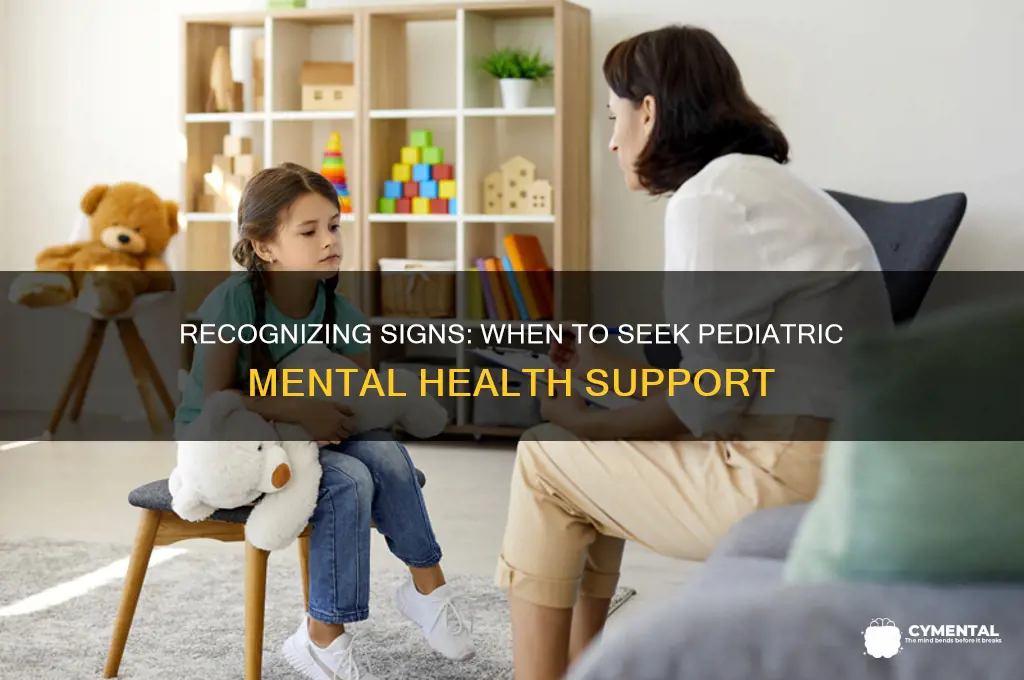
Recognizing when to seek help for pediatric mental health is crucial for ensuring children and adolescents receive the support they need to thrive. While it’s normal for children to experience mood swings, anxiety, or behavioral challenges as part of their development, persistent or severe symptoms may indicate an underlying mental health issue. Warning signs include prolonged sadness, frequent outbursts, withdrawal from social activities, changes in sleep or eating patterns, declining academic performance, or expressions of self-harm. Parents, caregivers, and educators should trust their instincts and consult a healthcare professional if they notice concerning behaviors, as early intervention can prevent more serious problems and promote long-term well-being. Pediatric mental health professionals, such as child psychologists or psychiatrists, can provide assessments, therapy, and treatment plans tailored to the child’s needs, fostering resilience and healthy emotional development.
Explore related products


What You'll Learn
- Persistent Sadness or Irritability: Notice prolonged mood changes lasting over two weeks
- Sudden Behavioral Changes: Look for aggression, withdrawal, or drastic shifts in behavior
- Academic Decline: Unexplained drop in grades or school refusal
- Physical Symptoms: Frequent headaches, stomachaches, or sleep disturbances without medical cause
- Talk of Self-Harm: Any mention of suicide, self-injury, or extreme hopelessness

Persistent Sadness or Irritability: Notice prolonged mood changes lasting over two weeks
Children and adolescents often experience mood swings as part of their emotional development, but persistent sadness or irritability lasting more than two weeks warrants attention. This duration is a critical threshold because it distinguishes fleeting emotions from potential mental health concerns. For instance, a child grieving a loss might feel sad for days, but if this sadness persists without improvement, it could indicate depression or anxiety. Monitoring these changes requires a balance between patience and vigilance, as early intervention can prevent more severe issues.
Consider a 12-year-old who becomes increasingly irritable, snapping at family members and withdrawing from favorite activities. If this behavior continues for two weeks or more, it’s not just a "phase." Such prolonged irritability might reflect underlying stress, bullying, or even a mood disorder. Parents and caregivers should observe accompanying signs like changes in sleep, appetite, or academic performance. For younger children, irritability often manifests as frequent tantrums or difficulty soothing, while teens may exhibit sarcasm or defiance. Documenting these behaviors can provide valuable insights during consultations with healthcare professionals.
When addressing persistent sadness or irritability, start by creating a supportive environment. Encourage open conversations without judgment, using age-appropriate language. For example, ask a 7-year-old, "I’ve noticed you seem upset a lot lately. Can you tell me what’s making you feel this way?" rather than demanding explanations. For teens, offer space but remain available, saying, "I’m here if you want to talk." Practical steps include maintaining routines, ensuring adequate sleep, and limiting screen time, as disruptions in these areas can exacerbate mood issues. If concerns persist, consult a pediatrician or mental health specialist who can assess the need for therapy or medication.
Comparing this symptom to physical health, imagine a child with a persistent fever. Just as you wouldn’t ignore a high temperature lasting two weeks, emotional symptoms require the same urgency. Mental health screenings, such as the Patient Health Questionnaire for Adolescents (PHQ-A), can help professionals evaluate severity. While medication like selective serotonin reuptake inhibitors (SSRIs) may be prescribed for severe cases, therapy—particularly cognitive-behavioral therapy (CBT)—is often the first-line treatment. Early action not only alleviates immediate suffering but also fosters resilience, reducing the risk of long-term mental health challenges.
Accessing Mental Health Support Without Insurance: Affordable Options and Resources
You may want to see also
Explore related products


Sudden Behavioral Changes: Look for aggression, withdrawal, or drastic shifts in behavior
Children and adolescents often express emotional distress through behavior rather than words. Sudden changes in behavior—such as uncharacteristic aggression, social withdrawal, or drastic shifts in mood or activity levels—can be red flags for underlying mental health issues. These changes may manifest as explosive outbursts in a previously calm child, refusal to engage in favorite activities, or sudden academic decline. While occasional mood swings are normal, persistent or severe alterations warrant attention. Parents and caregivers should monitor these shifts, especially if they disrupt daily functioning or seem disproportionate to the situation.
Consider a 10-year-old who begins lashing out physically during playdates or a teenager who stops attending social gatherings altogether. Aggression might include verbal hostility, physical altercations, or destructive behavior, while withdrawal could involve isolating from family, friends, or previously enjoyed hobbies. Drastic shifts might also appear as sudden hyperactivity, excessive risk-taking, or a dramatic change in sleep or eating patterns. For younger children, regression (e.g., bedwetting after being potty-trained) can signal distress. Tracking these changes over time—say, noting if aggressive episodes occur 3–4 times weekly or withdrawal persists for more than two weeks—can help determine when professional intervention is needed.
Distinguishing between typical developmental behavior and cause for concern requires context. For instance, a teenager withdrawing after a breakup might be processing grief, but if isolation lasts beyond a month and is accompanied by neglect of personal hygiene or school refusal, it’s time to seek help. Similarly, aggression in toddlers is common, but frequent, intense outbursts in a 6-year-old could indicate deeper issues like anxiety or trauma. A useful rule of thumb: If the behavior feels extreme, lasts longer than expected, or interferes with relationships, school, or self-care, consult a pediatrician or mental health professional.
Practical steps include maintaining open communication, validating emotions, and establishing a consistent routine. For aggression, teach coping strategies like deep breathing or time-outs, but avoid punitive measures that may escalate tension. For withdrawal, gently encourage social interaction without forcing it, and consider involving a trusted adult or counselor to act as a neutral listener. Keep a journal of observed behaviors, including triggers and duration, to provide concrete examples during consultations. Early intervention—such as cognitive-behavioral therapy or family counseling—can prevent minor issues from escalating into chronic conditions.
In summary, sudden behavioral changes in children are not to be ignored. Aggression, withdrawal, or drastic shifts in behavior can signal distress that, if unaddressed, may lead to long-term mental health challenges. By staying observant, documenting patterns, and seeking timely professional guidance, caregivers can support children in navigating emotional turmoil and fostering resilience. Remember, addressing these changes early is not just about managing behavior—it’s about nurturing a child’s overall well-being.
Guiding Depressed Souls to Christ: Compassionate Steps for Healing and Hope
You may want to see also
Explore related products


Academic Decline: Unexplained drop in grades or school refusal
A sudden or unexplained drop in academic performance can be a red flag for underlying mental health issues in children and adolescents. While occasional fluctuations in grades are normal, a consistent decline warrants attention, especially when coupled with school refusal or increased anxiety around school-related activities. This change may not always be immediately apparent, as some students excel at masking their struggles, but teachers and parents often notice a shift in engagement, motivation, or overall attitude toward learning.
Consider the case of a previously high-achieving 14-year-old who begins failing tests and avoids group projects. This isn’t merely teenage laziness or a lack of effort; it could signal anxiety, depression, or even bullying. For younger children, school refusal—manifesting as frequent stomachaches, tantrums, or tearfulness before school—may indicate separation anxiety or an undiagnosed learning disorder. The American Academy of Pediatrics recommends monitoring these behaviors, especially if they persist for more than two weeks, as early intervention can prevent long-term academic and emotional consequences.
When addressing academic decline, start by ruling out external factors like changes in family dynamics, sleep patterns, or screen time. If these are not the issue, collaborate with teachers to identify specific challenges, such as difficulty with a particular subject or social conflicts. For children under 12, involve the school counselor to assess for learning disabilities or attention issues, as these often require tailored accommodations. Adolescents may benefit from a mental health screening, as conditions like depression or ADHD frequently emerge during these years and can severely impact focus and performance.
Practical steps include establishing a structured homework routine, limiting distractions, and fostering open communication about school-related stress. However, if grades continue to drop despite these efforts, consult a pediatrician or child psychologist. Cognitive-behavioral therapy (CBT) has proven effective for school-related anxiety, while family therapy can address underlying conflicts contributing to school refusal. In severe cases, a temporary reduction in academic workload or a short-term leave of absence may be necessary to stabilize the child’s mental health before reintegration.
The takeaway is clear: academic decline is not just an educational problem but a potential window into a child’s mental health. Ignoring it risks perpetuating a cycle of failure and low self-esteem, while early, targeted intervention can restore confidence and set the stage for long-term success. Parents and educators must remain vigilant, recognizing that a struggling student may be silently pleading for help through their grades.
Empowering Daughters: Mental Strategies for Confident Tryout Success
You may want to see also
Explore related products


Physical Symptoms: Frequent headaches, stomachaches, or sleep disturbances without medical cause
Children often express emotional distress through physical symptoms, a phenomenon particularly evident in frequent headaches, stomachaches, or sleep disturbances that lack a clear medical cause. These complaints are not merely attention-seeking behaviors but can be the body’s way of signaling underlying mental health issues such as anxiety, depression, or stress. For instance, a child experiencing chronic worry about school performance might develop recurrent stomachaches before tests, while another coping with family conflict may suffer from persistent headaches. Recognizing these patterns is crucial, as they often serve as a child’s only means of communicating their emotional turmoil.
To address these symptoms effectively, parents and caregivers should first rule out medical causes through a thorough evaluation by a pediatrician. If no physical explanation is found, the focus should shift to the child’s emotional and psychological environment. Keep a symptom journal to track when and where these issues occur—for example, do headaches spike on Sunday evenings before the school week begins? This data can reveal triggers and help mental health professionals tailor interventions. Practical steps include maintaining a consistent sleep schedule, encouraging open conversations about feelings, and teaching stress-reduction techniques like deep breathing or mindfulness exercises appropriate for the child’s age.
Comparatively, adults often overlook these symptoms as transient or minor, but research shows they can significantly impair a child’s quality of life and academic performance. A study published in *Pediatrics* found that children with recurrent pain were more likely to experience anxiety and depression later in life if their symptoms were not addressed early. This underscores the importance of proactive intervention. For younger children (ages 5–10), play therapy or art-based activities can help them express emotions they cannot verbalize, while older children (ages 11–14) may benefit from cognitive-behavioral therapy to identify and reframe negative thought patterns.
Persuasively, ignoring these physical symptoms can lead to a cycle of chronic pain and emotional distress, making early intervention critical. Parents should trust their instincts—if a child’s complaints persist despite medical clearance, it’s time to consult a mental health professional. Schools can also play a role by fostering a supportive environment and training staff to recognize signs of emotional distress. By addressing these symptoms holistically, caregivers can help children develop healthier coping mechanisms and prevent long-term mental health challenges. The takeaway is clear: physical symptoms without medical cause are often a call for help, and responding with empathy and action can make a profound difference in a child’s life.
Sweat for Serenity: Exercise's Powerful Impact on Mental Well-Being
You may want to see also
Explore related products

$9.59 $16.99


$6.69 $15.99


Talk of Self-Harm: Any mention of suicide, self-injury, or extreme hopelessness
Children and adolescents who express thoughts of self-harm, whether through direct statements or subtle hints, are sending a distress signal that demands immediate attention. Any mention of suicide, self-injury, or overwhelming hopelessness should never be dismissed as a phase or attention-seeking behavior. These expressions are often indicators of severe emotional pain and a cry for help. Recognizing and responding to these signs can be the difference between life and death.
When a child or teenager talks about self-harm, it’s crucial to take their words seriously, even if they claim they’re "just joking" or "being dramatic." Statements like “I wish I wasn’t here,” “I want to disappear,” or “Nobody would care if I’m gone” are red flags. Self-injury, such as cutting or burning, is another alarming behavior that often accompanies these verbal cues. Parents, caregivers, and educators must act swiftly by validating the child’s feelings, offering unconditional support, and seeking professional help without delay.
The first step is to remain calm but assertive. Avoid judgmental language or accusations, as these can shut down communication. Instead, use open-ended questions like, “Can you tell me more about how you’re feeling?” or “What’s making you think these thoughts?” This approach helps the child feel heard and understood. Simultaneously, contact a mental health professional—a pediatrician, therapist, or crisis hotline—to assess the situation and determine the next steps. For immediate concerns, the National Suicide Prevention Lifeline (988) or Crisis Text Line (text HOME to 741741) can provide guidance.
It’s essential to create a safety plan in collaboration with a mental health expert. This plan may include removing potential means of self-harm, such as sharp objects or medications, and identifying trusted adults the child can contact in a crisis. For younger children (ages 6–12), focus on building emotional vocabulary and coping skills through therapy, while adolescents (ages 13–18) may benefit from more intensive interventions like cognitive-behavioral therapy (CBT) or dialectical behavior therapy (DBT). Medication, such as antidepressants, may be considered under professional supervision, but it’s rarely the sole solution.
Finally, caregivers must prioritize their own mental health while supporting a child in crisis. The emotional toll of witnessing a child’s suffering can be overwhelming, and self-care is not selfish—it’s necessary. Joining support groups, seeking therapy, and leaning on a trusted network can provide the resilience needed to navigate this challenging journey. Remember, addressing self-harm is not about fixing the child but about fostering an environment where healing and hope can flourish.
Breaking Mental Health Stigma: Compassionate Steps to Foster Understanding and Support
You may want to see also
Frequently asked questions
Parents should start paying attention to their child’s mental health from infancy. Early signs of emotional or behavioral concerns can appear as young as 1-2 years old, such as excessive irritability, difficulty regulating emotions, or social withdrawal. Monitoring and addressing these early can prevent more serious issues later.
Signs include persistent sadness or anxiety, frequent outbursts or aggression, changes in sleep or eating habits, declining school performance, social withdrawal, or talk of self-harm. If these behaviors last for more than two weeks and interfere with daily functioning, it’s time to seek help.
While some mood swings or challenges are typical during development, behaviors that are extreme, persistent, or disruptive to daily life may indicate a mental health issue. Trust your instincts—if you’re concerned, consult a pediatrician or mental health professional for an evaluation.
Seek immediate help if your child expresses suicidal thoughts, engages in self-harm, or exhibits severe aggression toward others. Call 911 or take them to the nearest emergency room if there is an immediate risk of harm to themselves or others.