Caleb Wright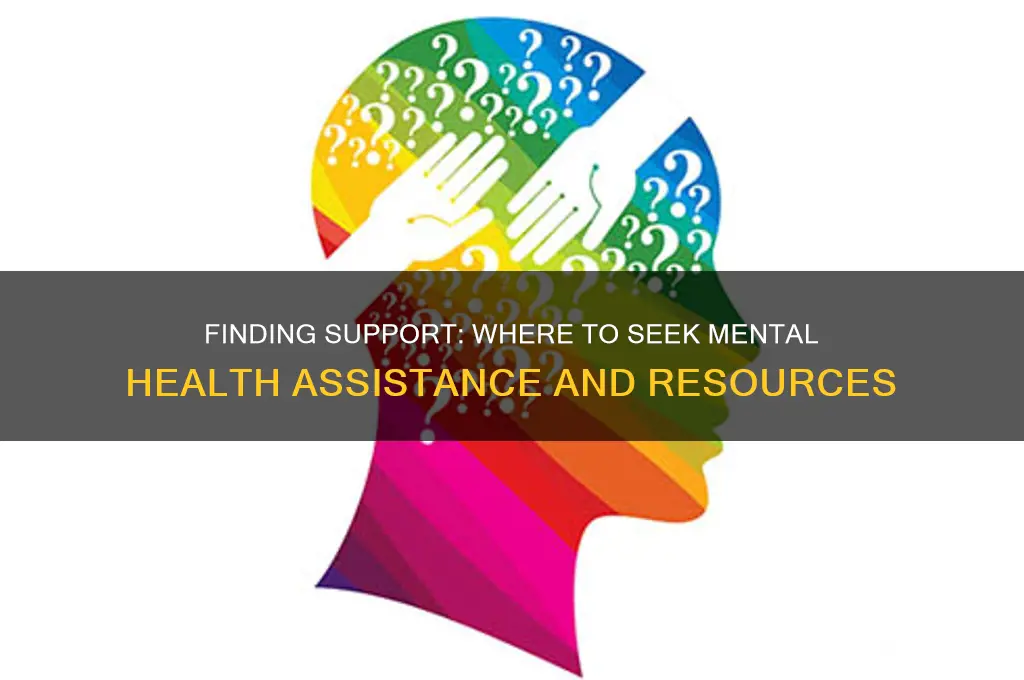
Seeking mental health support is a crucial step towards well-being, and there are numerous resources available for those in need. Individuals can start by consulting their primary care physician, who may provide referrals to mental health professionals such as therapists, psychologists, or psychiatrists. Community health centers, local clinics, and hospitals often offer counseling services, sometimes on a sliding scale fee basis. Online platforms and telehealth services have also become popular, providing access to licensed therapists and mental health apps from the comfort of home. Additionally, support groups, hotlines like the National Alliance on Mental Illness (NAMI) Helpline, and crisis text lines offer immediate assistance and a sense of community. Universities, workplaces, and schools frequently have counseling services or Employee Assistance Programs (EAPs) to support students and employees. Ultimately, the key is to find a resource that aligns with one's needs, ensuring a path to healing and recovery.
Explore related products


What You'll Learn
- Local Clinics: Community health centers offer affordable therapy and counseling services for various mental health issues
- Online Therapy: Platforms like BetterHelp or Talkspace provide virtual sessions with licensed professionals
- Support Groups: Join peer-led groups for shared experiences and emotional support, often free or low-cost
- Hospitals: Emergency rooms and psychiatric wards offer immediate crisis intervention and stabilization
- Hotlines: Call crisis hotlines (e.g., 988 in the U.S.) for 24/7 support and resources

Local Clinics: Community health centers offer affordable therapy and counseling services for various mental health issues
Local clinics, often nestled in the heart of communities, serve as vital hubs for accessible mental health care. These community health centers are designed to bridge the gap between those in need and the services that can help them. Unlike private practices, which may charge upwards of $100 per session, local clinics typically offer therapy and counseling on a sliding scale, ensuring that cost is not a barrier to care. For instance, a single session might range from $20 to $60, depending on income, making mental health support feasible for individuals and families across socioeconomic lines.
Consider the process of accessing these services. Most community health centers require an initial intake appointment, where a mental health professional assesses your needs and matches you with the appropriate therapist or counselor. This step is crucial, as it ensures personalized care tailored to your specific concerns, whether it’s anxiety, depression, trauma, or relationship issues. Many clinics also offer group therapy sessions, which can be particularly beneficial for those seeking peer support and shared coping strategies. These groups often focus on themes like stress management, grief, or substance abuse, providing a structured yet communal approach to healing.
One of the standout advantages of local clinics is their integration with broader healthcare services. Many community health centers offer primary care, dental services, and mental health care under one roof, fostering a holistic approach to well-being. This model is especially valuable for individuals with co-occurring physical and mental health issues, as it allows for coordinated care that addresses the whole person. For example, a patient managing diabetes and depression can receive medical treatment and counseling in the same facility, streamlining their healthcare experience and improving outcomes.
However, it’s important to note potential limitations. While local clinics are affordable and accessible, they may have longer wait times due to high demand. Some centers also operate on reduced hours or lack specialized services for complex mental health conditions. To navigate these challenges, consider calling ahead to inquire about wait times and available services. Additionally, ask about telehealth options, as many clinics now offer virtual sessions, expanding access for those with transportation or scheduling constraints.
In conclusion, local clinics are a cornerstone of community-based mental health care, offering affordable, comprehensive, and inclusive services. By leveraging their sliding-scale fees, integrated care models, and diverse treatment options, individuals can find the support they need without financial strain. While challenges like wait times exist, proactive steps—such as early outreach and exploring telehealth—can maximize the benefits of these vital resources. For those seeking mental health help, local clinics are not just an option; they are a lifeline.
Work's Impact: How Employment Influences Mental Health and Well-Being
You may want to see also
Explore related products

$10.88 $15.99


Online Therapy: Platforms like BetterHelp or Talkspace provide virtual sessions with licensed professionals
Online therapy platforms like BetterHelp and Talkspace have revolutionized access to mental health care by offering virtual sessions with licensed professionals. These services eliminate geographical barriers, allowing individuals to connect with therapists from the comfort of their homes. Whether you’re in a rural area with limited resources or simply prefer the convenience of digital communication, these platforms provide a flexible solution. Most offer text, voice, or video sessions, catering to different communication preferences and ensuring that help is just a click away.
One of the standout features of online therapy is its affordability compared to traditional in-person sessions. Platforms often operate on subscription models, with monthly fees ranging from $60 to $100, depending on the plan. Some even accept insurance, further reducing out-of-pocket costs. This pricing structure makes mental health care more accessible to those who might otherwise be deterred by high fees. Additionally, many platforms offer financial aid or sliding scale fees for individuals with limited income, ensuring that cost isn’t a barrier to care.
While online therapy offers convenience, it’s essential to consider its limitations. Virtual sessions may not be suitable for severe mental health conditions, such as acute depression or suicidal ideation, which often require in-person intervention. Moreover, the effectiveness of online therapy can depend on the individual’s comfort with technology and their ability to communicate through digital mediums. It’s crucial to assess your specific needs and consult with a healthcare provider to determine if online therapy is the right fit for you.
To get started with online therapy, begin by researching platforms to find one that aligns with your needs. Look for features like therapist specialization, communication methods, and pricing options. Once you’ve chosen a platform, complete the intake questionnaire, which helps match you with a licensed professional. Be honest about your concerns and expectations to ensure a productive therapeutic relationship. Remember, consistency is key—schedule regular sessions and actively engage in the process to maximize the benefits of online therapy.
Top Organizations Offering Support and Resources for Mental Health Struggles
You may want to see also
Explore related products


Support Groups: Join peer-led groups for shared experiences and emotional support, often free or low-cost
Support groups offer a unique form of mental health assistance by connecting individuals with shared experiences, fostering a sense of community, and providing emotional support. Unlike professional therapy, these groups are typically peer-led, meaning participants guide discussions and share insights based on their own journeys. This approach can be particularly powerful for those dealing with specific challenges, such as grief, addiction, or chronic illness, where understanding from someone who has "been there" can be deeply validating. Many support groups are free or low-cost, making them accessible to a wide range of people, regardless of financial constraints.
Consider the structure of a typical support group meeting: it often begins with introductions, followed by open sharing, and concludes with a moment of reflection or goal-setting. For example, a grief support group might start with each member sharing a memory of their lost loved one, then move into discussions about coping strategies, and end with participants stating one thing they’ll do to care for themselves that week. This format encourages active participation while maintaining a safe, non-judgmental space. To find a group, start by searching online platforms like Meetup or Psychology Today, or ask local community centers, churches, or hospitals for recommendations. Some groups are in-person, while others meet virtually, offering flexibility for those with busy schedules or mobility issues.
One of the most compelling aspects of support groups is their ability to combat isolation. Mental health struggles often feel solitary, but hearing others articulate similar feelings can normalize experiences and reduce stigma. For instance, a study published in the *Journal of Clinical Psychology* found that participants in anxiety support groups reported significant reductions in symptoms after just eight weeks of consistent attendance. However, it’s important to note that support groups are not a replacement for professional treatment, especially for severe conditions like major depression or bipolar disorder. Instead, they complement therapy or medication by providing ongoing encouragement and practical advice.
When joining a support group, set realistic expectations. Not every group will be the right fit, and it may take a few tries to find one that aligns with your needs. Be open to sharing, but also respect your own boundaries—it’s okay to listen more than you speak, especially in the beginning. If you’re leading or facilitating a group, ensure you’ve received training or guidance to maintain a supportive environment. For example, the National Alliance on Mental Illness (NAMI) offers free training for peer support group leaders, equipping them with skills to handle sensitive topics and manage group dynamics effectively.
In conclusion, support groups are a valuable resource for anyone seeking mental health assistance, particularly those who thrive on connection and shared understanding. Their affordability, accessibility, and focus on collective healing make them a standout option within the broader landscape of mental health care. Whether you’re navigating a specific challenge or simply seeking a community of like-minded individuals, these groups can provide the emotional grounding needed to move forward. Start by exploring local or online options, and remember: the power of shared experience is often the first step toward healing.
Healing Through Words: Literature's Impact on Mental Health Struggles
You may want to see also
Explore related products

$12.14 $19.99


Hospitals: Emergency rooms and psychiatric wards offer immediate crisis intervention and stabilization
In moments of acute mental health crisis, hospitals serve as critical lifelines, offering immediate access to emergency rooms (ERs) and psychiatric wards. These settings are designed to stabilize individuals experiencing severe symptoms such as suicidal ideation, psychosis, or extreme anxiety. Unlike outpatient services, hospitals provide 24/7 availability, ensuring that help is accessible when it’s needed most. For instance, a person in the throes of a panic attack or a psychotic episode can walk into an ER and receive prompt medical attention, often within minutes. This immediacy is unparalleled and can be lifesaving.
The process typically begins with a triage assessment, where medical staff evaluate the severity of the crisis. If deemed necessary, the individual is admitted to a psychiatric ward for further stabilization. Here, treatment may include medication management, therapy sessions, and monitoring by mental health professionals. For example, antipsychotics or benzodiazepines might be administered under strict supervision to manage acute symptoms. While the environment can feel clinical and overwhelming, it is structured to provide safety and support during vulnerable moments. A key takeaway is that hospitals are not just for physical emergencies—they are equipped to address mental health crises with urgency and expertise.
However, it’s important to recognize the limitations of hospital-based care. ERs and psychiatric wards are not long-term solutions; their primary goal is crisis intervention, not ongoing therapy or rehabilitation. Stays are often brief, ranging from a few hours to several days, depending on the individual’s needs. This short-term focus means that patients must transition to outpatient care, such as therapists or community mental health programs, to address underlying issues. For instance, someone admitted for suicidal thoughts might leave the hospital with a referral to a psychiatrist and a follow-up plan, but the bulk of their recovery will occur outside the hospital walls.
For those considering this option, practical tips can make the experience less daunting. First, bring a trusted friend or family member for support during the initial ER visit. Second, be honest and detailed when describing symptoms—this ensures appropriate care. Third, ask about aftercare resources before discharge, as hospitals often provide lists of local mental health services. Finally, remember that seeking help in a hospital is a sign of strength, not weakness. It’s a proactive step toward regaining stability and safety in a time of crisis.
Counselling for Mental Health: Effective Support or Just a Myth?
You may want to see also
Explore related products


Hotlines: Call crisis hotlines (e.g., 988 in the U.S.) for 24/7 support and resources
In moments of crisis, when emotions feel overwhelming and thoughts spiral out of control, immediate support can be a lifeline. Crisis hotlines, such as the 988 Suicide & Crisis Lifeline in the U.S., offer 24/7 access to trained professionals who provide confidential, judgment-free assistance. These services are designed to help individuals navigate acute mental distress, suicidal thoughts, or emotional turmoil, ensuring no one has to face their darkest moments alone.
The process is straightforward: dial 988, and you’ll be connected to a compassionate listener who can de-escalate crises, offer coping strategies, and connect you to local resources. Unlike therapy or counseling, which often require appointments and long-term commitments, hotlines provide instant relief. They are particularly valuable for those who lack immediate access to mental health professionals or are unsure where to turn. For example, a teenager experiencing panic attacks at 3 a.m. or an adult overwhelmed by job-related stress can find solace in a single call.
One of the most compelling aspects of crisis hotlines is their inclusivity. They cater to diverse populations, including veterans (via the Veterans Crisis Line, option 1 after dialing 988), LGBTQ+ individuals, and non-English speakers (with interpretation services available in over 250 languages). This ensures that support is accessible to virtually everyone, regardless of background or circumstance. Additionally, hotlines are not just for emergencies; they can also assist with chronic mental health struggles, providing a bridge to ongoing care when needed.
However, it’s important to recognize the limitations of hotlines. While they excel at crisis intervention, they are not a substitute for long-term therapy or medical treatment. For instance, someone with severe depression or anxiety may benefit from a call during a particularly difficult episode but should still pursue professional diagnosis and treatment. Hotlines are a starting point, not a final solution. Practical tips for maximizing their effectiveness include keeping the number saved in your phone, writing it down in visible places, and familiarizing yourself with the service so you’re prepared when the need arises.
In a world where mental health challenges are increasingly prevalent, crisis hotlines serve as a vital safety net. They demystify the process of seeking help, offering immediate support without stigma or barriers. Whether you’re in crisis or know someone who is, remembering that 988 and similar services are just a call away can make all the difference. It’s a reminder that help is always within reach, 24/7, no matter how dark the night may seem.
Helping Reluctant Loved Ones: Navigating Involuntary Mental Health Interventions
You may want to see also
Frequently asked questions
Local community mental health centers, clinics, and hospitals often provide a range of services, including therapy, counseling, and psychiatric care. You can search for these facilities online or contact your local health department for referrals.
Yes, numerous online platforms offer mental health support. These include teletherapy services, mental health apps, and online support groups. Websites like BetterHelp, Talkspace, and 7 Cups provide access to licensed therapists and counselors remotely.
In case of a mental health crisis, you can contact emergency hotlines or visit the nearest emergency room. Many countries have dedicated crisis hotlines, such as the National Suicide Prevention Lifeline in the US (988) or the Samaritans in the UK (116 123). These services offer immediate support and guidance.
For ongoing mental health care, consider reaching out to mental health professionals like psychologists, psychiatrists, or licensed therapists. They can provide individual therapy, group therapy, or medication management. You can find these specialists through professional associations, insurance provider directories, or by asking for referrals from your primary care physician.