Noah Parker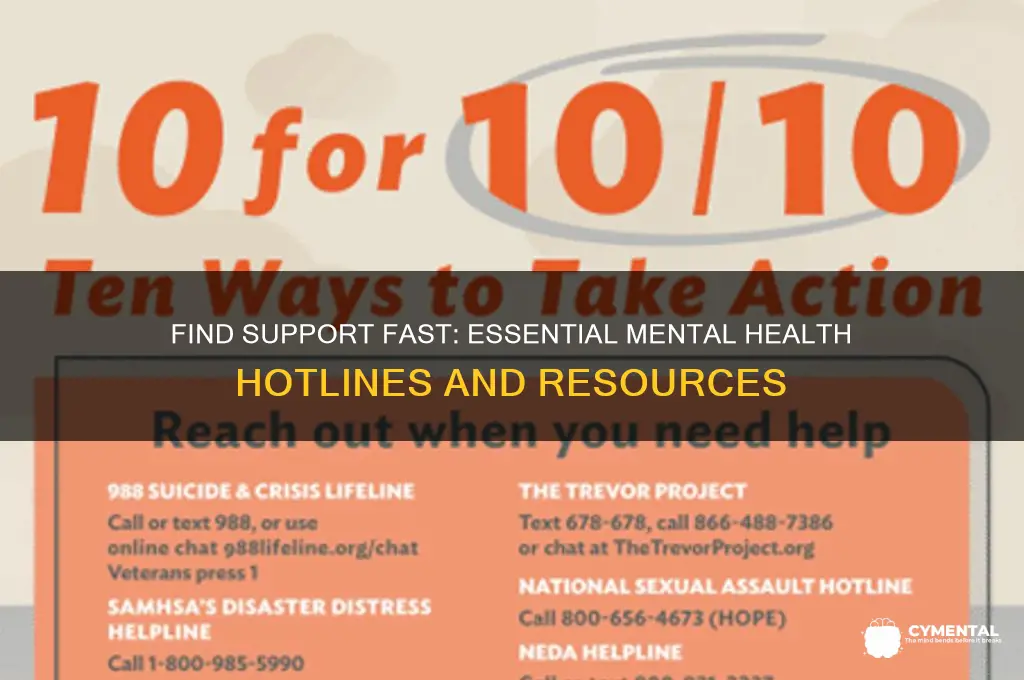
Seeking help for mental health concerns is a crucial step towards well-being, and knowing where to turn can make all the difference. Numerous resources are available, including national hotlines like the National Alliance on Mental Illness (NAMI) Helpline, the Crisis Text Line, and the Substance Abuse and Mental Health Services Administration (SAMHSA) National Helpline, which offer immediate support and guidance. Local mental health clinics, community health centers, and telehealth platforms also provide accessible options for therapy and counseling. Additionally, many employers offer Employee Assistance Programs (EAPs) that include mental health services. For emergencies, calling 911 or visiting the nearest emergency room ensures prompt care. Reaching out to trusted friends, family, or religious leaders can also provide emotional support while connecting with professional help. Remember, taking the first step to call for assistance is a sign of strength, and help is always available.
| Characteristics | Values |
|---|---|
| National Helplines (USA) | SAMHSA National Helpline: 1-800-662-HELP (4357) |
| Crisis Hotlines | National Suicide Prevention Lifeline: 988 (available 24/7) |
| Text-Based Support | Crisis Text Line: Text HOME to 741741 |
| Veterans Support | Veterans Crisis Line: 988 (Press 1) or text 838255 |
| LGBTQ+ Support | The Trevor Project: 1-866-488-7386 (Lifeline) or text START to 678678 |
| Youth & Teen Support | Teen Line: 1-800-852-8336 (6 PM–10 PM PST) |
| International Helplines | Befrienders Worldwide: Country-specific numbers |
| Online Resources | MentalHealth.gov, NAMI (National Alliance on Mental Illness) |
| Emergency Services | Call 911 (USA) or local emergency number for immediate assistance |
| Confidentiality | All services are confidential unless there is an immediate risk of harm |
| Availability | Most services are available 24/7 |
| Languages Supported | Many services offer multilingual support (e.g., Spanish, Mandarin) |
| Cost | Free or low-cost; no insurance required |
| Follow-Up Support | Some services provide referrals to local mental health resources |
Explore related products


What You'll Learn
- Local Crisis Hotlines: Find 24/7 crisis lines in your area for immediate mental health support
- National Helplines: Access nationwide resources like NAMI or SAMHSA for guidance and referrals
- Online Therapy Platforms: Connect with licensed therapists through apps like BetterHelp or Talkspace
- Community Mental Health Centers: Locate affordable, local clinics offering counseling and psychiatric services
- Emergency Services: Call 911 or visit the ER for urgent mental health crises

Local Crisis Hotlines: Find 24/7 crisis lines in your area for immediate mental health support
In moments of mental health crisis, immediate support can be a lifeline. Local crisis hotlines offer 24/7 access to trained professionals who understand the urgency of your situation. These services are designed to provide instant emotional relief, safety planning, and guidance on next steps, whether you’re experiencing anxiety, depression, suicidal thoughts, or other acute distress. Unlike national hotlines, local lines often connect you with resources specific to your community, such as nearby emergency services, counseling centers, or support groups.
To find a local crisis hotline, start by searching online for "[your city/county] mental health crisis line" or check your local health department’s website. Many areas also list these numbers on the back of insurance cards, in community resource guides, or through 211 (a nationwide service for local resources). If you’re unsure where to begin, texting "HOME" to 741741 connects you to the Crisis Text Line, which can help locate regional options. Keep these numbers saved in your phone or written down for quick access—preparation can make a critical difference when time is of the essence.
One key advantage of local hotlines is their familiarity with regional services. For example, if you’re in a rural area, they might direct you to telehealth options or mobile crisis units that travel to your location. In urban settings, they could recommend walk-in clinics or peer support programs. This localized knowledge ensures you receive relevant, actionable help rather than generic advice. Additionally, many local lines offer multilingual support, catering to diverse communities and ensuring language barriers don’t prevent access to care.
While local crisis hotlines are invaluable, it’s important to manage expectations. They are not a substitute for long-term therapy or medical treatment but rather a bridge to stability. If you’re calling about a recurring issue, the operator may encourage you to establish ongoing care with a mental health provider. For immediate safety concerns, such as suicidal intent or self-harm, they will prioritize de-escalation and may involve emergency services if necessary. Remember, reaching out is a sign of strength, and these services are here to support you without judgment.
Finally, consider sharing local hotline information with friends, family, or coworkers—awareness can save lives. Schools, workplaces, and community centers often have bulletin boards or newsletters where this information can be posted. By normalizing the use of crisis lines and reducing stigma, we create a safer, more supportive environment for everyone. In a crisis, knowing where to turn can be the first step toward healing.
Supporting Vulnerable Communities: Mental Health and Addiction Aid for the Homeless
You may want to see also
Explore related products


National Helplines: Access nationwide resources like NAMI or SAMHSA for guidance and referrals
In moments of crisis or uncertainty, national helplines serve as lifelines, offering immediate access to trained professionals who can provide guidance, support, and referrals to local resources. Organizations like the National Alliance on Mental Illness (NAMI) and the Substance Abuse and Mental Health Services Administration (SAMHSA) operate 24/7 hotlines staffed by experts who understand the complexities of mental health challenges. These services are free, confidential, and available to anyone, regardless of age, location, or insurance status. For instance, SAMHSA’s National Helpline (1-800-662-HELP) connects individuals to treatment facilities, support groups, and community-based organizations, while NAMI’s HelpLine (1-800-950-NAMI) offers peer support and education on mental health conditions.
Consider the practical steps involved in accessing these resources. First, identify the specific helpline that aligns with your needs—whether you’re seeking general mental health support, substance abuse assistance, or crisis intervention. Next, prepare to share basic information, such as your location and the nature of your concern, to help the operator provide tailored referrals. Keep a pen and paper handy to jot down recommendations, as these calls often yield actionable next steps, such as local therapy options or support group meetings. For parents or caregivers, NAMI also offers specialized guidance on navigating mental health challenges in children and adolescents, ensuring age-appropriate resources are provided.
One of the most compelling aspects of national helplines is their ability to bridge gaps in access to care. In rural or underserved areas, where mental health professionals may be scarce, these hotlines act as critical intermediaries, connecting individuals to telehealth services, online therapy platforms, or mobile crisis units. For example, SAMHSA’s Disaster Distress Helpline (1-800-985-5990) provides crisis counseling during emergencies, demonstrating the adaptability of these services to meet diverse needs. By leveraging federal and nonprofit funding, these organizations ensure that financial barriers do not prevent anyone from receiving help.
However, it’s essential to recognize the limitations of helplines. While they excel at providing immediate support and referrals, they are not a substitute for long-term therapy or medical treatment. If you or someone you know is in acute distress, prioritize calling 911 or visiting the nearest emergency room. National helplines are best utilized as a starting point—a way to gain clarity, access resources, and develop a plan for ongoing care. For instance, after calling NAMI or SAMHSA, follow up by scheduling an appointment with a local provider or joining a peer support group recommended during the call.
In conclusion, national helplines like those operated by NAMI and SAMHSA are indispensable tools in the mental health landscape. They offer a combination of expertise, empathy, and practicality, ensuring that no one has to face their struggles alone. By understanding how to use these services effectively—and when to seek additional support—individuals can take proactive steps toward healing and recovery. Whether you’re in crisis or simply seeking guidance, these nationwide resources are just a phone call away, ready to provide the help you need.
Supporting Your Partner: Strategies to Combat Mental Exhaustion Together
You may want to see also
Explore related products


Online Therapy Platforms: Connect with licensed therapists through apps like BetterHelp or Talkspace
Online therapy platforms like BetterHelp and Talkspace have revolutionized access to mental health care by connecting individuals with licensed therapists through digital interfaces. These platforms offer flexibility, allowing users to engage in therapy via text, video, or voice messages at their convenience. Unlike traditional in-person sessions, which require scheduling weeks in advance, online therapy provides immediate access to support, making it ideal for those with busy schedules or limited mobility. For instance, a working parent can exchange messages with their therapist during a lunch break or attend a video session after the kids are in bed. This accessibility is particularly beneficial for individuals in remote areas or those who feel more comfortable communicating from home.
While the convenience of online therapy is undeniable, it’s essential to evaluate its effectiveness for your specific needs. Research shows that online therapy can be as effective as in-person therapy for conditions like depression, anxiety, and PTSD, especially when using cognitive-behavioral therapy (CBT) techniques. However, it may not be suitable for severe mental health crises or individuals requiring intensive, hands-on interventions. For example, someone experiencing suicidal ideation should seek emergency services or crisis hotlines instead. Platforms like BetterHelp and Talkspace often include assessments to match users with therapists specializing in their concerns, ensuring a tailored approach. Always verify that the therapist is licensed in your state or country to ensure professional standards.
One of the standout features of online therapy platforms is their affordability compared to traditional therapy. While in-person sessions can range from $100 to $250 per hour, platforms like Talkspace offer subscription plans starting at $69 per week, including unlimited messaging and one live session. BetterHelp provides similar pricing, with financial aid available for those who qualify. These platforms often accept insurance, though coverage varies by provider and plan. For those on a tight budget, the cost-effectiveness of online therapy can make consistent mental health care more attainable. However, it’s crucial to review the terms of service, as some platforms require a minimum commitment period.
Despite their advantages, online therapy platforms have limitations that users should consider. The lack of face-to-face interaction may hinder non-verbal communication, such as body language, which some therapists rely on for assessment. Additionally, technical issues like poor internet connection can disrupt sessions. Privacy concerns are also valid, as digital communication carries risks of data breaches, though reputable platforms use encryption to protect user information. To maximize the benefits, users should create a quiet, private space for sessions and test their technology beforehand. Combining online therapy with other resources, like support groups or self-help apps, can enhance overall mental health care.
In conclusion, online therapy platforms offer a practical, accessible, and cost-effective solution for those seeking mental health support. By connecting users with licensed therapists through flexible digital formats, these platforms bridge gaps in traditional care systems. While they may not replace in-person therapy for all situations, they provide a valuable alternative for mild to moderate mental health concerns. To make the most of online therapy, users should assess their needs, choose a reputable platform, and actively engage in the process. With the right approach, online therapy can be a transformative tool for improving mental well-being.
Can 100 mcg of Vitamin B12 Boost Your Mental Well-being?
You may want to see also
Explore related products


Community Mental Health Centers: Locate affordable, local clinics offering counseling and psychiatric services
Community Mental Health Centers (CMHCs) are vital resources for individuals seeking affordable and accessible mental health care. These centers, often funded by federal and state programs, provide a range of services, including counseling, psychiatric evaluations, and medication management, typically on a sliding scale fee basis. This means that the cost of services is adjusted according to your income, making mental health care more attainable for low-income individuals and families. To locate a CMHC near you, start by visiting the Substance Abuse and Mental Health Services Administration (SAMHSA) website, which offers a comprehensive directory of federally funded health centers.
- Instructive) Begin your search by entering your zip code or city into SAMHSA’s treatment locator tool. This will generate a list of nearby clinics, along with contact information and details about the services they offer. When calling a CMHC, be prepared to provide basic information about your situation, such as your income level, insurance status, and the type of help you’re seeking. Many centers prioritize first-time appointments, so you may be able to schedule an initial consultation within a few weeks. If you’re in crisis, ask about same-day or walk-in services, which some CMHCs provide for urgent needs.
- Comparative) Unlike private practices, where fees can range from $100 to $250 per session, CMHCs often charge as little as $20 to $50 per visit for uninsured patients. This affordability doesn’t compromise quality; many centers are staffed by licensed therapists, psychiatrists, and social workers who provide evidence-based treatments. For example, cognitive-behavioral therapy (CBT) and medication management for conditions like depression and anxiety are commonly available. However, CMHCs may have longer wait times or fewer specialized services compared to private providers, so consider your priorities when choosing a care option.
- Descriptive) Walking into a CMHC, you’ll often find a welcoming environment designed to reduce stigma and promote healing. Many centers offer group therapy sessions, which can provide a sense of community and shared understanding. For instance, a CMHC might host weekly support groups for individuals dealing with grief, substance use, or chronic mental health conditions. These groups are typically led by trained facilitators and can be a valuable complement to individual counseling. Additionally, some centers provide case management services to help clients navigate housing, employment, and other social services, addressing the broader factors that impact mental health.
- Analytical) While CMHCs are an excellent resource, they are not a one-size-fits-all solution. For individuals with complex or severe mental health conditions, such as schizophrenia or bipolar disorder, specialized care from a private psychiatrist or hospital may be necessary. However, for many people, CMHCs serve as a critical entry point to the mental health system, offering timely and affordable care that can prevent more serious issues from developing. By leveraging these community-based resources, individuals can take proactive steps toward improving their mental well-being without facing financial barriers.
Red Flag Laws: A Lifeline for Mental Health Crisis Prevention
You may want to see also
Explore related products


Emergency Services: Call 911 or visit the ER for urgent mental health crises
In moments of acute mental health crisis, immediate action can be a lifeline. If you or someone you know is experiencing severe symptoms such as suicidal thoughts, self-harm, or psychosis, calling 911 or heading to the nearest emergency room (ER) is a critical first step. These services are equipped to handle urgent situations, providing rapid assessment, stabilization, and intervention to prevent harm. Unlike non-emergency resources, 911 and the ER prioritize speed and safety, ensuring that individuals in distress receive timely care.
Consider the scenario where a person is actively suicidal or unable to control their behavior due to a mental health episode. In such cases, waiting for a scheduled appointment or relying on hotlines may not suffice. Emergency services can dispatch trained professionals, including paramedics and crisis intervention teams, who can de-escalate the situation and transport the individual to a secure environment. The ER, staffed with psychiatrists, nurses, and social workers, can administer medications, perform evaluations, and arrange for inpatient hospitalization if necessary. This immediate response can be the difference between life and death.
While calling 911 or visiting the ER is essential in emergencies, it’s equally important to understand what constitutes a crisis. Warning signs include severe agitation, hallucinations, inability to care for oneself, or explicit threats of harm to self or others. For children and adolescents, behaviors like sudden aggression, withdrawal, or expressions of hopelessness warrant urgent attention. Adults over 65, particularly those with pre-existing conditions, may exhibit confusion or drastic mood changes that require immediate intervention. Recognizing these red flags ensures that emergency services are used appropriately and effectively.
A common concern is the stigma or fear associated with involving emergency services for mental health issues. However, these systems are designed to treat mental health crises with the same urgency as physical emergencies. Practical tips include staying calm when calling 911, clearly stating the nature of the crisis, and providing relevant details like medications or prior diagnoses. If heading to the ER, bring identification, insurance information, and a list of current medications to streamline the process. Remember, seeking help is a sign of strength, and emergency services are there to support you through the darkest moments.
Reading for Resilience: How Books Boost Mental Health and Well-Being
You may want to see also
Frequently asked questions
Call 911 or your local emergency services immediately. They can provide urgent assistance and connect you with crisis intervention resources.
Yes, you can call or text the 988 Suicide & Crisis Lifeline (dial 988) for 24/7 free and confidential support. Additionally, the National Alliance on Mental Illness (NAMI) Helpline (1-800-950-NAMI) offers assistance Monday through Friday, 10 a.m.–10 p.m. ET.
Contact your primary care physician, insurance provider, or local community health center for referrals. You can also visit websites like Psychology Today or the Substance Abuse and Mental Health Services Administration (SAMHSA) Treatment Locator to find therapists or treatment programs near you.

![Hana's Helpline - You're a Star [Import anglais]](https://m.media-amazon.com/images/I/51Y5GeF+H6L._AC_UY218_.jpg)
![Japanese TV Series - Yamegoku: Helpline Cop (Yakuza Yamete Itadakimasu) Blu-Ray Box (6BDS) [Japan BD] KIXF-283](https://m.media-amazon.com/images/I/41+O4s5-vuL._AC_UY218_.jpg)