Ava Ramirez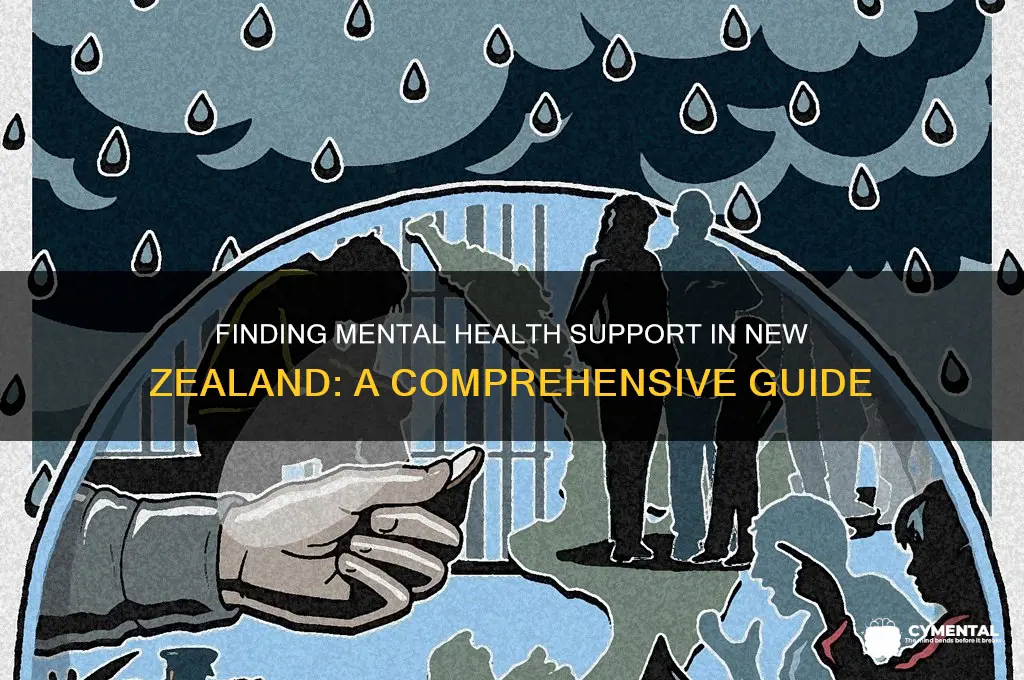
In New Zealand, accessing mental health support is crucial for overall well-being, and there are numerous resources available for those seeking assistance. From professional counseling services to community-based programs, individuals can find help through various channels such as the Ministry of Health, local District Health Boards (DHBs), and non-profit organizations like Lifeline and Youthline. Additionally, online platforms and helplines provide immediate support for urgent needs, ensuring that no one has to face mental health challenges alone. Understanding where to turn for help is the first step toward healing and recovery.
| Characteristics | Values |
|---|---|
| Government Services | Free or subsidized mental health services through District Health Boards (DHBs). |
| Crisis Helplines | 1737 (Need to talk?), Lifeline (0800 543 354), Youthline (0800 376 633). |
| Online Resources | Mental Health Foundation NZ, Healthline, All Right? website. |
| Community Mental Health Services | Access via GP referral or self-referral in some cases. |
| Private Therapists | Available for a fee; searchable via NZ Association of Counsellors (NZAC). |
| Peer Support Groups | Peer support services like Peer Support NZ, local community groups. |
| Cultural Specific Services | Services tailored for Māori (e.g., Te Ao Mārama), Pacific, and other communities. |
| Youth-Specific Services | Youthline, Skylight, and school-based counsellors. |
| Workplace Support | Employee Assistance Programmes (EAPs) offered by many employers. |
| Emergency Services | Call 111 for immediate mental health emergencies. |
| Funding Assistance | Subsidies available through ACC for trauma-related mental health issues. |
| Mobile Apps | Apps like Melon, Headspace, and Calm for self-help and mindfulness. |
| Rural Support | Rural Support Trust, Telehealth services for remote areas. |
| LGBTQIA+ Services | OUTLine NZ (0800 688 5463) for LGBTQIA+ mental health support. |
| Veterans' Support | Veterans' Affairs NZ provides mental health services for veterans. |
| Self-Help Tools | Workbooks, online courses, and self-assessment tools via MHFNZ. |
Explore related products


What You'll Learn
- Free Counseling Services: Access free counseling through local NGOs, community centers, or government-funded programs
- Online Therapy Platforms: Use platforms like Clearhead or Talkspace for virtual mental health support
- GP Referrals: Visit your GP for referrals to psychologists, psychiatrists, or mental health specialists
- Crisis Helplines: Call 1737 (Need to Talk) or Lifeline (0800 543 354) for immediate support
- Community Mental Health Teams: Contact local DHBs for access to specialized mental health services

Free Counseling Services: Access free counseling through local NGOs, community centers, or government-funded programs
In New Zealand, accessing free counseling services is a practical and often overlooked pathway to mental health support. Local NGOs, community centers, and government-funded programs provide these services, ensuring that financial barriers don’t prevent individuals from seeking help. For instance, organizations like *Youthline* offer free phone, text, and online counseling for young people, while *Lifeline Aotearoa* provides 24/7 crisis support for all ages. These services are staffed by trained volunteers and professionals who offer immediate assistance without requiring an appointment or referral.
To locate these resources, start by visiting the *Ministry of Health’s* website, which lists government-funded mental health programs. Alternatively, contact your local Citizens Advice Bureau (CAB) or community center, as they often maintain directories of free services in the area. For example, *The Aunties* in Auckland combines practical support with emotional counseling for vulnerable women, demonstrating how community-based initiatives integrate mental health care into broader social services. When reaching out, be prepared to describe your needs briefly; many organizations tailor their support based on age, cultural background, or specific issues like grief, addiction, or relationship difficulties.
One critical advantage of these services is their flexibility. Unlike traditional therapy, which often requires long-term commitment, free counseling through NGOs or community centers can be accessed as needed—whether for a single session or ongoing support. However, it’s important to note that while these services are free, they may have limitations, such as shorter session durations or wait times. For urgent needs, prioritize crisis lines like *1737, Need to Talk?*, which connects callers to trained counselors immediately.
A practical tip for maximizing these resources is to combine them with other free mental health tools. For instance, pair counseling sessions with self-help materials available through *Health Navigator NZ* or join community groups focused on mental well-being. Additionally, some NGOs offer group counseling or workshops, which can provide peer support alongside professional guidance. By layering these options, individuals can create a comprehensive support system without incurring costs.
In conclusion, free counseling services in New Zealand are a vital yet underutilized resource. By leveraging local NGOs, community centers, and government programs, individuals can access immediate, culturally sensitive, and flexible mental health support. While these services may not replace long-term therapy for everyone, they serve as a critical entry point for those facing financial or logistical barriers. Proactive research and willingness to explore multiple avenues will ensure you find the right fit for your needs.
Building Resilience: Empowering Kids to Develop Mental Toughness
You may want to see also
Explore related products

$10.88 $15.99


Online Therapy Platforms: Use platforms like Clearhead or Talkspace for virtual mental health support
In New Zealand, accessing mental health support has evolved beyond traditional face-to-face sessions, thanks to online therapy platforms like Clearhead and Talkspace. These platforms offer flexibility, anonymity, and accessibility, making them ideal for individuals with busy schedules, those in remote areas, or anyone preferring digital communication. For instance, Clearhead provides text-based therapy with licensed professionals, while Talkspace offers video, audio, and text options, catering to diverse preferences. Both platforms eliminate the need for travel, reducing barriers to care.
Consider the practical steps to get started. First, visit the platform’s website and complete a brief assessment to match you with a suitable therapist. Clearhead, for example, pairs you within 24 hours, while Talkspace allows you to choose from available therapists. Next, set aside a quiet, private space for sessions to ensure confidentiality. Most platforms recommend using a stable internet connection and a device with a camera and microphone for video sessions. Payment options vary; Clearhead offers subscription plans starting at $65 per week, while Talkspace’s pricing depends on the frequency of sessions.
One of the standout advantages of these platforms is their scalability. Whether you need weekly sessions or occasional check-ins, you can adjust the frequency based on your needs. For instance, a university student managing exam stress might opt for bi-weekly sessions, while someone dealing with long-term anxiety could benefit from consistent weekly support. Additionally, these platforms often provide resources like mindfulness exercises or journaling prompts to supplement therapy, enhancing overall mental wellness.
However, online therapy isn’t a one-size-fits-all solution. It may not be suitable for severe mental health conditions requiring immediate intervention, such as acute depression or suicidal ideation. In such cases, contacting local crisis services like Lifeline (0800 543 354) or visiting an emergency department is crucial. Moreover, some individuals may find the lack of in-person interaction less engaging. If you prefer face-to-face communication, consider combining online therapy with occasional in-person sessions for a balanced approach.
In conclusion, online therapy platforms like Clearhead and Talkspace offer a modern, convenient way to access mental health support in New Zealand. By understanding their features, costs, and limitations, you can determine if they align with your needs. Whether you’re seeking flexibility, anonymity, or supplementary resources, these platforms provide a valuable tool in the mental health toolkit. Start by exploring their websites, assessing your preferences, and taking the first step toward prioritising your well-being.
Transitioning and Mental Health: Exploring the Impact of Gender Affirmation
You may want to see also
Explore related products


GP Referrals: Visit your GP for referrals to psychologists, psychiatrists, or mental health specialists
In New Zealand, your General Practitioner (GP) is often the first point of contact for mental health concerns. They play a crucial role in assessing your needs and connecting you with the right specialist. Here’s how GP referrals work and why they’re a vital step in accessing mental health support.
Steps to Take: Begin by booking an appointment with your GP. Be open and honest about your symptoms, concerns, and how they’re impacting your daily life. Your GP will conduct an assessment, which may include questions about your mood, sleep, appetite, and any stressors. Based on this, they can refer you to a psychologist, psychiatrist, or other mental health specialist. If you’re under 17, your GP might refer you to youth-specific services like Youth One Stop Shop (YOSS) or Youth Primary Mental Health. For adults, referrals could include access to publicly funded services like Primary Mental Health Services or private specialists, depending on your needs and eligibility.
Cautions to Consider: While GPs are trained to identify mental health issues, their expertise lies in general medicine, not specialised mental health care. This means their assessment might not always capture the full complexity of your condition. Additionally, wait times for publicly funded services can be long, and private specialists often require out-of-pocket expenses. If you’re in crisis, a GP referral might not be the fastest route—in such cases, contact crisis services like Lifeline (0800 543 354) or free text 1737 immediately.
Practical Tips: To make the most of your GP visit, prepare beforehand. Write down your symptoms, any triggers, and how long you’ve been experiencing them. If you’re unsure what to say, start with, “I’ve been feeling [e.g., overwhelmed, anxious, low] and it’s affecting my [work, relationships, sleep].” Ask your GP about the Mental Health Care Plan (MHC), which can subsidise up to 12 sessions with a psychologist or counsellor. If you’re referred to a psychiatrist, note that they’re the only specialists who can prescribe medication, such as antidepressants or mood stabilisers, which may require dosage adjustments over time.
Takeaway: GP referrals are a structured pathway to specialised mental health care in New Zealand. They ensure you’re matched with the right professional, whether it’s a psychologist for talk therapy, a psychiatrist for medication management, or another specialist. While the process has its limitations, it’s a critical first step in addressing mental health concerns. By being proactive and informed, you can navigate this system more effectively and access the support you need.
Gaming for Mental Health: Empowering Elmagplayers' Well-being and Resilience
You may want to see also
Explore related products

$12.14 $19.99

$10.21 $18.95


Crisis Helplines: Call 1737 (Need to Talk) or Lifeline (0800 543 354) for immediate support
In moments of crisis, every second counts. That’s why New Zealand has established dedicated helplines like 1737 (Need to Talk) and Lifeline (0800 543 354) to provide immediate support when you’re overwhelmed, anxious, or in distress. These services are staffed by trained professionals who are equipped to listen, offer guidance, and help you navigate through the storm. Unlike general helplines, these numbers are specifically tailored for mental health emergencies, ensuring you receive the right kind of support at the right time.
How to Use These Helplines Effectively: If you’re feeling suicidal, panicked, or simply unable to cope, don’t hesitate to call. For 1737, simply dial the number and press 2 to speak with a counsellor immediately—it’s free and available 24/7. Lifeline operates similarly, offering phone support as well as text options (4357) for those who find speaking difficult. Both services are confidential, meaning your conversations remain private. If you’re calling on behalf of someone else, be prepared to provide context, but remember, the focus will always be on the person in crisis.
What Sets These Helplines Apart? While many mental health resources require appointments or waiting periods, 1737 and Lifeline are designed for instant access. They’re particularly useful for acute situations where you need someone to talk to right away. For example, if you’re experiencing a panic attack, the counsellors can guide you through breathing exercises or grounding techniques in real time. Unlike online forums or apps, these helplines offer human connection, which can be crucial when you’re feeling isolated or misunderstood.
Practical Tips for First-Time Callers: It’s normal to feel nervous about reaching out, but remember, these services exist to help you. Before calling, find a quiet, safe space where you can speak freely. If you’re unsure what to say, start with how you’re feeling—whether it’s “I’m scared” or “I don’t know what to do.” The counsellor will take it from there. If you’re calling for a friend, let the counsellor know so they can tailor their approach. Lastly, if you’re unsure which number to call, 1737 is a great starting point for mental health crises, while Lifeline offers broader support, including for loneliness or relationship issues.
The Takeaway: Crisis helplines like 1737 and Lifeline are lifelines in the truest sense—they’re there to catch you when you’re falling. They’re not a replacement for long-term therapy or medical treatment, but they’re an essential tool for immediate relief. Knowing these numbers and how to use them could make all the difference in a moment of crisis. Save them in your phone, write them down, and share them with loved ones. In New Zealand, help is just a call away.
Running's Transformative Power: Physical, Social, and Mental Benefits Unveiled
You may want to see also
Explore related products


Community Mental Health Teams: Contact local DHBs for access to specialized mental health services
In New Zealand, Community Mental Health Teams (CMHTs) serve as a vital resource for individuals seeking specialized mental health support. These teams, operated under the umbrella of local District Health Boards (DHBs), provide tailored care for people experiencing moderate to severe mental health challenges. Unlike general practitioners or counsellors, CMHTs consist of multidisciplinary professionals, including psychiatrists, psychologists, mental health nurses, social workers, and occupational therapists. This collaborative approach ensures comprehensive treatment plans that address the unique needs of each client.
Accessing a CMHT begins with a referral, typically initiated by a GP or another health professional. Once referred, individuals undergo an assessment to determine the most appropriate level of care. CMHTs offer a range of services, from medication management and psychotherapy to crisis intervention and community support programs. For instance, a person with schizophrenia might receive regular visits from a community psychiatric nurse, attend group therapy sessions, and work with an occupational therapist to develop daily living skills. This integrated model fosters recovery by addressing mental health issues within the context of an individual’s broader life circumstances.
One of the key advantages of CMHTs is their focus on community-based care, which allows individuals to receive treatment while remaining in their own homes and environments. This approach contrasts with inpatient care and is particularly beneficial for those who thrive in familiar settings. However, it’s important to note that CMHTs are not a one-size-fits-all solution. Eligibility criteria vary by DHB, and wait times can be longer for non-urgent cases. For urgent mental health concerns, individuals should contact their local Crisis Assessment and Treatment (CAT) team or call 111 for immediate assistance.
To connect with a CMHT, start by contacting your local DHB’s mental health services. Most DHBs have dedicated phone lines or online portals for inquiries. If you’re unsure how to proceed, your GP can guide you through the referral process. Practical tips include keeping a journal of symptoms and concerns to share during assessments and asking about available peer support programs, which often complement CMHT services. By leveraging the expertise of CMHTs, individuals can access evidence-based care that promotes long-term mental well-being.
In summary, Community Mental Health Teams offer a specialized, community-focused approach to mental health care in New Zealand. While the referral process may seem daunting, the collaborative and individualized nature of CMHT services makes them a valuable resource for those with complex needs. Understanding how to access these teams and what to expect can empower individuals to take proactive steps toward recovery. For anyone navigating mental health challenges, reaching out to a local DHB is a crucial first step toward finding the support they need.
Centerville River Hills: Teen Mental Health Support Options Explored
You may want to see also
Frequently asked questions
New Zealand offers several free services, including 1737, Need to Talk (a 24/7 mental health helpline), Lifeline (0800 543 354), and Youthline (0800 376 633). These provide immediate support, counseling, and advice.
You can access a therapist through GP referrals, Accident Compensation Corporation (ACC) for trauma-related support, or by searching directories like the New Zealand Association of Counsellors (NZAC) or Psychology.org.nz. Some services are subsidised or free.
Yes, apps like Melon (for youth mental health), Headspace, and Calm are popular. Websites such as Mental Health Foundation NZ and Health Navigator NZ offer free resources, tools, and information.
In an emergency, call 111 for immediate assistance. Alternatively, visit your nearest Emergency Department or contact Crisis Teams available in most regions. The 1737 helpline also provides urgent support.