Harper Lewis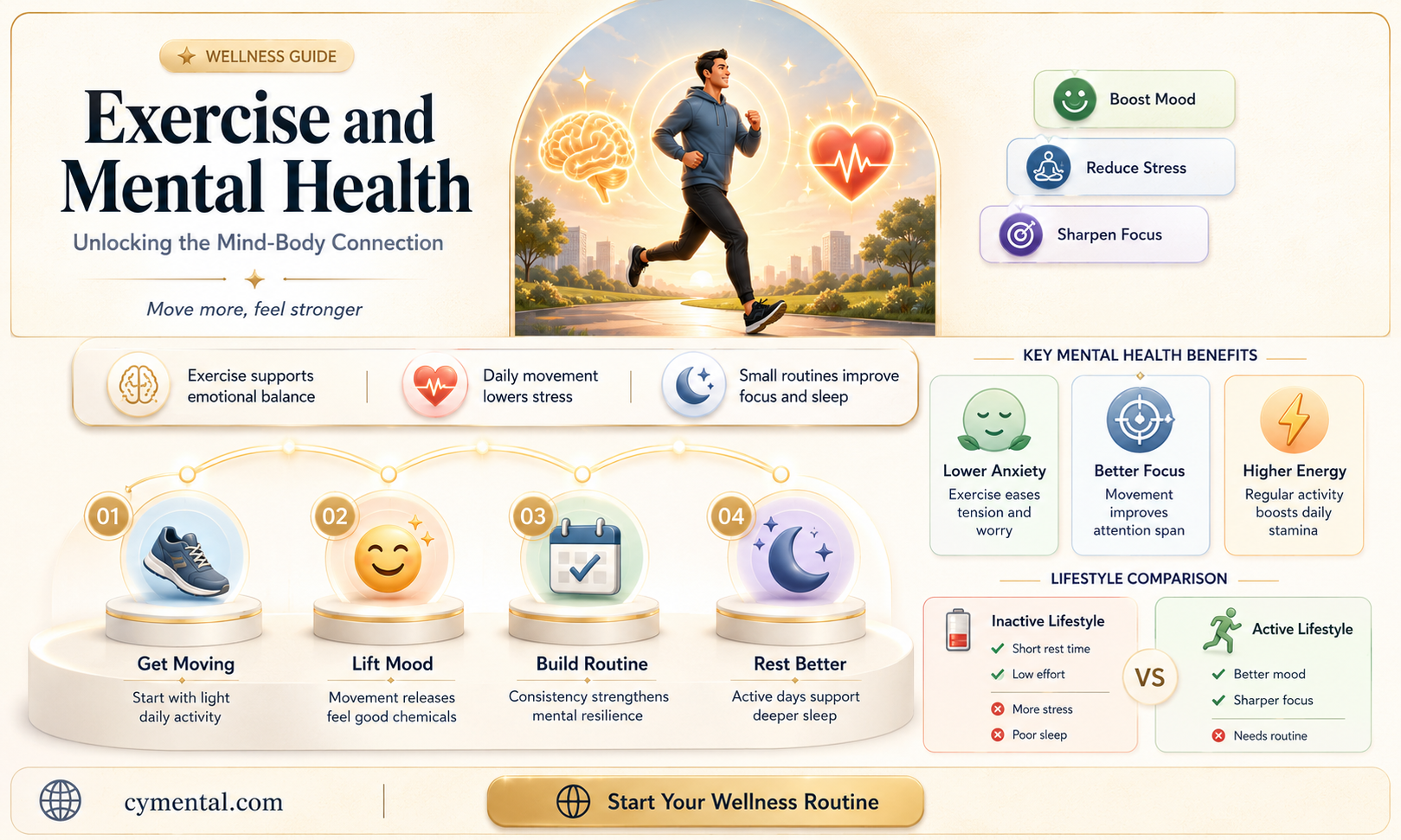
Working out is often associated with physical health benefits, such as weight loss and muscle gain, but its impact on mental well-being is equally significant. Numerous studies have shown that regular physical activity can reduce symptoms of anxiety and depression, improve mood, and enhance overall cognitive function. Exercise triggers the release of endorphins, often referred to as feel-good hormones, which can alleviate stress and promote a sense of happiness. Additionally, engaging in physical activity provides a distraction from negative thoughts, fosters a sense of accomplishment, and can even improve sleep quality, all of which contribute to better mental health. Whether it’s a brisk walk, a yoga session, or a high-intensity workout, incorporating exercise into one’s routine can be a powerful tool for maintaining and improving mental well-being.
Explore related products

$6.79 $14.99


$14.97


What You'll Learn
- Stress Reduction: Physical activity lowers cortisol, boosts endorphins, and reduces stress levels effectively
- Mood Enhancement: Exercise increases serotonin and dopamine, improving mood and reducing anxiety
- Cognitive Function: Regular workouts enhance memory, focus, and overall brain health
- Sleep Quality: Exercise regulates sleep patterns, promoting deeper and more restful sleep
- Self-Esteem Boost: Achieving fitness goals fosters confidence and a positive self-image

Stress Reduction: Physical activity lowers cortisol, boosts endorphins, and reduces stress levels effectively
Stress is an inevitable part of life, but its management is where physical activity steps in as a powerful tool. When you engage in exercise, your body undergoes a series of biochemical changes that directly combat stress. One of the most significant is the reduction of cortisol, often referred to as the stress hormone. Studies show that moderate-intensity exercise, such as a 30-minute brisk walk or a cycling session, can lower cortisol levels by up to 15%. This decrease is not just temporary; consistent physical activity can lead to long-term cortisol regulation, making you more resilient to daily stressors.
While cortisol dips, another chemical takes center stage: endorphins. These natural mood lifters are released during physical activity, creating what many refer to as a "runner’s high." Endorphins interact with receptors in your brain to reduce pain perception and trigger positive feelings. Even a short 20-minute workout can stimulate endorphin release, providing immediate stress relief. For maximum benefit, incorporate activities you enjoy, such as dancing, swimming, or team sports, as enjoyment amplifies the endorphin response.
The stress-reducing effects of exercise aren’t just chemical—they’re also psychological. Physical activity serves as a distraction from stressors, allowing your mind to break free from repetitive negative thoughts. For instance, mindfulness-based exercises like yoga or tai chi combine movement with breath control, fostering a meditative state that calms the mind. Research indicates that practicing yoga for just 10 minutes daily can significantly reduce stress levels, particularly in adults over 40 who may face age-related stressors.
To harness these benefits, start small and build consistency. Aim for at least 150 minutes of moderate aerobic activity or 75 minutes of vigorous activity weekly, as recommended by health guidelines. Break this into manageable chunks, like three 30-minute sessions of jogging or five 15-minute high-intensity interval training (HIIT) workouts. Pair this with strength training twice a week to optimize results. Remember, the goal isn’t perfection but progress. Even on stressful days, a quick walk or stretch can make a noticeable difference.
Finally, tailor your approach to your lifestyle and preferences. If you’re a morning person, a sunrise jog might set a calm tone for the day. Night owls could benefit from an evening workout to unwind. For those with busy schedules, incorporating movement into daily routines—like taking the stairs or doing desk stretches—can accumulate stress-relieving benefits. By understanding the science and applying practical strategies, physical activity becomes more than exercise; it’s a sustainable way to reclaim mental peace.
Music's Healing Power: Boosting Mental Health and Well-being
You may want to see also
Explore related products




Mood Enhancement: Exercise increases serotonin and dopamine, improving mood and reducing anxiety
Exercise isn't just about building muscle or shedding pounds; it's a powerful tool for rewiring your brain chemistry. At the heart of this transformation are serotonin and dopamine, neurotransmitters crucial for mood regulation. Think of serotonin as your brain's natural "feel-good" chemical, promoting feelings of happiness and well-being, while dopamine acts as the reward system, motivating you and driving pleasure.
Studies consistently show that physical activity, even moderate-intensity workouts like brisk walking or cycling, significantly boosts serotonin and dopamine production. A 2018 meta-analysis published in the *Journal of Psychiatric Research* found that exercise interventions were as effective as antidepressant medication in reducing symptoms of depression, highlighting its potent impact on mood.
Imagine this: a 30-minute jog in the park isn't just burning calories; it's triggering a cascade of biochemical reactions. Your brain, sensing the physical exertion, releases endorphins, natural painkillers that contribute to the infamous "runner's high." Simultaneously, increased blood flow delivers more oxygen and nutrients to your brain, fostering an environment conducive to neurotransmitter synthesis. Over time, regular exercise strengthens neural pathways associated with positive emotions, essentially rewiring your brain for greater resilience against stress and anxiety.
For optimal mood-boosting benefits, aim for at least 150 minutes of moderate-intensity aerobic exercise or 75 minutes of vigorous-intensity exercise per week, as recommended by the World Health Organization. This could translate to three 50-minute brisk walks or two 30-minute HIIT sessions weekly. Remember, consistency is key; even short, regular workouts can yield significant results.
While the science is compelling, it's important to acknowledge individual differences. The intensity and type of exercise that works best for mood enhancement can vary. Some may find solace in the meditative rhythm of yoga, while others thrive on the adrenaline rush of high-intensity interval training. Experiment with different activities and listen to your body's response.
Incorporating exercise into your routine doesn't have to be daunting. Start small, perhaps with a 10-minute walk during your lunch break or a few bodyweight exercises at home. Gradually increase duration and intensity as you build stamina and confidence. Remember, the goal isn't to become a fitness guru overnight, but to harness the power of movement to cultivate a happier, healthier you.
Exploring Ayahuasca's Potential in Treating Mental Health Disorders
You may want to see also
Explore related products


Cognitive Function: Regular workouts enhance memory, focus, and overall brain health
Regular physical activity isn't just about building muscle or shedding pounds—it's a powerful tool for sharpening your mind. Numerous studies have shown that exercise has a profound impact on cognitive function, particularly in the areas of memory, focus, and overall brain health. For instance, a 2019 study published in the *British Journal of Sports Medicine* found that regular aerobic exercise, such as brisk walking or cycling, can increase the size of the hippocampus, the brain region responsible for memory and learning. This is especially significant for older adults, as age-related cognitive decline can be mitigated with consistent physical activity.
To harness these benefits, aim for at least 150 minutes of moderate-intensity aerobic exercise per week, as recommended by the World Health Organization. This can be broken down into 30 minutes of activity, five days a week. Incorporating strength training exercises twice a week further enhances cognitive benefits by promoting overall brain health. For those short on time, even shorter bursts of high-intensity interval training (HIIT) have been shown to improve focus and memory. A study from the *Journal of Cognitive Neuroscience* revealed that just 20 minutes of HIIT can boost working memory performance in young adults.
The mechanism behind these cognitive enhancements lies in increased blood flow to the brain and the release of neurotrophic factors, such as brain-derived neurotrophic factor (BDNF). BDNF stimulates the growth of new neurons and strengthens existing neural connections, which are crucial for memory and learning. Additionally, exercise reduces inflammation and oxidative stress, both of which are linked to cognitive decline. For older adults, combining aerobic exercise with activities that challenge the mind, like dancing or tai chi, can provide dual benefits by improving both physical and cognitive function.
Practical tips for integrating brain-boosting workouts into your routine include choosing activities you enjoy to ensure consistency, setting realistic goals, and tracking progress to stay motivated. For example, if you’re not a fan of traditional gym workouts, try swimming, hiking, or even gardening, which can be just as effective. Pairing exercise with social interaction, such as joining a group fitness class, can also amplify cognitive benefits by reducing stress and promoting mental well-being. Remember, the key is regularity—even small, consistent efforts can lead to significant improvements in memory, focus, and overall brain health.
Austin's Impact: How the City Boosts Mental Health and Well-Being
You may want to see also
Explore related products


Sleep Quality: Exercise regulates sleep patterns, promoting deeper and more restful sleep
Exercise isn't just about building muscle or shedding pounds; it's a powerful tool for regulating sleep patterns. Numerous studies have shown that regular physical activity can significantly improve sleep quality, helping you fall asleep faster, stay asleep longer, and wake up feeling more refreshed. This is because exercise helps to synchronize your body’s internal clock, or circadian rhythm, which plays a critical role in determining when you feel alert and when you feel sleepy. For instance, moderate aerobic exercise, such as brisk walking or cycling, has been found to increase the amount of deep sleep you get, the stage most crucial for physical restoration and cognitive function.
To harness these benefits, aim for at least 150 minutes of moderate-intensity exercise per week, as recommended by the World Health Organization. This can be broken down into 30 minutes of activity on most days. Timing matters, too. Morning or afternoon workouts are ideal, as exercising too close to bedtime can have a stimulating effect, making it harder to wind down. For older adults, who often experience sleep disturbances, even gentle exercises like yoga or tai chi can improve sleep quality by reducing stress and promoting relaxation. Consistency is key—irregular exercise patterns may not yield the same sleep-enhancing effects.
Consider this: a study published in the *Journal of Sleep Research* found that participants who engaged in regular moderate exercise experienced a 65% improvement in sleep quality compared to those who were sedentary. The mechanism behind this lies in the reduction of cortisol, the stress hormone, and the increase in body temperature during exercise, which later drops post-workout, signaling to the body that it’s time to sleep. Additionally, exercise boosts serotonin production, a precursor to melatonin, the hormone responsible for regulating sleep-wake cycles.
However, not all exercises are created equal when it comes to sleep. High-intensity interval training (HIIT) or vigorous workouts within 2 hours of bedtime can be counterproductive, as they elevate heart rate and core body temperature, potentially delaying sleep onset. Instead, opt for calming activities like stretching, light yoga, or a leisurely walk in the evening. For those with insomnia, combining exercise with other sleep hygiene practices, such as maintaining a consistent sleep schedule and creating a restful environment, can amplify benefits.
Incorporating exercise into your routine doesn’t require a gym membership or expensive equipment. Simple activities like dancing, gardening, or even household chores count toward your daily movement goals. The takeaway? Prioritize regular physical activity, tailor it to your schedule and preferences, and watch as your sleep quality—and overall mental well-being—improves. Exercise isn’t just a physical investment; it’s a mental one, too, starting with the restorative power of a good night’s sleep.
Grayson Allen's Mental Health: Addressing Concerns and Seeking Support
You may want to see also
Explore related products


Self-Esteem Boost: Achieving fitness goals fosters confidence and a positive self-image
Achieving fitness goals does more than transform your body—it rewires your self-perception. Every time you hit a milestone, whether it’s lifting a heavier weight, running an extra mile, or mastering a new yoga pose, your brain registers it as proof of capability. This tangible evidence of progress challenges self-doubt, replacing it with a growing belief in your ability to overcome challenges. For instance, a study published in the *Journal of Health Psychology* found that individuals who consistently met fitness goals reported a 25% increase in self-esteem over six months. The key lies in setting SMART goals (Specific, Measurable, Achievable, Relevant, Time-bound) to ensure each victory is clear and undeniable.
Consider the psychological mechanism at play: dopamine, the brain’s reward chemical, spikes when you achieve something meaningful. Fitness goals act as structured opportunities for this dopamine release, creating a positive feedback loop. For example, a 30-year-old office worker who commits to a 30-minute daily walk might initially feel it’s insignificant. Yet, after a month, the cumulative effect of meeting this goal daily can shift their self-narrative from “I’m too busy” to “I’m disciplined and capable.” This shift isn’t just motivational—it’s neurological, as repeated goal achievement strengthens neural pathways associated with self-worth.
However, the self-esteem boost from fitness isn’t automatic; it requires intentionality. Avoid the trap of comparing your progress to others, as this can erode confidence. Instead, focus on *your* baseline and track improvements relative to yourself. For instance, a teenager starting a strength training program should measure success by their own strength gains, not by how much a peer can lift. Practical tips include keeping a progress journal, celebrating small wins (like treating yourself to a non-food reward after a month of consistency), and reframing setbacks as learning opportunities rather than failures.
The age-old debate of “how much is enough?” has a clear answer here: consistency trumps intensity. A meta-analysis in *Sports Medicine* revealed that even moderate exercise (150 minutes weekly) significantly enhances self-esteem across all age groups. For older adults, this might mean three 30-minute sessions of low-impact cardio and strength training, while younger individuals could benefit from higher-intensity interval training. The common thread? Regularity. Missed days don’t negate progress—they’re part of the process. What matters is returning to the routine, reinforcing the identity of someone who keeps commitments to themselves.
Finally, the self-esteem boost from fitness extends beyond the gym. It permeates other areas of life, fostering a mindset of “If I can do this, I can do anything.” A college student who completes a 5K race might find themselves more confident in tackling a challenging exam, while a mid-career professional could approach workplace negotiations with newfound assertiveness. This crossover effect is why fitness goals aren’t just physical—they’re transformative. By treating each workout as a micro-goal, you’re not just building muscle or endurance; you’re constructing a self-image rooted in resilience and achievement.
Hypnosis and Mental Health: Exploring Its Potential as a Therapeutic Tool
You may want to see also
Frequently asked questions
Yes, working out has been scientifically proven to improve mental health by reducing symptoms of anxiety, depression, and stress. Physical activity releases endorphins, which are natural mood lifters, and promotes better sleep and overall well-being.
Even moderate exercise, such as 30 minutes of brisk walking or strength training a few times a week, can provide mental health benefits. Consistency is key—aim for at least 150 minutes of moderate exercise per week for optimal results.
Absolutely. Regular physical activity increases blood flow to the brain, enhances neuroplasticity, and improves cognitive functions like memory, attention, and problem-solving. It’s a natural way to boost mental clarity and productivity.