Ava Ramirez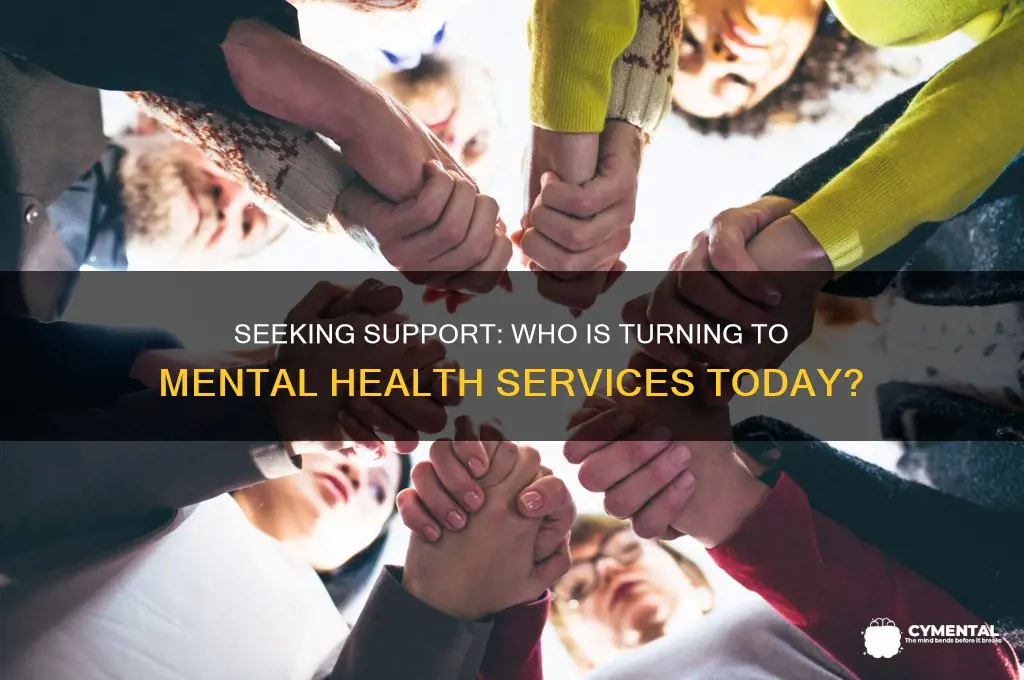
In today's fast-paced and often stressful world, an increasing number of individuals from diverse backgrounds and age groups are seeking mental health support. From young adults grappling with academic pressures and social media-induced anxiety to middle-aged professionals facing burnout and relationship challenges, the demand for mental health services is on the rise. Additionally, older adults dealing with isolation, grief, or chronic illnesses are also turning to therapy and counseling. This growing trend reflects a greater awareness of mental well-being and a reduction in the stigma surrounding mental health issues, encouraging more people to prioritize their emotional and psychological health.
Explore related products


What You'll Learn

Young adults seeking therapy
Young adults, typically defined as individuals aged 18 to 25, are increasingly recognizing the value of therapy as a tool for personal growth and mental well-being. This demographic faces unique challenges, including transitioning to independence, academic pressures, and the complexities of early adulthood relationships. As a result, many are proactively seeking mental health support to navigate these stressors effectively.
Consider the steps young adults can take to begin therapy. First, identify the type of therapy needed—options range from cognitive-behavioral therapy (CBT) for anxiety and depression to interpersonal therapy for relationship issues. Next, research therapists who specialize in young adult concerns, using platforms like Psychology Today or university counseling services. Initial consultations often involve discussing goals, such as managing stress or improving self-esteem, and determining the frequency of sessions, typically starting with weekly meetings.
A cautionary note: therapy is not a one-size-fits-all solution. Young adults should be prepared to try different therapists or modalities until they find the right fit. Additionally, while therapy is effective, it often works best when paired with self-care practices like regular exercise, adequate sleep, and mindfulness. Financial constraints can also be a barrier, but many therapists offer sliding-scale fees or accept insurance, making it more accessible.
The takeaway is clear: seeking therapy as a young adult is a proactive step toward building resilience and emotional health. By addressing mental health early, individuals can develop coping strategies that benefit them throughout their lives. This demographic’s growing openness to therapy signals a positive shift in how mental health is perceived and prioritized.
Overcoming Mental Blocks: Strategies to Support Gymnasts' Confidence and Performance
You may want to see also
Explore related products


Veterans coping with PTSD
One effective approach to managing PTSD is through evidence-based therapies such as Cognitive Behavioral Therapy (CBT) and Eye Movement Desensitization and Reprocessing (EMDR). CBT helps veterans identify and change negative thought patterns, while EMDR focuses on processing traumatic memories to reduce their emotional impact. For instance, a 32-year-old Army veteran who experienced combat in Afghanistan reported significant improvement in sleep quality and reduced hypervigilance after 12 weeks of EMDR sessions. Pairing therapy with medication, such as selective serotonin reuptake inhibitors (SSRIs), can also be beneficial. A typical dosage of sertraline, for example, ranges from 50 to 200 mg daily, depending on the severity of symptoms and individual response.
Support groups and peer-to-peer programs play a crucial role in the recovery process. Organizations like the Veterans of Foreign Wars (VFW) and Team Red, White & Blue offer community-based initiatives that foster camaraderie and understanding. These programs provide a safe space for veterans to share their experiences without fear of judgment. For example, a 45-year-old Marine Corps veteran found solace in a weekly hiking group, where physical activity combined with social interaction helped alleviate his feelings of isolation. Engaging in such activities not only promotes mental well-being but also encourages a healthier lifestyle, which is often disrupted by PTSD symptoms.
Technology has also emerged as a valuable tool in supporting veterans with PTSD. Mobile apps like PTSD Coach and Mindfulness Coach offer guided exercises, symptom tracking, and crisis intervention resources. These apps are particularly useful for veterans in rural areas with limited access to in-person care. Additionally, telehealth services have expanded access to mental health professionals, allowing veterans to receive therapy from the comfort of their homes. A study published in the *Journal of Clinical Psychology* found that telehealth sessions were as effective as in-person therapy for reducing PTSD symptoms in veterans aged 25 to 60.
Despite the availability of resources, barriers to care persist. Long wait times at VA hospitals, lack of awareness about available programs, and the stigma surrounding mental health remain significant challenges. Veterans can take proactive steps to overcome these obstacles by reaching out to local veteran service organizations, utilizing the VA’s Mental Health Services hotline (1-877-WAR-VETS), and educating themselves about their treatment options. Family members and friends also play a vital role by offering encouragement and understanding, helping to create an environment where seeking help is seen as a sign of strength, not weakness. By combining professional treatment, peer support, and self-care strategies, veterans coping with PTSD can embark on a path toward healing and resilience.
Accepting Compliments: A Simple Tool for Mental Health Recovery
You may want to see also
Explore related products





New mothers experiencing postpartum depression
Postpartum depression affects approximately 1 in 7 new mothers, yet many suffer in silence due to stigma, lack of awareness, or fear of judgment. Unlike the "baby blues," which resolve within two weeks, postpartum depression persists, manifesting as overwhelming sadness, anxiety, exhaustion, and difficulty bonding with the baby. Recognizing these symptoms is the first step toward seeking help, but societal expectations of maternal bliss often discourage women from speaking up. This silence can exacerbate the condition, making early intervention critical for both mother and child.
Consider the daily struggles of a new mother with postpartum depression: sleepless nights compounded by intrusive thoughts, a relentless sense of inadequacy, and the physical toll of childbirth. Practical steps can alleviate some of this burden. Partners and family members should actively share responsibilities, such as nighttime feedings or household chores, to reduce stress. New mothers should also prioritize self-care, even in small doses—a 10-minute shower, a short walk, or a conversation with a trusted friend. These actions, though minor, can provide moments of respite and clarity.
From a comparative perspective, postpartum depression differs significantly from general depression due to its hormonal triggers and the unique pressures of new motherhood. While antidepressants like SSRIs (e.g., sertraline or fluoxetine) are effective, dosage and safety during breastfeeding must be carefully managed by a healthcare provider. Therapy, particularly cognitive-behavioral therapy (CBT), offers another evidence-based option, often in conjunction with medication. Support groups, whether in-person or online, provide a sense of community and validation that individual therapy may lack.
Persuasively, it’s essential to reframe postpartum depression not as a personal failing but as a treatable medical condition. New mothers must be encouraged to advocate for themselves, starting with honest conversations with their healthcare providers. Employers and policymakers also have a role to play by offering extended maternity leave, affordable childcare, and workplace accommodations. Until systemic changes occur, grassroots efforts—like peer support networks or local resource directories—can fill critical gaps.
Descriptively, imagine a new mother finally reaching out for help: her voice trembles as she admits her struggles, but the relief is palpable. The journey ahead may be challenging, but with the right support, recovery is not just possible—it’s probable. Postpartum depression does not define her motherhood; it is merely a chapter in her story. By addressing it head-on, she takes the first step toward reclaiming her joy, her confidence, and her bond with her child.
Supporting Mental Health: Key Players Assisting Nigeria's Mentally Ill Population
You may want to see also
Explore related products


Students stressed by academics
Students are increasingly seeking mental health support as academic pressures mount, with a 2021 survey by the American College Health Association revealing that 66% of college students reported feeling overwhelming anxiety. This statistic underscores a growing crisis: the relentless pursuit of high grades, coupled with heavy workloads and competitive environments, is taking a toll on young minds. Unlike past generations, today’s students often juggle multiple responsibilities—part-time jobs, extracurriculars, and familial expectations—while navigating a digital landscape that blurs the line between study and downtime. The result? A perfect storm of stress, burnout, and mental exhaustion.
Consider the typical undergraduate experience: a 19-year-old biology major spends 4–6 hours daily in lectures, followed by 3–5 hours of self-study, often punctuated by late-night cramming sessions. Add to this the pressure of maintaining a GPA above 3.5 to secure scholarships or internships, and it’s no wonder anxiety disorders are on the rise. Practical strategies, such as the Pomodoro Technique (25 minutes of focus followed by a 5-minute break), can help manage study time effectively. However, systemic changes—like universities capping course loads or offering flexible deadlines—are equally critical to address the root causes of stress.
The comparison between high school and college stress levels is striking. While high school students report feeling pressured, college students face a unique challenge: the absence of structured support systems. In high school, teachers and parents often monitor progress, but in college, students must self-regulate. This transition can be overwhelming, particularly for first-year students. A 2020 study found that 45% of freshmen experience a significant decline in mental health within their first semester. To combat this, institutions should implement mandatory wellness workshops during orientation, teaching time management, stress reduction techniques, and the importance of seeking help early.
Persuasively, we must reframe how society views academic stress. It’s not a badge of honor to pull all-nighters or skip meals to meet deadlines. Instead, prioritizing mental health should be seen as a prerequisite for academic success. Students who allocate time for exercise, social connections, and hobbies perform better in exams and retain information longer. For instance, a 30-minute daily walk can reduce cortisol levels by 15%, improving focus and mood. Universities can encourage this by offering discounted gym memberships or integrating mindfulness sessions into curricula.
Descriptively, the mental health crisis among students is a silent epidemic, often hidden behind smiles and social media highlights. Imagine a dorm room at 2 a.m.: a student stares at a blank screen, their third cup of coffee cold, as a looming essay deadline triggers a panic attack. This scene is all too common, yet many suffer in isolation, fearing judgment or academic repercussions. Creating safe spaces—such as peer support groups or 24/7 helplines—can provide immediate relief. Equally important is destigmatizing therapy; universities should normalize counseling by offering free, confidential sessions without requiring a diagnosis.
In conclusion, addressing academic stress requires a multi-faceted approach: individual strategies, institutional reforms, and societal shifts. Students need tools to manage their time and emotions, but they also need environments that prioritize well-being over productivity. By acknowledging the unique challenges students face and taking proactive steps, we can ensure that the pursuit of knowledge doesn’t come at the cost of mental health. After all, a healthy mind is the foundation of a successful academic journey.
Capote's Complex Compassion: Aiding the Mentally Unstable Through Literature?
You may want to see also
Explore related products


Seniors dealing with isolation
Seniors often face a silent epidemic of isolation, exacerbated by retirement, loss of loved ones, and declining mobility. According to the National Council on Aging, approximately 14% of Americans aged 65 and older are socially isolated, a condition linked to increased risks of depression, anxiety, and cognitive decline. Unlike younger adults, seniors may lack digital literacy or access to online communities, leaving them with fewer avenues to connect. This demographic is uniquely vulnerable, as their mental health struggles are frequently overshadowed by physical health concerns, making their need for support both urgent and overlooked.
Consider the daily reality of a 72-year-old widow living alone in a suburban home. Her children visit sporadically, and her peers are dwindling due to age-related illnesses or relocation. She spends most days in solitude, her interactions limited to brief exchanges with grocery store clerks. This scenario is not uncommon; it’s a blueprint for millions. Isolation erodes mental resilience, turning minor stressors into insurmountable challenges. For seniors, the absence of regular social contact isn’t just lonely—it’s a threat to their emotional and psychological well-being.
Addressing this issue requires a multi-faceted approach. First, encourage seniors to engage in community programs tailored to their interests, such as senior centers offering art classes, book clubs, or gentle exercise groups. These activities provide structure and opportunities for connection. Second, leverage technology thoughtfully. Teach seniors to use video calls or social media platforms with simple, step-by-step instructions. Pair them with tech-savvy volunteers if needed. Third, promote intergenerational interactions, such as mentoring programs or shared hobby groups, which benefit both seniors and younger participants.
However, caution must be exercised. Pushing seniors into overwhelming social situations can backfire, causing anxiety or withdrawal. Start small, with low-pressure activities like weekly coffee meetups or short walks with a neighbor. Additionally, be mindful of physical limitations; ensure venues are accessible and activities are adaptable. Mental health professionals should also screen seniors for signs of isolation during routine check-ups, offering referrals to therapists or support groups when necessary.
In conclusion, seniors dealing with isolation require targeted, compassionate interventions. By combining community engagement, technology, and intergenerational connections, we can rebuild their social networks and fortify their mental health. The goal isn’t just to alleviate loneliness but to restore a sense of purpose and belonging. For this population, every effort to bridge the gap of isolation is a step toward a fuller, healthier life.
Recognizing and Recovering: Steps to Seek Support for Mental Abuse
You may want to see also
Frequently asked questions
People from all walks of life seek mental health help, including individuals dealing with stress, anxiety, depression, trauma, relationship issues, or life transitions. It’s not limited to any age, gender, or background.
Yes, young adults (ages 18–25) are often more likely to seek mental health help due to increased awareness, academic pressures, and the impact of social media on mental well-being.
Women are generally more likely to seek mental health help than men, possibly due to societal norms, greater openness to discussing emotions, and higher rates of certain conditions like anxiety and depression.
Yes, older adults seek mental health help for issues like loneliness, grief, chronic illness, and age-related challenges, though they may face barriers like stigma or lack of access to resources.
Absolutely. Professionals, high-achievers, and successful individuals often seek mental health help to manage burnout, perfectionism, work-related stress, or the pressure to maintain high performance.