Noah Parker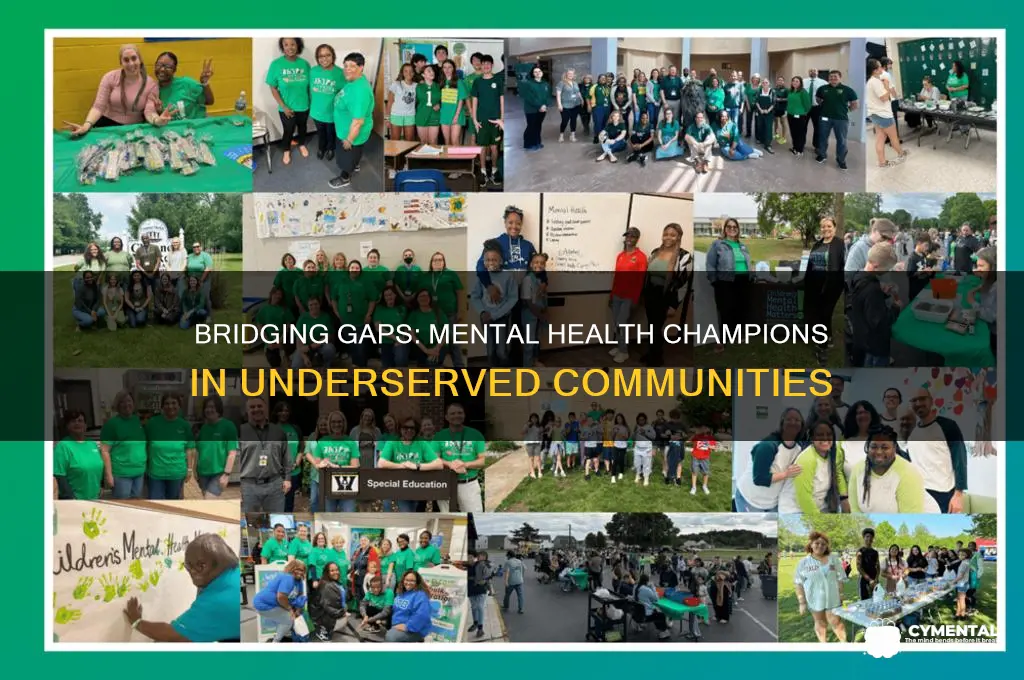
Addressing mental health in underserved communities requires dedicated efforts from a diverse range of stakeholders, including nonprofit organizations, government agencies, healthcare providers, and community leaders. These groups are working tirelessly to bridge the gap in access to mental health services by offering culturally sensitive programs, affordable therapy options, and community-based initiatives. Organizations like the National Alliance on Mental Illness (NAMI) and Mental Health America (MHA) play pivotal roles in advocacy and resource allocation, while local clinics and grassroots movements provide on-the-ground support. Additionally, mental health professionals and volunteers are increasingly stepping up to offer pro bono services, training, and education to empower these communities. Together, these efforts aim to dismantle barriers to care, reduce stigma, and ensure that everyone, regardless of socioeconomic status, has the support they need to thrive.
Explore related products


What You'll Learn
- Community Health Workers: Training local advocates to provide culturally sensitive mental health support
- Teletherapy Access: Expanding digital mental health services to reach remote underserved areas
- School-Based Programs: Integrating mental health education and counseling in underserved schools
- Faith-Based Initiatives: Partnering with religious leaders to address mental health stigma
- Affordable Clinics: Establishing low-cost or free mental health clinics in underserved neighborhoods

Community Health Workers: Training local advocates to provide culturally sensitive mental health support
In underserved communities, mental health disparities often stem from a lack of culturally competent care and limited access to resources. Community Health Workers (CHWs) are emerging as a vital solution, bridging this gap by providing localized, culturally sensitive support. Trained to understand the unique challenges of their communities, CHWs act as both advocates and navigators, ensuring mental health services are accessible, relatable, and effective. Their role is not to replace professionals but to complement them, offering a grassroots approach that fosters trust and reduces stigma.
Consider the training process for CHWs, which is tailored to equip them with essential skills while respecting their community’s cultural fabric. Programs typically include modules on active listening, crisis intervention, and basic mental health first aid. For instance, CHWs in rural areas might learn to identify signs of depression or anxiety within the context of local beliefs about mental illness. In urban settings, training may focus on addressing trauma related to systemic issues like poverty or violence. A key component is role-playing scenarios, allowing CHWs to practice culturally appropriate responses. For example, a CHW in a Somali immigrant community might be trained to incorporate Islamic teachings into their conversations about mental well-being, making the support more relatable and acceptable.
One of the most impactful aspects of CHWs is their ability to meet people where they are—literally and figuratively. Unlike traditional mental health services, which often require individuals to seek help in clinical settings, CHWs operate within the community. They conduct home visits, organize group sessions in local spaces, and even provide support during community events. This approach not only increases accessibility but also normalizes mental health conversations. For instance, a CHW in a Native American reservation might integrate mental health discussions into traditional storytelling sessions, preserving cultural practices while addressing contemporary challenges.
However, the success of CHWs relies on sustained support and resources. Funding for training programs, stipends for CHWs, and ongoing supervision are critical to ensuring their effectiveness. Organizations like the National Association of Community Health Workers (NACHW) advocate for policy changes to formalize and fund CHW roles. Additionally, partnerships with mental health professionals are essential for CHWs to provide accurate information and referrals. For example, a CHW might collaborate with a local therapist to co-facilitate workshops, combining clinical expertise with cultural insight.
In conclusion, Community Health Workers represent a transformative model for addressing mental health in underserved communities. By training local advocates to provide culturally sensitive support, they dismantle barriers to care and foster resilience at the grassroots level. Their work is a testament to the power of community-driven solutions, proving that effective mental health support begins with understanding and respecting the people it serves.
Nutrition for Mental Health: Foods to Support Emotional Recovery
You may want to see also
Explore related products


Teletherapy Access: Expanding digital mental health services to reach remote underserved areas
In remote underserved areas, where mental health resources are scarce, teletherapy emerges as a transformative solution. Organizations like the American Telemedicine Association and InStride Health are pioneering digital platforms that connect licensed therapists with individuals in rural or low-income regions. These services bypass geographical barriers, offering real-time video sessions, messaging, and even AI-driven tools for mood tracking. For instance, BetterHelp and Talkspace provide affordable subscription models, while Open Path Collective offers sliding-scale fees, ensuring accessibility for those with limited financial means. This shift democratizes mental health care, proving that technology can bridge gaps where physical infrastructure falls short.
However, expanding teletherapy access isn’t without challenges. Reliable internet connectivity remains a hurdle in many underserved areas, with FCC data showing that 22% of rural Americans lack broadband access. Additionally, digital literacy varies widely, particularly among older adults or those with limited education. To address this, initiatives like Project ECHO train local healthcare workers to facilitate teletherapy sessions, ensuring smoother integration into communities. Governments and NGOs must also invest in infrastructure, such as subsidizing internet access or deploying mobile clinics with built-in telehealth capabilities. Without these steps, even the most innovative platforms risk excluding those they aim to serve.
A compelling case study is Alaska’s telehealth program, which has successfully reached indigenous communities in remote villages. By partnering with tribal health organizations, the program provides culturally sensitive teletherapy sessions, addressing issues like trauma and substance abuse. Therapists are trained to understand local customs, ensuring trust and relevance. This model highlights the importance of tailoring digital mental health services to the unique needs of underserved populations. It’s not just about technology—it’s about creating a system that respects and engages the community it serves.
For individuals and organizations looking to implement teletherapy in underserved areas, here’s a practical roadmap: Step 1, assess local needs through community surveys or focus groups. Step 2, partner with existing healthcare providers or schools to establish trust and ensure cultural competency. Step 3, invest in user-friendly platforms that require minimal technical expertise, such as Doxy.me or Zoom for Healthcare. Step 4, provide training for both providers and clients, offering tutorials in local languages if necessary. Step 5, monitor outcomes through feedback loops, adjusting services to meet evolving needs. By following these steps, teletherapy can become a sustainable, impactful tool for mental health equity.
Ultimately, teletherapy’s potential to reach underserved areas is undeniable, but its success hinges on thoughtful implementation. It’s not a one-size-fits-all solution; it requires collaboration, cultural sensitivity, and a commitment to addressing underlying barriers. As technology advances, so too must our strategies for ensuring it serves everyone, not just those with privilege. In this way, teletherapy can become more than a tool—it can be a lifeline for those who need it most.
Hockey's Mental Health Benefits: Boosting Resilience and Well-being on the Ice
You may want to see also
Explore related products





School-Based Programs: Integrating mental health education and counseling in underserved schools
Underserved schools often lack the resources to address the growing mental health needs of their students. Integrating mental health education and counseling directly into these schools can bridge this gap, providing early intervention and support where it’s most needed. Programs like these not only destigmatize mental health but also equip students with coping skills, resilience, and access to professional help. For example, the *Sources of Strength* program, implemented in over 2,000 schools nationwide, trains peer leaders to promote help-seeking behaviors and connects at-risk students to school-based counselors. Such initiatives demonstrate how schools can become hubs of mental health support, fostering a culture of awareness and care.
To effectively integrate mental health services into underserved schools, a multi-tiered approach is essential. Tier 1 involves universal prevention, such as incorporating mental health lessons into health or social studies curricula for all students. For instance, the *Second Step* program, used in grades K–8, teaches emotional regulation, problem-solving, and empathy through 20–30-minute weekly lessons. Tier 2 targets at-risk students with small-group interventions, like cognitive-behavioral therapy sessions during lunch or after school. Tier 3 provides individualized counseling for students with severe needs, often facilitated by on-site therapists or partnerships with local mental health agencies. This layered system ensures that all students receive appropriate support, regardless of their needs.
One of the biggest challenges in implementing school-based mental health programs is securing sustainable funding and trained personnel. Schools in underserved communities often rely on grants, partnerships with nonprofits, or federal funding like the *School-Based Mental Health Services Grant* to cover costs. To address staffing shortages, some programs train school staff as mental health first aiders or use teletherapy services to connect students with remote counselors. For example, *Hazelden Betty Ford Foundation’s* teletherapy program has provided over 10,000 sessions to rural and urban schools, reducing wait times and increasing accessibility. Creative solutions like these can overcome resource barriers and ensure continuity of care.
The success of school-based mental health programs hinges on cultural sensitivity and community involvement. Programs must be tailored to reflect the values, languages, and experiences of the students they serve. For instance, in predominantly Latino communities, incorporating family-centered approaches, like *Familias Unidas*, can improve engagement and outcomes. Involving parents and community leaders in program design and implementation builds trust and encourages long-term participation. Schools should also collaborate with local organizations to provide wraparound services, such as food assistance or housing support, which often impact mental health. By centering equity and collaboration, these programs can address systemic barriers and create lasting change.
Evaluating the impact of school-based mental health programs requires clear metrics and ongoing assessment. Schools should track attendance rates, behavioral incidents, academic performance, and student self-reports of well-being to measure effectiveness. For example, a study of the *Positive Action* program found a 30% reduction in disciplinary actions and a 15% improvement in standardized test scores among participating students. Sharing these outcomes with stakeholders not only justifies continued funding but also inspires other schools to adopt similar models. Ultimately, integrating mental health into underserved schools isn’t just an intervention—it’s an investment in the future of communities.
Lady Gaga's Mental Health Journey: A Catalyst for Creative Success
You may want to see also
Explore related products


Faith-Based Initiatives: Partnering with religious leaders to address mental health stigma
Religious leaders often serve as trusted figures in underserved communities, wielding influence that extends beyond spiritual matters into the realm of mental health. Faith-based initiatives leverage this trust to dismantle stigma, educate congregations, and provide culturally sensitive support. For instance, the *Mental Health and Faith Community Partnership* in the U.S. trains clergy to recognize signs of mental illness and connect individuals to professional resources. This approach acknowledges that in many communities, faith leaders are the first—and sometimes only—point of contact for those in distress.
To implement such initiatives, start by fostering relationships between mental health professionals and local religious leaders. Workshops and joint training sessions can equip clergy with tools to address mental health issues without overstepping their role. For example, a pastor in a rural community might learn to identify symptoms of depression and refer congregants to a nearby clinic, ensuring continuity of care. Caution, however, must be taken to avoid conflating spiritual guidance with clinical treatment. Clear boundaries ensure that faith-based support complements, rather than replaces, professional intervention.
Persuasively, faith-based initiatives offer a unique advantage: they meet people where they are, both physically and culturally. In communities where Western mental health frameworks are met with skepticism, religious leaders can reframe mental illness as a treatable condition rather than a moral failing or spiritual weakness. A mosque in Detroit, for instance, launched a mental health awareness campaign during Ramadan, integrating teachings on self-care with Islamic principles of compassion. This culturally resonant approach increased participation and reduced stigma among attendees.
Comparatively, faith-based programs often outperform secular interventions in underserved areas due to their inherent accessibility and cultural relevance. While a community health fair might struggle to attract participants, a sermon on mental wellness delivered by a respected imam or pastor can reach hundreds. However, success hinges on collaboration. Mental health organizations must invest time in understanding the theological and cultural nuances of each faith community to tailor their messaging effectively.
Practically, here’s a step-by-step guide for launching a faith-based mental health initiative:
- Identify Partners: Engage with local religious leaders who are open to collaboration.
- Assess Needs: Conduct surveys or focus groups to understand community-specific mental health challenges.
- Provide Training: Offer workshops on mental health literacy, crisis intervention, and referral processes.
- Create Resources: Develop culturally appropriate materials, such as faith-based pamphlets or videos.
- Monitor Impact: Track participation rates, stigma reduction, and referrals to professional services.
In conclusion, faith-based initiatives are a powerful tool for addressing mental health stigma in underserved communities. By partnering with religious leaders, mental health advocates can bridge cultural gaps, build trust, and provide accessible support. The key lies in respectful collaboration, clear boundaries, and a commitment to meeting communities on their own terms.
Animal Companionship: Boosting Mental Health and Emotional Well-Being in Humans
You may want to see also
Explore related products


Affordable Clinics: Establishing low-cost or free mental health clinics in underserved neighborhoods
Underserved communities often face significant barriers to accessing mental health care, including high costs, lack of insurance, and a shortage of providers. Establishing low-cost or free mental health clinics in these neighborhoods can bridge this gap, offering critical support to those who need it most. Such clinics not only provide therapy and counseling but also serve as hubs for education, stigma reduction, and community empowerment. By prioritizing affordability and accessibility, these clinics ensure that financial constraints do not prevent individuals from seeking help.
One successful model is the sliding-scale fee structure, where patients pay based on their income. For instance, a family earning below the federal poverty line might receive services for free, while those with moderate incomes pay a reduced rate. Clinics like the Council on Recovery in Houston, Texas, have implemented this approach, ensuring that cost is never a barrier. Additionally, partnerships with local governments, nonprofits, and universities can provide funding and volunteer professionals, such as graduate students in psychology or social work, who offer services under supervision. This not only reduces costs but also provides valuable training opportunities for future mental health practitioners.
Another key strategy is integrating mental health services into existing community resources, such as schools, churches, or community centers. For example, the Steve Fund collaborates with colleges and universities to provide mental health services tailored to young adults of color, addressing both affordability and cultural relevance. By embedding clinics in familiar settings, they reduce the stigma associated with seeking help and increase accessibility for individuals who might otherwise avoid traditional healthcare facilities. Mobile clinics, like those operated by Clinica Romero in Los Angeles, further extend reach by traveling to underserved areas, offering on-the-spot counseling and referrals.
However, establishing affordable clinics is not without challenges. Sustainability is a major concern, as reliance on grants or donations can lead to instability. To address this, clinics can diversify funding sources by offering workshops or training programs for a fee, applying for government grants, or launching crowdfunding campaigns. Community involvement is also crucial; engaging local leaders and residents in planning and operations ensures that services are culturally sensitive and meet specific community needs. For example, the National Alliance on Mental Illness (NAMI) often works with local chapters to organize peer-led support groups, which complement clinical services and foster a sense of belonging.
In conclusion, affordable mental health clinics are a vital resource for underserved communities, but their success depends on thoughtful planning, innovative funding, and deep community engagement. By combining sliding-scale fees, strategic partnerships, and integrated service models, these clinics can provide life-changing support while addressing systemic barriers to care. As the need for mental health services continues to grow, such initiatives serve as a beacon of hope, proving that quality care can be both accessible and sustainable.
Boost Your Mental Health: Practical Tips for a Happier Mind
You may want to see also
Frequently asked questions
Key organizations include the National Alliance on Mental Illness (NAMI), Mental Health America (MHA), and the Substance Abuse and Mental Health Services Administration (SAMHSA). Additionally, local nonprofits, community health centers, and culturally specific organizations like the Boris Lawrence Henson Foundation play critical roles in providing accessible mental health services.
Government initiatives, such as SAMHSA’s Minority Fellowship Program and the Affordable Care Act, aim to increase access to mental health services in underserved communities. These programs fund training for diverse mental health professionals, expand Medicaid coverage, and support community-based programs to reduce disparities.
Mental health professionals contribute by offering pro bono services, participating in telehealth programs, and working in community clinics. Many also engage in advocacy, research, and training to address cultural barriers and improve mental health literacy in underserved populations.


![The Art of Advocacy: Briefs, Motions, and Writing Strategies of America's Best Lawyers [Connected eBook] (Aspen Coursebook)](https://m.media-amazon.com/images/I/71nFTPUXCiL._AC_UL320_.jpg)