Noah Parker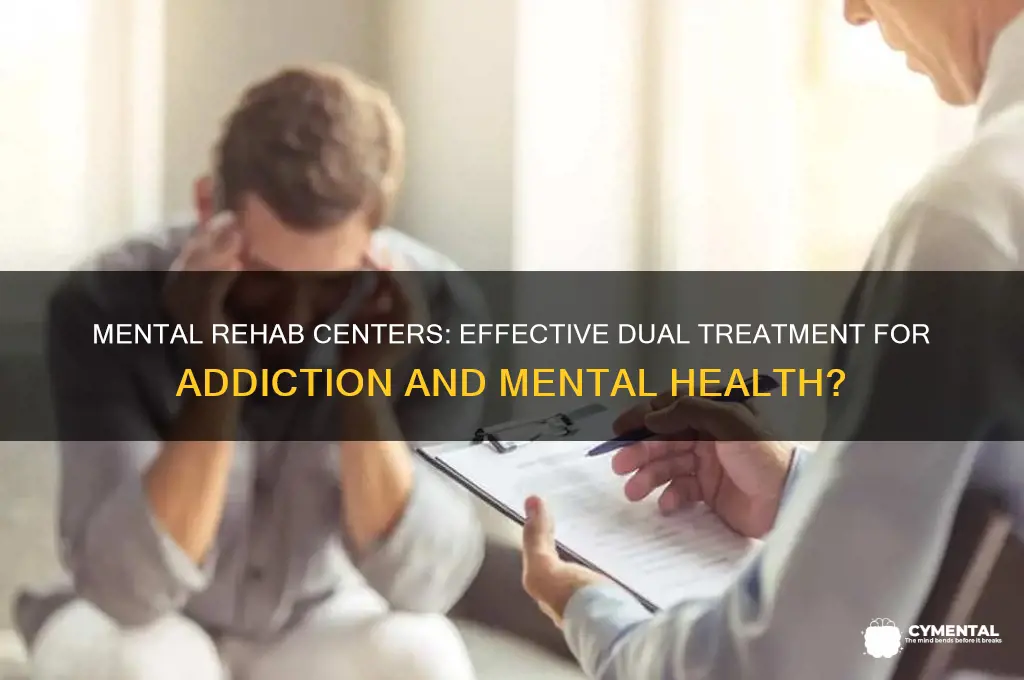
Mental rehab centers, also known as psychiatric rehabilitation facilities, are designed to provide comprehensive support for individuals struggling with mental health issues, but many also offer specialized programs to address co-occurring addiction disorders. These centers recognize the intricate link between mental health and substance abuse, often referred to as a dual diagnosis, and employ integrated treatment approaches to tackle both conditions simultaneously. By combining therapy, medication management, and holistic interventions, mental rehab centers aim to help individuals achieve long-term recovery from addiction while also managing their mental health symptoms, ultimately promoting overall well-being and a higher quality of life.
| Characteristics | Values |
|---|---|
| Dual Diagnosis Treatment | Many mental rehab centers offer dual diagnosis treatment, addressing both mental health disorders and addiction simultaneously. This integrated approach is crucial as these conditions often co-occur and influence each other. |
| Therapy Modalities | Cognitive Behavioral Therapy (CBT), Dialectical Behavior Therapy (DBT), and Motivational Interviewing are commonly used to treat both mental health issues and addiction. |
| Medication Management | Psychiatrists and medical professionals can prescribe and manage medications to treat mental health disorders, which may also help reduce cravings and withdrawal symptoms associated with addiction. |
| Individualized Treatment Plans | Treatment plans are tailored to address the specific needs of each individual, considering both mental health and addiction issues. |
| Group Therapy | Group sessions provide support and coping strategies for both mental health and addiction, fostering a sense of community and shared experience. |
| Holistic Approaches | Many centers incorporate holistic therapies like yoga, meditation, and art therapy to promote overall well-being and recovery. |
| Aftercare and Relapse Prevention | Comprehensive aftercare programs, including ongoing therapy and support groups, help individuals maintain recovery and prevent relapse for both mental health and addiction issues. |
| Family Involvement | Family therapy and education are often included to improve family dynamics and provide a supportive environment for recovery. |
| Evidence-Based Practices | Treatment is based on the latest research and evidence-based practices to ensure effectiveness in treating both mental health and addiction. |
| Length of Treatment | Programs can range from short-term (30 days) to long-term (90 days or more), depending on the severity of the conditions and individual needs. |
| Specialized Programs | Some centers offer specialized programs for specific populations, such as adolescents, veterans, or LGBTQ+ individuals, addressing unique challenges related to mental health and addiction. |
| Detox Services | Some mental rehab centers provide medically supervised detox services to safely manage withdrawal symptoms from addiction. |
| Psychoeducation | Education about mental health disorders and addiction helps individuals understand their conditions and develop effective coping strategies. |
| Support for Co-occurring Disorders | Treatment is designed to address the complex interplay between mental health disorders and addiction, ensuring comprehensive care. |
| Accessibility and Insurance | Many centers accept insurance and offer financial assistance to make treatment accessible to a wider range of individuals. |
Explore related products


What You'll Learn

Dual Diagnosis Treatment
Individuals with co-occurring mental health disorders and substance addiction often face a complex web of challenges. Dual diagnosis treatment addresses this intersection by simultaneously targeting both conditions, recognizing that each can exacerbate the other. For instance, someone with untreated depression might turn to alcohol as a coping mechanism, while prolonged substance abuse can trigger or worsen anxiety disorders. This integrated approach is crucial because treating only one condition often leads to relapse, as the underlying issues remain unresolved.
Consider the case of a 32-year-old with bipolar disorder and opioid addiction. Traditional rehab might focus solely on detoxification, but without addressing the mood disorder, the individual is at high risk of returning to opioids during manic or depressive episodes. Dual diagnosis programs, however, employ a multidisciplinary team—psychiatrists, therapists, and addiction specialists—to create a tailored plan. This might include mood stabilizers like lithium (dosage: 900–1,200 mg/day) alongside cognitive-behavioral therapy (CBT) sessions to develop healthier coping strategies.
A key component of dual diagnosis treatment is medication management. For example, buprenorphine (4–16 mg/day) can reduce opioid cravings, while antidepressants such as sertraline (50–200 mg/day) may alleviate symptoms of depression. However, caution is necessary: some medications interact negatively with substances, and withdrawal symptoms can mimic mental health episodes. Regular monitoring by a psychiatrist ensures adjustments are made as needed, balancing recovery without compromising mental stability.
Practical tips for engaging in dual diagnosis treatment include finding a facility with accredited dual diagnosis expertise, as not all rehabs offer this specialized care. Patients should also involve family members in therapy sessions, as familial support can significantly improve outcomes. Additionally, maintaining a structured daily routine—including mindfulness practices or exercise—can help manage symptoms while in treatment. The goal is not just sobriety but holistic healing, addressing the root causes of both addiction and mental health struggles.
Ultimately, dual diagnosis treatment is a long-term commitment, often requiring 90 days or more of intensive therapy followed by ongoing outpatient care. Relapse rates are lower when both conditions are treated concurrently, but progress is rarely linear. Patience, persistence, and a supportive environment are essential. By integrating mental health and addiction care, dual diagnosis programs offer a pathway to sustained recovery, breaking the cycle of self-medication and instability.
Boost Mental Clarity: Essential Vitamins for Focus and Cognitive Health
You may want to see also
Explore related products

$32 $38


Integrated Therapy Approaches
Mental health and addiction often intertwine, creating a complex web of challenges that require more than a one-dimensional approach. Integrated therapy approaches address this by combining treatments for mental health disorders and substance use disorders simultaneously, rather than treating them in isolation. This method recognizes the bidirectional relationship between the two, where mental health issues can drive addiction, and addiction can exacerbate mental health problems. For instance, someone with untreated depression might turn to alcohol as a coping mechanism, while prolonged alcohol use can deepen depressive symptoms, creating a vicious cycle.
One of the most effective integrated therapy approaches is Cognitive Behavioral Therapy (CBT), which helps individuals identify and change harmful thought patterns and behaviors. In practice, a therapist might work with a client to replace the thought, “I need alcohol to relax,” with, “I can use deep breathing exercises to manage stress.” This technique is particularly useful for dual diagnosis cases, where anxiety or PTSD coexists with addiction. Studies show that CBT reduces relapse rates by up to 30% when tailored to address both conditions concurrently. For maximum effectiveness, sessions should occur at least once a week for 12–16 weeks, with homework assignments to reinforce skills outside of therapy.
Another powerful integrated approach is Dialectical Behavior Therapy (DBT), originally designed for borderline personality disorder but now widely used for addiction and co-occurring disorders. DBT focuses on mindfulness, emotional regulation, and distress tolerance. For example, a client might learn to pause and observe cravings without acting on them, using mindfulness techniques. This approach is especially beneficial for individuals with impulsive behaviors or emotional dysregulation. Group skills training sessions, individual therapy, and phone coaching are core components, typically delivered over 6 months. Research indicates that DBT reduces self-harm and substance use by 50% in participants.
Medication-Assisted Treatment (MAT) is another critical component of integrated therapy, particularly for opioid or alcohol addiction. Medications like buprenorphine or naltrexone are paired with counseling and behavioral therapies to address both the physical and psychological aspects of addiction. For instance, a patient prescribed Suboxone (buprenorphine/naloxone) would also engage in weekly therapy sessions to tackle underlying trauma or depression. MAT has been shown to improve retention in treatment by 60% and reduce overdose deaths by 50%. However, it’s essential to monitor dosage carefully—buprenorphine, for example, is typically started at 4–8 mg daily and adjusted based on response.
Finally, Motivational Interviewing (MI) plays a unique role in integrated therapy by enhancing a client’s intrinsic motivation to change. Therapists use open-ended questions and reflective listening to help individuals explore their ambivalence about recovery. For example, a therapist might ask, “How does your drinking affect your relationship with your family?” This approach is particularly effective in the early stages of treatment, increasing engagement by 40%. MI is often combined with other therapies, such as CBT, to create a comprehensive plan. Sessions are typically 45–60 minutes, conducted weekly or biweekly, depending on the client’s needs.
In conclusion, integrated therapy approaches offer a holistic solution to the intertwined issues of mental health and addiction. By combining evidence-based treatments like CBT, DBT, MAT, and MI, these methods address the root causes of both disorders, improving outcomes and reducing relapse rates. Practical implementation requires careful planning, including tailored dosages, session frequencies, and multimodal techniques, but the results speak for themselves: a more sustainable path to recovery.
Crafting Calm: How Creative Hobbies Boost Mental Well-Being
You may want to see also
Explore related products


Addressing Underlying Mental Health
Mental health and addiction often intertwine, creating a complex web of challenges that require specialized care. Addressing underlying mental health issues is crucial in treating addiction effectively, as these conditions frequently coexist and exacerbate one another. Dual diagnosis—where a person experiences both a mental health disorder and a substance use disorder—is common, with studies showing that approximately 50% of individuals with severe mental disorders are affected by substance abuse. This statistic underscores the necessity of integrated treatment approaches in mental rehab centers.
Consider the case of a 28-year-old with generalized anxiety disorder who self-medicates with alcohol. Without addressing the anxiety, sobriety becomes an uphill battle, as the root cause of the addiction remains untreated. Mental rehab centers equipped to handle dual diagnosis employ evidence-based therapies like Cognitive Behavioral Therapy (CBT) and Dialectical Behavior Therapy (DBT). CBT, for instance, helps patients identify and change destructive thought patterns, while DBT focuses on emotional regulation and stress management. These therapies are typically administered in 12-week programs, with sessions lasting 50–60 minutes, tailored to individual needs.
Instructively, patients should expect a comprehensive assessment upon admission, including psychiatric evaluations and substance use screenings. This step is vital for creating a personalized treatment plan. For example, a patient with depression and opioid addiction might receive a combination of antidepressants (e.g., SSRIs like fluoxetine, starting at 20 mg/day) and medication-assisted treatment (MAT) with buprenorphine. However, medication alone is insufficient; holistic approaches such as mindfulness, group therapy, and family counseling are equally important. These modalities address the emotional and social aspects of recovery, fostering long-term resilience.
Persuasively, the benefits of integrated treatment are clear. A study published in the *Journal of Substance Abuse Treatment* found that patients receiving dual diagnosis care had a 40% higher retention rate in treatment programs compared to those in traditional addiction-only settings. This highlights the importance of mental rehab centers adopting a unified approach. For families, this means advocating for facilities that offer both psychiatric and addiction services, ensuring loved ones receive comprehensive care.
Comparatively, standalone addiction treatment centers often fall short in addressing mental health, leading to higher relapse rates. In contrast, mental rehab centers with dual diagnosis expertise provide a continuum of care, from detoxification to aftercare planning. For instance, a patient might transition from inpatient treatment to outpatient therapy, followed by participation in support groups like Dual Recovery Anonymous. This phased approach ensures sustained recovery by tackling both addiction and its underlying mental health triggers.
Practically, individuals seeking help should look for rehab centers accredited by organizations like the Joint Commission or CARF, ensuring adherence to rigorous standards. Additionally, inquiring about staff credentials—such as licensed therapists and psychiatrists—is essential. For those with financial concerns, many centers accept insurance or offer sliding scale fees. Finally, engaging in aftercare programs and maintaining open communication with healthcare providers can significantly improve outcomes. Addressing underlying mental health is not just a component of addiction treatment—it is the cornerstone of lasting recovery.
Crafting Calm: How Arts and Crafts Boost Mental Well-Being
You may want to see also
Explore related products


$24.95 $14.95


Holistic Recovery Programs
Mental health and addiction often intertwine, creating a complex web of challenges that require more than just traditional treatment methods. Holistic recovery programs emerge as a beacon of hope, addressing the mind, body, and spirit in unison. These programs recognize that addiction rarely exists in isolation; it frequently coexists with mental health disorders such as anxiety, depression, or trauma. By integrating therapies like mindfulness, yoga, nutrition counseling, and art therapy, holistic approaches aim to heal the whole person, not just the symptoms of addiction.
Consider the case of a 32-year-old individual struggling with both alcoholism and chronic anxiety. Traditional rehab might focus solely on detoxification and behavioral therapy, but a holistic program would also incorporate daily meditation sessions to reduce stress, acupuncture to balance energy, and a personalized diet plan to stabilize mood. Studies show that such multifaceted interventions can improve long-term recovery rates by up to 40%, as they address the root causes of addiction rather than merely managing its manifestations.
Implementing a holistic recovery program requires careful planning. Start by assessing the individual’s physical, emotional, and spiritual needs through comprehensive evaluations. For instance, a nutritionist might recommend a diet rich in omega-3 fatty acids and magnesium to support brain health, while a therapist could suggest trauma-informed yoga to release stored tension. Caution must be taken to avoid overwhelming participants; introduce new therapies gradually, allowing them to adapt at their own pace. For example, a beginner might start with 10 minutes of guided meditation daily, increasing duration as comfort grows.
One of the most compelling aspects of holistic recovery is its adaptability. Whether in an inpatient facility or outpatient setting, these programs can be tailored to suit diverse age groups, cultural backgrounds, and severity levels of addiction. For adolescents, creative therapies like music or drama can engage their expressive nature, while older adults might benefit from gentle tai chi or gardening activities. The key is to foster a sense of purpose and connection, which research indicates is crucial for sustained recovery.
In conclusion, holistic recovery programs offer a transformative approach to treating addiction and co-occurring mental health issues. By blending evidence-based practices with alternative therapies, they provide a roadmap for healing that respects the individuality of each participant. While not a one-size-fits-all solution, their comprehensive nature makes them a valuable tool in the fight against addiction. For those seeking a deeper, more integrated path to recovery, holistic programs may hold the key to lasting change.
Calming Mantras to Soothe Anxiety in Your Child's Mind
You may want to see also
Explore related products


Relapse Prevention Strategies
Mental rehab centers often integrate addiction treatment into their programs, recognizing the deep interplay between mental health and substance use disorders. Relapse prevention strategies are a cornerstone of this approach, designed to equip individuals with tools to maintain sobriety and manage underlying psychological challenges. One critical strategy is cognitive-behavioral therapy (CBT), which helps individuals identify and reframe triggers, such as stress or negative thought patterns, that often precede relapse. For instance, a patient might learn to replace the thought, "I need a drink to relax," with, "I can use deep breathing exercises to calm down." This shift in mindset is reinforced through structured sessions, often lasting 12–16 weeks, with weekly 60-minute meetings.
Another effective method is mindfulness-based relapse prevention (MBRP), which teaches individuals to observe cravings without judgment, reducing the urge to act on them. Studies show that MBRP can decrease relapse rates by up to 30% in the first year post-treatment. Practical tips include practicing mindfulness meditation for 10–20 minutes daily, focusing on bodily sensations, and using grounding techniques like the "5-4-3-2-1" method (naming five things you see, four you touch, etc.) when overwhelmed. This approach is particularly beneficial for individuals aged 18–35, who often struggle with impulse control.
Contingency management (CM) is a reward-based system that reinforces positive behaviors, such as attending therapy sessions or passing drug tests. For example, a patient might earn vouchers for healthy activities like gym memberships or groceries. Research indicates that CM can increase treatment retention by 20–30%, especially when rewards are tailored to individual interests. However, it’s crucial to phase out rewards gradually to avoid dependency on external incentives. This strategy works best when combined with other therapies and is most effective for individuals with a history of chronic relapse.
Finally, building a supportive social network is essential for long-term recovery. Rehab centers often encourage participation in peer support groups like Alcoholics Anonymous (AA) or SMART Recovery, which provide accountability and shared experiences. For those uncomfortable with group settings, one-on-one mentorship programs can be equally effective. A practical tip is to schedule regular check-ins with a trusted friend or family member, ensuring someone is aware of your progress and challenges. This human connection acts as a safety net, reducing feelings of isolation that often trigger relapse. By combining these strategies, mental rehab centers address both addiction and mental health, fostering resilience and sustainable recovery.
Boost Your Mental Health: Engaging Hobbies for Inner Peace and Joy
You may want to see also
Frequently asked questions
Yes, many mental rehab centers offer dual diagnosis treatment, which addresses both mental health disorders and addiction concurrently to ensure comprehensive care.
Absolutely, even if addiction is not the primary focus, mental rehab centers often integrate addiction treatment into their programs, especially if it co-occurs with mental health issues.
Yes, specialized mental rehab centers are equipped with trained professionals and evidence-based therapies to treat severe addiction cases alongside mental health disorders effectively.
A mental rehab center focuses on the interplay between mental health and addiction, offering holistic treatment, while traditional addiction centers primarily target addiction without addressing underlying mental health issues.