Noah Parker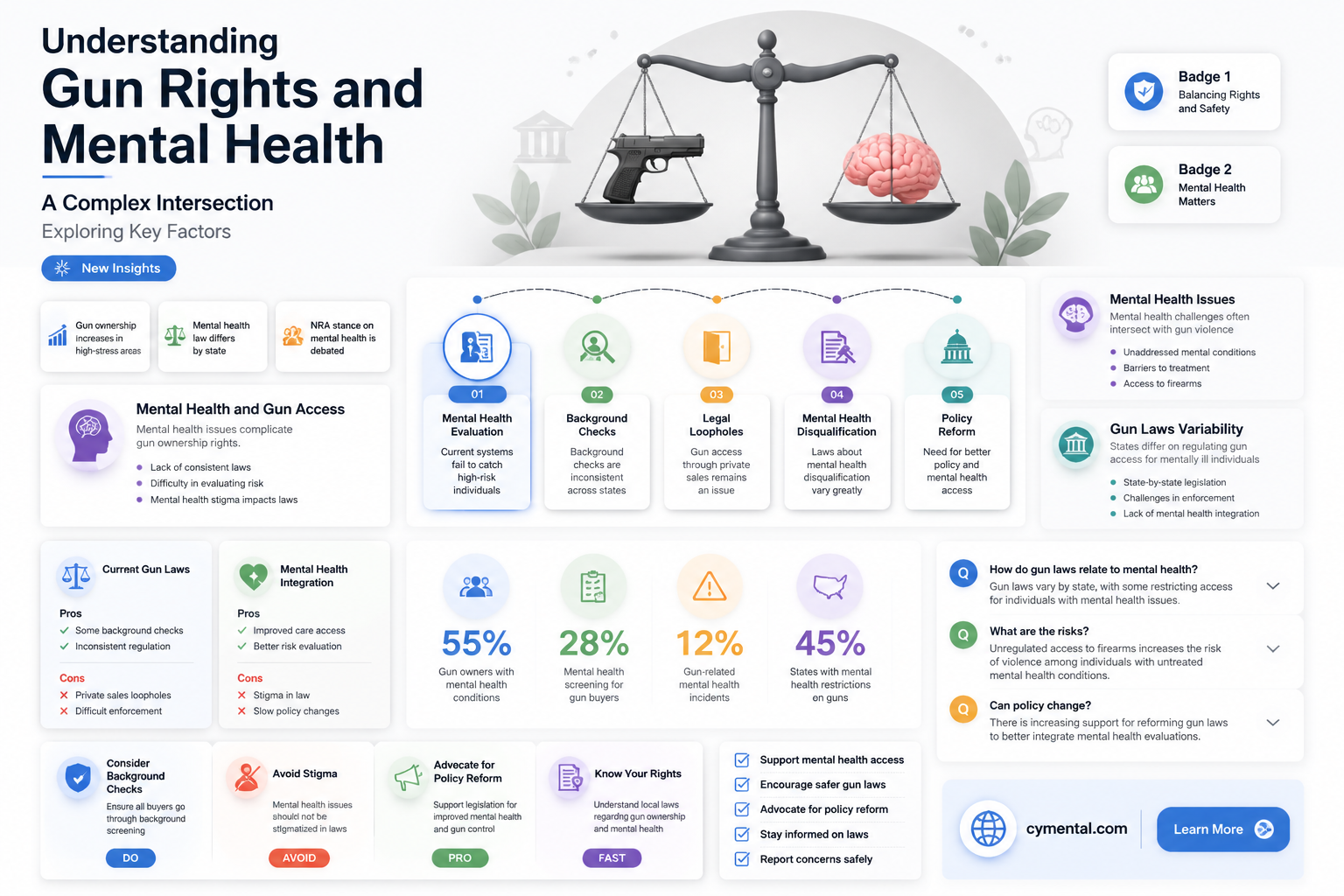
The question of whether mentally ill individuals should be allowed to possess firearms is a complex and contentious issue that intersects with legal, medical, and ethical considerations. In the United States, the debate often centers around the Second Amendment's guarantee of the right to bear arms and how it should be balanced against the need to protect public safety and prevent gun violence. Various states have implemented different laws and regulations regarding the ownership of firearms by individuals with mental health conditions, reflecting the nuanced nature of this topic. Some argue that restricting gun ownership based on mental illness could stigmatize those suffering from mental health issues and infringe upon their constitutional rights, while others contend that such measures are necessary to prevent tragic outcomes. Ultimately, finding a solution that respects individual rights while ensuring public safety remains a significant challenge.
| Characteristics | Values |
|---|---|
| Topic | Gun control and mental health |
| Question | Are mentally ill people allowed to get guns? |
| Context | This question pertains to the legal and ethical considerations surrounding gun ownership for individuals with mental health conditions. |
| Legal Perspective | Laws vary by country and state. In many places, individuals with certain mental health diagnoses may be prohibited from purchasing or owning firearms. |
| Ethical Perspective | The ethical debate involves balancing individual rights with public safety concerns. |
| Mental Health Definitions | Mental illness encompasses a wide range of conditions, including but not limited to schizophrenia, bipolar disorder, major depressive disorder, and anxiety disorders. |
| Gun Control Advocacy | Advocates for stricter gun control laws often argue that preventing mentally ill individuals from accessing firearms can reduce the risk of gun violence. |
| Mental Health Advocacy | Mental health advocates may argue that such laws can stigmatize individuals with mental illness and infringe upon their civil liberties. |
| Research Findings | Research suggests that the majority of individuals with mental illness are not violent and that other factors, such as substance abuse, may be more strongly associated with gun violence. |
| Policy Implications | Policies surrounding this issue can have significant implications for both public safety and the rights of individuals with mental health conditions. |
| Societal Impact | The discussion around this topic can influence societal attitudes towards mental illness and gun ownership. |
| International Comparisons | Different countries have varying approaches to this issue, with some having more restrictive laws and others having more permissive policies. |
| Historical Context | The relationship between mental health and gun control has been a topic of debate for many years, with various legislative changes occurring in response to high-profile incidents. |
| Stakeholders | Key stakeholders include lawmakers, mental health professionals, gun control advocates, and individuals with mental health conditions. |
| Future Directions | The ongoing debate may lead to further legislative changes and increased research into the complex interplay between mental health and gun violence. |
Explore related products



What You'll Learn
- Legal Restrictions: Overview of laws regulating gun ownership for individuals with mental illness
- Background Checks: Process and effectiveness of mental health screenings in gun purchase background checks
- Mental Health Advocacy: Positions of mental health organizations on gun control and patient rights
- Public Safety Concerns: Analysis of the potential risks and benefits of allowing mentally ill individuals to own guns
- Individual Rights: Ethical considerations and legal debates surrounding the right to bear arms for those with mental health conditions

Legal Restrictions: Overview of laws regulating gun ownership for individuals with mental illness
In the United States, federal law prohibits the possession of firearms by individuals who have been adjudicated as mentally defective or committed to a mental institution. This restriction is codified in 18 U.S.C. § 922(g)(4), which states that it is unlawful for any person who has been adjudicated by a court as a mental defective or who has been committed to a mental institution to possess a firearm. This law aims to prevent individuals who may pose a risk to themselves or others due to mental illness from accessing firearms.
However, the interpretation and enforcement of this law can vary significantly by state. Some states have more stringent laws that further restrict gun ownership for individuals with mental illness, while others may have laws that are more permissive. For example, some states may allow individuals who have been involuntarily committed to a mental institution to petition for the restoration of their gun rights after a certain period, provided they can demonstrate that they are no longer a risk.
The process for determining whether an individual is prohibited from owning a firearm due to mental illness typically involves a background check. When an individual attempts to purchase a firearm, their background is checked against various databases, including those that contain information about mental health adjudications and commitments. If a prohibited person is identified, they are denied the ability to purchase the firearm.
It is important to note that the laws regulating gun ownership for individuals with mental illness are complex and can be subject to change. Individuals who are affected by these laws should consult with legal counsel to understand their specific rights and obligations. Additionally, mental health professionals play a critical role in these determinations, as their evaluations and recommendations can significantly impact an individual's ability to own a firearm.
In recent years, there has been ongoing debate and discussion about the effectiveness and fairness of these laws. Some argue that they are necessary to prevent tragedies and protect public safety, while others contend that they unfairly stigmatize individuals with mental illness and infringe upon their constitutional rights. This debate highlights the need for a nuanced and informed approach to addressing the intersection of mental health and gun ownership.
Where to Get a Mental Evaluation: A Comprehensive Guide
You may want to see also
Explore related products


Background Checks: Process and effectiveness of mental health screenings in gun purchase background checks
The process of conducting background checks for gun purchases involves several steps, including a review of the individual's criminal history, verification of their identity, and an assessment of their mental health status. Mental health screenings are a critical component of this process, as they aim to identify individuals who may pose a risk to themselves or others if they were to possess a firearm.
The effectiveness of mental health screenings in gun purchase background checks is a topic of ongoing debate. Proponents argue that these screenings can help prevent individuals with serious mental illnesses, such as schizophrenia or bipolar disorder, from obtaining firearms. They point to studies that have shown a correlation between mental illness and an increased risk of violent behavior, including gun violence.
However, critics argue that mental health screenings are not foolproof and can lead to false positives, where individuals who are not a threat are incorrectly identified as being at risk. They also raise concerns about the potential for discrimination against individuals with mental health conditions, as well as the challenges of accurately assessing mental health status through a background check process.
One of the key challenges in implementing effective mental health screenings is the need for accurate and up-to-date information about an individual's mental health history. This can be difficult to obtain, as mental health records are often protected by privacy laws and may not be readily available to background check agencies. Additionally, there is a lack of consensus among mental health professionals about the specific criteria that should be used to determine whether an individual poses a risk.
Despite these challenges, many experts believe that mental health screenings can be an effective tool in preventing gun violence, particularly when combined with other measures such as improved access to mental health care and stronger gun control laws. By carefully considering the potential risks and benefits, policymakers can work to develop more effective and equitable background check processes that help to keep firearms out of the hands of individuals who pose a threat to themselves or others.
Understanding the Process of Involuntary Psychiatric Hospitalization
You may want to see also
Mental Health Advocacy: Positions of mental health organizations on gun control and patient rights
Mental health organizations have taken a firm stance on the issue of gun control, particularly in relation to individuals with mental illness. The American Psychiatric Association (APA) has expressed support for stricter gun laws, including background checks and red flag laws, which allow for the temporary removal of firearms from individuals deemed to be a risk to themselves or others. The APA has also called for increased funding for mental health services and research into the causes of gun violence.
Similarly, the National Alliance on Mental Illness (NAMI) has advocated for gun control measures that would prevent individuals with serious mental illness from accessing firearms. NAMI has also emphasized the need for improved mental health care and support services, as well as increased awareness and education about mental illness and its relationship to gun violence.
In terms of patient rights, mental health organizations have been vocal about the need to balance the rights of individuals with mental illness with the need to protect public safety. The APA has stated that while individuals with mental illness should not be stigmatized or discriminated against, there may be circumstances where their access to firearms should be restricted. NAMI has also expressed support for laws that would allow for the temporary removal of firearms from individuals who are experiencing a mental health crisis.
One unique angle that has been proposed by some mental health advocates is the idea of "gun safety plans" for individuals with mental illness. These plans would involve working with patients to develop a personalized strategy for safely storing and accessing firearms, as well as identifying warning signs that might indicate a need to temporarily remove firearms from the home. This approach would aim to respect the rights of individuals with mental illness while also taking steps to prevent gun violence.
Overall, mental health organizations have been clear in their support for gun control measures and their commitment to protecting the rights of individuals with mental illness. By advocating for improved mental health care, increased awareness and education, and targeted gun control measures, these organizations are working to address the complex issue of gun violence and its relationship to mental illness.
Overcoming Mental Barriers: Strategies to Break Through Creative Blocks
You may want to see also
Public Safety Concerns: Analysis of the potential risks and benefits of allowing mentally ill individuals to own guns
The intersection of mental illness and gun ownership is a complex and contentious issue, fraught with public safety concerns. At the heart of the debate lies the question of whether individuals with mental health conditions should be permitted to purchase and possess firearms. This analysis delves into the potential risks and benefits associated with such a policy, aiming to provide a nuanced understanding of the implications for public safety.
On one hand, there is a legitimate concern that individuals with certain mental health conditions may pose a heightened risk of violence, particularly if they have a history of violent behavior or have been hospitalized for psychiatric treatment. The fear is that allowing such individuals access to firearms could lead to an increase in gun-related violence, endangering both the individuals themselves and the broader community. This perspective is often supported by high-profile cases where individuals with mental health issues have committed mass shootings, leading to calls for stricter gun control measures.
On the other hand, it is essential to consider the potential benefits of allowing mentally ill individuals to own guns. For instance, some argue that gun ownership can serve as a form of self-defense, enabling individuals to protect themselves from potential threats. Additionally, there is a concern that restricting gun ownership based on mental health status could lead to stigmatization and discrimination against those with mental illness, further marginalizing an already vulnerable population. It is also worth noting that the vast majority of individuals with mental health conditions are not violent and may never pose a threat to public safety.
A critical aspect of this analysis is the need for evidence-based decision-making. While anecdotes and high-profile cases can be compelling, they do not provide a comprehensive understanding of the issue. Research suggests that the relationship between mental illness and violence is complex and multifaceted, influenced by a range of factors including the type and severity of the mental health condition, the presence of substance abuse, and socioeconomic factors. Therefore, any policy decisions regarding gun ownership for mentally ill individuals should be grounded in robust empirical evidence, rather than relying solely on anecdotal evidence or emotional appeals.
In conclusion, the debate surrounding gun ownership for mentally ill individuals is a delicate balance between public safety concerns and the rights of individuals with mental health conditions. While there are valid arguments on both sides, it is crucial to approach this issue with nuance and evidence-based reasoning. Ultimately, any policy decisions should aim to strike a balance between protecting public safety and ensuring that individuals with mental illness are not unfairly stigmatized or deprived of their rights.
Paws for Support: Your Guide to Getting a Mental Health Service Dog
You may want to see also
Individual Rights: Ethical considerations and legal debates surrounding the right to bear arms for those with mental health conditions
The debate surrounding the right to bear arms for individuals with mental health conditions is a complex and contentious issue, intersecting ethical considerations with legal rights. At the heart of this discussion is the tension between protecting individual liberties and ensuring public safety. While the Second Amendment of the United States Constitution guarantees the right to keep and bear arms, federal and state laws have established certain restrictions, including prohibitions for those adjudicated as mentally incompetent or committed to mental institutions.
Ethically, the question arises: to what extent should individuals with mental health conditions be deprived of their constitutional rights? Advocates argue that such restrictions are necessary to prevent potential harm to oneself or others, citing instances where individuals with severe mental illness have used firearms in tragic incidents. However, opponents contend that these measures unfairly stigmatize and discriminate against those with mental health conditions, many of whom are capable of safely owning and operating firearms. They argue that the focus should be on addressing the underlying mental health issues rather than stripping away constitutional rights.
Legally, the landscape is equally complex. While federal law prohibits the sale of firearms to those with certain mental health adjudications, the criteria for such determinations vary widely by state. Some states have implemented more stringent background checks and waiting periods, while others have moved to restore firearm rights to individuals who have been deemed mentally competent after treatment. The Supreme Court has weighed in on this issue, ruling in cases such as District of Columbia v. Heller that the right to bear arms is an individual right, but has also upheld certain restrictions in cases like United States v. Varmint.
In practice, navigating these laws can be challenging for individuals with mental health conditions. Many are unaware of their rights or the specific legal requirements in their state. Mental health professionals often find themselves in a difficult position, balancing their duty to protect patients with the need to respect their autonomy and constitutional rights. Gun rights organizations and mental health advocacy groups have proposed various solutions, from improved mental health screening and treatment to more robust background check systems that do not unfairly target those with mental illness.
Ultimately, the issue of whether mentally ill people are allowed to get guns is one that requires careful consideration of both ethical principles and legal frameworks. It is a topic that touches on fundamental questions of individual rights, public safety, and the appropriate role of government in regulating personal freedoms. As the debate continues, it is essential to approach the issue with nuance and sensitivity, recognizing the complexities and trade-offs involved.
Navigating the Process: Securing Disability Benefits for Mental Health Conditions
You may want to see also
Frequently asked questions
The laws regarding gun ownership for individuals with mental illness vary by country and jurisdiction. In many places, there are specific regulations that may prohibit or restrict gun ownership for those who have been diagnosed with certain mental health conditions or have a history of mental health treatment.
The types of mental illness that might disqualify someone from owning a gun can include, but are not limited to, conditions such as schizophrenia, bipolar disorder, major depressive disorder, and anxiety disorders. The specific conditions and criteria can vary depending on the laws of the jurisdiction in question.
Gun laws often address mental illness by establishing criteria for mental health evaluations, requiring background checks that include mental health records, and mandating that individuals with certain mental health diagnoses be reported to authorities. These laws aim to prevent individuals who may pose a risk to themselves or others from obtaining firearms.