Ava Ramirez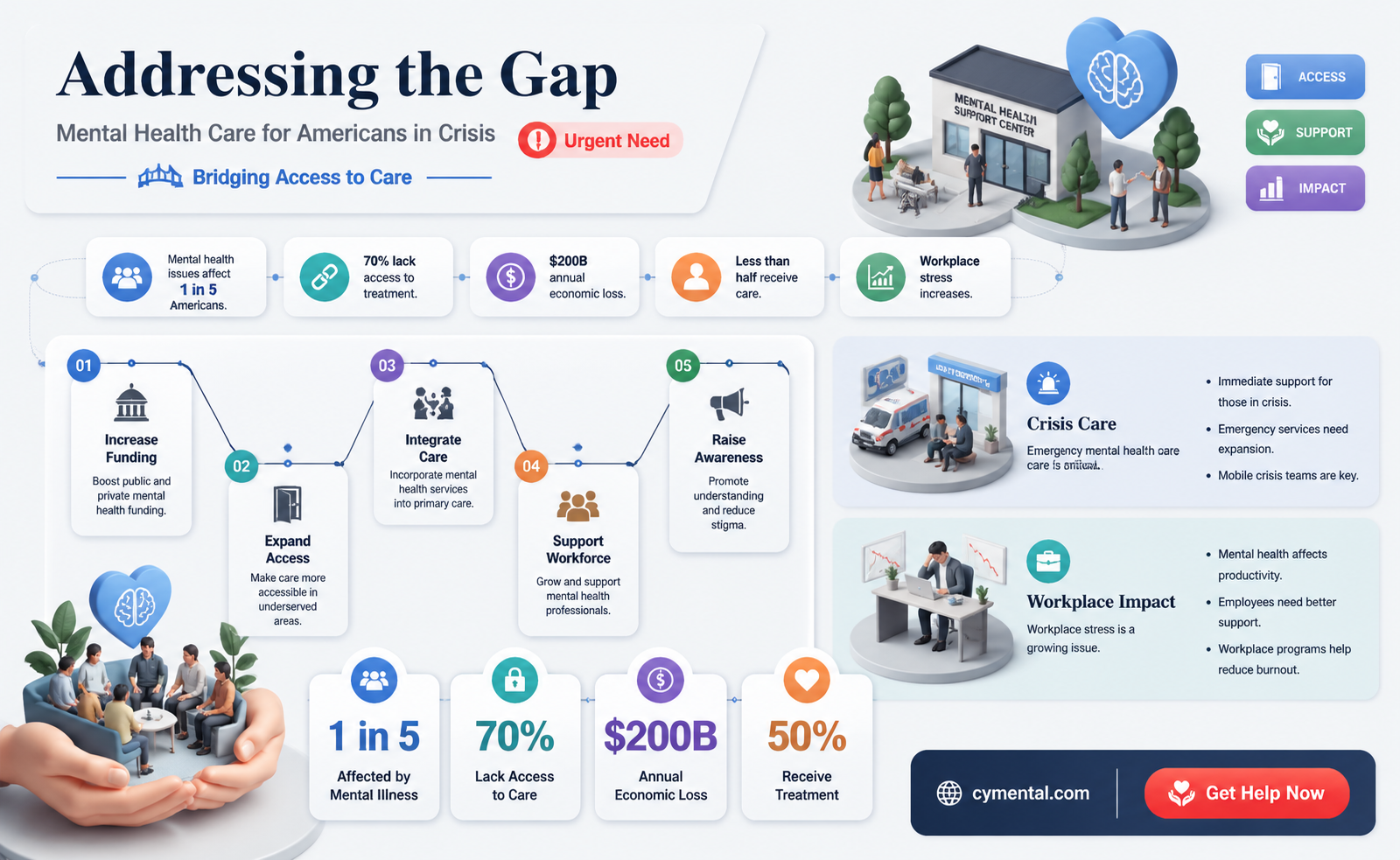
The topic of whether mentally ill Americans are receiving adequate healthcare is a critical and complex issue that touches on various aspects of society, including public health policy, insurance coverage, and social stigma. Recent studies and reports have highlighted significant gaps in the mental healthcare system, pointing to a shortage of mental health professionals, limited access to services, and disparities in treatment outcomes across different demographics. This discussion is further complicated by the intersection of mental health with other social determinants, such as socioeconomic status, race, and geographic location. As such, addressing the question of adequate mental healthcare requires a multifaceted approach that considers both the individual needs of patients and the broader systemic challenges that impact the delivery of mental health services in the United States.
Explore related products


What You'll Learn

Access to mental health services
Despite the growing awareness of mental health issues in the United States, access to mental health services remains a significant challenge for many Americans. According to the National Alliance on Mental Illness (NAMI), approximately 1 in 5 adults in the U.S. experience mental illness each year, yet only about half receive treatment. This disparity is particularly pronounced among marginalized communities, including people of color, LGBTQ+ individuals, and those living in rural areas.
One major barrier to accessing mental health services is the shortage of mental health professionals. The U.S. is currently facing a critical shortage of psychiatrists, psychologists, and other mental health providers, particularly in rural and underserved areas. This shortage is exacerbated by the fact that many mental health professionals are not accepting new patients or are only available for consultation through telehealth services.
Another significant barrier is the cost of mental health care. Even with health insurance, many Americans struggle to afford the high out-of-pocket costs associated with mental health treatment, including copays, deductibles, and medication costs. This financial burden can be particularly challenging for those with low incomes or those who are uninsured.
Furthermore, stigma and discrimination surrounding mental illness continue to prevent many individuals from seeking help. Fear of being judged, labeled, or discriminated against can deter people from accessing mental health services, even when they are available and affordable.
To address these challenges, policymakers and mental health advocates are working to increase access to mental health services through a variety of initiatives. These include expanding telehealth services, increasing funding for mental health programs, and implementing policies to reduce stigma and discrimination. Additionally, efforts are being made to train more mental health professionals and to encourage existing providers to practice in underserved areas.
In conclusion, while progress is being made to improve access to mental health services in the U.S., significant challenges remain. Addressing these challenges will require a multifaceted approach that includes increasing the availability and affordability of mental health care, reducing stigma and discrimination, and ensuring that all Americans have access to the support and resources they need to maintain their mental health and well-being.
Navigating the Process: A Guide to Obtaining Conservatorship for the Mentally Ill
You may want to see also
Explore related products




Quality of care in public facilities
In the United States, public mental health facilities are often underfunded and understaffed, leading to concerns about the quality of care provided to mentally ill Americans. A significant issue is the high patient-to-staff ratio, which can result in inadequate supervision and support for individuals in crisis. This can lead to longer wait times for treatment, reduced access to specialized care, and an increased risk of patient harm.
Another challenge facing public mental health facilities is the lack of resources for evidence-based treatments. Many facilities struggle to provide the latest therapies and medications, which can limit the effectiveness of care. Additionally, the stigma surrounding mental illness can lead to a lack of investment in mental health infrastructure, further exacerbating the problem.
To address these issues, policymakers and mental health professionals are exploring innovative solutions. One approach is to increase funding for public mental health facilities, which could help to reduce patient-to-staff ratios and improve access to specialized care. Another strategy is to implement more efficient care models, such as integrated care teams that combine primary care and mental health services.
Furthermore, there is a growing emphasis on community-based care, which can help to reduce the burden on public mental health facilities. This approach involves providing support and services to individuals in their own communities, rather than relying solely on institutional care. By doing so, community-based care can help to prevent mental health crises and reduce the need for hospitalization.
In conclusion, while there are significant challenges facing public mental health facilities in the United States, there are also promising solutions being explored. By increasing funding, implementing more efficient care models, and emphasizing community-based care, it is possible to improve the quality of care provided to mentally ill Americans and ensure that they receive the support they need.
Protecting Yourself: Restraining Orders for Mental Abuse Victims
You may want to see also
Explore related products


Affordability of private treatment
The cost of private mental health treatment in the United States can be prohibitively expensive, often running into tens of thousands of dollars per year. This financial barrier prevents many Americans from accessing the care they need, exacerbating the mental health crisis. Private insurance coverage for mental health services varies widely, with some plans offering comprehensive benefits while others have significant gaps. Out-of-pocket costs, including copays and deductibles, can quickly accumulate, making ongoing treatment unaffordable for many individuals.
One of the primary drivers of high costs in private mental health treatment is the lack of price transparency. Patients often do not know the exact cost of services until after they have received them, making it difficult to budget or compare prices between providers. Additionally, the fragmented nature of the mental health care system, with multiple providers and facilities involved in a patient's care, can lead to duplicated services and unnecessary expenses.
To address the issue of affordability, some policymakers and health care advocates are pushing for increased price transparency and more robust insurance coverage for mental health services. They argue that mental health care should be treated as an essential health benefit, with insurers required to cover a minimum level of services at an affordable cost to patients. Others are exploring innovative financing models, such as value-based payment systems, which tie reimbursement to patient outcomes rather than the volume of services provided.
In the meantime, individuals struggling with mental health issues can take steps to manage the cost of their care. They can research their insurance benefits and work with their providers to develop a treatment plan that maximizes coverage while minimizing out-of-pocket expenses. Additionally, they can explore alternative treatment options, such as group therapy or online counseling services, which may be more affordable than traditional one-on-one therapy sessions.
Ultimately, ensuring that mentally ill Americans have access to affordable, high-quality health care will require a multifaceted approach that addresses the systemic issues driving up costs and improves the overall efficiency and effectiveness of the mental health care system. By working together, policymakers, health care providers, and patients can help to break down the financial barriers that prevent so many from getting the care they need.
Prioritizing Mental Health: Strategies for Taking Time Off Work
You may want to see also
Explore related products


Stigma and discrimination
One of the primary consequences of stigma and discrimination is the reluctance of individuals to seek help for fear of being judged, labeled, or ostracized. This hesitation can result in delayed diagnosis, inadequate treatment, and poorer health outcomes. Furthermore, stigma can lead to internalized shame and low self-esteem, exacerbating the symptoms of mental illness and hindering the recovery process. Addressing stigma and discrimination is therefore crucial in improving access to mental healthcare and promoting better overall health for mentally ill Americans.
To combat stigma and discrimination, it is essential to implement comprehensive anti-stigma campaigns that target various sectors of society, including healthcare providers, educators, employers, and the general public. These campaigns should aim to educate individuals about the realities of mental illness, challenge negative stereotypes, and promote empathy and understanding. Additionally, policy changes are needed to ensure that mental health services are integrated into primary care settings, reducing the separation between mental and physical health and promoting a more holistic approach to healthcare.
Another critical step in addressing stigma and discrimination is to increase representation and visibility of mentally ill individuals in media and public discourse. By sharing personal stories and experiences, individuals can help to humanize mental illness and dispel harmful myths and misconceptions. This increased visibility can also lead to greater awareness and understanding among the general public, fostering a more supportive and inclusive environment for those struggling with mental health issues.
In conclusion, stigma and discrimination are pervasive issues that significantly impact the lives of mentally ill Americans, hindering their access to adequate healthcare and perpetuating negative stereotypes and attitudes. Addressing these issues requires a multifaceted approach that includes education, policy changes, and increased representation and visibility of mentally ill individuals. By working together to combat stigma and discrimination, we can create a more supportive and inclusive society that promotes better mental health outcomes for all.
Navigating Workers' Comp for Mental Health: A Comprehensive Guide
You may want to see also
Explore related products


Integration of mental health in primary care
Primary care providers are often the first point of contact for individuals seeking medical attention, making them uniquely positioned to address mental health concerns. However, the integration of mental health services into primary care settings has been slow to progress. This is due in part to the historical separation of mental and physical health care, as well as the lack of adequate training and resources for primary care providers to effectively manage mental health conditions.
One potential solution to this problem is the implementation of collaborative care models, which involve the integration of mental health professionals into primary care teams. This approach has been shown to improve patient outcomes and increase access to mental health services. Additionally, the use of screening tools and evidence-based treatment protocols can help primary care providers to identify and manage mental health conditions more effectively.
Another important aspect of integrating mental health into primary care is addressing the stigma associated with mental illness. This can be achieved through education and awareness campaigns, as well as by promoting a culture of empathy and understanding within healthcare settings. By reducing stigma, individuals may be more likely to seek help for mental health concerns, and primary care providers may be better equipped to provide the necessary support and treatment.
In conclusion, the integration of mental health services into primary care is a critical step in improving access to adequate health care for mentally ill Americans. By implementing collaborative care models, using evidence-based treatment protocols, and addressing stigma, primary care providers can play a vital role in promoting mental health and well-being.
Navigating the Journey to a Mental Health Diagnosis: A Comprehensive Guide
You may want to see also
Frequently asked questions
Many mentally ill Americans face challenges in accessing adequate health care due to various barriers, including stigma, lack of insurance, and insufficient mental health services.
Common barriers include the stigma associated with mental illness, lack of health insurance coverage, limited availability of mental health providers, and long wait times for appointments.
The lack of adequate mental health care can lead to worsening mental health conditions, increased risk of suicide, higher rates of homelessness, and greater burden on emergency services and the criminal justice system.
Improving mental health care access requires increasing funding for mental health services, expanding insurance coverage, reducing stigma through public awareness campaigns, and integrating mental health care into primary care settings.