Lucas Bennett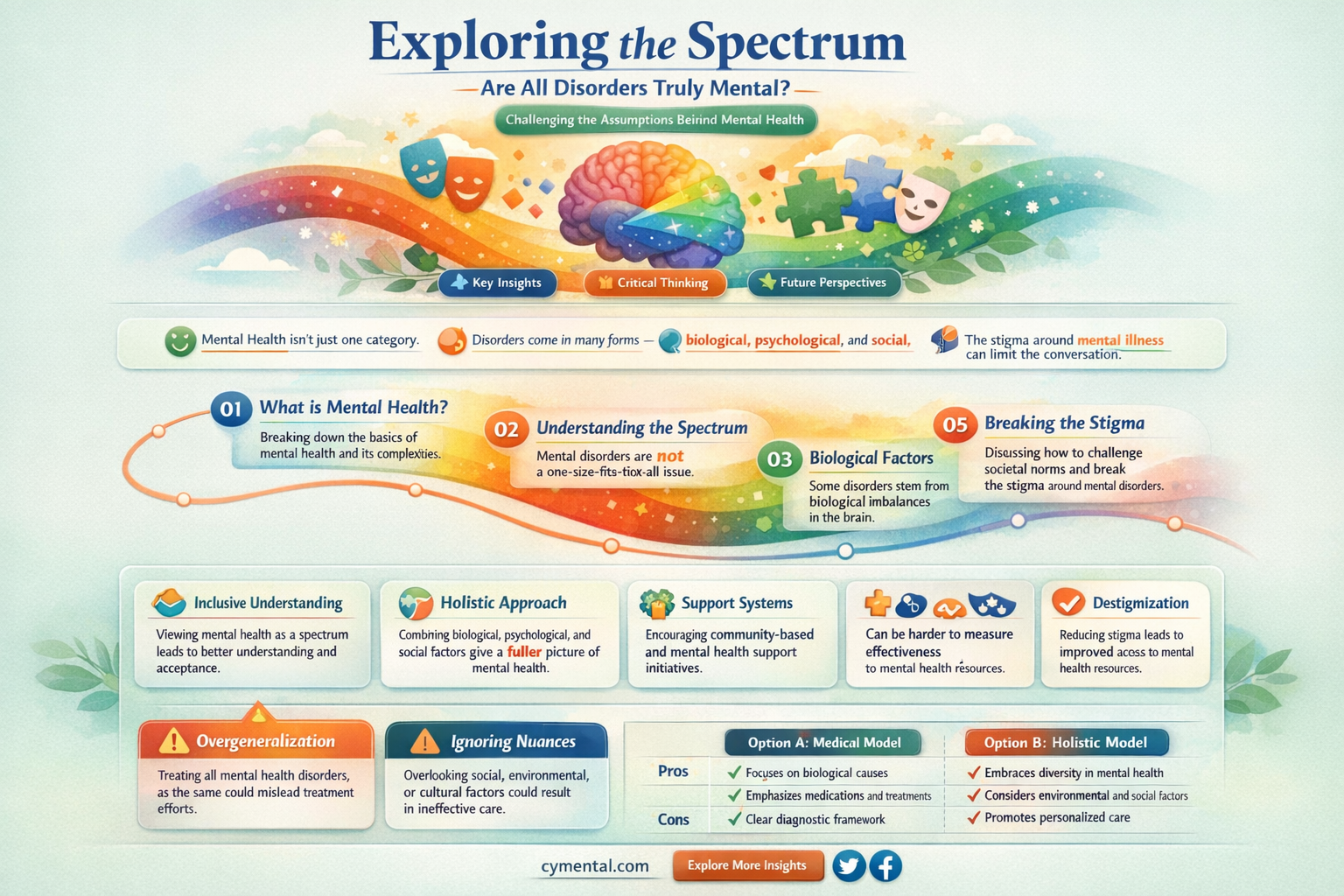
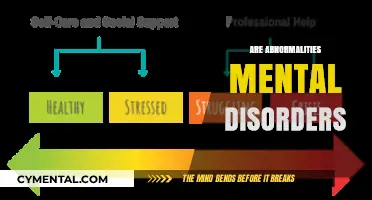
The question of whether all disorders are mental is a complex and multifaceted one, delving into the realms of psychology, psychiatry, and philosophy. At its core, this inquiry challenges our understanding of the mind-body connection and the nature of illness. While mental disorders are often characterized by disturbances in thought, emotion, or behavior, the line between mental and physical health is not always clear-cut. Many conditions, such as chronic pain or autoimmune disorders, can have both psychological and physiological components, blurring the distinction between mental and physical illness. Furthermore, cultural and societal factors can influence how we perceive and categorize disorders, adding another layer of complexity to the discussion. Ultimately, exploring this question prompts us to consider the holistic nature of human health and the need for a comprehensive approach to understanding and treating illness.
Explore related products


What You'll Learn
- Definition of Mental Disorders: Understanding what qualifies as a mental disorder according to psychological and medical criteria
- Types of Disorders: Exploring the range of recognized mental disorders, from anxiety and depression to personality and psychotic disorders
- Causes and Risk Factors: Investigating the biological, psychological, and environmental factors that contribute to the development of mental disorders
- Diagnosis and Treatment: Discussing the methods used to diagnose mental disorders and the various treatment options available, including therapy and medication
- Stigma and Society: Examining the social stigma surrounding mental disorders and its impact on individuals and society, including efforts to reduce stigma

Definition of Mental Disorders: Understanding what qualifies as a mental disorder according to psychological and medical criteria
Mental disorders are defined by a set of criteria that outline significant disturbances in thought, emotion, or behavior. These criteria are established by psychological and medical professionals and are used to diagnose and treat mental health conditions. According to the Diagnostic and Statistical Manual of Mental Disorders (DSM-5), a mental disorder is characterized by symptoms that cause clinically significant distress or impairment in social, occupational, or other important areas of functioning.
The DSM-5 provides a comprehensive list of mental disorders, each with its own set of diagnostic criteria. These criteria typically include specific symptoms, their severity, and their duration. For example, to be diagnosed with Major Depressive Disorder, an individual must experience at least five symptoms, such as persistent feelings of sadness or loss of interest in activities, for at least two weeks.
In addition to the DSM-5, other organizations, such as the World Health Organization (WHO), have their own criteria for defining mental disorders. The WHO's International Classification of Diseases (ICD-11) includes a section on mental, behavioral, and neurodevelopmental disorders, which provides a global perspective on mental health classification.
Understanding what qualifies as a mental disorder is crucial for accurate diagnosis and effective treatment. It allows healthcare professionals to identify individuals who may benefit from mental health services and to develop appropriate interventions. Moreover, it helps to reduce stigma and promote awareness about mental health issues.
However, the definition of mental disorders is not without controversy. Some argue that the criteria are too broad or too narrow, leading to overdiagnosis or underdiagnosis. Others question the validity of certain disorders or the use of labels in general. These debates highlight the ongoing need for research and refinement in the field of mental health classification.
In conclusion, the definition of mental disorders is a complex and evolving topic that is central to the field of mental health. By understanding the criteria used to define these conditions, we can better support individuals who are struggling with mental health issues and work towards improving overall well-being.
Understanding Mental Disorders: Examples and Insights
You may want to see also
Explore related products
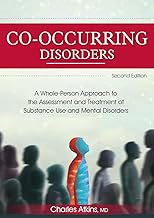


Types of Disorders: Exploring the range of recognized mental disorders, from anxiety and depression to personality and psychotic disorders
The exploration of mental disorders encompasses a vast and complex landscape, with various conditions affecting individuals in profound ways. Anxiety disorders, for instance, are characterized by excessive worry and fear, often interfering with daily life. Depression, on the other hand, involves persistent feelings of sadness and loss of interest, which can lead to significant impairments in functioning. Personality disorders represent another category, where long-standing patterns of thinking and behavior cause distress and impairment. These include conditions such as borderline personality disorder, characterized by emotional instability and impulsive behavior, and narcissistic personality disorder, marked by an inflated sense of self-importance and a lack of empathy.
Psychotic disorders, including schizophrenia, are perhaps among the most misunderstood. These conditions involve disruptions in thought processes, leading to symptoms such as hallucinations and delusions. Schizophrenia, specifically, can cause individuals to lose touch with reality, affecting their ability to communicate and function in society. Another critical category is that of mood disorders, which include bipolar disorder, characterized by extreme mood swings between mania and depression. These fluctuations can be severe and disruptive, impacting various aspects of an individual's life.
Eating disorders, such as anorexia nervosa and bulimia nervosa, represent another significant area of concern. These conditions involve abnormal eating behaviors and a distorted body image, which can lead to severe physical and psychological consequences. Substance use disorders, including addiction to drugs and alcohol, also fall under the umbrella of mental disorders, as they involve compulsive use of substances despite harmful consequences.
In addition to these, there are numerous other recognized mental disorders, each with its unique set of symptoms and challenges. For example, post-traumatic stress disorder (PTSD) can develop following exposure to traumatic events, leading to symptoms such as flashbacks and nightmares. Obsessive-compulsive disorder (OCD) involves unwanted and intrusive thoughts, often accompanied by repetitive behaviors. Attention deficit hyperactivity disorder (ADHD) affects individuals' ability to focus and control impulses, impacting academic and social functioning.
Understanding the diversity of mental disorders is crucial for promoting awareness, reducing stigma, and improving access to effective treatments. Each condition requires a tailored approach, involving a combination of psychotherapy, medication, and support systems. By recognizing the unique challenges posed by each disorder, we can work towards providing better care and support for those affected, ultimately enhancing their quality of life and well-being.
Exploring the Mental Health of King George: A Historical Analysis
You may want to see also
Explore related products


Causes and Risk Factors: Investigating the biological, psychological, and environmental factors that contribute to the development of mental disorders
The development of mental disorders is a complex interplay of various factors, each contributing uniquely to the manifestation of symptoms. Biological factors, such as genetic predispositions, neurotransmitter imbalances, and hormonal fluctuations, play a significant role. For instance, studies have shown that individuals with a family history of mental illness are more likely to develop similar conditions, pointing to a genetic link. Psychological factors, including personality traits, coping mechanisms, and past experiences, also significantly influence mental health. Traumatic events, chronic stress, and maladaptive thought patterns can trigger or exacerbate mental disorders. Environmental factors, such as socioeconomic status, access to healthcare, and social support networks, further modulate the risk. For example, individuals living in poverty or experiencing social isolation are at a higher risk of developing mental health issues due to the chronic stress and lack of resources.
Understanding these factors is crucial for developing effective prevention and intervention strategies. By identifying high-risk individuals and addressing the underlying biological, psychological, and environmental contributors, it is possible to mitigate the onset or progression of mental disorders. This multifaceted approach requires collaboration between healthcare professionals, policymakers, and community organizations to create comprehensive support systems.
Moreover, the stigma surrounding mental illness often hinders individuals from seeking help, thereby worsening outcomes. Educating the public about the causes and risk factors of mental disorders can help reduce stigma and encourage early intervention. It is essential to promote a culture of understanding and support, where individuals feel comfortable discussing their mental health concerns without fear of judgment.
In conclusion, the causes and risk factors of mental disorders are diverse and interconnected, involving biological, psychological, and environmental elements. Addressing these factors through a holistic approach can lead to better prevention, treatment, and overall mental health outcomes. By fostering awareness and reducing stigma, society can play a pivotal role in supporting individuals affected by mental illness.
Unraveling the Complexities: Why Mental Disorders Exist
You may want to see also
Explore related products

$53.24 $64.99


Diagnosis and Treatment: Discussing the methods used to diagnose mental disorders and the various treatment options available, including therapy and medication
The process of diagnosing mental disorders is multifaceted, involving a combination of clinical interviews, psychological assessments, and sometimes medical tests. Psychiatrists and psychologists use diagnostic manuals such as the DSM-5 to identify symptoms and patterns that align with specific disorders. This involves a thorough evaluation of a patient's history, current symptoms, and social and environmental factors that may contribute to their condition.
Treatment options for mental disorders vary widely depending on the specific diagnosis and the individual's needs. Psychotherapy, or talk therapy, is a common approach that involves working with a therapist to understand and manage symptoms. Cognitive-behavioral therapy (CBT) is one type of psychotherapy that focuses on changing negative thought patterns and behaviors. Medication is another treatment option, with antidepressants, anti-anxiety drugs, and antipsychotics being prescribed to manage symptoms of depression, anxiety, and schizophrenia, respectively.
In addition to traditional therapies and medications, there are alternative and complementary treatments that some individuals find helpful. These include mindfulness and meditation practices, yoga, acupuncture, and herbal remedies. It's important to note that while these approaches may provide relief for some, they should not replace evidence-based treatments without consultation with a healthcare professional.
The effectiveness of treatment depends on various factors, including the severity of the disorder, the individual's willingness to engage in treatment, and the quality of the therapeutic relationship. Recovery is often a gradual process, and it may involve setbacks and challenges along the way. However, with the right combination of treatments and support, many individuals with mental disorders are able to lead fulfilling and productive lives.
In recent years, there has been a growing emphasis on early intervention and prevention in mental health care. This involves identifying risk factors and providing support and resources to individuals before symptoms become severe. This approach can help reduce the long-term impact of mental disorders and improve outcomes for those affected.
Exploring the Thin Line: Abnormalities vs. Mental Disorders
You may want to see also
Explore related products

$136 $136


Stigma and Society: Examining the social stigma surrounding mental disorders and its impact on individuals and society, including efforts to reduce stigma
Mental health stigma remains a pervasive issue in society, deeply impacting individuals diagnosed with mental disorders. This stigma often manifests as discrimination, prejudice, and negative stereotypes, leading to social exclusion and marginalization. The consequences are far-reaching, affecting not only the individual's self-esteem and social interactions but also their access to employment, education, and healthcare.
Efforts to reduce mental health stigma have been multifaceted. Public awareness campaigns, such as those led by organizations like the National Alliance on Mental Illness (NAMI) and the World Health Organization (WHO), aim to educate the public and dispel myths about mental illness. These campaigns often feature personal stories from individuals living with mental health conditions, highlighting their struggles and successes to humanize the issue.
Another critical approach is through policy and legislation. Laws such as the Americans with Disabilities Act (ADA) and the Mental Health Parity and Addiction Equity Act (MHPAEA) in the United States provide legal protections against discrimination based on mental health status. These laws ensure that individuals with mental health conditions have equal access to opportunities and resources.
In addition to these broader efforts, there is a growing emphasis on creating supportive environments within communities and workplaces. Initiatives such as mental health first aid training and the implementation of employee assistance programs (EAPs) help to foster understanding and provide resources for those affected by mental health issues. By promoting open dialogue and reducing the fear of seeking help, these programs contribute to a more inclusive and supportive society.
Despite these efforts, challenges remain. Stigma is deeply ingrained in many cultures, and changing societal attitudes takes time. Furthermore, the intersectionality of mental health with other factors such as race, gender, and socioeconomic status adds complexity to the issue. Addressing these intersecting forms of stigma requires a nuanced and multifaceted approach.
In conclusion, while significant progress has been made in reducing mental health stigma, there is still much work to be done. By continuing to educate the public, advocate for policy change, and create supportive environments, we can move towards a society that values and supports the mental well-being of all its members.
Unraveling Schizophrenia: Understanding the Complex Mental Disorder
You may want to see also
Frequently asked questions
No, not all disorders are considered mental. Disorders can be categorized into mental, physical, or a combination of both. Mental disorders primarily affect thoughts, emotions, and behaviors, while physical disorders affect the body's physical functions and structures.
Some examples of non-mental disorders include diabetes, hypertension, asthma, and arthritis. These conditions are primarily physical and affect the body's organs, systems, or structures, rather than being characterized by disturbances in thoughts, emotions, or behaviors.
The distinction between mental and physical disorders is important because it influences how they are diagnosed, treated, and understood. Mental disorders are often treated with psychotherapy, medication, or a combination of both, while physical disorders may require medical interventions, surgeries, or other physical treatments. Recognizing the difference helps healthcare professionals provide appropriate care and support for individuals experiencing various types of disorders.