Caleb Wright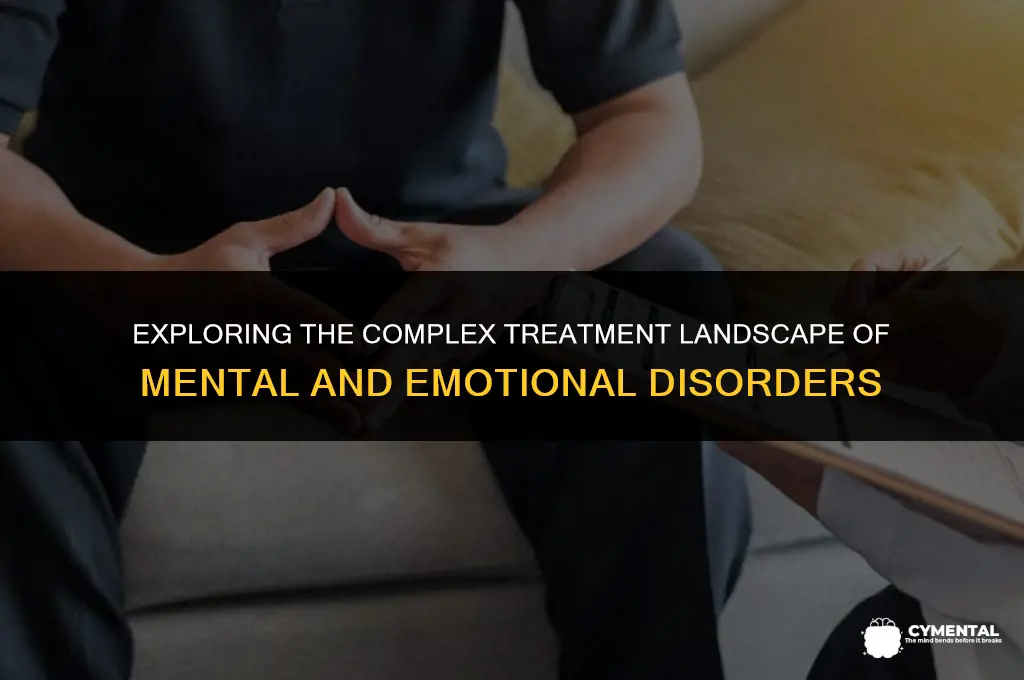
The question of whether all mental and emotional disorders are treated with medication is a complex and multifaceted one. While medication can be an effective tool in managing symptoms for many mental health conditions, it is not always the sole or primary treatment approach. In fact, a comprehensive treatment plan often involves a combination of medication, psychotherapy, lifestyle changes, and other interventions tailored to the individual's specific needs. For some disorders, such as mild depression or anxiety, talk therapy and self-help strategies may be sufficient, while for others, like severe bipolar disorder or schizophrenia, medication may play a more critical role. Ultimately, the decision to use medication, and if so, what type and dosage, should be made collaboratively between the patient and their healthcare provider, taking into account the patient's unique circumstances, preferences, and treatment goals.
Explore related products


What You'll Learn
- Medication Efficacy: Discussing the effectiveness of medications in treating various mental and emotional disorders
- Non-Pharmacological Treatments: Exploring therapies like CBT, DBT, and mindfulness-based interventions as alternatives or adjuncts to medication
- Side Effects and Risks: Evaluating potential adverse effects and risks associated with the use of psychiatric medications
- Personalized Treatment Plans: The importance of tailoring treatment approaches to individual needs, considering factors like age, gender, and medical history
- Integrative Approaches: Combining medication with other treatment modalities, such as lifestyle changes, social support, and holistic practices, for comprehensive care

Medication Efficacy: Discussing the effectiveness of medications in treating various mental and emotional disorders
The effectiveness of medications in treating mental and emotional disorders is a complex and multifaceted topic. While many disorders can be effectively managed with medication, the response to treatment varies widely among individuals. Factors such as the specific disorder, the individual's genetic makeup, lifestyle, and the presence of co-occurring conditions all play a role in determining the efficacy of a particular medication.
For example, antidepressants are commonly prescribed for depression, but their effectiveness can range from complete remission of symptoms to little to no improvement. Similarly, antipsychotic medications can be highly effective in managing symptoms of schizophrenia, but they may also cause significant side effects that impact a person's quality of life.
In addition to the variability in individual response, the effectiveness of medications can also be influenced by the stage of the disorder. For instance, early intervention with medication can significantly improve outcomes for conditions like bipolar disorder, while chronic conditions may require a more nuanced approach that combines medication with other forms of treatment, such as therapy.
It is also important to consider the potential risks and side effects associated with medication. While many medications are generally safe, they can cause adverse reactions, particularly when used in combination with other drugs or when taken by individuals with certain health conditions. Therefore, it is crucial for healthcare providers to carefully weigh the benefits and risks of medication when developing a treatment plan for a patient.
In conclusion, while medications can be a valuable tool in the treatment of mental and emotional disorders, their effectiveness is highly dependent on a variety of factors. A personalized approach that takes into account the individual's unique circumstances is essential for achieving optimal outcomes.
Aging and Mental Health: Do Disorders Intensify Over Time?
You may want to see also
Explore related products


Non-Pharmacological Treatments: Exploring therapies like CBT, DBT, and mindfulness-based interventions as alternatives or adjuncts to medication
Cognitive Behavioral Therapy (CBT) is a widely recognized non-pharmacological treatment for various mental health disorders. It operates on the principle that our thoughts cause our feelings and behaviors, and by changing maladaptive thought patterns, individuals can improve their emotional and behavioral responses. CBT is often used to treat conditions such as depression, anxiety, and post-traumatic stress disorder (PTSD). Sessions typically involve identifying and challenging negative thought patterns, setting goals, and developing coping strategies.
Dialectical Behavior Therapy (DBT) is another effective non-pharmacological approach, particularly beneficial for individuals with borderline personality disorder, substance abuse issues, and eating disorders. DBT combines elements of CBT with mindfulness practices, emphasizing the balance between acceptance and change. Key components of DBT include emotional regulation, distress tolerance, interpersonal effectiveness, and mindfulness skills. Patients learn to recognize and manage intense emotions, tolerate distress without engaging in harmful behaviors, improve communication skills, and cultivate a greater awareness of the present moment.
Mindfulness-based interventions have gained popularity as both standalone treatments and adjuncts to traditional therapies. Mindfulness practices involve focusing on the present moment, non-judgmentally observing thoughts, feelings, and bodily sensations. This approach has been shown to reduce symptoms of anxiety, depression, and stress-related disorders. Techniques such as Mindfulness-Based Stress Reduction (MBSR) and Mindfulness-Based Cognitive Therapy (MBCT) are commonly used. MBSR typically involves a structured program of mindfulness exercises, including meditation and yoga, while MBCT integrates mindfulness practices with cognitive therapy techniques to prevent relapse in depression.
Non-pharmacological treatments offer several advantages over medication, including fewer side effects, the potential for long-term skill development, and the ability to address underlying causes of mental health issues rather than just symptoms. However, these therapies may not be suitable for everyone, and in some cases, a combination of medication and therapy may be the most effective approach. It is essential for individuals to consult with a mental health professional to determine the most appropriate treatment plan for their specific needs.
Understanding Adjustment Disorder: Is It a Mental Illness?
You may want to see also
Explore related products




Side Effects and Risks: Evaluating potential adverse effects and risks associated with the use of psychiatric medications
Psychiatric medications, while often effective in managing mental health disorders, come with a range of potential side effects and risks. These can vary widely depending on the specific medication, dosage, and individual patient factors. Common side effects include drowsiness, weight gain, and sexual dysfunction, while more severe risks can involve suicidal thoughts, dependency, and long-term health complications.
One significant concern is the risk of adverse interactions with other medications. Patients often take multiple prescriptions, and the combination of these can lead to dangerous drug interactions. For example, selective serotonin reuptake inhibitors (SSRIs) can interact with blood thinners, increasing the risk of bleeding. It is crucial for healthcare providers to carefully review a patient's medication list and medical history to minimize these risks.
Another critical area is the potential for medication misuse and dependency. Benzodiazepines, commonly prescribed for anxiety, have a high potential for abuse and can lead to physical dependence. Similarly, stimulant medications used for ADHD can be misused, particularly by individuals without the disorder. Prescribers must monitor patients closely for signs of misuse and adjust treatment plans accordingly.
Long-term use of psychiatric medications also raises concerns about potential health complications. For instance, prolonged use of antipsychotics can increase the risk of developing tardive dyskinesia, a condition characterized by involuntary movements. Additionally, some medications can affect cardiovascular health, bone density, and metabolic function over time. Regular monitoring and periodic reassessment of medication regimens are essential to mitigate these risks.
Informed consent is a vital component of psychiatric medication management. Patients should be fully informed about the potential side effects and risks associated with their medications. This includes discussing the likelihood and severity of side effects, as well as strategies for managing them. By fostering open communication and collaboration, healthcare providers can help patients make informed decisions about their treatment and improve overall outcomes.
Ultimately, while psychiatric medications can be a valuable tool in managing mental health disorders, they must be used judiciously. Healthcare providers should carefully weigh the benefits and risks of medication, monitor patients closely, and adjust treatment plans as needed to ensure the best possible outcomes.
Understanding Addiction: A Complex Mental Health Disorder
You may want to see also
Explore related products


Personalized Treatment Plans: The importance of tailoring treatment approaches to individual needs, considering factors like age, gender, and medical history
Personalized treatment plans are essential in the field of mental health because they recognize the unique characteristics and needs of each individual. Tailoring treatment approaches to factors such as age, gender, and medical history can significantly improve the effectiveness of interventions and lead to better outcomes for patients.
For instance, age is a critical factor to consider when developing a treatment plan. The cognitive and emotional development stages of children, adolescents, adults, and the elderly differ substantially. As a result, the therapeutic techniques and medications that are effective for one age group may not be suitable for another. For example, cognitive-behavioral therapy (CBT) may be more beneficial for adolescents and adults, while play therapy might be more appropriate for younger children.
Gender is another important consideration. Research has shown that men and women may experience mental health disorders differently, and they may respond differently to treatment. For example, women may be more likely to experience depression and anxiety, while men may be more prone to substance abuse and antisocial personality disorder. Treatment plans that take these gender differences into account can be more effective in addressing the specific needs of each patient.
Medical history is also a crucial factor in developing personalized treatment plans. Patients with a history of certain medical conditions may be more susceptible to specific mental health disorders or may have different responses to medication. For example, individuals with a history of heart disease may need to avoid certain antidepressants that could exacerbate their condition. Similarly, patients with a history of substance abuse may require a different approach to treatment than those without such a history.
In conclusion, personalized treatment plans that consider factors such as age, gender, and medical history are essential for providing effective and compassionate care for individuals with mental health disorders. By tailoring treatment approaches to the unique needs of each patient, healthcare providers can improve outcomes and help patients achieve a better quality of life.
Understanding Gender Dysphoria: DSM-5 Classification and Beyond
You may want to see also
Explore related products


Integrative Approaches: Combining medication with other treatment modalities, such as lifestyle changes, social support, and holistic practices, for comprehensive care
While medication can be a crucial component in the treatment of mental and emotional disorders, it is not always the sole solution. Integrative approaches that combine medication with other treatment modalities are increasingly being recognized for their comprehensive care benefits. These approaches acknowledge that mental health is influenced by a multitude of factors, including lifestyle, social support, and holistic practices.
One example of an integrative approach is the combination of antidepressant medication with cognitive-behavioral therapy (CBT). CBT helps individuals identify and change negative thought patterns and behaviors, which can complement the effects of medication by addressing the underlying causes of depression. Additionally, lifestyle changes such as regular exercise, a balanced diet, and adequate sleep can enhance the efficacy of medication by promoting overall well-being and reducing symptoms of mental health disorders.
Social support is another critical component of integrative care. Support groups, family therapy, and peer counseling can provide individuals with a sense of community and belonging, which can be particularly beneficial for those experiencing isolation or stigma due to their mental health struggles. Holistic practices such as mindfulness meditation, yoga, and acupuncture can also be incorporated into treatment plans to address the mind-body connection and promote relaxation and stress reduction.
It is important to note that integrative approaches are not a one-size-fits-all solution. Treatment plans should be tailored to the individual's specific needs and circumstances, and medication should be used in conjunction with other modalities only when deemed appropriate by a healthcare professional. However, by considering the full spectrum of factors that influence mental health, integrative approaches can offer a more comprehensive and effective treatment strategy for individuals seeking to manage their mental and emotional well-being.
Unraveling Jinx's Psyche: A Deep Dive into Her Mental Health Struggles
You may want to see also
Frequently asked questions
No, not all mental and emotional disorders are treated with medication. While many conditions can benefit from pharmacological interventions, others may be effectively managed through psychotherapy, lifestyle changes, or a combination of these approaches.
Some common mental disorders that may not always require medication include mild to moderate depression, anxiety disorders, and certain types of phobias. These conditions can often be treated with cognitive-behavioral therapy (CBT), exposure therapy, or other forms of psychotherapy.
Healthcare professionals determine the best treatment approach for a mental or emotional disorder by conducting a thorough evaluation of the patient's symptoms, medical history, and personal preferences. They may also consider the severity of the condition, the patient's ability to adhere to treatment, and any potential side effects of medication.
Potential benefits of using medication to treat mental and emotional disorders include symptom relief, improved quality of life, and the ability to function more effectively in daily activities. However, drawbacks may include side effects such as weight gain, sleep disturbances, or sexual dysfunction. Additionally, medication may not address the underlying causes of the disorder and may need to be used in conjunction with other forms of treatment for optimal results.