Noah Parker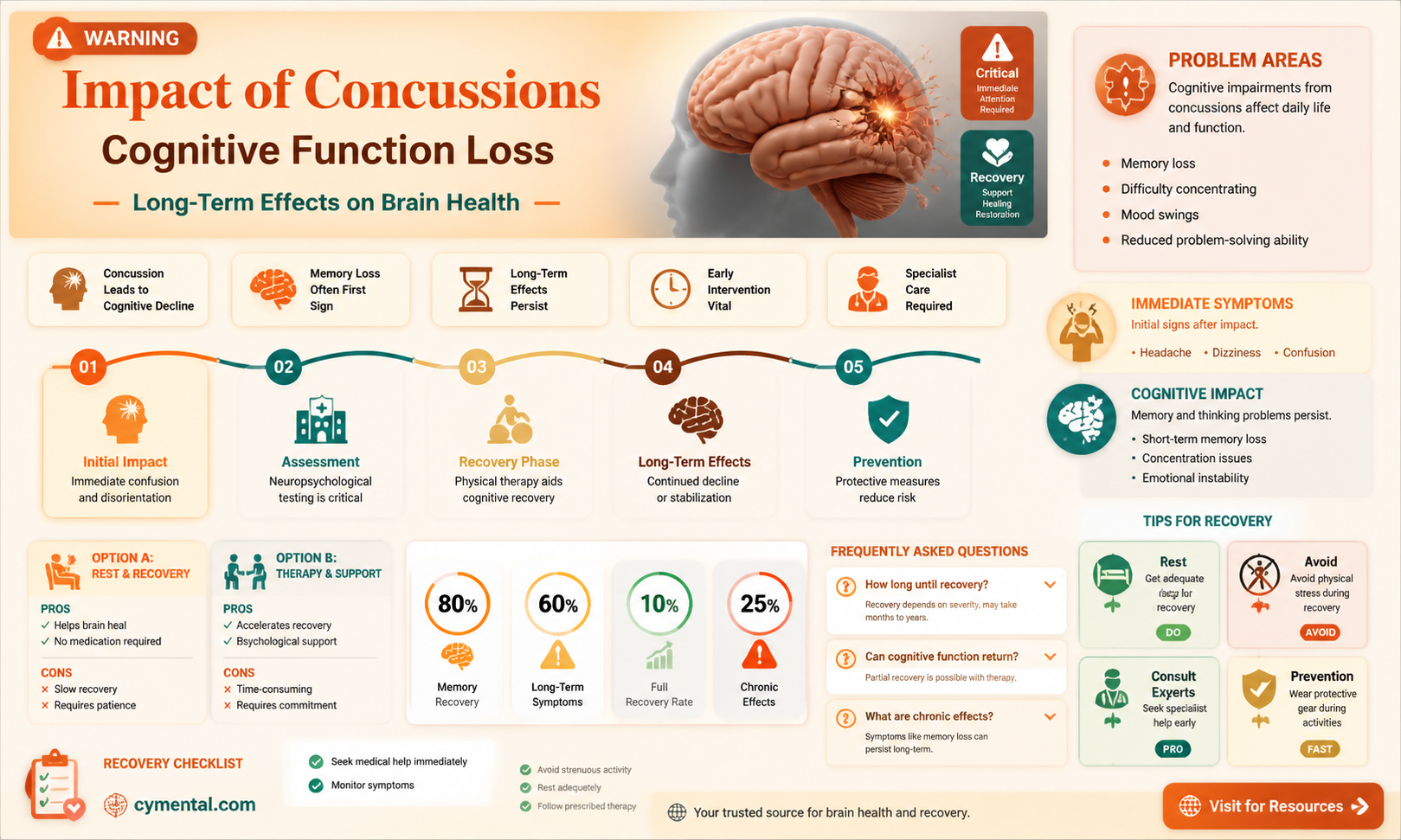
A concussion, often referred to as a mild traumatic brain injury, occurs when a blow or jolt to the head causes the brain to move back and forth inside the skull. This movement can lead to chemical changes in the brain and damage to brain cells. While concussions are generally considered mild, they can have significant effects on mental abilities. Research has shown that concussions can impair cognitive functions such as memory, attention, and processing speed. These effects can be short-term, lasting only a few days or weeks, or they can be long-term, persisting for months or even years after the injury. The severity and duration of these effects can vary depending on factors such as the force of the impact, the location of the injury, and the individual's overall health and medical history. It is important to note that repeated concussions can increase the risk of more severe and long-lasting cognitive impairments. Therefore, it is crucial to take steps to prevent concussions and to seek proper medical attention if a concussion is suspected.
| Characteristics | Values |
|---|---|
| Definition | A concussion is a type of traumatic brain injury caused by a blow or bump to the head or by a hit to the body that causes the head and brain to move rapidly back and forth. |
| Common Causes | Sports injuries, falls, car accidents, physical assaults. |
| Symptoms | Headache, confusion, dizziness, nausea, vomiting, sensitivity to light and noise, difficulty concentrating, memory problems. |
| Short-term Effects | Temporary loss of consciousness, disorientation, difficulty with balance and coordination. |
| Long-term Effects | Persistent headaches, cognitive difficulties, mood changes, sleep disturbances, increased risk of future concussions. |
| Cognitive Impact | Impaired attention, memory, and executive functions. |
| Emotional Impact | Anxiety, depression, irritability, mood swings. |
| Physical Impact | Fatigue, muscle weakness, vision problems, hearing loss. |
| Recovery Time | Varies from person to person, typically a few days to a few weeks. |
| Treatment | Rest, avoiding strenuous activities, cognitive and physical therapy, medication for symptoms. |
| Prevention | Wearing protective gear, practicing safe sports techniques, using seat belts, avoiding risky behaviors. |
| Complications | Post-concussion syndrome, second impact syndrome, chronic traumatic encephalopathy. |
| Diagnosis | Medical history, physical examination, neurological tests, imaging studies. |
| Prognosis | Generally good with proper treatment and rest, but can be serious if not managed correctly. |
| Research | Ongoing studies on the long-term effects of concussions, particularly in athletes and military personnel. |
| Public Awareness | Increasing awareness through education and media coverage of concussion risks and prevention. |
Explore related products


What You'll Learn
- Short-term cognitive effects: Concussions can cause immediate memory loss, confusion, and difficulty concentrating
- Long-term cognitive impacts: Repeated concussions may lead to chronic cognitive decline and increased risk of neurodegenerative diseases
- Emotional and psychological changes: Concussions can result in mood swings, anxiety, depression, and personality alterations
- Sleep disturbances: Concussions often disrupt sleep patterns, leading to insomnia, fatigue, and decreased mental performance
- Return to academics and work: Concussion recovery may require gradual reintegration into cognitive activities, impacting school and job performance

Short-term cognitive effects: Concussions can cause immediate memory loss, confusion, and difficulty concentrating
Concussions, a type of traumatic brain injury, can have profound and immediate effects on cognitive function. One of the most noticeable short-term impacts is on memory. Individuals who have suffered a concussion often report difficulty remembering events that occurred shortly before or after the injury. This anterograde amnesia can be particularly frustrating, as it affects the ability to form new memories and recall recent experiences.
In addition to memory loss, confusion is another common cognitive symptom following a concussion. This can manifest as disorientation, difficulty understanding complex information, or trouble following conversations. The confused state can be distressing for both the individual and those around them, as it may lead to misunderstandings and miscommunications.
Concentration is also significantly affected in the short term. People with concussions often find it challenging to focus on tasks, maintain attention, or process information quickly. This can result in decreased productivity and performance in school or work settings. The inability to concentrate can also exacerbate feelings of anxiety and stress, as individuals struggle to keep up with their usual responsibilities.
The cognitive effects of concussions can vary widely in severity and duration. While some individuals may experience only mild symptoms that resolve within a few days, others may face more severe and long-lasting impairments. Factors such as the severity of the injury, the individual's age, and their overall health can influence the trajectory of cognitive recovery.
It is crucial for those who have suffered a concussion to seek medical attention promptly and to follow their healthcare provider's recommendations for recovery. This may include rest, both physical and cognitive, as well as a gradual return to activities and responsibilities. By understanding the potential short-term cognitive effects of concussions and taking appropriate steps to manage them, individuals can improve their chances of a full and speedy recovery.
The Interconnection of Body and Mind: Exploring Physical Health's Impact on Mental Well-being
You may want to see also
Explore related products


Long-term cognitive impacts: Repeated concussions may lead to chronic cognitive decline and increased risk of neurodegenerative diseases
Repeated concussions have been linked to a range of long-term cognitive impacts, including chronic cognitive decline and an increased risk of neurodegenerative diseases such as Alzheimer's and Parkinson's. These effects can manifest years or even decades after the initial injury, making it crucial for individuals to take preventative measures and seek proper medical attention following a concussion.
One of the primary mechanisms by which concussions lead to long-term cognitive impairment is through the disruption of normal brain function and structure. Repeated trauma to the brain can cause damage to neurons and their connections, leading to difficulties with memory, attention, and executive function. Additionally, concussions can trigger a cascade of inflammatory responses and oxidative stress, which can further exacerbate brain damage and contribute to the development of neurodegenerative diseases.
Studies have shown that individuals who have experienced multiple concussions are at a significantly higher risk of developing cognitive impairment later in life. For example, a 2018 study published in the journal Neurology found that retired NFL players who had experienced three or more concussions during their careers were more likely to develop cognitive decline and dementia than those who had experienced fewer concussions. Similarly, a 2019 study published in the journal JAMA Neurology found that individuals who had experienced a concussion were at a higher risk of developing Parkinson's disease up to 10 years after the initial injury.
It is important to note that the long-term cognitive impacts of concussions can vary depending on a number of factors, including the severity and frequency of the injuries, as well as the individual's age and overall health. However, the evidence is clear that repeated concussions can have a significant and lasting impact on cognitive function and brain health.
In light of these findings, it is essential for individuals to take steps to prevent concussions and seek proper medical attention if they do occur. This includes wearing appropriate protective gear during sports and other high-risk activities, as well as following established concussion protocols and guidelines. Additionally, researchers and healthcare professionals must continue to study the long-term effects of concussions and develop new strategies for prevention, diagnosis, and treatment.
The Pandemic's Impact: Unraveling the Mental Health Consequences
You may want to see also
Explore related products


Emotional and psychological changes: Concussions can result in mood swings, anxiety, depression, and personality alterations
Concussions, often perceived as mere physical injuries, can have profound emotional and psychological repercussions. These changes can manifest as mood swings, anxiety, depression, and even personality alterations, significantly impacting an individual's mental well-being and daily functioning.
One of the most common emotional changes post-concussion is the experience of mood swings. These can range from sudden irritability to unexplained bouts of sadness or anger. Such fluctuations can be distressing for both the individual and their loved ones, as they may not align with the person's typical behavior or temperament.
Anxiety is another prevalent psychological symptom following a concussion. This can manifest as a constant state of worry or fear, often disproportionate to the situation at hand. Individuals may find themselves avoiding social interactions or everyday activities due to an overwhelming sense of anxiety, which can further exacerbate feelings of isolation and distress.
Depression can also occur as a result of a concussion, characterized by persistent feelings of sadness, hopelessness, and a loss of interest in previously enjoyable activities. This can be particularly challenging, as it may affect one's motivation to engage in necessary rehabilitation or self-care practices.
Personality alterations are perhaps the most complex and nuanced of the emotional and psychological changes associated with concussions. These can include shifts in behavior, such as increased aggression or impulsivity, as well as changes in cognitive functioning, like difficulties with memory or decision-making. Such alterations can strain personal relationships and impact professional performance, leading to a significant decrease in overall quality of life.
Understanding and addressing these emotional and psychological changes is crucial for effective concussion management. Mental health professionals can provide valuable support through therapy and counseling, helping individuals navigate their symptoms and develop coping strategies. Additionally, raising awareness about the potential mental health impacts of concussions can help reduce stigma and encourage those affected to seek the help they need.
Unveiling the Impact: Mental Health's Reach Across Demographics
You may want to see also
Explore related products




Sleep disturbances: Concussions often disrupt sleep patterns, leading to insomnia, fatigue, and decreased mental performance
Concussions can significantly disrupt sleep patterns, leading to a range of sleep disturbances that affect overall mental performance. Research indicates that individuals who have suffered a concussion often experience insomnia, characterized by difficulty falling asleep, staying asleep, or both. This disruption in sleep can exacerbate the cognitive impairments associated with concussions, such as memory loss, difficulty concentrating, and slowed reaction times.
One of the primary reasons concussions impact sleep is due to the disruption of the brain's natural sleep-wake cycle. The injury can affect the production of melatonin, a hormone that regulates sleep, leading to irregular sleep patterns. Additionally, the physical and emotional stress of recovering from a concussion can contribute to anxiety and depression, which are known to interfere with sleep quality.
The effects of sleep disturbances following a concussion can be far-reaching. Fatigue, a common symptom, can worsen the cognitive deficits caused by the injury, making it more challenging for individuals to perform daily tasks, maintain employment, or succeed academically. Furthermore, chronic sleep deprivation can lead to long-term health issues, including weakened immune function, weight gain, and an increased risk of developing chronic diseases such as diabetes and cardiovascular disease.
To mitigate these effects, it is crucial for individuals recovering from a concussion to prioritize sleep hygiene. This includes maintaining a consistent sleep schedule, creating a restful sleep environment, avoiding caffeine and alcohol close to bedtime, and engaging in relaxation techniques such as meditation or deep breathing exercises. In some cases, healthcare providers may recommend cognitive behavioral therapy for insomnia (CBT-I) or prescribe sleep aids to help manage sleep disturbances.
In conclusion, sleep disturbances are a significant concern following a concussion, as they can exacerbate cognitive impairments and impact overall health and well-being. By understanding the underlying causes of these disturbances and implementing strategies to improve sleep quality, individuals can better manage their recovery and reduce the long-term effects of concussions on mental performance.
Revitalize Your Mind: The Power of Leisure in Boosting Mental Health
You may want to see also
Explore related products


Return to academics and work: Concussion recovery may require gradual reintegration into cognitive activities, impacting school and job performance
Gradual reintegration into cognitive activities is crucial for individuals recovering from a concussion, as it allows the brain to heal and adapt without being overwhelmed. This process can significantly impact school and job performance, as returning to full cognitive load too quickly may exacerbate symptoms and prolong recovery. Students and employees alike may need to work with their healthcare providers and educational or occupational institutions to develop a tailored plan for gradually increasing their cognitive workload.
In an academic setting, this might involve temporarily reducing course loads, extending deadlines, or utilizing assistive technologies to aid in learning and memory retention. For employees, it could mean a phased return to work, with initial tasks focused on less cognitively demanding activities and a gradual increase in responsibilities as symptoms improve. Employers may need to provide accommodations such as flexible work schedules, reduced hours, or modified job duties to support the recovery process.
The impact of a concussion on mental ability can be multifaceted, affecting not only cognitive function but also emotional well-being and social interactions. Individuals may experience difficulties with concentration, memory, and problem-solving, as well as increased anxiety, depression, or irritability. It is essential to address these emotional and social aspects of concussion recovery, as they can significantly influence an individual's ability to succeed in academic and professional settings.
Healthcare providers play a critical role in guiding individuals through the recovery process, offering support and resources to help manage symptoms and facilitate a smooth return to academics and work. This may include referrals to specialists such as neurologists, psychologists, or occupational therapists, as well as recommendations for cognitive rehabilitation programs or support groups. By taking a comprehensive approach to concussion recovery, individuals can minimize the long-term impact on their mental ability and successfully reintegrate into their academic and professional lives.
The Impact of Smartphones on Mental Health: A Growing Concern
You may want to see also
Frequently asked questions
Yes, a concussion can affect mental ability. It may cause difficulties with concentration, memory, and cognitive processing.
The duration of mental effects after a concussion varies from person to person. Some individuals may experience symptoms for a few days, while others might have them for several weeks or even months.
Common mental symptoms after a concussion include headaches, confusion, difficulty concentrating, memory problems, mood changes, and sleep disturbances.
While it's not always possible to prevent mental effects after a concussion, taking appropriate precautions such as wearing protective gear during sports, following safety guidelines, and seeking prompt medical attention can help reduce the risk.
Managing the mental effects of a concussion often involves rest, both physical and cognitive, avoiding activities that exacerbate symptoms, and gradually returning to normal activities as symptoms improve. Additionally, seeking support from healthcare professionals and engaging in rehabilitation programs can be beneficial.