Madison Cole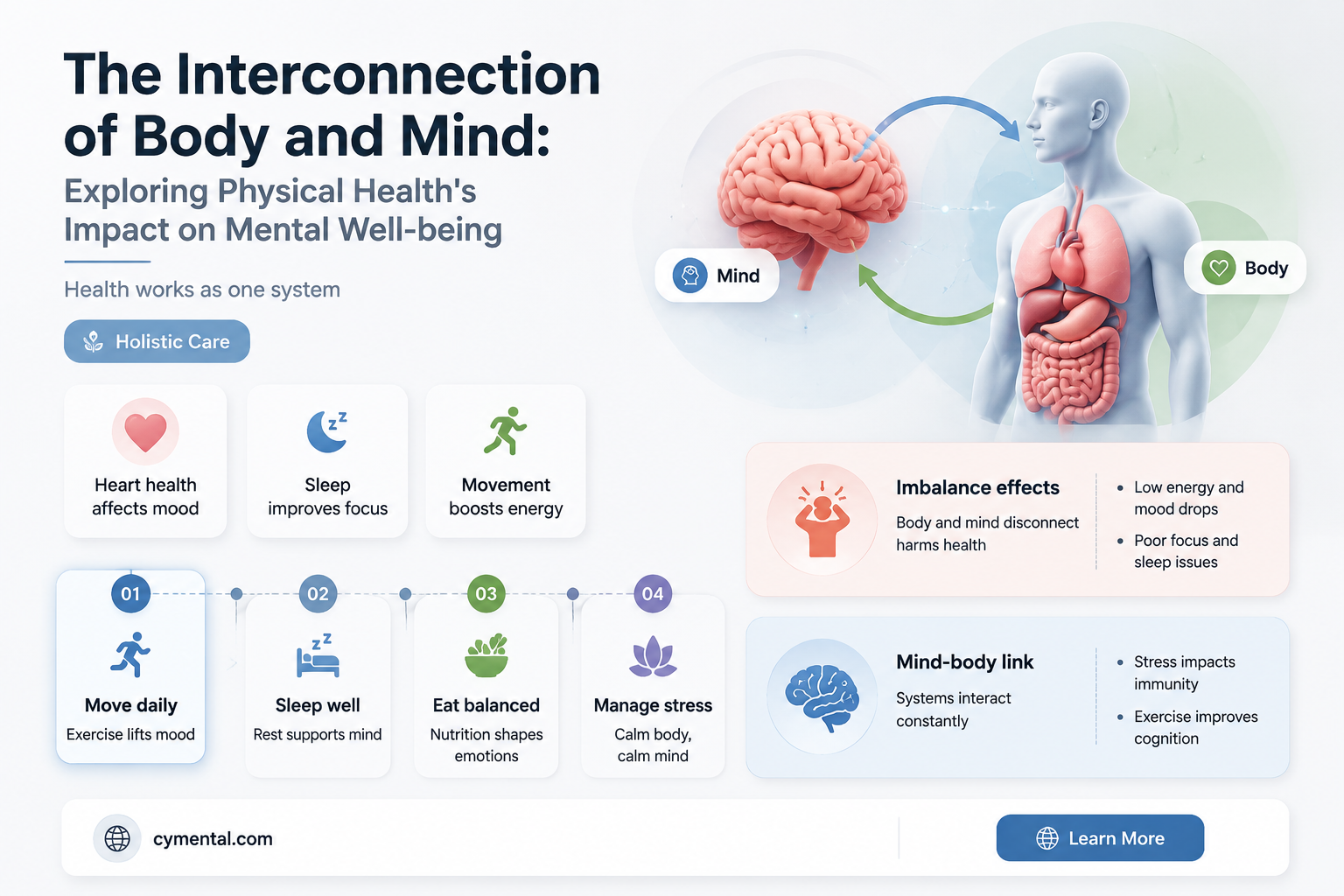
Physical health and mental health are deeply interconnected, with each significantly influencing the other. Poor physical health can lead to an increased risk of developing mental health issues such as depression and anxiety. For instance, chronic illnesses like diabetes, heart disease, and chronic pain can contribute to feelings of hopelessness and helplessness, which are common symptoms of depression. Additionally, the stress and emotional toll of managing a chronic condition can exacerbate anxiety. Conversely, mental health issues can also negatively impact physical health, leading to problems such as sleep disturbances, changes in appetite, and decreased physical activity, which can further deteriorate overall well-being. Understanding this complex relationship is crucial for developing holistic approaches to healthcare that address both the mind and the body.
Explore related products


What You'll Learn
- Exercise and Mood: Regular physical activity boosts mood by releasing endorphins and reducing stress hormones
- Nutrition and Cognitive Function: A balanced diet rich in nutrients supports brain health and cognitive function
- Sleep Quality and Mental Well-being: Adequate, restful sleep is crucial for maintaining mental health and emotional stability
- Chronic Illness and Depression: Living with chronic physical conditions can increase the risk of developing depression and anxiety
- Immune System and Mental Health: A strong immune system helps protect against mental health issues by reducing inflammation and oxidative stress

Exercise and Mood: Regular physical activity boosts mood by releasing endorphins and reducing stress hormones
Regular physical activity has a profound impact on mood, primarily through the release of endorphins and the reduction of stress hormones. Endorphins, often referred to as "feel-good" hormones, are natural chemicals in the brain that act as painkillers and mood elevators. When you engage in physical activity, your brain releases these endorphins, which can help alleviate symptoms of depression and anxiety and improve overall mood.
In addition to releasing endorphins, exercise also helps reduce the levels of stress hormones in the body, such as cortisol and adrenaline. High levels of these hormones can contribute to feelings of stress, anxiety, and depression. By lowering these hormone levels through regular exercise, individuals can experience a decrease in stress and an improvement in their mental well-being.
The benefits of exercise on mood are not limited to the immediate post-workout period. Regular physical activity can lead to long-term improvements in mental health. For example, a study published in the Journal of Clinical Psychology found that exercise can be as effective as medication in treating depression. Another study, published in the Journal of Psychiatric Research, found that regular exercise can help prevent the onset of depression.
It's important to note that the type and intensity of exercise can influence its impact on mood. While any form of physical activity can be beneficial, aerobic exercises such as running, cycling, and swimming have been shown to be particularly effective in boosting mood. Additionally, the social aspect of exercise, such as participating in group fitness classes or team sports, can also contribute to improved mental health by fostering social connections and reducing feelings of isolation.
In conclusion, regular physical activity is a powerful tool for improving mood and mental health. By releasing endorphins and reducing stress hormones, exercise can help alleviate symptoms of depression and anxiety, leading to a more positive and balanced emotional state. Whether it's a brisk walk around the block or an intense workout at the gym, incorporating regular exercise into your routine can have a significant impact on your mental well-being.
Nourishing Your Mind: The Profound Impact of Diet on Mental Health
You may want to see also
Explore related products


Nutrition and Cognitive Function: A balanced diet rich in nutrients supports brain health and cognitive function
The brain is a highly metabolic organ, consuming approximately 20% of the body's total energy expenditure. This high demand for energy underscores the importance of a balanced diet rich in nutrients to support optimal brain health and cognitive function. A diet deficient in essential nutrients can lead to impaired cognitive performance, mood disturbances, and an increased risk of neurodegenerative diseases.
One of the key nutrients for brain health is omega-3 fatty acids, particularly EPA and DHA, which are found in fatty fish, flaxseeds, and walnuts. These essential fatty acids play a crucial role in maintaining the integrity of cell membranes, reducing inflammation, and supporting neurotransmitter function. Studies have shown that omega-3 supplementation can improve cognitive performance in both healthy individuals and those with cognitive impairments.
Another important nutrient for brain health is vitamin D, which is primarily obtained through sun exposure and fortified foods. Vitamin D receptors are present throughout the brain, and deficiency has been linked to cognitive decline, depression, and an increased risk of Alzheimer's disease. Maintaining adequate vitamin D levels through diet and supplementation can help support brain health and cognitive function.
In addition to omega-3 fatty acids and vitamin D, a balanced diet rich in fruits, vegetables, whole grains, and lean proteins provides the brain with the necessary nutrients to function optimally. Antioxidants found in fruits and vegetables help protect the brain from oxidative stress, while whole grains provide a steady supply of glucose to fuel brain activity. Lean proteins are essential for the production of neurotransmitters and other brain chemicals.
Furthermore, staying hydrated is crucial for maintaining cognitive function. Dehydration can lead to fatigue, difficulty concentrating, and impaired memory. Drinking plenty of water throughout the day can help keep the brain functioning at its best.
In conclusion, a balanced diet rich in nutrients is essential for supporting brain health and cognitive function. By incorporating foods high in omega-3 fatty acids, vitamin D, antioxidants, and lean proteins, individuals can optimize their brain function and reduce the risk of cognitive decline. Staying hydrated and limiting processed foods and added sugars can further support brain health and overall well-being.
The Impact of Fast Food on Mental Health: A Comprehensive Look
You may want to see also
Explore related products




$11.02 $19.99


Sleep Quality and Mental Well-being: Adequate, restful sleep is crucial for maintaining mental health and emotional stability
Sleep quality and mental well-being are intricately linked, with adequate, restful sleep playing a pivotal role in maintaining mental health and emotional stability. Research has consistently shown that poor sleep can lead to a range of mental health issues, including anxiety, depression, and cognitive impairment. Conversely, good sleep hygiene can help mitigate these risks and promote overall mental well-being.
One of the key mechanisms by which sleep affects mental health is through its impact on brain function. During sleep, the brain undergoes critical processes such as memory consolidation, emotional regulation, and stress reduction. When sleep is disrupted or insufficient, these processes are impaired, leading to difficulties in managing emotions, processing information, and coping with stress. This can result in a heightened risk of developing mental health disorders.
Furthermore, sleep quality can influence the body's response to stress. Chronic sleep deprivation has been shown to increase the production of stress hormones like cortisol, which can contribute to anxiety and depression. Additionally, poor sleep can weaken the immune system, making individuals more susceptible to physical illnesses that can further exacerbate mental health issues.
To promote better sleep quality and mental well-being, it is essential to establish healthy sleep habits. This includes maintaining a consistent sleep schedule, creating a relaxing bedtime routine, and ensuring a comfortable sleep environment. Limiting exposure to screens and engaging in regular physical activity can also help improve sleep quality. In some cases, cognitive behavioral therapy for insomnia (CBT-I) may be recommended to address underlying sleep disorders.
In conclusion, adequate, restful sleep is crucial for maintaining mental health and emotional stability. By prioritizing good sleep hygiene and addressing sleep disorders, individuals can reduce their risk of developing mental health issues and improve their overall well-being.
Nurturing Mental Wellness: The Power of Supportive Friendships
You may want to see also
Explore related products


![The New Holistic Wellness Bible: [3 in 1] The Definitive Guide to Support Your Own Wellness with Herbal Protocols & Natural Remedies to Address Chronic Diseases & Achieve Optimal Health](https://m.media-amazon.com/images/I/71lyZQSnA6L._AC_UL320_.jpg)


Chronic Illness and Depression: Living with chronic physical conditions can increase the risk of developing depression and anxiety
Living with a chronic illness can significantly impact one's mental health, often leading to increased rates of depression and anxiety. This is not merely a matter of dealing with the physical symptoms of the illness, but also the emotional and psychological toll it takes on an individual. Chronic conditions such as diabetes, heart disease, and arthritis can lead to persistent pain, fatigue, and limitations in daily activities, all of which contribute to a heightened risk of developing mental health issues.
One of the key mechanisms by which chronic illness affects mental health is through the disruption of normal routines and the imposition of ongoing stress. When an individual is constantly dealing with the demands of managing their condition, it can lead to feelings of being overwhelmed and a sense of loss of control. This chronic stress can alter brain chemistry, leading to the development of depressive and anxious symptoms. Furthermore, the social isolation that often accompanies chronic illness can exacerbate these mental health challenges, as individuals may feel disconnected from their peers and support networks.
It is also important to consider the psychological impact of the diagnostic process itself. Receiving a diagnosis of a chronic illness can be a traumatic experience, leading to feelings of shock, denial, and grief. These emotional responses can linger and contribute to the development of depression and anxiety. Additionally, the uncertainty and unpredictability associated with many chronic conditions can foster a sense of anxiety about the future, further compounding mental health issues.
In terms of treatment, it is crucial to adopt a holistic approach that addresses both the physical and mental health needs of individuals with chronic illnesses. This may involve a combination of medication, psychotherapy, and lifestyle interventions. Cognitive-behavioral therapy (CBT) has been shown to be particularly effective in helping individuals manage the emotional challenges associated with chronic illness. Furthermore, encouraging patients to engage in regular physical activity, maintain a healthy diet, and practice stress management techniques can help mitigate the mental health impacts of their condition.
Ultimately, it is essential to recognize the complex interplay between chronic illness and mental health. By acknowledging and addressing these challenges, healthcare providers can help improve the overall well-being of individuals living with chronic conditions. This requires a multifaceted approach that not only treats the physical symptoms of the illness but also provides support for the emotional and psychological struggles that often accompany it.
Boost Your Mood: The Power of Physical Activity on Mental Health
You may want to see also
Explore related products





Immune System and Mental Health: A strong immune system helps protect against mental health issues by reducing inflammation and oxidative stress
The immune system plays a crucial role in maintaining mental health by mitigating inflammation and oxidative stress, two key factors that can negatively impact psychological well-being. Chronic inflammation, often a result of a weakened immune system, has been linked to various mental health disorders, including depression and anxiety. By bolstering the immune system, the body can more effectively combat inflammation, thereby reducing the risk of developing these conditions.
Oxidative stress, another byproduct of a compromised immune system, occurs when there is an imbalance between free radicals and antioxidants in the body. This stress can lead to cellular damage, which in turn can affect brain function and contribute to mental health issues. A strong immune system helps to maintain this balance by producing antioxidants that neutralize free radicals, protecting cells from damage and supporting optimal brain health.
Several lifestyle factors can influence the strength of the immune system and, consequently, mental health. Regular exercise, for instance, has been shown to boost immune function by increasing the circulation of white blood cells, which are essential for fighting off infections and reducing inflammation. Additionally, a diet rich in fruits, vegetables, and whole grains provides the body with the necessary nutrients to support a healthy immune system, while also promoting mental well-being.
Adequate sleep is another critical component of immune health. During sleep, the body produces cytokines, proteins that help to regulate the immune response and reduce inflammation. Chronic sleep deprivation can disrupt this process, leading to a weakened immune system and an increased susceptibility to mental health issues. Prioritizing good sleep hygiene, such as maintaining a consistent sleep schedule and creating a relaxing bedtime routine, can help to support both immune and mental health.
Stress management is also essential for maintaining a strong immune system and protecting mental health. Prolonged stress can lead to the release of cortisol, a hormone that, while necessary for the body's fight-or-flight response, can also suppress immune function and contribute to inflammation. Engaging in stress-reducing activities, such as meditation, yoga, or deep breathing exercises, can help to mitigate the negative effects of stress on the immune system and mental health.
In conclusion, a strong immune system is a vital component of mental health, as it helps to reduce inflammation and oxidative stress, two factors that can significantly impact psychological well-being. By adopting healthy lifestyle habits, such as regular exercise, a balanced diet, adequate sleep, and effective stress management, individuals can support their immune system and, in turn, promote better mental health.
Exploring the Complex Link Between Abortion and Mental Health
You may want to see also
Frequently asked questions
Physical health significantly impacts mental health. Regular physical activity can reduce symptoms of anxiety and depression, improve mood, and enhance cognitive function. Conversely, poor physical health can lead to an increased risk of mental health issues.
Specific ways include:
- Exercise: Releases endorphins, which are natural mood lifters.
- Nutrition: A balanced diet can improve brain function and mood stability.
- Sleep: Adequate sleep is crucial for mental health, affecting mood, memory, and cognitive function.
- Chronic Illness: Conditions like diabetes, heart disease, and chronic pain can increase the risk of depression and anxiety.
Yes, improving physical health can be a complementary treatment for mental health disorders. For instance, incorporating regular exercise and a healthy diet into a treatment plan can enhance the effectiveness of therapy and medication. However, it should not replace professional mental health treatment.