Harper Lewis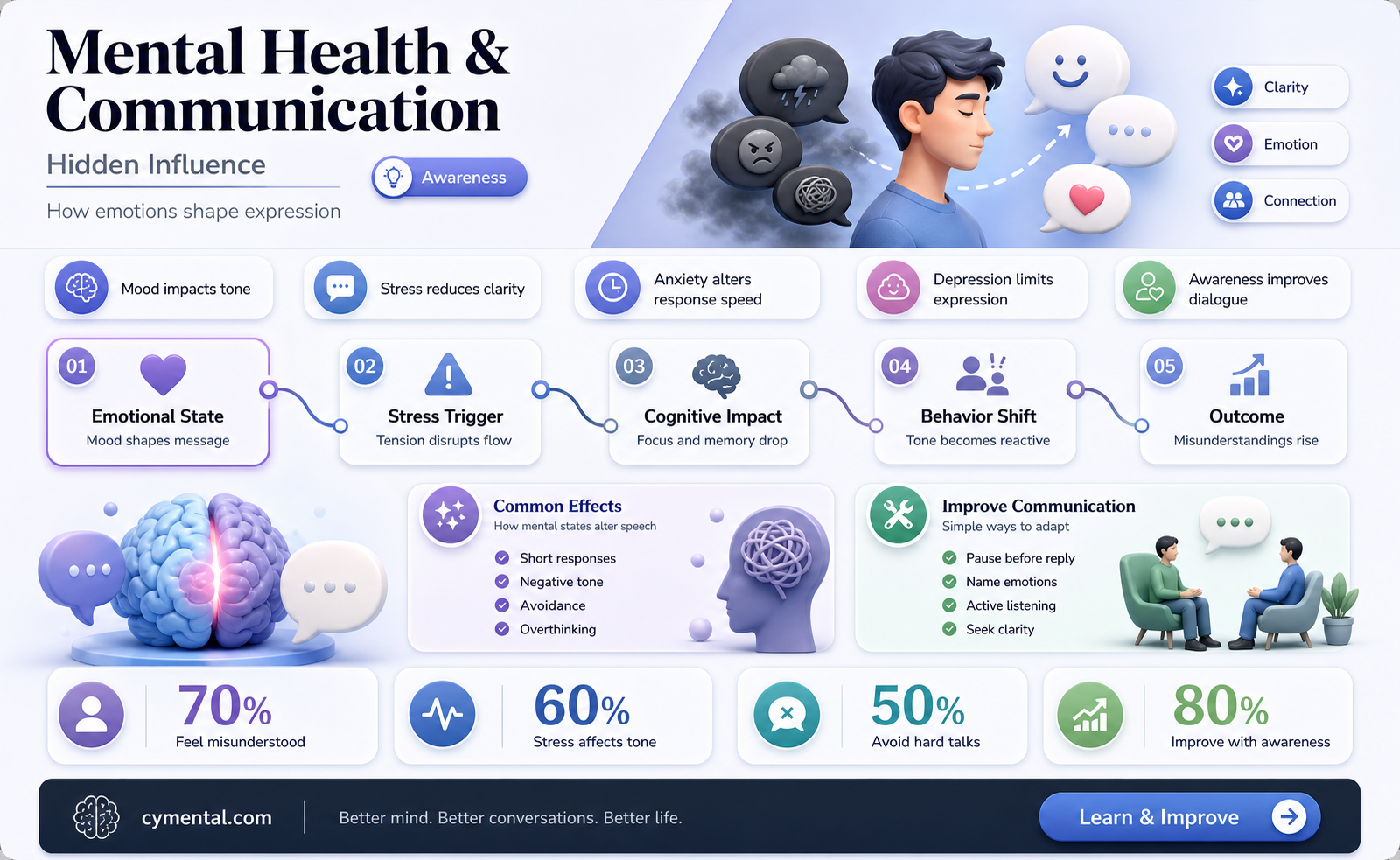
A mental breakdown can significantly impact an individual's ability to communicate effectively. During a mental breakdown, a person may experience overwhelming stress, anxiety, or depression, which can lead to difficulties in articulating thoughts, processing information, and engaging in coherent conversations. This can manifest as fragmented speech, rapid changes in topic, or an inability to respond appropriately to social cues. Additionally, a mental breakdown may cause individuals to withdraw from social interactions altogether, further hindering their communication abilities. It is essential to recognize these signs and provide support to help individuals experiencing a mental breakdown to regain their communication skills and overall well-being.
Explore related products

$28.34 $34.99


What You'll Learn
- Impaired Verbal Expression: Difficulty articulating thoughts and feelings, leading to fragmented or incoherent speech
- Nonverbal Withdrawal: Reduced eye contact, gestures, and facial expressions, indicating emotional distress and social disconnection
- Delusions and Hallucinations: Misinterpretations of reality and sensory experiences that can disrupt communication and interaction
- Emotional Dysregulation: Intense, unpredictable mood swings that hinder effective communication and relationship maintenance
- Cognitive Disorganization: Trouble processing information, remembering details, and maintaining focus, affecting communication clarity and coherence

Impaired Verbal Expression: Difficulty articulating thoughts and feelings, leading to fragmented or incoherent speech
Individuals experiencing a mental breakdown may struggle with impaired verbal expression, a condition characterized by difficulty articulating thoughts and feelings. This can manifest as fragmented or incoherent speech, making it challenging for others to understand their emotional state or needs. Such communication difficulties can exacerbate feelings of isolation and distress, further complicating the recovery process.
One unique aspect of impaired verbal expression is its impact on social interactions. People may withdraw from conversations or social situations due to the fear of being misunderstood or judged. This avoidance can lead to increased loneliness and decreased opportunities for social support, which are crucial for mental health recovery.
Another critical consideration is the potential for misdiagnosis. Impaired verbal expression can sometimes be mistaken for other conditions, such as aphasia or dementia, especially in older adults. It is essential for healthcare providers to carefully evaluate the individual's symptoms and medical history to ensure an accurate diagnosis and appropriate treatment plan.
In terms of treatment, cognitive-behavioral therapy (CBT) can be beneficial for individuals with impaired verbal expression. CBT helps patients identify and challenge negative thought patterns, which can contribute to their communication difficulties. Additionally, speech therapy may be recommended to improve articulation and fluency.
Support from family and friends is also vital. Loved ones can help by being patient, listening actively, and providing a non-judgmental environment for the individual to express themselves. Encouraging open communication and offering reassurance can go a long way in fostering a supportive atmosphere conducive to recovery.
In conclusion, impaired verbal expression is a significant challenge faced by individuals experiencing a mental breakdown. It can lead to social withdrawal, misdiagnosis, and increased distress. However, with the right treatment and support, individuals can learn to better articulate their thoughts and feelings, improving their overall quality of life.
Exploring the Link: Can a Blocked Ureter Impact Mental Health?
You may want to see also
Explore related products




Nonverbal Withdrawal: Reduced eye contact, gestures, and facial expressions, indicating emotional distress and social disconnection
Nonverbal withdrawal is a significant indicator of emotional distress and social disconnection, often observed in individuals experiencing a mental breakdown. This phenomenon manifests as reduced eye contact, fewer gestures, and muted facial expressions, all of which can severely impact communication. When someone withdraws nonverbally, they may appear disinterested, detached, or even hostile, which can lead to misunderstandings and strained relationships.
One of the primary reasons nonverbal withdrawal occurs during a mental breakdown is the overwhelming feeling of emotional pain and vulnerability. Individuals may feel unable to express their emotions verbally, leading them to shut down nonverbally as a coping mechanism. This can be particularly challenging for those around them, as the lack of clear communication makes it difficult to offer support or understand the person's needs.
In a social context, nonverbal withdrawal can be misinterpreted as rudeness or disinterest, leading to further isolation for the individual. Friends and family may become frustrated or hurt by the perceived lack of engagement, potentially exacerbating the person's emotional distress. It's crucial for those supporting someone in this state to recognize the signs of nonverbal withdrawal and respond with empathy and patience.
From a therapeutic perspective, addressing nonverbal withdrawal involves creating a safe and supportive environment where individuals feel comfortable expressing their emotions. Therapists may use techniques such as active listening, validation, and gentle encouragement to help clients open up. Additionally, teaching effective communication skills and promoting self-awareness can empower individuals to better manage their emotional responses and improve their interactions with others.
In conclusion, nonverbal withdrawal is a complex issue that requires understanding and sensitivity. By recognizing the signs and responding appropriately, we can help individuals experiencing emotional distress to feel more connected and supported, ultimately fostering better communication and relationships.
Unraveling the Complex Link Between Mental Illness and School Shootings
You may want to see also
Explore related products


$22.99 $22.99


Delusions and Hallucinations: Misinterpretations of reality and sensory experiences that can disrupt communication and interaction
Delusions and hallucinations are profound distortions in an individual's perception of reality and sensory experiences. These conditions can significantly disrupt communication and interaction, leading to misunderstandings and social isolation. Delusions are firmly held beliefs that are not based in reality, while hallucinations involve sensing things that do not exist, such as hearing voices or seeing visions. Both can be symptoms of various mental health disorders, including schizophrenia, bipolar disorder, and severe depression.
In the context of communication, delusions can cause individuals to misinterpret the intentions and actions of others. For example, a person with persecutory delusions may believe that others are plotting against them, leading to mistrust and hostility. Hallucinations can also interfere with communication by causing individuals to respond to stimuli that are not present, such as conversing with imaginary beings or reacting to nonexistent sounds. These behaviors can be confusing and frightening to others, leading to difficulties in maintaining relationships and participating in social activities.
Effective communication with individuals experiencing delusions and hallucinations requires a sensitive and non-confrontational approach. It is important to acknowledge the person's experiences without necessarily agreeing with their interpretations. Techniques such as active listening, validation, and gentle redirection can help to establish a rapport and facilitate more productive interactions. Additionally, educating oneself about the specific symptoms and challenges associated with these conditions can foster greater empathy and understanding.
In some cases, medication and therapy can be effective in managing delusions and hallucinations, thereby improving communication and interaction. Antipsychotic medications are often used to treat these symptoms, and cognitive-behavioral therapy can help individuals develop coping strategies and improve their ability to distinguish between reality and distorted perceptions. Early intervention and ongoing support are crucial in helping individuals with these conditions to lead fulfilling and socially connected lives.
Ultimately, understanding and addressing delusions and hallucinations is essential for promoting effective communication and interaction within society. By fostering greater awareness and compassion, we can help to reduce the stigma associated with these conditions and provide the necessary support for individuals to thrive.
Exploring the Link: Bladder Infections and Mental Confusion
You may want to see also
Explore related products




Emotional Dysregulation: Intense, unpredictable mood swings that hinder effective communication and relationship maintenance
Emotional dysregulation, characterized by intense and unpredictable mood swings, can significantly impair an individual's ability to communicate effectively and maintain healthy relationships. This condition often manifests as sudden shifts from calm to agitated states, making it challenging for others to understand and respond appropriately to the individual's needs. Such emotional volatility can lead to misunderstandings, conflicts, and a breakdown in trust, ultimately hindering the formation and sustenance of meaningful connections.
In the context of mental health, emotional dysregulation is frequently associated with various disorders, including borderline personality disorder, bipolar disorder, and attention deficit hyperactivity disorder (ADHD). Individuals experiencing emotional dysregulation may struggle with impulse control, leading to outbursts of anger or frustration that can be disproportionate to the situation at hand. These episodes can be particularly damaging in interpersonal settings, as they may leave others feeling confused, hurt, or defensive.
Effective communication is a cornerstone of healthy relationships, and emotional dysregulation can disrupt this process in several ways. For instance, during periods of heightened emotional arousal, individuals may have difficulty articulating their thoughts and feelings in a clear and coherent manner. This can result in miscommunication, where others may misinterpret the individual's intentions or emotions. Furthermore, the unpredictability of mood swings can create an environment of uncertainty, making it challenging for others to anticipate how the individual will react in different situations.
To mitigate the impact of emotional dysregulation on communication and relationships, it is essential for individuals to develop strategies for managing their emotions. This may include practicing mindfulness, engaging in regular physical activity, and seeking support from mental health professionals. Additionally, educating oneself and others about emotional dysregulation can foster greater understanding and empathy, ultimately leading to more supportive and accommodating relationships.
In conclusion, emotional dysregulation can have a profound impact on an individual's ability to communicate effectively and maintain healthy relationships. By recognizing the signs of emotional dysregulation and implementing strategies for emotional management, individuals can work towards building more stable and fulfilling connections with others.
Unraveling the Link: Mental Illness and Anger Outbursts Explained
You may want to see also
Explore related products



Cognitive Disorganization: Trouble processing information, remembering details, and maintaining focus, affecting communication clarity and coherence
Cognitive disorganization can significantly impact an individual's ability to communicate effectively. This condition, characterized by difficulties in processing information, remembering details, and maintaining focus, can lead to unclear and incoherent communication. For instance, a person experiencing cognitive disorganization might struggle to follow a conversation, forget important details, or have trouble articulating their thoughts in a logical manner.
One of the primary challenges associated with cognitive disorganization is the inability to process information efficiently. This can manifest in various ways, such as difficulty understanding complex instructions, trouble learning new information, or problems with multitasking. As a result, individuals may find it hard to keep up with conversations or follow directions, leading to misunderstandings and frustration.
Memory issues are another common symptom of cognitive disorganization. Forgetting important details, such as names, dates, or events, can hinder effective communication. This can be particularly problematic in professional or social settings where remembering information is crucial. Additionally, difficulties with working memory can make it challenging to hold onto information long enough to process and respond to it appropriately.
Maintaining focus is also a significant challenge for individuals with cognitive disorganization. Easily getting distracted or losing train of thought can disrupt the flow of communication, making it difficult to convey messages clearly and coherently. This can lead to misunderstandings and misinterpretations, as the person may not be able to fully engage in the conversation or follow the topic being discussed.
To address cognitive disorganization and improve communication, individuals can employ various strategies. For example, using mnemonic devices or memory aids can help with remembering important details. Breaking down complex information into smaller, more manageable chunks can also be beneficial. Additionally, practicing mindfulness and focus exercises can help individuals stay present and engaged in conversations.
In conclusion, cognitive disorganization can have a profound impact on communication, making it challenging for individuals to process information, remember details, and maintain focus. By understanding the symptoms and employing targeted strategies, individuals can work to improve their communication skills and overcome the challenges posed by cognitive disorganization.
Unseen Scars: The Mental and Emotional Toll of Restraints
You may want to see also
Frequently asked questions
Yes, a mental breakdown can significantly impact a person's communication abilities. During a mental breakdown, individuals may experience symptoms such as disorganized thoughts, difficulty concentrating, and emotional distress, all of which can interfere with effective communication. They might struggle to articulate their thoughts clearly, have trouble following conversations, or withdraw from social interactions altogether.
Communication can be affected in several ways during a mental breakdown. Some individuals may experience a decrease in their ability to speak or write coherently, while others might have difficulty understanding what others are saying. They may also struggle with nonverbal communication, such as maintaining eye contact or interpreting body language. Additionally, emotional distress can lead to increased irritability or sensitivity, causing misunderstandings or conflicts in interpersonal interactions.
Supporting someone experiencing a mental breakdown involves being patient, understanding, and empathetic in communication. It's essential to create a safe and nonjudgmental environment where the person feels comfortable expressing themselves. Active listening, validating their feelings, and offering reassurance can help. Additionally, simplifying language, speaking at a slower pace, and using clear, concise messages can aid in better understanding. Encouraging professional help and accompanying them to therapy sessions can also be beneficial in addressing communication challenges associated with a mental breakdown.