Harper Lewis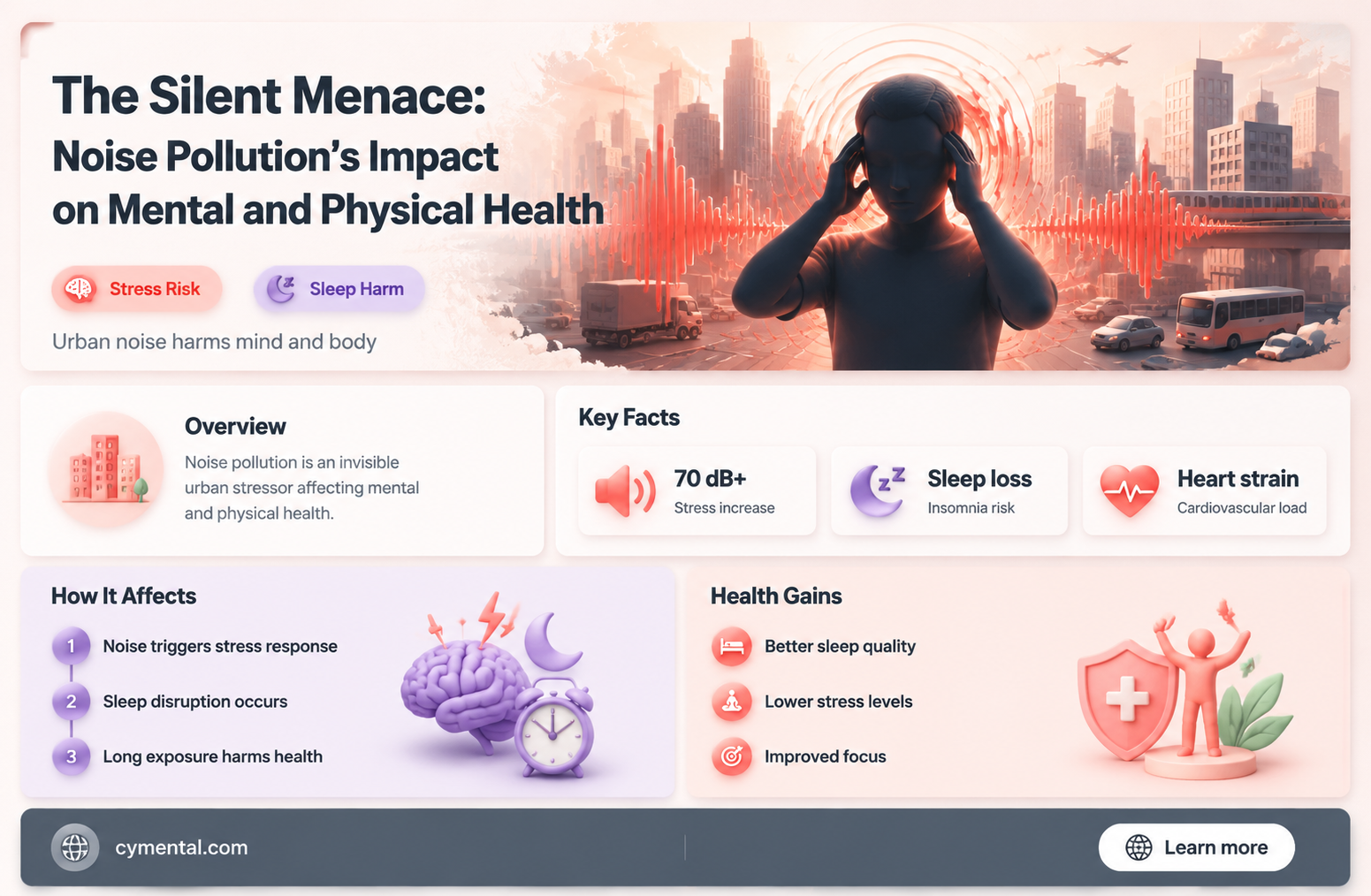
Noise pollution, an often overlooked environmental issue, has significant implications for both mental and physical health. Prolonged exposure to high levels of noise can lead to a range of health problems, including hearing loss, cardiovascular diseases, and sleep disturbances. Moreover, it can exacerbate mental health conditions such as anxiety and depression, and even impair cognitive functions like memory and concentration. This paragraph will delve into the various ways noise pollution impacts our well-being, exploring the underlying mechanisms and presenting evidence from recent studies. By understanding these effects, we can better appreciate the importance of noise reduction strategies in promoting a healthier living environment.
| Characteristics | Values |
|---|---|
| Increased stress levels | Noise pollution can lead to elevated stress hormones like cortisol, contributing to chronic stress. |
| Sleep disturbances | Excessive noise can disrupt sleep patterns, leading to insomnia, fatigue, and decreased overall sleep quality. |
| Cardiovascular issues | Prolonged exposure to noise pollution has been linked to increased blood pressure, heart rate, and risk of cardiovascular diseases. |
| Hearing loss | High levels of noise can cause temporary or permanent hearing damage, impacting communication and quality of life. |
| Cognitive impairment | Noise pollution may affect cognitive functions such as memory, attention, and problem-solving abilities, particularly in children. |
| Mental health concerns | Constant noise exposure can contribute to anxiety, depression, and other mental health issues, reducing overall well-being. |
| Reduced productivity | Noise pollution can decrease focus and productivity, impacting work and academic performance. |
| Social isolation | Individuals may avoid social interactions due to noise-induced stress or hearing difficulties, leading to social isolation. |
| Physical discomfort | Noise can cause physical discomfort, headaches, and muscle tension, affecting daily activities and comfort. |
| Environmental impact | Noise pollution can also affect wildlife, disrupting ecosystems and contributing to broader environmental issues. |
Explore related products


What You'll Learn
- Sleep Disturbances: Noise pollution can disrupt sleep patterns, leading to insomnia, fatigue, and decreased overall health
- Stress and Anxiety: Constant exposure to noise can increase stress levels, contributing to anxiety disorders and other mental health issues
- Hearing Loss: Prolonged exposure to loud noises can cause temporary or permanent hearing loss, impacting communication and quality of life
- Cardiovascular Problems: Noise pollution has been linked to increased blood pressure and heart rate, potentially leading to cardiovascular diseases
- Cognitive Impairment: Excessive noise exposure can affect cognitive functions, including memory, attention, and problem-solving abilities

Sleep Disturbances: Noise pollution can disrupt sleep patterns, leading to insomnia, fatigue, and decreased overall health
Noise pollution, an often overlooked environmental issue, has a profound impact on sleep quality. Research indicates that exposure to high levels of noise during the night can lead to sleep disturbances, manifesting as insomnia, daytime fatigue, and a general decline in health. This disruption occurs because noise can interfere with the body's natural sleep cycles, preventing individuals from reaching the deep, restorative stages of sleep necessary for optimal health.
One of the primary mechanisms by which noise pollution affects sleep is through the activation of the body's stress response. When exposed to loud noises, the brain releases stress hormones like cortisol and adrenaline, which can make it difficult to fall asleep and stay asleep. Over time, chronic exposure to noise pollution can lead to long-term sleep deprivation, which is associated with a range of health problems including obesity, diabetes, cardiovascular disease, and impaired cognitive function.
Moreover, noise pollution can have a significant impact on mental health. The constant barrage of noise can lead to increased levels of anxiety and stress, which can further exacerbate sleep problems. In some cases, noise pollution can even trigger or worsen conditions like tinnitus, a ringing in the ears that can make it difficult to sleep.
To mitigate the effects of noise pollution on sleep, individuals can take several steps. One approach is to use noise-cancelling headphones or earplugs to block out external noise. Additionally, creating a relaxing bedtime routine and ensuring that the bedroom is a quiet, comfortable space can help promote better sleep. In some cases, it may also be necessary to work with local authorities or community groups to address the root causes of noise pollution, such as traffic or industrial noise.
In conclusion, noise pollution is a significant environmental issue that can have a profound impact on sleep quality and overall health. By understanding the mechanisms by which noise pollution affects sleep and taking steps to mitigate its effects, individuals can improve their sleep quality and protect their mental and physical health.
The Impact of Bullying on Mental Health: A Comprehensive Guide
You may want to see also
Explore related products


Stress and Anxiety: Constant exposure to noise can increase stress levels, contributing to anxiety disorders and other mental health issues
Constant exposure to noise pollution can significantly elevate stress levels, which in turn may contribute to the development of anxiety disorders and other mental health issues. This is because prolonged exposure to high decibel levels can trigger the body's fight-or-flight response, leading to increased heart rate, heightened blood pressure, and the release of stress hormones such as cortisol and adrenaline. Over time, this chronic activation of the stress response can lead to a range of negative health outcomes, including anxiety, depression, and even cardiovascular disease.
Research has shown that individuals living in noisy environments, such as those near airports or busy highways, are more likely to experience symptoms of anxiety and depression compared to those living in quieter areas. In fact, a study published in the journal Environmental Health Perspectives found that exposure to noise pollution was associated with a 30% increased risk of anxiety disorders. This is likely due to the fact that noise pollution can disrupt sleep patterns, interfere with communication, and create a sense of unease and discomfort.
Furthermore, noise pollution can also have a significant impact on cognitive function, particularly in children. Studies have shown that exposure to noise pollution can impair memory, attention, and language development in children, leading to long-term consequences for their academic and social functioning. In adults, noise pollution can also impair cognitive function, leading to decreased productivity and increased risk of accidents.
To mitigate the effects of noise pollution on mental health, it is important to take steps to reduce exposure to high decibel levels. This can include wearing earplugs or noise-cancelling headphones, avoiding loud music or machinery, and creating a quiet and relaxing environment at home. Additionally, practicing stress-reduction techniques such as meditation, yoga, or deep breathing exercises can help to counteract the negative effects of noise pollution on mental health.
In conclusion, the impact of noise pollution on mental health is a significant and growing concern. By taking steps to reduce exposure to noise pollution and practicing stress-reduction techniques, individuals can help to protect their mental health and well-being.
Unveiling the Mental Impact: A Deep Dive into Depressants' Effects
You may want to see also
Explore related products


Hearing Loss: Prolonged exposure to loud noises can cause temporary or permanent hearing loss, impacting communication and quality of life
Prolonged exposure to loud noises is a significant risk factor for hearing loss, which can have profound effects on an individual's ability to communicate and overall quality of life. Noise pollution, often an overlooked environmental hazard, contributes to this risk. Understanding the mechanisms by which loud noises damage hearing can help in developing strategies to mitigate these effects.
The human ear is a delicate organ composed of tiny hair cells in the cochlea that convert sound waves into electrical signals sent to the brain. When exposed to loud noises, these hair cells can become damaged or destroyed, leading to hearing impairment. This damage can be temporary, known as temporary threshold shift (TTS), or permanent, resulting in irreversible hearing loss. The severity of hearing loss depends on the intensity and duration of the noise exposure.
Everyday sources of noise pollution, such as traffic, construction, and industrial activities, can contribute to cumulative hearing damage over time. For instance, regular exposure to noise levels above 85 decibels (dB) can lead to hearing loss. To put this into perspective, a busy city street can reach noise levels of 80-90 dB, and a chainsaw operates at around 110 dB. Occupational settings, such as factories or music venues, can expose workers to even higher noise levels, increasing the risk of hearing damage.
Preventing hearing loss due to noise pollution involves both individual and societal actions. On an individual level, using hearing protection devices (HPDs) like earplugs or earmuffs can significantly reduce noise exposure. It's also important to limit time spent in loud environments and to maintain a safe distance from noise sources. Societal measures include implementing stricter noise regulations, designing quieter urban spaces, and promoting public awareness about the risks of noise pollution.
In conclusion, hearing loss due to prolonged exposure to loud noises is a serious health concern that can significantly impact communication and quality of life. By understanding the risks and taking proactive steps to reduce noise exposure, individuals and communities can work together to protect hearing health and improve overall well-being.
The Mind-Body Connection: How Poor Mental Health Affects Physical Well-being
You may want to see also
Explore related products


Cardiovascular Problems: Noise pollution has been linked to increased blood pressure and heart rate, potentially leading to cardiovascular diseases
Noise pollution has been linked to increased blood pressure and heart rate, potentially leading to cardiovascular diseases. This is because the body's stress response to noise can cause the release of hormones like adrenaline and cortisol, which can constrict blood vessels and increase heart rate. Over time, this can lead to chronic hypertension and other cardiovascular problems.
Studies have shown that people who live in areas with high levels of noise pollution are more likely to develop cardiovascular diseases than those who live in quieter areas. For example, a study conducted by the World Health Organization found that exposure to noise pollution from traffic can increase the risk of heart disease by up to 10%.
The effects of noise pollution on cardiovascular health can be particularly problematic for vulnerable populations, such as the elderly and those with pre-existing heart conditions. These individuals may already have compromised cardiovascular systems, and exposure to noise pollution can exacerbate their condition.
There are several steps that can be taken to reduce the impact of noise pollution on cardiovascular health. One important step is to reduce overall exposure to noise pollution by avoiding loud environments and using noise-cancelling headphones or earplugs when necessary. Additionally, lifestyle changes such as regular exercise, a healthy diet, and stress management techniques can help to mitigate the effects of noise pollution on cardiovascular health.
In conclusion, noise pollution is a significant risk factor for cardiovascular diseases, and it is important to take steps to reduce exposure and mitigate its effects. By being aware of the potential dangers of noise pollution and taking proactive measures to protect cardiovascular health, individuals can help to reduce their risk of developing these serious conditions.
The Impact of Social Media on Teen Mental Health
You may want to see also
Explore related products


Cognitive Impairment: Excessive noise exposure can affect cognitive functions, including memory, attention, and problem-solving abilities
Excessive noise exposure has been linked to cognitive impairment, affecting various functions such as memory, attention, and problem-solving abilities. This is particularly concerning in urban environments where noise pollution is prevalent. Studies have shown that prolonged exposure to high levels of noise can lead to structural changes in the brain, impacting areas responsible for these cognitive functions.
One of the primary ways noise pollution affects cognitive functions is through sleep disturbance. Noise can disrupt the sleep cycle, leading to reduced sleep quality and duration. This, in turn, impairs cognitive performance, as sleep plays a crucial role in memory consolidation and cognitive processing. Furthermore, noise exposure can increase stress levels, which has been shown to negatively impact cognitive functions, particularly attention and problem-solving abilities.
Children are especially vulnerable to the cognitive effects of noise pollution. Research has indicated that exposure to high levels of noise can hinder language development and reading skills in children. This is likely due to the fact that noise can interfere with the ability to focus and process auditory information, which is critical for language acquisition.
In addition to these direct effects, noise pollution can also contribute to cognitive impairment indirectly through its impact on mental health. Chronic noise exposure has been associated with increased symptoms of anxiety and depression, which can further exacerbate cognitive decline. Moreover, noise can lead to social isolation, as individuals may avoid noisy environments or become withdrawn due to the stress and discomfort caused by excessive noise.
To mitigate the cognitive effects of noise pollution, it is essential to implement strategies to reduce noise exposure. This can include using noise-cancelling headphones, installing soundproofing materials in homes and offices, and advocating for stricter noise regulations in urban areas. Additionally, promoting awareness about the impact of noise pollution on cognitive health can encourage individuals to take proactive steps to protect their mental well-being.
The Emotional Toll: How Cheating Impacts a Woman's Mental Health
You may want to see also
Frequently asked questions
The primary sources of noise pollution include traffic noise from vehicles, industrial noise from factories and machinery, construction noise, and noise from recreational activities such as concerts and sporting events.
Noise pollution can lead to increased stress levels, anxiety, depression, and sleep disturbances. Prolonged exposure to high levels of noise can also result in cognitive impairment and reduced quality of life.
Noise pollution can cause hearing loss, cardiovascular diseases, high blood pressure, and respiratory problems. It can also exacerbate existing health conditions and lead to overall poorer health outcomes.
Yes, certain groups are more vulnerable to the effects of noise pollution, including children, the elderly, and individuals with pre-existing health conditions. Low-income communities often live in areas with higher levels of noise pollution, making them disproportionately affected.
Measures to reduce noise pollution include implementing stricter noise regulations, using noise barriers and soundproofing materials, promoting the use of public transportation and electric vehicles, and encouraging industries to adopt quieter technologies and practices.