Lucas Bennett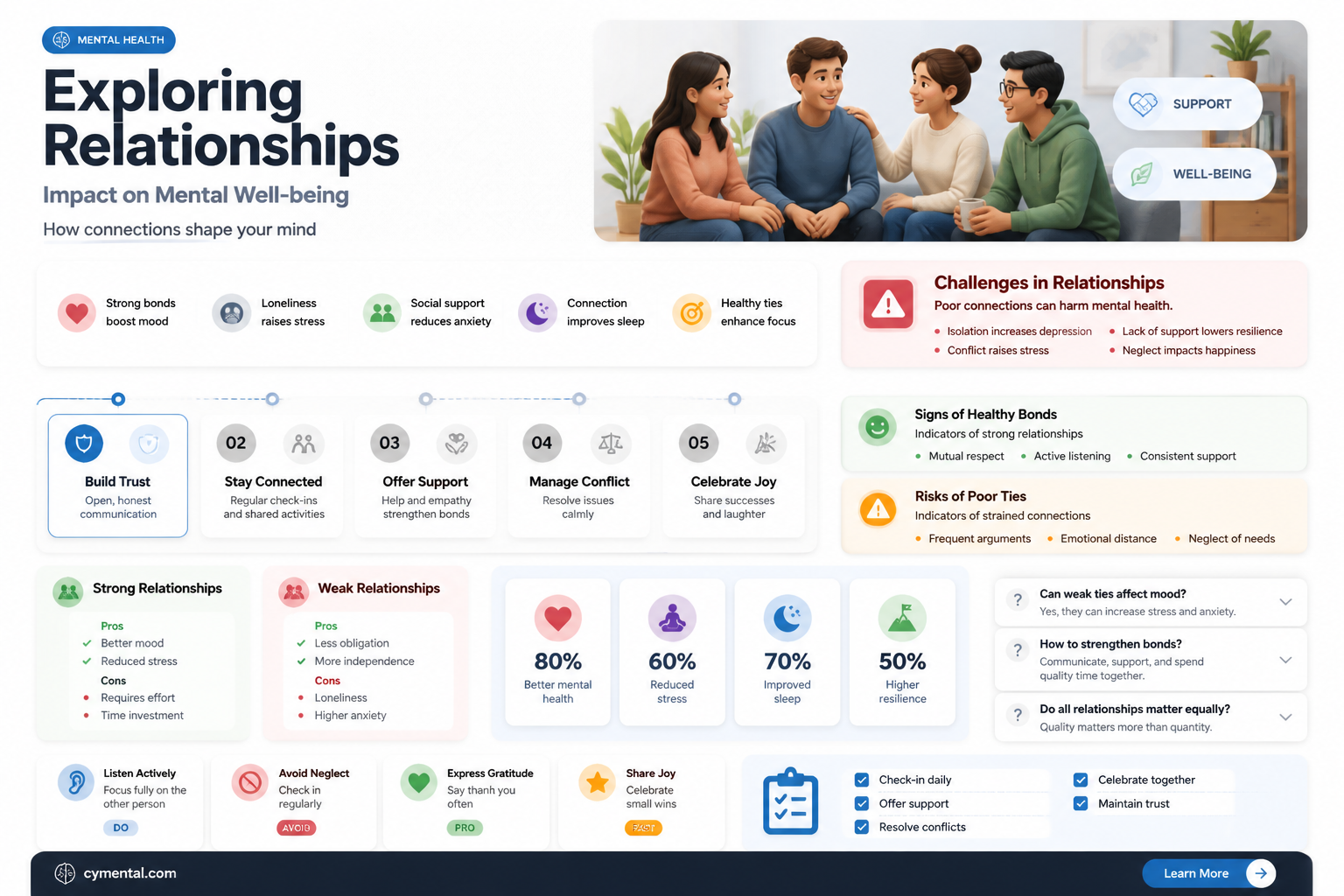
Relationships can have a profound impact on an individual's mental health. Positive, supportive relationships can enhance emotional well-being, provide a sense of security, and foster personal growth. Conversely, toxic or strained relationships can lead to increased stress, anxiety, and feelings of isolation. This complex interplay between relationships and mental health underscores the importance of nurturing healthy connections and recognizing when relationships may be detrimental to one's psychological well-being.
| Characteristics | Values |
|---|---|
| Positive Impact | Improved mood, reduced stress, increased self-esteem, better emotional regulation, enhanced resilience, stronger social connections, increased physical activity, healthier lifestyle choices, improved sleep quality, greater sense of purpose and belonging |
| Negative Impact | Increased anxiety, depression, stress, jealousy, insecurity, codependency, emotional exhaustion, neglect of personal needs, social isolation, decreased self-esteem, loss of identity, enabling unhealthy behaviors, conflict-related distress, feelings of loneliness or emptiness |
| Types of Relationships | Romantic relationships, friendships, family relationships, professional relationships, casual relationships, long-distance relationships, abusive relationships, supportive relationships, toxic relationships, healthy relationships |
| Factors Influencing Impact | Quality of communication, level of support, degree of trust, presence of conflict, balance of power, respect for boundaries, shared values and goals, individual personalities, past experiences, cultural and social context |
| Signs of Healthy Relationship | Mutual respect, open communication, trust, equality, independence, support, compromise, growth, shared responsibilities, conflict resolution, emotional intimacy, physical affection, shared interests, personal space |
| Signs of Unhealthy Relationship | Control, manipulation, criticism, neglect, abuse, jealousy, insecurity, codependency, lack of communication, disrespect, inequality, isolation, enabling unhealthy behaviors, lack of personal growth, unresolved conflicts |
| Seeking Help | Therapy, counseling, support groups, self-help resources, talking to trusted friends or family, setting boundaries, practicing self-care, developing a support network, learning healthy communication skills, recognizing and addressing red flags |
| Self-Care Strategies | Exercise, meditation, hobbies, spending time in nature, journaling, creative expression, healthy eating, adequate sleep, relaxation techniques, setting personal goals, practicing mindfulness, engaging in positive self-talk |
| Impact on Mental Health | Relationships can significantly impact mental health, both positively and negatively. Healthy relationships can enhance well-being, while unhealthy relationships can lead to distress and mental health issues. |
| Importance of Boundaries | Setting and maintaining healthy boundaries is crucial in relationships to protect one's mental health, maintain individuality, and prevent exploitation or abuse. |
Explore related products


What You'll Learn
- Emotional Support: Relationships can provide emotional support, reducing stress and anxiety levels
- Conflict and Stress: Frequent conflicts in relationships can lead to increased stress and negatively impact mental health
- Self-Esteem: Healthy relationships can boost self-esteem, while toxic relationships may erode it
- Isolation: Relationships can sometimes lead to social isolation, affecting overall mental well-being
- Trauma and Abuse: Abusive relationships can cause severe mental health issues, including PTSD and depression

Emotional Support: Relationships can provide emotional support, reducing stress and anxiety levels
Relationships can play a pivotal role in providing emotional support, which is crucial for maintaining good mental health. Emotional support from a partner, family member, or friend can significantly reduce stress and anxiety levels, creating a buffer against the negative impacts of daily pressures and life events. This support can manifest in various forms, such as active listening, empathy, encouragement, and physical comfort. When individuals feel understood and validated, they are better equipped to cope with challenges and setbacks, fostering resilience and emotional well-being.
One unique angle to consider is the impact of emotional support on the brain's neurochemistry. Research has shown that social support can influence the production of neurotransmitters like serotonin and oxytocin, which are associated with feelings of happiness and bonding. In contrast, chronic stress and anxiety can deplete these neurotransmitters, leading to a decline in mental health. Therefore, relationships that offer emotional support can help maintain a healthy balance of these chemicals, promoting a sense of calm and stability.
Moreover, emotional support in relationships can also encourage healthy behaviors that contribute to mental well-being. For instance, a supportive partner may motivate their significant other to engage in regular exercise, eat a balanced diet, and get adequate sleep, all of which are essential for reducing stress and anxiety. Additionally, having someone to share experiences and emotions with can prevent feelings of isolation and loneliness, which are known risk factors for mental health issues.
It is important to note that while relationships can provide emotional support, they can also be a source of stress and anxiety if they are unhealthy or dysfunctional. Therefore, it is crucial to cultivate relationships that are based on mutual respect, trust, and open communication. Seeking support from a mental health professional can also be beneficial in developing strategies for managing stress and anxiety, both within and outside of relationships.
In conclusion, emotional support in relationships is a vital component of mental health, offering a range of benefits that can help individuals cope with stress and anxiety. By fostering healthy relationships and seeking professional support when needed, individuals can build a strong foundation for emotional well-being and resilience.
The Impact of Obesity on Mental Health: A Comprehensive Overview
You may want to see also
Explore related products

$18.59 $19.95


$18.49 $19.95


Conflict and Stress: Frequent conflicts in relationships can lead to increased stress and negatively impact mental health
Chronic conflict in relationships can significantly elevate stress levels, which in turn can have detrimental effects on mental health. This is because ongoing disputes and disagreements trigger the body's fight-or-flight response, leading to the release of stress hormones like cortisol and adrenaline. Over time, these elevated hormone levels can contribute to a range of mental health issues, including anxiety, depression, and even post-traumatic stress disorder (PTSD).
One of the ways in which conflict can impact mental health is by disrupting sleep patterns. Stress and anxiety can make it difficult to fall asleep or stay asleep, leading to chronic sleep deprivation. This can further exacerbate mental health problems, as sleep is essential for emotional regulation and cognitive function. Additionally, chronic conflict can lead to social isolation, as individuals may withdraw from friends and family due to the stress and emotional turmoil of their relationship. This isolation can compound feelings of loneliness and depression.
It's also important to consider the impact of conflict on self-esteem and confidence. Frequent criticism, blame, or belittling from a partner can erode an individual's sense of self-worth, leading to feelings of inadequacy and low self-esteem. This can have long-term effects on mental health, as low self-esteem is a risk factor for depression and anxiety. Furthermore, the stress of ongoing conflict can lead to physical health problems, such as headaches, digestive issues, and a weakened immune system, which can also contribute to mental health decline.
To mitigate the negative effects of conflict on mental health, it's essential to develop healthy coping mechanisms. This might include practicing relaxation techniques, such as deep breathing or meditation, engaging in regular physical activity, or seeking support from friends, family, or a mental health professional. It's also important to address the underlying issues contributing to the conflict, rather than simply trying to manage the symptoms. This might involve couples therapy, communication skills training, or other forms of relationship counseling.
In conclusion, frequent conflicts in relationships can have a profound impact on mental health, leading to increased stress, disrupted sleep patterns, social isolation, and a range of other negative outcomes. By developing healthy coping mechanisms and addressing the underlying issues contributing to the conflict, individuals can take steps to protect their mental health and improve their overall well-being.
Unveiling the Crucial Link: Sleep's Impact on Mental Health
You may want to see also
Explore related products


Self-Esteem: Healthy relationships can boost self-esteem, while toxic relationships may erode it
Healthy relationships can significantly enhance an individual's self-esteem. When people are in supportive and nurturing relationships, they tend to feel valued, respected, and appreciated. These positive interactions can lead to an increased sense of self-worth and confidence. For example, a partner who consistently offers encouragement and support can help their significant other feel more capable and competent in various aspects of life. This boost in self-esteem can have a ripple effect, improving overall mental health and well-being.
On the other hand, toxic relationships can have a detrimental impact on self-esteem. Constant criticism, belittling, and negative interactions can erode an individual's sense of self-worth. In such relationships, partners may feel undervalued, unappreciated, and unloved. This can lead to feelings of inadequacy and low self-esteem. For instance, if a partner is frequently told they are not good enough or that their opinions do not matter, they may begin to internalize these negative messages, leading to a diminished sense of self-value.
The impact of relationships on self-esteem can be particularly pronounced in young adulthood. During this stage of life, individuals are often exploring their identities and seeking validation from others. Healthy relationships can provide the necessary support and encouragement for personal growth and self-discovery, while toxic relationships can hinder this process. For example, a young adult in a healthy relationship may feel more confident in pursuing their goals and dreams, while one in a toxic relationship may feel held back or discouraged.
It is important to recognize the signs of a toxic relationship and take steps to address them. Some common signs include frequent criticism, controlling behavior, and a lack of emotional support. If these signs are present, it may be necessary to seek counseling or therapy to work through the issues and develop healthier relationship patterns. In some cases, it may be necessary to end the relationship in order to protect one's mental health and self-esteem.
In conclusion, relationships can have a profound impact on self-esteem. Healthy relationships can boost self-esteem by providing support, encouragement, and validation, while toxic relationships can erode it through criticism, belittling, and negative interactions. It is crucial to be aware of these dynamics and take steps to foster healthy relationships that promote personal growth and well-being.
Understanding Grief's Impact: How Loss Affects Mental Health
You may want to see also
Explore related products


Isolation: Relationships can sometimes lead to social isolation, affecting overall mental well-being
Social isolation can be a significant consequence of certain relationships, subtly undermining an individual's mental well-being. This often occurs when a partner exerts control over their significant other's social interactions, limiting their ability to maintain friendships and engage in social activities outside the relationship. Over time, this restriction can lead to a sense of loneliness and disconnection from the broader community, which is detrimental to mental health.
One of the primary ways relationships can lead to isolation is through the gradual erosion of personal boundaries. When partners prioritize their relationship above all else, they may unconsciously neglect other important aspects of their lives, including friendships and family ties. This can result in a shrinking social circle and increased dependence on the partner for emotional support, further exacerbating feelings of isolation.
Moreover, the impact of social isolation on mental health should not be underestimated. Research has shown that prolonged isolation can contribute to a range of psychological issues, including depression, anxiety, and even cognitive decline. The lack of social interaction can disrupt the normal functioning of neurotransmitters in the brain, leading to imbalances that affect mood and overall well-being.
To mitigate the risk of isolation in relationships, it is essential for individuals to maintain a healthy balance between their romantic commitments and their social life. This can involve setting clear boundaries, prioritizing time with friends and family, and engaging in activities that promote social interaction and personal growth. By fostering a strong support network outside of the relationship, individuals can reduce their vulnerability to isolation and its negative effects on mental health.
In conclusion, while relationships can provide emotional support and companionship, they can also lead to social isolation if not managed carefully. It is crucial for individuals to be aware of this potential risk and to take proactive steps to maintain a healthy balance between their romantic relationships and their broader social connections. By doing so, they can safeguard their mental well-being and cultivate a more fulfilling and balanced life.
The Silent Menace: Noise Pollution's Impact on Mental and Physical Health
You may want to see also
Explore related products

$9.99 $17.99


Trauma and Abuse: Abusive relationships can cause severe mental health issues, including PTSD and depression
Abusive relationships can have a profound impact on an individual's mental health, often leading to severe and long-lasting issues. Post-Traumatic Stress Disorder (PTSD) is a common diagnosis among survivors of abuse, characterized by intrusive memories, heightened alertness, and emotional instability. The constant fear and anxiety experienced in an abusive relationship can rewire the brain, making it difficult for individuals to feel safe or secure even after leaving the abusive situation.
Depression is another significant mental health concern for those who have endured abuse. The emotional toll of being subjected to verbal, physical, or emotional abuse can lead to feelings of worthlessness, hopelessness, and despair. Survivors may struggle with self-esteem issues, social withdrawal, and a loss of interest in activities they once enjoyed. The impact of abuse on mental health can be so severe that it may lead to suicidal thoughts or attempts.
It's crucial to recognize the signs of abuse and seek help as soon as possible. If you or someone you know is experiencing abuse, there are resources available to provide support and assistance. Reaching out to a trusted friend, family member, or mental health professional can be the first step towards healing and reclaiming your mental well-being. Remember, you are not alone, and there is hope for recovery and a brighter future.
Exploring Emotional States: A Guide to Describing Affect in Mental Status Exams
You may want to see also
Frequently asked questions
Yes, relationships can have a significant impact on mental health. Positive relationships can enhance well-being, reduce stress, and provide emotional support. Conversely, negative or toxic relationships can lead to increased anxiety, depression, and other mental health issues.
A healthy relationship can contribute to better mental health by providing a sense of security, companionship, and mutual support. It can also encourage personal growth, improve self-esteem, and offer a safe space for expressing emotions and concerns.
Signs that a relationship might be negatively affecting your mental health include feeling constantly anxious or stressed, experiencing frequent mood swings, having difficulty concentrating or sleeping, feeling isolated from friends and family, and noticing a decline in self-care or personal hygiene.