Harper Lewis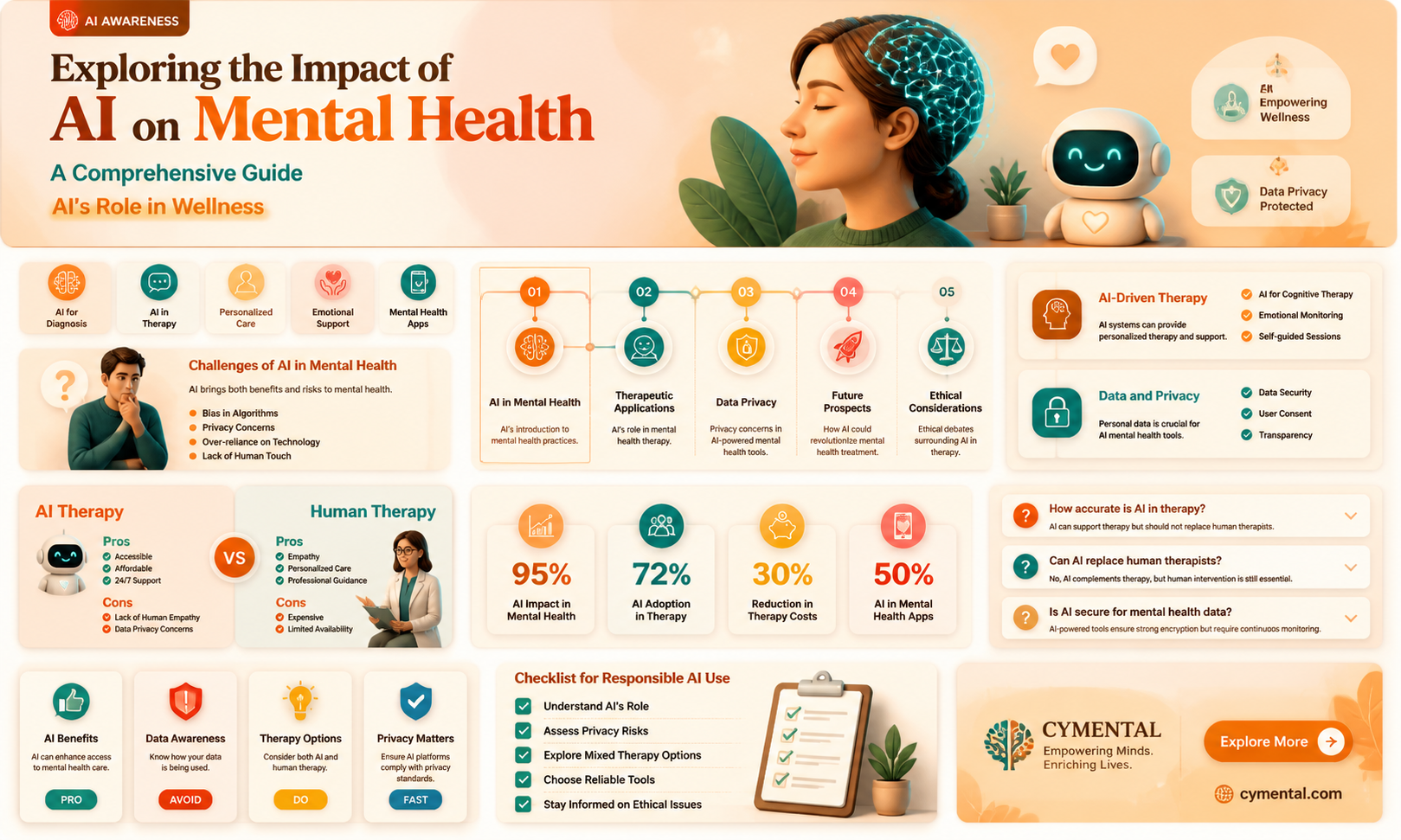
Artificial intelligence (AI) has become an integral part of our daily lives, from virtual assistants to social media algorithms. While AI offers numerous benefits, its impact on mental health is a growing concern. The increasing reliance on AI-driven technologies can lead to feelings of isolation, anxiety, and depression. Social media platforms, which heavily utilize AI for content curation and recommendation, have been linked to negative mental health outcomes, particularly among young people. Additionally, the constant surveillance and data collection by AI systems can contribute to a sense of loss of privacy and control, further exacerbating mental health issues. As AI continues to advance and permeate various aspects of society, it is crucial to address these concerns and develop strategies to mitigate the potential negative effects on mental well-being.
Explore related products


What You'll Learn
- AI in Therapy: AI-powered chatbots and virtual therapists offering mental health support and counseling
- Social Media Impact: AI algorithms influencing social media content and its effects on mental wellbeing
- Job Displacement Anxiety: AI automation leading to job losses and increased anxiety about the future
- Privacy Concerns: AI systems collecting and analyzing personal data, raising privacy issues and potential mental health impacts
- AI-Generated Content: AI creating realistic but potentially harmful content, such as deepfakes, affecting mental health

AI in Therapy: AI-powered chatbots and virtual therapists offering mental health support and counseling
AI-powered chatbots and virtual therapists are revolutionizing the field of mental health support and counseling. These innovative tools leverage artificial intelligence to provide accessible, convenient, and often anonymous mental health services to individuals in need. By simulating human-like conversations, AI chatbots can offer emotional support, coping strategies, and even therapeutic interventions to users experiencing a range of mental health challenges.
One of the key advantages of AI in therapy is its ability to bridge the gap in mental health care accessibility. Many individuals face barriers to accessing traditional therapy, such as financial constraints, geographical limitations, or social stigma. AI-powered chatbots and virtual therapists can be accessed from anywhere with an internet connection, making mental health support more widely available. Additionally, these tools can provide immediate assistance, reducing wait times for appointments and offering real-time support during crises.
However, the integration of AI in mental health care also raises important ethical and clinical considerations. While AI chatbots can be trained to recognize and respond to common mental health issues, they may struggle with more complex or nuanced concerns. There is also the risk of over-reliance on AI, potentially leading to a lack of human connection and empathy in the therapeutic process. Furthermore, issues related to data privacy and security must be carefully addressed to ensure the confidentiality of user information.
Despite these challenges, the potential benefits of AI in therapy are significant. AI-powered tools can help to destigmatize mental health care by providing a non-judgmental and anonymous space for individuals to seek support. They can also serve as a valuable adjunct to traditional therapy, offering additional resources and support between sessions. As AI technology continues to evolve, it is likely that we will see increasingly sophisticated and effective applications in the field of mental health.
In conclusion, AI-powered chatbots and virtual therapists represent a promising development in mental health care, offering increased accessibility and convenience. While there are important ethical and clinical considerations to be addressed, the potential benefits of AI in therapy are substantial. As these tools continue to advance, they have the potential to play a significant role in supporting individuals' mental health and well-being.
Exploring the Surprising Link Between UTIs and Mental Health
You may want to see also
Explore related products


Social Media Impact: AI algorithms influencing social media content and its effects on mental wellbeing
AI algorithms play a significant role in shaping the content we see on social media platforms. These algorithms are designed to maximize user engagement by showing content that is likely to be of interest to each individual user. However, this can have unintended consequences for mental wellbeing. For instance, a user who frequently interacts with content related to anxiety or depression may be shown more of this type of content, potentially exacerbating their symptoms.
One of the ways AI algorithms can impact mental health is through the creation of echo chambers. These are online spaces where users are only exposed to information and opinions that align with their own, which can lead to increased polarization and a lack of exposure to diverse perspectives. This can contribute to feelings of isolation and reinforce negative thought patterns.
Another concern is the potential for AI algorithms to promote unhealthy comparisons. Social media platforms often showcase curated versions of people's lives, which can lead users to compare their own lives unfavorably. AI algorithms may amplify this effect by prioritizing content that is likely to elicit strong emotional responses, such as envy or inadequacy.
To mitigate these effects, it is important for social media platforms to prioritize user wellbeing in their algorithm design. This could involve reducing the emphasis on engagement metrics and instead focusing on promoting diverse, high-quality content. Additionally, platforms could provide users with more control over their feeds, allowing them to customize the type of content they see and limit exposure to potentially harmful material.
Ultimately, while AI algorithms have the potential to negatively impact mental health, they can also be used to promote positive outcomes. By understanding how these algorithms work and taking steps to mitigate their harmful effects, we can harness their power to create a healthier online environment.
Unraveling the Impact: Trauma's Profound Influence on Mental Health
You may want to see also
Explore related products


Job Displacement Anxiety: AI automation leading to job losses and increased anxiety about the future
The advent of AI automation has brought about significant changes in the job market, leading to widespread concerns about job displacement. As machines and algorithms increasingly take over tasks traditionally performed by humans, many workers find themselves at risk of losing their livelihoods. This uncertainty has given rise to a new form of anxiety known as "Job Displacement Anxiety," which is characterized by persistent worry about the future of one's career and financial stability.
Recent studies have shown that the fear of job loss due to automation is a major contributor to increased stress and anxiety levels among workers. According to a report by the World Economic Forum, up to 85 million jobs could be displaced by AI and automation by 2025. This statistic underscores the urgency of addressing the mental health implications of technological unemployment.
The impact of Job Displacement Anxiety is not limited to those who are directly at risk of losing their jobs. The ripple effect extends to their families, communities, and even the broader economy. As individuals grapple with the uncertainty of their future, they may experience a range of symptoms including sleep disturbances, depression, and a decline in overall well-being. These mental health challenges can lead to decreased productivity, increased absenteeism, and higher healthcare costs.
To mitigate the effects of Job Displacement Anxiety, it is essential to adopt a proactive approach. This includes investing in education and training programs that equip workers with the skills needed to adapt to the changing job market. Governments and businesses must also work together to create policies and initiatives that support workers during times of transition. This could include providing financial assistance, career counseling, and access to mental health resources.
Furthermore, fostering a culture of lifelong learning and adaptability is crucial in preparing workers for the future. Encouraging individuals to develop a growth mindset and to view change as an opportunity rather than a threat can help to reduce anxiety and increase resilience. It is also important to promote open dialogue about the challenges and opportunities presented by AI automation, as this can help to alleviate fears and misconceptions.
In conclusion, Job Displacement Anxiety is a pressing issue that requires immediate attention. By addressing the root causes of this anxiety and providing support to those affected, we can work towards creating a more equitable and sustainable future for all.
Unveiling the Impact: Mental Illness and Brain Function Explored
You may want to see also
Explore related products


Privacy Concerns: AI systems collecting and analyzing personal data, raising privacy issues and potential mental health impacts
AI systems are increasingly collecting and analyzing vast amounts of personal data, raising significant privacy concerns. This data can include everything from browsing history and social media activity to health records and biometric information. The collection and analysis of such sensitive data can have profound implications for mental health, as individuals may feel a loss of control over their personal information and experience heightened anxiety or paranoia.
One of the primary privacy concerns is the potential for AI systems to infer sensitive information about individuals without their knowledge or consent. For example, AI algorithms can analyze social media posts to predict mental health conditions, sexual orientation, or political beliefs. This can lead to targeted advertising, discrimination, or even blackmail, all of which can have severe mental health consequences.
Furthermore, the use of AI in healthcare raises additional privacy concerns. AI systems are being used to analyze medical records, genetic data, and even brain scans. While these technologies hold promise for improving diagnosis and treatment, they also pose risks to patient privacy and autonomy. Individuals may be reluctant to seek medical care if they fear that their data will be used without their consent or shared with third parties.
To mitigate these privacy concerns, it is essential to implement robust data protection measures. This includes ensuring that AI systems are designed with privacy in mind, using techniques such as differential privacy and federated learning. Additionally, individuals should be given greater control over their data, with the ability to access, correct, and delete their information as needed.
Ultimately, the intersection of AI and privacy has significant implications for mental health. As AI systems continue to collect and analyze personal data, it is crucial to address these privacy concerns to protect individuals' well-being and ensure that AI is used in a responsible and ethical manner.
Revitalize Your Mind: The Impact of Interior Design on Mental Health
You may want to see also
AI-Generated Content: AI creating realistic but potentially harmful content, such as deepfakes, affecting mental health
AI-generated content, particularly deepfakes, has emerged as a significant concern in the realm of mental health. Deepfakes are synthetic media created using artificial intelligence, often depicting realistic but entirely fabricated scenarios. These can range from manipulated videos of public figures to personalized content targeting individuals. The realism of deepfakes can lead to confusion and distress, as viewers may struggle to discern fact from fiction. This confusion can exacerbate existing mental health conditions, such as anxiety and paranoia, and contribute to a general sense of distrust in media and information sources.
The impact of deepfakes on mental health is multifaceted. For individuals who are already vulnerable, such as those with a history of trauma or mental illness, deepfakes can trigger severe emotional responses. The content may be tailored to exploit personal fears or insecurities, leading to heightened anxiety, depression, or even suicidal ideation. Furthermore, the proliferation of deepfakes can contribute to a broader societal sense of unease, as people become increasingly skeptical of the authenticity of information and media they encounter.
Addressing the mental health implications of AI-generated content requires a multi-pronged approach. Education is key, as increasing public awareness about the existence and capabilities of deepfakes can help mitigate their impact. Tools for detecting deepfakes, such as AI-powered analysis software, are also being developed and can aid in identifying and debunking harmful content. Additionally, policymakers and tech companies must work together to establish guidelines and regulations governing the creation and distribution of AI-generated media, ensuring that these technologies are used responsibly and ethically.
In conclusion, the rise of AI-generated content, particularly deepfakes, poses a significant threat to mental health. The realistic nature of this content can lead to confusion, distrust, and emotional distress, particularly for vulnerable individuals. Combatting this issue requires a combination of education, technological solutions, and regulatory measures to ensure that AI is used in a manner that promotes rather than undermines mental well-being.
Exploring Emotional States: A Guide to Describing Affect in Mental Status Exams
You may want to see also
Frequently asked questions
Yes, AI can potentially have negative impacts on mental health. For instance, excessive use of AI-driven social media platforms can lead to increased feelings of loneliness, anxiety, and depression. AI algorithms can also perpetuate biases and stereotypes, which may contribute to mental health issues in marginalized communities.
AI can be a powerful tool for improving mental health. AI-powered chatbots and virtual assistants can provide 24/7 support and resources for individuals experiencing mental health issues. Machine learning algorithms can analyze large datasets to identify patterns and predict mental health outcomes, enabling early intervention and personalized treatment plans.
Some examples of AI applications in mental health include:
- Chatbots like Woebot and Wysa that offer cognitive-behavioral therapy and emotional support
- Mobile apps like Calm and Headspace that use AI to personalize meditation and mindfulness exercises
- AI-driven diagnostic tools like Cognoa that help clinicians identify and treat mental health conditions
While AI can provide valuable support and resources for mental health, it is unlikely to fully replace human therapists. Human therapists offer empathy, compassion, and nuanced understanding that AI systems currently cannot replicate. AI can augment human therapy by providing additional tools and insights, but the human element remains crucial in mental health treatment.
The ethical considerations of using AI in mental health include:
- Privacy and data security: Ensuring that sensitive mental health data is protected and used responsibly
- Bias and fairness: Addressing potential biases in AI algorithms that may disproportionately affect certain populations
- Transparency and accountability: Ensuring that AI systems are transparent in their decision-making processes and that developers are accountable for any negative outcomes
- Human oversight: Ensuring that AI systems are used in conjunction with human therapists and that humans remain responsible for making critical decisions in mental health treatment

![The Unseen Impact: How [Topic] Can Affect Your Mental Health](/images/resources/can-affect-your-mental-health_20260313131904.webp)