Harper Lewis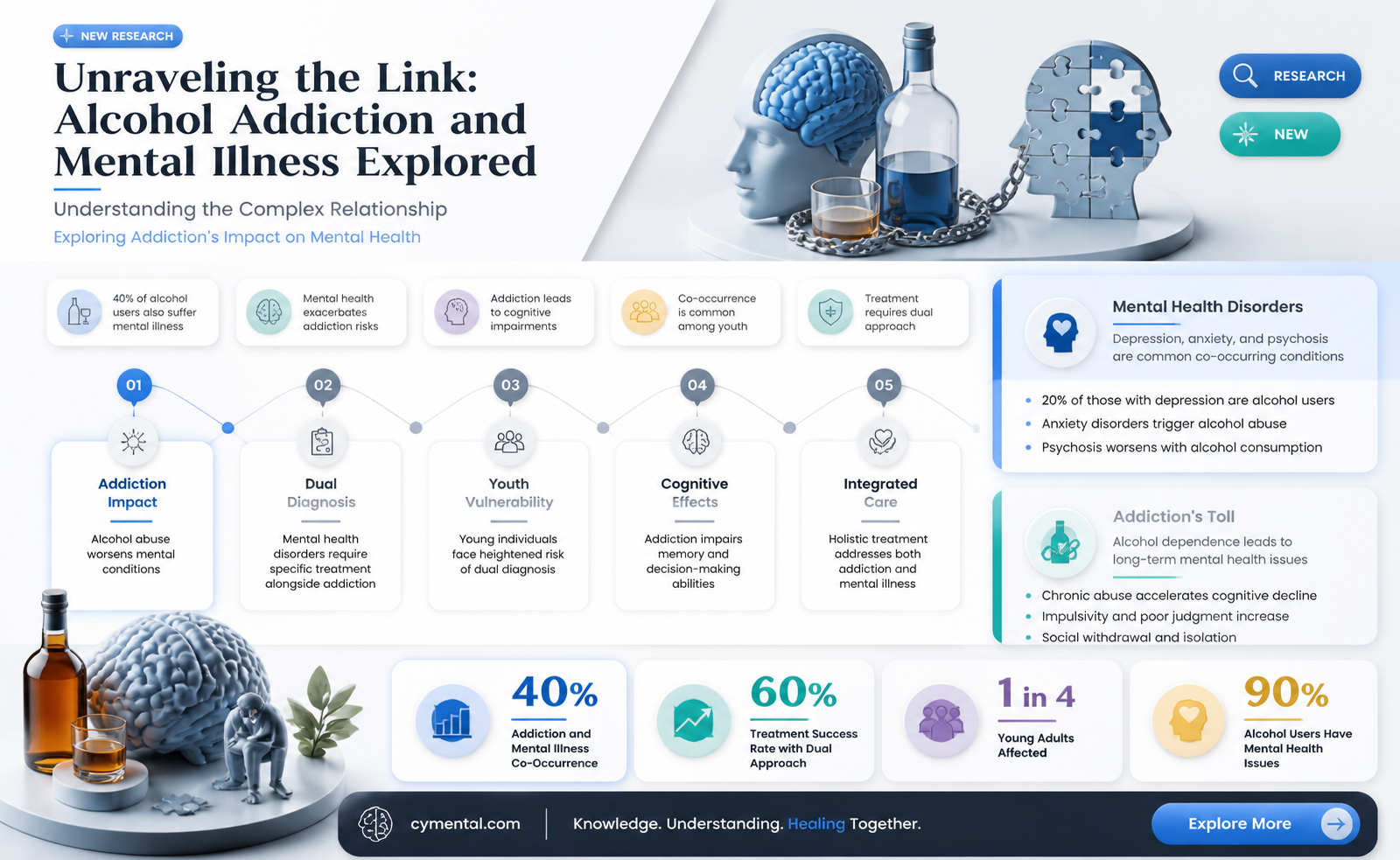
Alcohol addiction and mental illness often coexist in a complex relationship where each can exacerbate the other. Chronic alcohol abuse has been linked to the development of various mental health disorders, including depression, anxiety, and psychosis. The intoxicating effects of alcohol can temporarily alleviate symptoms of mental illness, leading individuals to self-medicate, but this can ultimately worsen their condition and lead to dependency. Moreover, the withdrawal symptoms from alcohol can mimic or intensify psychiatric symptoms, making it challenging to distinguish between the two. Understanding this intricate interplay is crucial for effective treatment and recovery.
| Characteristics | Values |
|---|---|
| Definition | Alcohol addiction, also known as alcoholism, is a chronic disorder characterized by compulsive alcohol use, loss of control over intake, and negative emotional states when not consuming alcohol. |
| Prevalence | According to the World Health Organization (WHO), approximately 380 million people worldwide suffer from alcohol addiction. |
| Causes | Factors contributing to alcohol addiction include genetic predisposition, environmental influences, psychological factors, and social pressures. |
| Symptoms | Common symptoms include increased tolerance to alcohol, withdrawal symptoms when not drinking, unsuccessful attempts to cut down, and continued use despite negative consequences. |
| Mental Health Impact | Alcohol addiction can exacerbate or contribute to the development of various mental illnesses, including depression, anxiety, bipolar disorder, and schizophrenia. |
| Treatment Options | Treatment may involve detoxification, behavioral therapies (such as cognitive-behavioral therapy), medications (like disulfiram or naltrexone), and support groups (e.g., Alcoholics Anonymous). |
| Prognosis | With appropriate treatment and support, individuals can achieve and maintain sobriety, improving their mental and physical health outcomes. |
| Prevention | Strategies to prevent alcohol addiction include public health campaigns, education on responsible drinking, and policies regulating alcohol availability and marketing. |
| Comorbidities | Alcohol addiction often co-occurs with other substance use disorders, personality disorders, and medical conditions like liver disease and cardiovascular problems. |
| Societal Impact | Alcohol addiction can lead to significant societal costs, including healthcare expenses, lost productivity, and increased crime rates. |
| Research | Ongoing research aims to better understand the neurobiological mechanisms underlying alcohol addiction and to develop more effective prevention and treatment strategies. |
| Support Resources | Various online and offline resources are available to support individuals struggling with alcohol addiction, including hotlines, counseling services, and community-based programs. |
Explore related products


What You'll Learn
- Neurological Impact: Alcohol addiction can lead to brain damage, affecting cognitive functions and mental health
- Chemical Imbalance: Prolonged alcohol use disrupts neurotransmitter balance, potentially causing depression and anxiety disorders
- Behavioral Changes: Addictive behaviors can result in social isolation, relationship issues, and increased risk of mental illness
- Withdrawal Symptoms: Quitting alcohol can trigger severe withdrawal symptoms, including hallucinations and delirium tremens
- Co-occurring Disorders: Alcohol addiction often accompanies other mental illnesses, complicating diagnosis and treatment

Neurological Impact: Alcohol addiction can lead to brain damage, affecting cognitive functions and mental health
Alcohol addiction exerts a profound impact on the brain, leading to significant neurological damage. This damage can manifest in various ways, affecting cognitive functions such as memory, attention, and decision-making. Chronic alcohol consumption can cause the brain to shrink in size, a condition known as atrophy, particularly affecting the frontal lobe and the hippocampus. These areas are crucial for executive functions and memory formation, respectively.
Moreover, alcohol addiction can disrupt the balance of neurotransmitters in the brain, such as dopamine, serotonin, and GABA. These chemicals play a vital role in regulating mood, motivation, and stress responses. An imbalance can lead to mental health issues like depression, anxiety, and mood swings. Alcohol can also damage the myelin sheath, which insulates nerve fibers and facilitates rapid communication between brain cells. This damage can result in slower cognitive processing and impaired coordination.
In addition to these direct effects, alcohol addiction can lead to indirect neurological damage through malnutrition, liver disease, and cardiovascular problems. For instance, a deficiency in thiamine (vitamin B1) due to poor diet can cause Wernicke's encephalopathy, a serious brain disorder characterized by confusion, memory loss, and difficulty walking. Furthermore, alcohol-related liver disease can lead to hepatic encephalopathy, where toxins accumulate in the brain due to liver dysfunction, causing cognitive impairment and behavioral changes.
The neurological impact of alcohol addiction can also be observed in brain imaging studies. Techniques such as magnetic resonance imaging (MRI) and computed tomography (CT) scans have revealed structural and functional abnormalities in the brains of individuals with alcohol use disorder. These abnormalities include reduced brain volume, white matter damage, and altered activity in regions associated with emotion regulation and impulse control.
Understanding the neurological consequences of alcohol addiction is crucial for developing effective treatment strategies. Interventions that address both the physical and psychological aspects of addiction can help mitigate some of the brain damage caused by chronic alcohol consumption. For example, medications like acamprosate and naltrexone can help reduce cravings and normalize brain function, while cognitive-behavioral therapy can improve decision-making skills and emotional regulation.
In conclusion, alcohol addiction has a significant and multifaceted impact on the brain, affecting both cognitive functions and mental health. Recognizing these effects is essential for providing comprehensive care and support to individuals struggling with alcohol use disorder. By addressing the neurological consequences of addiction, treatment programs can help promote recovery and improve overall well-being.
Exploring the Link: Epilepsy and Mental Health in Adulthood
You may want to see also
Explore related products


Chemical Imbalance: Prolonged alcohol use disrupts neurotransmitter balance, potentially causing depression and anxiety disorders
Prolonged alcohol use has a profound impact on the brain's chemistry, disrupting the delicate balance of neurotransmitters that regulate mood and emotional responses. This imbalance can lead to the development of mental health disorders, particularly depression and anxiety.
Alcohol consumption affects several key neurotransmitters, including serotonin, dopamine, and gamma-aminobutyric acid (GABA). Serotonin, often referred to as the "feel-good" neurotransmitter, is responsible for regulating mood, appetite, and sleep. Dopamine plays a crucial role in the brain's reward system, influencing motivation and pleasure. GABA, an inhibitory neurotransmitter, helps to calm the brain and reduce anxiety.
Chronic alcohol use can lead to a decrease in serotonin levels, contributing to feelings of sadness and hopelessness characteristic of depression. It also disrupts dopamine function, which can result in a loss of interest in activities that were once enjoyable. Furthermore, alcohol's impact on GABA receptors can lead to increased anxiety and agitation.
The development of mental health disorders due to alcohol-induced chemical imbalances can have serious consequences. Depression and anxiety disorders can significantly impair an individual's quality of life, affecting their ability to function in daily activities and maintain relationships. In severe cases, these disorders can lead to suicidal thoughts and behaviors.
It is essential to recognize the potential mental health risks associated with prolonged alcohol use. Seeking professional help and support can be crucial in addressing both the addiction and the resulting mental health issues. Treatment may involve a combination of medication, therapy, and lifestyle changes to restore balance to the brain's chemistry and improve overall well-being.
Unraveling the Roots of Mental Confusion: A Comprehensive Guide
You may want to see also
Explore related products


Behavioral Changes: Addictive behaviors can result in social isolation, relationship issues, and increased risk of mental illness
Addictive behaviors, such as those associated with alcohol addiction, can lead to profound changes in an individual's behavior, impacting various aspects of their life. One significant consequence is social isolation. As addiction progresses, individuals may withdraw from social activities and relationships, preferring the company of their substance of choice. This isolation can be both a cause and a symptom of addiction, creating a vicious cycle that reinforces the addictive behavior.
Relationship issues are another common byproduct of addictive behaviors. The prioritization of substance use over personal and professional commitments can lead to neglect and strain in relationships. Loved ones may feel hurt, betrayed, or helpless, leading to conflicts and breakdowns in communication. The addicted individual may also experience guilt and shame, further exacerbating relationship problems.
Moreover, addictive behaviors can significantly increase the risk of mental illness. The chronic stress and emotional turmoil associated with addiction can contribute to the development of anxiety, depression, and other mood disorders. Additionally, the neurochemical changes induced by substance abuse can alter brain function, potentially leading to long-term mental health issues.
It is crucial to recognize these behavioral changes as potential indicators of addiction. Early intervention and treatment can help mitigate the negative impacts on social relationships and mental health. Behavioral therapies, such as cognitive-behavioral therapy (CBT) and motivational interviewing, can be effective in addressing the underlying issues contributing to addictive behaviors.
In conclusion, the behavioral changes resulting from addictive behaviors can have far-reaching consequences, affecting social connections, relationships, and mental well-being. By understanding these changes and their implications, individuals and healthcare professionals can take proactive steps towards prevention, intervention, and recovery.
The Impact of Toxic Relationships on Mental Health: Unraveling the Connection
You may want to see also
Explore related products


Withdrawal Symptoms: Quitting alcohol can trigger severe withdrawal symptoms, including hallucinations and delirium tremens
Quitting alcohol abruptly can lead to a range of severe withdrawal symptoms, which can be both physical and psychological. One of the most concerning aspects of alcohol withdrawal is the potential for hallucinations and delirium tremens. These symptoms can be extremely distressing and, in some cases, may even be life-threatening.
Hallucinations during alcohol withdrawal can take many forms, including visual, auditory, and tactile experiences. Individuals may see or hear things that are not present, or they may feel sensations on their skin that have no external cause. These hallucinations can be terrifying and disorienting, leading to increased anxiety and confusion.
Delirium tremens, often referred to as "DTs," is a severe form of alcohol withdrawal that can occur in individuals who have been drinking heavily for an extended period. Symptoms of delirium tremens include confusion, agitation, fever, and rapid heart rate. In some cases, individuals may experience seizures or become comatose. Delirium tremens can be fatal if not treated promptly and appropriately.
The risk of experiencing severe withdrawal symptoms like hallucinations and delirium tremens is one of the reasons why it is so important for individuals struggling with alcohol addiction to seek professional help when quitting. Medical professionals can provide support and guidance throughout the withdrawal process, and they can also prescribe medications to help manage symptoms and reduce the risk of complications.
In addition to seeking medical help, individuals quitting alcohol should also consider reaching out to support groups or counseling services. These resources can provide emotional support and practical advice for navigating the challenges of sobriety. By taking a comprehensive approach to quitting alcohol, individuals can minimize the risk of severe withdrawal symptoms and increase their chances of achieving long-term recovery.
The Unseen Impact: How Furniture Can Influence Mental Health
You may want to see also
Explore related products


Co-occurring Disorders: Alcohol addiction often accompanies other mental illnesses, complicating diagnosis and treatment
Alcohol addiction frequently co-occurs with other mental illnesses, creating a complex interplay that can significantly complicate both diagnosis and treatment. This phenomenon, known as co-occurring disorders, is a critical area of focus in the field of addiction psychiatry. Research indicates that individuals with alcohol use disorder (AUD) are at a higher risk of developing various mental health conditions, and vice versa. The presence of co-occurring disorders can exacerbate the symptoms of both conditions, leading to a more severe and chronic course of illness.
One of the primary challenges in addressing co-occurring disorders is the difficulty in distinguishing between symptoms caused by alcohol addiction and those caused by other mental illnesses. For example, symptoms of depression or anxiety may be masked or intensified by alcohol use, making it challenging for healthcare providers to accurately diagnose and treat the underlying mental health condition. Furthermore, the treatment of co-occurring disorders often requires a more comprehensive and integrated approach, involving both addiction treatment and mental health services.
Effective treatment for co-occurring disorders typically involves a combination of pharmacotherapy and psychotherapy. Medications such as antidepressants or mood stabilizers may be used to manage symptoms of mental health conditions, while medications like disulfiram or naltrexone may be employed to support alcohol abstinence. Psychotherapy, including cognitive-behavioral therapy (CBT) and motivational interviewing, can help individuals address the underlying issues contributing to both their addiction and mental health struggles. Additionally, support groups and peer-led interventions can provide valuable social support and encouragement for individuals navigating the challenges of co-occurring disorders.
In conclusion, co-occurring disorders represent a significant challenge in the treatment of alcohol addiction and mental illness. By understanding the complex relationship between these conditions and employing a comprehensive, integrated treatment approach, healthcare providers can improve outcomes and support individuals in achieving long-term recovery and mental health stability.
Exploring the Link Between Abuse and Cognitive Development
You may want to see also
Frequently asked questions
Yes, alcohol addiction can lead to mental illness. Chronic alcohol use can cause changes in brain chemistry and function, leading to conditions such as depression, anxiety, and psychosis. Additionally, alcohol withdrawal can cause severe mental health symptoms, including hallucinations and delirium tremens.
Some common mental health disorders associated with alcohol addiction include depression, anxiety, bipolar disorder, schizophrenia, and antisocial personality disorder. Alcohol use can exacerbate these conditions and make them more difficult to treat.
Alcohol addiction affects the brain by altering its chemistry and function. Chronic alcohol use can lead to damage in areas of the brain responsible for memory, learning, and emotional regulation. This can result in cognitive impairment, mood disorders, and behavioral changes.
Yes, mental illness can increase the risk of alcohol addiction. People with mental health disorders may turn to alcohol as a way to cope with their symptoms, leading to a cycle of abuse and dependence. Additionally, some mental health medications can interact with alcohol, increasing the risk of addiction.