Caleb Wright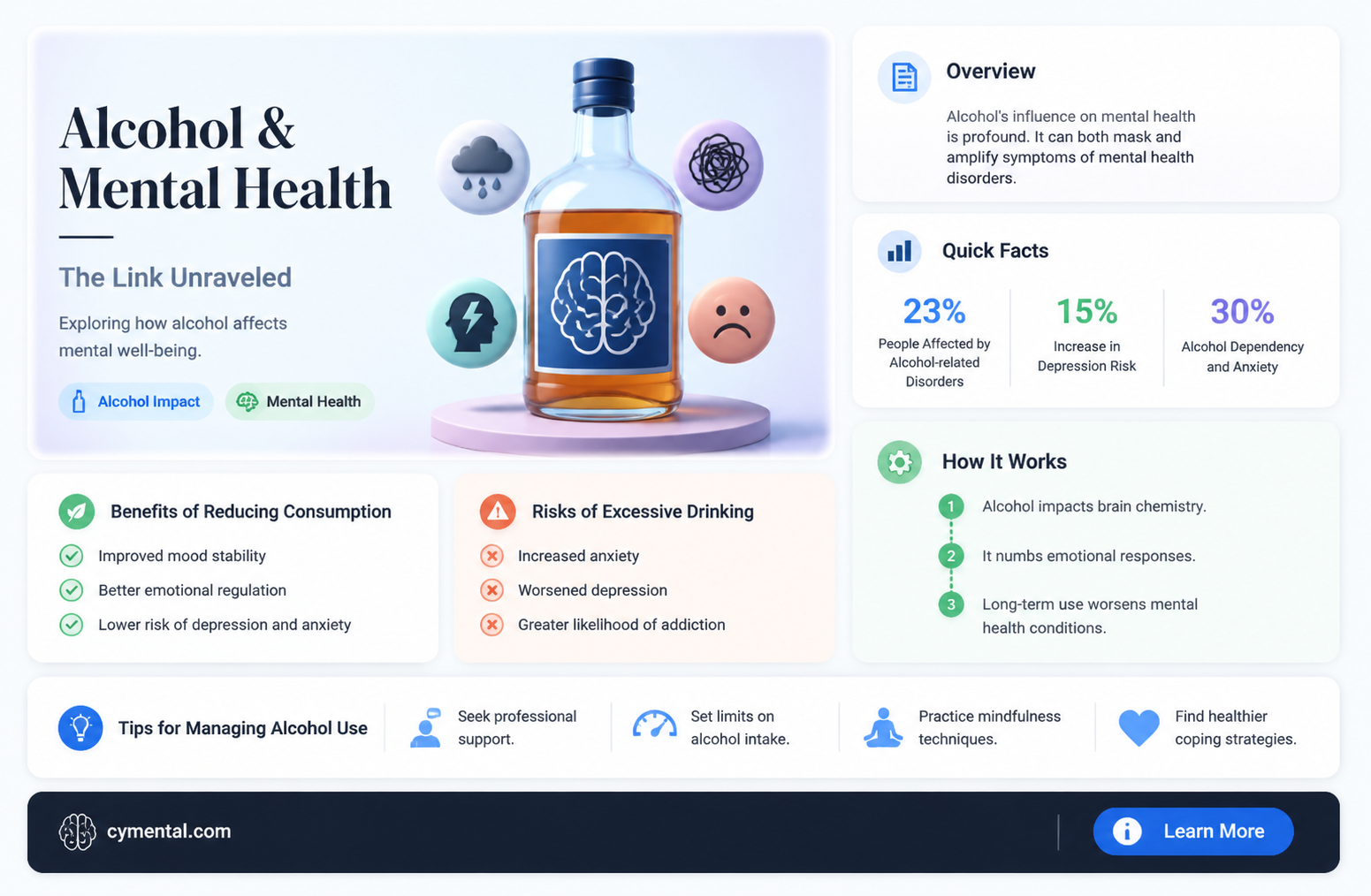
Alcohol consumption has been linked to various mental health issues, including the potential to trigger or exacerbate a mental breakdown. A mental breakdown, also known as a nervous breakdown, is a period of intense emotional distress that can interfere with a person's ability to function in daily life. While alcohol may initially seem like a coping mechanism for stress or anxiety, its misuse can lead to a range of psychological problems, such as depression, anxiety disorders, and even psychosis. Chronic alcohol abuse can also contribute to the development of Wernicke-Korsakoff syndrome, a neurological disorder characterized by memory loss and confusion. It is essential to understand the complex relationship between alcohol and mental health to provide appropriate support and treatment for individuals struggling with these issues.
| Characteristics | Values |
|---|---|
| Definition | A mental breakdown is a colloquial term for a severe mental health crisis, often characterized by an inability to cope with daily life, emotional distress, and potential psychotic symptoms. |
| Causes | Alcohol abuse can contribute to a mental breakdown by exacerbating underlying mental health conditions, causing neurotransmitter imbalances, and leading to alcohol-induced psychosis. |
| Symptoms | Symptoms may include severe anxiety, depression, hallucinations, delusions, disorientation, and suicidal thoughts. |
| Risk Factors | Individuals with a history of mental illness, those who have experienced trauma, and people with a family history of mental health issues may be more susceptible. |
| Prevention | Limiting alcohol consumption, seeking early treatment for mental health issues, and maintaining a healthy lifestyle can help prevent alcohol-related mental breakdowns. |
| Treatment | Treatment typically involves a combination of detoxification, psychotherapy, medication, and support groups. |
| Prognosis | The prognosis varies depending on the severity of the breakdown and the individual's commitment to treatment. Early intervention generally leads to better outcomes. |
| Complications | Potential complications include self-harm, suicide, physical health problems, and social isolation. |
| Support | Support from friends, family, and mental health professionals is crucial for recovery. |
| Resources | Resources such as the National Alliance on Mental Illness (NAMI) and the Substance Abuse and Mental Health Services Administration (SAMHSA) provide valuable information and support. |
Explore related products


What You'll Learn
- Alcohol's Impact on Mental Health: Explore how alcohol consumption affects mental well-being and stability
- Signs of Alcohol-Induced Mental Breakdown: Identify symptoms and warning signs of mental health deterioration due to alcohol
- Short-Term vs. Long-Term Effects: Compare the immediate and prolonged consequences of alcohol abuse on mental health
- Treatment Options for Alcohol-Related Mental Issues: Discuss therapies and interventions for addressing mental health problems caused by alcohol
- Prevention Strategies: Provide tips and strategies for preventing alcohol-related mental breakdowns and promoting overall mental health

Alcohol's Impact on Mental Health: Explore how alcohol consumption affects mental well-being and stability
Alcohol's impact on mental health is a complex and multifaceted issue. While moderate consumption may have some social and relaxation benefits, excessive alcohol intake can significantly disrupt mental well-being and stability. One of the primary ways alcohol affects mental health is by altering the balance of neurotransmitters in the brain. Neurotransmitters like serotonin, dopamine, and GABA play crucial roles in regulating mood, emotions, and cognitive functions. Alcohol can interfere with the normal functioning of these neurotransmitters, leading to symptoms such as anxiety, depression, and impaired cognitive abilities.
Moreover, chronic alcohol consumption can lead to structural changes in the brain. Studies have shown that long-term alcohol abuse can result in brain atrophy, particularly in areas responsible for memory, learning, and emotional regulation. This can manifest in difficulties with concentration, memory lapses, and increased emotional volatility. Additionally, alcohol can exacerbate underlying mental health conditions, making symptoms more severe and treatment more challenging.
Another critical aspect of alcohol's impact on mental health is its role in increasing the risk of suicidal thoughts and behaviors. Alcohol impairs judgment and impulse control, which can lead individuals to engage in risky behaviors, including self-harm. Furthermore, the withdrawal symptoms associated with alcohol cessation, such as tremors, hallucinations, and delirium tremens, can also have severe mental health implications, potentially leading to psychotic episodes.
It is essential to recognize the signs of alcohol-related mental health issues and seek professional help when necessary. Treatment may involve a combination of medical intervention, therapy, and support groups. Cognitive-behavioral therapy (CBT) and motivational interviewing are effective therapeutic approaches for addressing alcohol dependence and its associated mental health consequences. Additionally, medications such as antidepressants and anti-anxiety drugs may be prescribed to manage symptoms of depression and anxiety resulting from alcohol abuse.
In conclusion, alcohol's impact on mental health is significant and can lead to a range of issues, from neurotransmitter imbalances to structural brain changes and increased suicidal risk. Recognizing the signs of alcohol-related mental health problems and seeking appropriate treatment is crucial for maintaining mental well-being and stability.
Exploring the Link: Can Severe Mental Distress Trigger Seizures?
You may want to see also
Explore related products


Signs of Alcohol-Induced Mental Breakdown: Identify symptoms and warning signs of mental health deterioration due to alcohol
Alcohol-induced mental breakdown is a serious condition that can manifest through various symptoms and warning signs. One of the primary indicators is a significant change in behavior, such as increased aggression, withdrawal from social activities, or erratic mood swings. These behavioral changes are often accompanied by cognitive impairments, including difficulty concentrating, memory lapses, and impaired judgment.
Another critical sign is the development of mental health symptoms like anxiety, depression, or hallucinations. Individuals may experience intense feelings of hopelessness, worthlessness, or paranoia. In severe cases, these symptoms can escalate to suicidal thoughts or attempts. It's essential to recognize these signs early, as they can indicate a rapidly deteriorating mental state.
Physical symptoms can also be indicative of alcohol-induced mental breakdown. Chronic fatigue, unexplained pains, and changes in appetite or sleep patterns are common. Additionally, individuals may exhibit signs of alcohol dependence, such as increased tolerance, withdrawal symptoms when attempting to stop drinking, and a preoccupation with obtaining alcohol.
If you suspect someone is experiencing an alcohol-induced mental breakdown, it's crucial to seek professional help immediately. A mental health professional can conduct a thorough assessment and recommend appropriate treatment options, which may include detoxification, therapy, and medication management. Early intervention can significantly improve outcomes and prevent further mental health deterioration.
In summary, recognizing the signs of alcohol-induced mental breakdown is vital for timely intervention and support. By being aware of the behavioral, cognitive, emotional, and physical symptoms, you can help identify when someone is struggling and guide them towards the necessary resources for recovery.
Exploring the Link: Can Atrial Fibrillation Impact Mental Status?
You may want to see also
Short-Term vs. Long-Term Effects: Compare the immediate and prolonged consequences of alcohol abuse on mental health
Alcohol abuse can have a profound impact on mental health, with both immediate and long-term consequences. In the short term, excessive alcohol consumption can lead to impaired judgment, reduced inhibitions, and increased risk-taking behavior. This can result in accidents, injuries, and conflicts with others. Additionally, alcohol can exacerbate underlying mental health conditions, such as anxiety and depression, leading to a temporary worsening of symptoms.
In contrast, the long-term effects of alcohol abuse on mental health can be more severe and persistent. Chronic alcohol consumption can lead to the development of alcohol dependence, which is characterized by a loss of control over drinking, withdrawal symptoms when attempting to quit, and a preoccupation with obtaining and consuming alcohol. Alcohol dependence can also contribute to the development of other mental health disorders, such as depression, anxiety, and psychosis.
Furthermore, alcohol abuse can have a detrimental impact on cognitive function, leading to memory loss, difficulty concentrating, and impaired decision-making abilities. This can affect an individual's ability to function in their daily life, including their work, relationships, and overall well-being. In extreme cases, long-term alcohol abuse can lead to a mental breakdown, characterized by a loss of touch with reality, hallucinations, and delusions.
It is important to note that the severity and duration of the effects of alcohol abuse on mental health can vary depending on a number of factors, including the individual's age, gender, genetic predisposition, and overall health. However, it is clear that both short-term and long-term alcohol abuse can have significant and potentially devastating consequences for mental health.
Unraveling the Link: Addiction and Mental Illness Explored
You may want to see also
Treatment Options for Alcohol-Related Mental Issues: Discuss therapies and interventions for addressing mental health problems caused by alcohol
Cognitive-behavioral therapy (CBT) is a frontline treatment for alcohol-related mental issues. It helps individuals identify and change negative thought patterns and behaviors associated with alcohol use. CBT often involves setting goals, tracking progress, and developing coping strategies to manage triggers and cravings. This therapy can be conducted individually or in groups, and its effectiveness is well-documented in reducing alcohol consumption and improving mental health outcomes.
Another effective intervention is motivational interviewing (MI), which is designed to enhance an individual's motivation to change their drinking behavior. MI involves a collaborative conversation between the therapist and the client, focusing on exploring ambivalence about change and setting achievable goals. This approach is particularly useful in the early stages of treatment, as it helps individuals overcome resistance to change and engage more actively in the recovery process.
For individuals with more severe alcohol-related mental issues, inpatient treatment programs may be necessary. These programs provide a structured environment where clients can receive intensive therapy, medical care, and support. Inpatient treatment often includes a combination of CBT, MI, and other evidence-based therapies, as well as medication management and holistic interventions like yoga and meditation. The length of inpatient programs can vary, but they typically last from a few weeks to several months, depending on the individual's needs and progress.
Family therapy is another important component of treatment for alcohol-related mental issues. It addresses the impact of alcohol use on family dynamics and helps family members develop healthy communication skills and coping strategies. Family therapy can be conducted in conjunction with individual therapy and can significantly improve treatment outcomes by fostering a supportive home environment.
In addition to these therapies, medication can play a role in treating alcohol-related mental issues. Medications like acamprosate, disulfiram, and naltrexone can help reduce cravings and prevent relapse. These medications are often used in combination with behavioral therapies to enhance treatment effectiveness. It's important to note that medication should always be prescribed and monitored by a qualified healthcare professional.
Finally, peer support groups, such as Alcoholics Anonymous (AA), can provide valuable ongoing support for individuals in recovery. These groups offer a sense of community, shared experiences, and practical advice from others who have successfully navigated the challenges of alcohol addiction. Participation in peer support groups can help individuals maintain sobriety and improve their overall mental health and well-being.
Exploring the Impact of Alcohol on Fetal Mental Health
You may want to see also
Prevention Strategies: Provide tips and strategies for preventing alcohol-related mental breakdowns and promoting overall mental health
To prevent alcohol-related mental breakdowns and promote overall mental health, it's crucial to adopt a multifaceted approach that addresses both lifestyle and psychological factors. Here are some practical strategies to consider:
- Moderate Alcohol Consumption: Limit alcohol intake to moderate levels, as defined by health guidelines. For most adults, this means up to one drink per day for women and up to two drinks per day for men. Avoiding binge drinking and heavy alcohol use can significantly reduce the risk of mental health issues.
- Healthy Lifestyle Choices: Maintain a balanced diet rich in nutrients, engage in regular physical activity, and ensure adequate sleep. These habits can help mitigate the negative effects of alcohol on mental health and improve overall well-being.
- Stress Management Techniques: Practice stress-reduction techniques such as meditation, yoga, or deep breathing exercises. Chronic stress can exacerbate mental health issues, and finding healthy ways to cope can make a substantial difference.
- Social Support Networks: Cultivate strong social connections and seek support from friends, family, or mental health professionals when needed. Social isolation can contribute to mental health problems, so staying connected is vital.
- Responsible Drinking Practices: If you choose to drink, do so responsibly. Avoid drinking on an empty stomach, pace yourself, and alternate alcoholic beverages with water. Being mindful of your alcohol consumption can help prevent overindulgence and its associated risks.
- Mental Health Screening: Regularly assess your mental health and seek professional help if you notice signs of depression, anxiety, or other mental health concerns. Early intervention can be key in preventing more severe issues down the line.
By incorporating these strategies into your daily life, you can take proactive steps towards safeguarding your mental health and reducing the potential risks associated with alcohol consumption. Remember, prevention is always better than treatment, and small changes can lead to significant improvements in your overall well-being.
Exploring the Link: Can AIDS Contribute to Mental Illness?
You may want to see also
Frequently asked questions
Yes, excessive alcohol consumption can contribute to a mental breakdown. Alcohol is a depressant that can exacerbate underlying mental health issues and lead to symptoms such as anxiety, depression, and mood swings.
Alcohol affects the brain's chemistry by altering the levels of neurotransmitters such as serotonin, dopamine, and GABA. This can lead to changes in mood, behavior, and cognitive function, potentially contributing to a mental breakdown.
Signs of a mental breakdown due to alcohol can include increased anxiety, depression, irritability, confusion, and difficulty concentrating. In severe cases, it can also lead to hallucinations, delusions, and suicidal thoughts.
Yes, it is possible to recover from a mental breakdown caused by alcohol. Seeking professional help, such as therapy and counseling, and maintaining sobriety can lead to improved mental health and well-being.