Noah Parker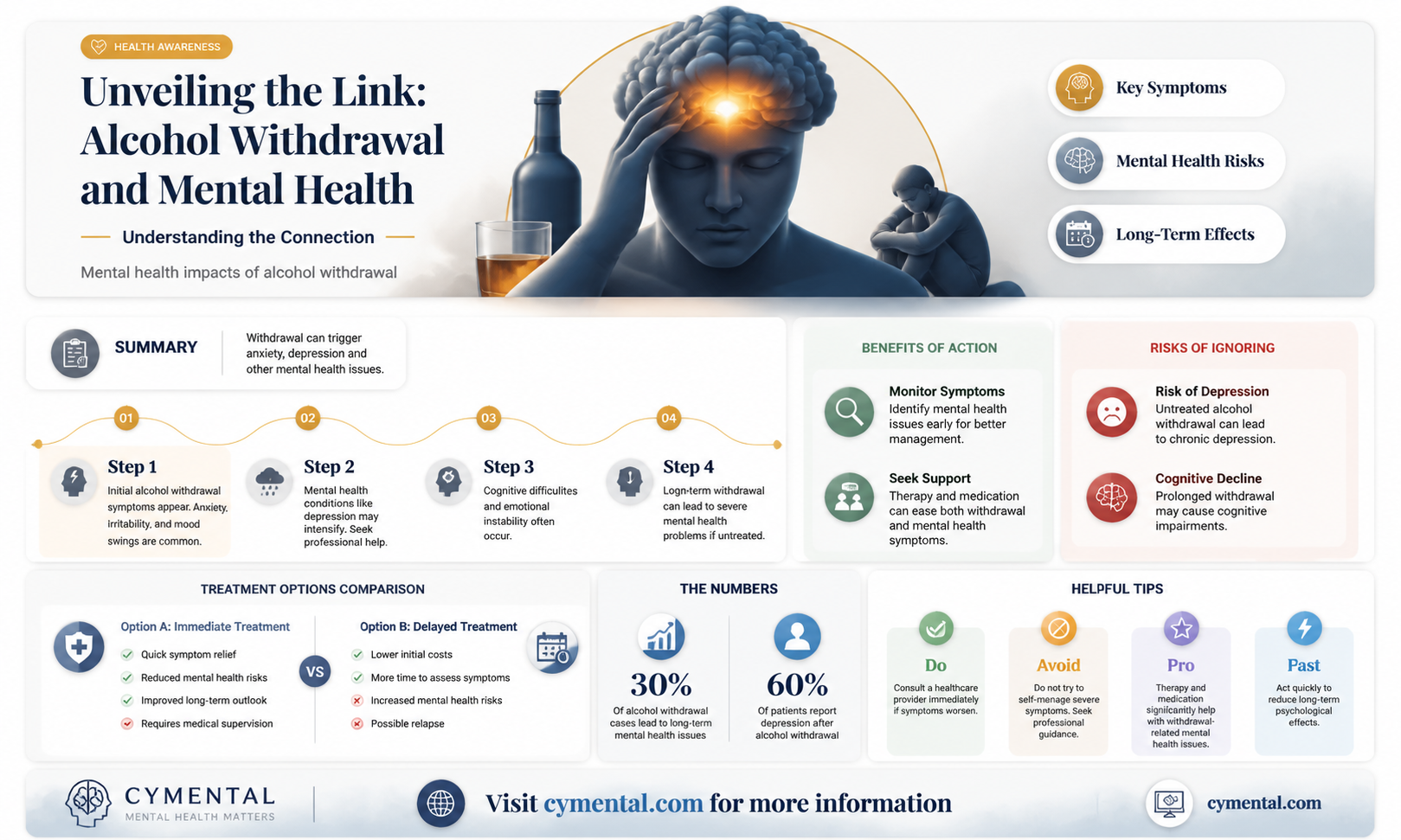
Alcohol withdrawal can indeed have significant effects on mental health. When individuals abruptly stop or reduce their alcohol consumption after a period of heavy drinking, they may experience a range of psychological symptoms. These can include anxiety, depression, mood swings, and even hallucinations or delirium in severe cases. The severity of these symptoms can vary depending on factors such as the duration and intensity of alcohol use, as well as individual differences in physiology and mental health history. It's important to note that while alcohol withdrawal can exacerbate or trigger mental health issues, it is not the sole cause of mental illness. Rather, it can be a contributing factor that interacts with other genetic, environmental, and psychological factors to influence an individual's mental health.
| Characteristics | Values |
|---|---|
| Definition | Alcohol withdrawal refers to the symptoms that occur when a person who has been drinking heavily stops or significantly reduces their alcohol intake. Mental illness encompasses a wide range of conditions that affect mood, thinking, and behavior. |
| Symptoms of Alcohol Withdrawal | Anxiety, tremors, sweating, nausea, vomiting, difficulty sleeping, irritability, confusion, rapid heart rate, high blood pressure. |
| Symptoms of Mental Illness | Vary widely depending on the specific condition but can include persistent sadness, extreme mood swings, excessive worry, fear, detachment from reality, suicidal thoughts, changes in appetite, sleep disturbances. |
| Can Alcohol Withdrawal Cause Mental Illness? | Yes, alcohol withdrawal can exacerbate or trigger symptoms of mental illness. The stress of withdrawal can lead to anxiety and depression, and in some cases, more severe psychiatric symptoms. |
| Risk Factors | History of mental illness, heavy and prolonged alcohol use, genetic predisposition, environmental stressors. |
| Complications | Increased risk of relapse to alcohol use, worsening of mental health symptoms, potential for self-harm or suicide, physical health complications such as seizures or delirium tremens. |
| Treatment Options | Medical detoxification, inpatient or outpatient rehabilitation, therapy (individual or group), medication management for both withdrawal and mental health symptoms, support groups. |
| Prognosis | Varies depending on the severity of alcohol withdrawal and mental illness, as well as the individual's commitment to treatment and recovery. Early intervention and comprehensive care can improve outcomes. |
| Preventive Measures | Limiting alcohol intake, seeking early treatment for alcohol use disorder, maintaining a supportive social network, practicing stress management techniques. |
| Research Findings | Studies have shown a strong link between alcohol withdrawal and mental health issues, highlighting the need for integrated treatment approaches that address both conditions simultaneously. |
Explore related products


What You'll Learn
- Alcohol Withdrawal Symptoms: Hallucinations, seizures, anxiety, insomnia, and delirium tremens are common symptoms
- Mental Health Complications: Withdrawal can exacerbate or trigger mental illnesses like depression, bipolar disorder, and schizophrenia
- Neurological Changes: Chronic alcohol use alters brain chemistry, leading to potential long-term neurological damage
- Dual Diagnosis Treatment: Addressing both alcohol addiction and mental illness simultaneously is crucial for effective recovery
- Support and Resources: Access to medical professionals, support groups, and rehabilitation centers is essential for managing withdrawal and mental health

Alcohol Withdrawal Symptoms: Hallucinations, seizures, anxiety, insomnia, and delirium tremens are common symptoms
Alcohol withdrawal can precipitate a range of severe mental health symptoms, notably including hallucinations, seizures, anxiety, insomnia, and delirium tremens. These symptoms can be intensely distressing and, in some cases, may lead to long-term mental health disorders if not properly managed.
Hallucinations during alcohol withdrawal can take various forms, including visual, auditory, and tactile experiences. These hallucinations can be vivid and may involve seeing or hearing things that are not present, such as voices or shadowy figures. They typically occur within 24 to 48 hours after the last drink and can last for several days.
Seizures are another common symptom of alcohol withdrawal, often occurring within the first 48 hours. These seizures can range from mild to severe and may involve convulsions, muscle spasms, and loss of consciousness. The risk of seizures is particularly high in individuals who have a history of heavy drinking or previous withdrawal seizures.
Anxiety and insomnia are also prevalent during alcohol withdrawal. Anxiety may manifest as feelings of restlessness, irritability, and fear, while insomnia can lead to significant sleep disturbances. These symptoms can exacerbate the overall withdrawal experience and may persist for several weeks.
Delirium tremens, often referred to as "DTs," is a severe and potentially life-threatening complication of alcohol withdrawal. It typically occurs within 48 to 72 hours after the last drink and is characterized by confusion, rapid heart rate, high blood pressure, fever, and severe tremors. Delirium tremens requires immediate medical attention, as it can lead to serious health complications, including heart failure and seizures.
In conclusion, the mental health symptoms associated with alcohol withdrawal can be severe and varied, impacting an individual's cognitive and emotional well-being. It is crucial for those experiencing these symptoms to seek professional medical help to manage their withdrawal safely and effectively.
Exploring the Link: Can Physical Health Conditions Trigger Mental Illness?
You may want to see also
Explore related products


Mental Health Complications: Withdrawal can exacerbate or trigger mental illnesses like depression, bipolar disorder, and schizophrenia
Alcohol withdrawal can have profound effects on mental health, often exacerbating or even triggering severe mental illnesses. One of the most concerning aspects is its potential to worsen conditions like depression, bipolar disorder, and schizophrenia. This is primarily due to the way alcohol interacts with neurotransmitters in the brain, such as serotonin and dopamine, which play crucial roles in regulating mood and cognitive function.
During withdrawal, the sudden absence of alcohol can lead to a significant imbalance in these neurotransmitters, causing symptoms of depression to deepen or emerge. For individuals with bipolar disorder, withdrawal can precipitate manic episodes or worsen depressive phases. In the case of schizophrenia, alcohol withdrawal may exacerbate symptoms such as hallucinations, delusions, and cognitive impairment.
Moreover, the physical symptoms of alcohol withdrawal, such as tremors, anxiety, and insomnia, can further contribute to mental health deterioration. These symptoms can create a cycle of distress that reinforces negative thought patterns and behaviors associated with mental illnesses. It is also important to note that individuals with pre-existing mental health conditions may be more susceptible to the adverse effects of alcohol withdrawal.
Given these risks, it is crucial for individuals undergoing alcohol withdrawal to seek professional medical and psychiatric support. Treatment may involve medication to manage withdrawal symptoms, as well as therapy to address underlying mental health issues. Support groups and counseling can also provide valuable resources for those navigating the complex relationship between alcohol withdrawal and mental illness.
In conclusion, the impact of alcohol withdrawal on mental health should not be underestimated. It can significantly worsen or trigger severe mental illnesses, making it essential for individuals to approach withdrawal with caution and seek appropriate professional help. By understanding the risks and taking proactive steps, individuals can mitigate the potential harm and work towards a healthier, more stable future.
Unraveling the Link: Childhood Trauma and Mental Health
You may want to see also
Explore related products


Neurological Changes: Chronic alcohol use alters brain chemistry, leading to potential long-term neurological damage
Chronic alcohol use has a profound impact on the brain's chemistry, leading to significant neurological changes. These alterations can result in long-term damage, affecting various cognitive and emotional functions. One of the primary ways alcohol influences the brain is by disrupting the balance of neurotransmitters, which are chemical messengers responsible for communication between brain cells.
Specifically, alcohol affects the levels of gamma-aminobutyric acid (GABA), a neurotransmitter that inhibits neuronal activity, and glutamate, which excites neurons. Prolonged exposure to alcohol can lead to an overproduction of GABA and a decrease in glutamate, resulting in a state of neurochemical imbalance. This imbalance can manifest as symptoms of anxiety, depression, and even psychosis during withdrawal.
Furthermore, chronic alcohol use can lead to the degeneration of brain cells, particularly in the hippocampus and frontal lobe, which are crucial for memory formation and executive functions. This degeneration can result in cognitive impairments, such as memory loss, difficulty concentrating, and impaired decision-making abilities. Additionally, alcohol can cause inflammation in the brain, further exacerbating neuronal damage and contributing to the development of mental health disorders.
It is also important to note that the severity of neurological damage can vary depending on factors such as the duration and intensity of alcohol use, as well as individual genetic predispositions. However, the potential for long-term neurological damage underscores the importance of addressing alcohol use disorders and providing appropriate treatment and support for those affected.
Navigating Heartbreak: Can a Breakup Trigger a Mental Breakdown?
You may want to see also
Explore related products


Dual Diagnosis Treatment: Addressing both alcohol addiction and mental illness simultaneously is crucial for effective recovery
Individuals struggling with alcohol addiction often face a complex interplay between their substance abuse and mental health. Dual diagnosis treatment recognizes this intricate relationship and addresses both issues concurrently. This integrated approach is essential for effective recovery, as treating one condition without considering the other can lead to incomplete healing and a higher risk of relapse.
One of the primary challenges in dual diagnosis treatment is the need to differentiate between symptoms caused by alcohol withdrawal and those resulting from mental illness. For instance, anxiety and depression can be both withdrawal symptoms and signs of an underlying mental health disorder. A thorough assessment by a qualified professional is crucial to accurately diagnose and develop a tailored treatment plan.
Dual diagnosis treatment typically involves a combination of medication, therapy, and support groups. Medications may be used to manage withdrawal symptoms, stabilize mood, or treat specific mental health conditions. Therapy sessions, such as cognitive-behavioral therapy (CBT) or dialectical behavior therapy (DBT), help individuals identify and change negative thought patterns and behaviors associated with both their addiction and mental illness. Support groups, like Alcoholics Anonymous (AA) or dual diagnosis support groups, provide a sense of community and ongoing encouragement.
A key component of dual diagnosis treatment is the emphasis on relapse prevention. This involves teaching individuals coping strategies to manage triggers and stressors that may lead to substance use or exacerbate mental health symptoms. Additionally, treatment plans often include regular monitoring and adjustments to ensure that both conditions are being effectively managed over time.
In conclusion, dual diagnosis treatment offers a comprehensive approach to addressing the complex needs of individuals with co-occurring alcohol addiction and mental illness. By simultaneously treating both conditions, this approach increases the likelihood of successful recovery and long-term well-being.
Exploring the Link: Can a Hernia Impact Mental Health?
You may want to see also
Explore related products


Support and Resources: Access to medical professionals, support groups, and rehabilitation centers is essential for managing withdrawal and mental health
Access to medical professionals is crucial for managing alcohol withdrawal and its potential mental health implications. Medical professionals can provide a comprehensive assessment of an individual's physical and mental health, and develop a personalized treatment plan that addresses both aspects. This may include medication to manage withdrawal symptoms, as well as therapy to address underlying mental health issues.
Support groups can also play a vital role in the recovery process. These groups provide a safe and supportive environment for individuals to share their experiences, receive encouragement, and learn from others who have gone through similar struggles. Support groups can help reduce feelings of isolation and shame, and provide a sense of community and belonging.
Rehabilitation centers offer a more intensive level of care, providing a structured environment for individuals to focus on their recovery. These centers often offer a range of services, including medical care, therapy, counseling, and support groups. Rehabilitation centers can be particularly beneficial for individuals with severe withdrawal symptoms or co-occurring mental health disorders.
It is essential to recognize that managing alcohol withdrawal and mental health is a complex process that requires a multifaceted approach. Access to medical professionals, support groups, and rehabilitation centers is crucial for ensuring that individuals receive the comprehensive care they need to successfully navigate this challenging time.
In addition to these resources, it is also important for individuals to prioritize self-care during the recovery process. This may include engaging in regular exercise, eating a balanced diet, getting enough sleep, and practicing stress-reduction techniques such as meditation or yoga. By taking care of their physical and emotional well-being, individuals can better manage the challenges of alcohol withdrawal and mental health recovery.
Ultimately, the key to successful recovery is a combination of professional support, community resources, and personal commitment. By seeking out the necessary support and resources, and by prioritizing self-care, individuals can overcome the challenges of alcohol withdrawal and mental health, and can go on to lead healthy, fulfilling lives.
Exploring the Link: Slow Thyroid and Mental Health in Infants
You may want to see also
Frequently asked questions
Yes, alcohol withdrawal can cause mental illness. During withdrawal, individuals may experience symptoms such as anxiety, depression, hallucinations, and delirium tremens, which can be indicative of underlying mental health issues or exacerbated by the withdrawal process.
Common mental health symptoms observed during alcohol withdrawal include anxiety, depression, mood swings, irritability, confusion, and in severe cases, hallucinations and delirium tremens. These symptoms can vary in intensity and duration depending on the individual's history of alcohol use and other factors.
Mental health symptoms during alcohol withdrawal can last anywhere from a few days to several weeks. The duration and severity of symptoms depend on factors such as the length and intensity of alcohol use, the individual's overall health, and the presence of any underlying mental health conditions.
Yes, alcohol withdrawal can trigger a relapse of a pre-existing mental illness. The stress and physiological changes associated with withdrawal can exacerbate symptoms of conditions such as depression, anxiety, or bipolar disorder, potentially leading to a relapse if not properly managed.
Medical support is crucial for individuals experiencing mental health symptoms during alcohol withdrawal. This may include monitoring by a healthcare professional, medication to manage symptoms, and in some cases, inpatient treatment at a detox center or psychiatric facility. Additionally, therapy and counseling can help address underlying issues and provide ongoing support for recovery.