Caleb Wright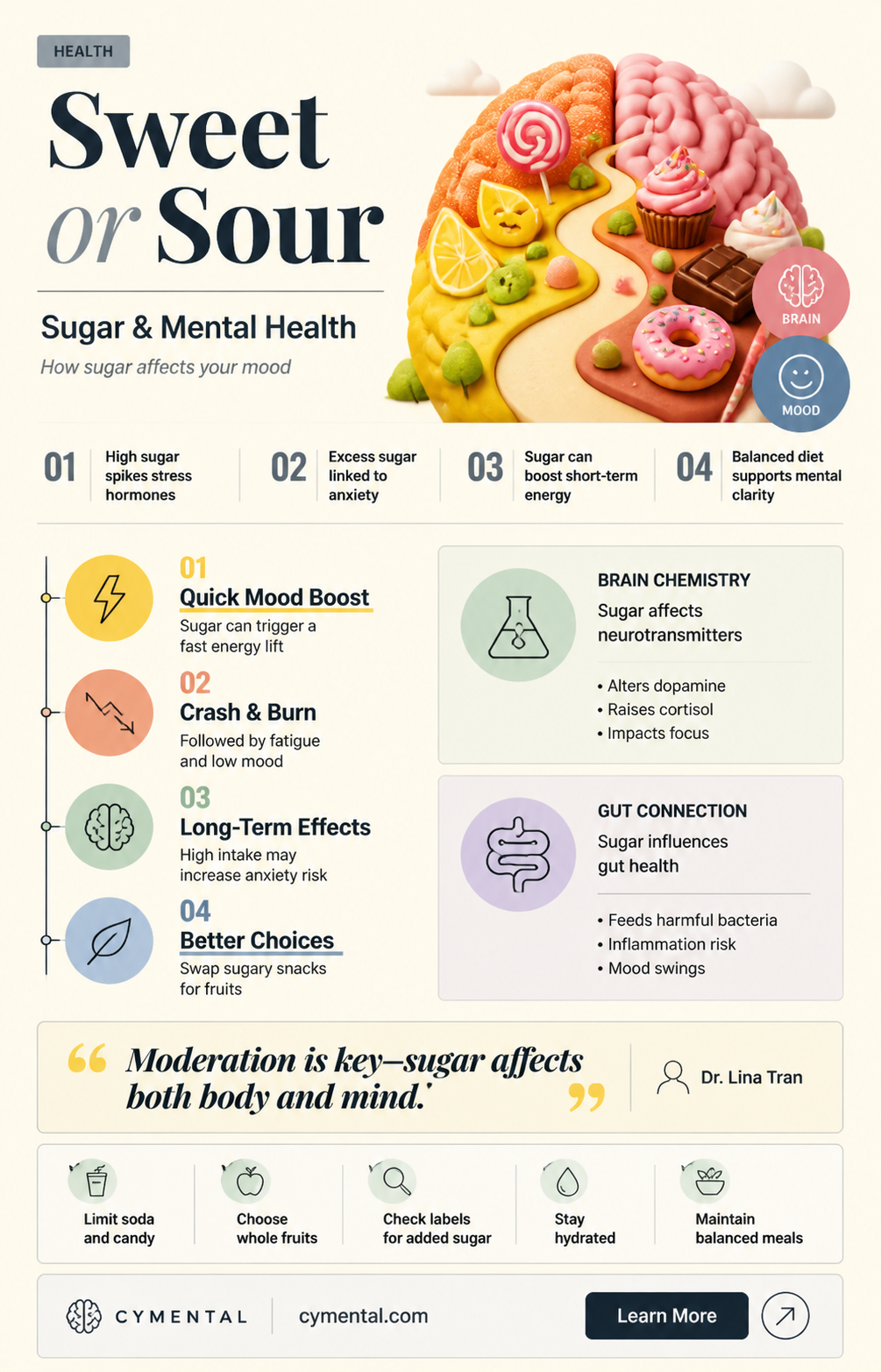
Excessive sugar consumption has been linked to various physical health issues, such as obesity, diabetes, and heart disease. However, recent research suggests that a high-sugar diet may also have negative effects on mental health. Studies have shown that consuming too much sugar can lead to increased symptoms of depression and anxiety, as well as impaired cognitive function. The exact mechanisms behind these effects are still being studied, but it is believed that sugar's impact on inflammation, insulin resistance, and neurotransmitter function may play a role. As the prevalence of mental health disorders continues to rise, it is important to consider the potential impact of dietary choices, including sugar intake, on overall well-being.
| Characteristics | Values |
|---|---|
| Excessive Sugar Intake | Consuming more than the recommended daily amount of sugar, which can vary based on age, sex, and activity level. |
| Mental Health Impact | Excessive sugar intake has been linked to an increased risk of depression, anxiety, and other mental health disorders. |
| Mechanism of Action | Sugar can cause fluctuations in blood sugar levels, leading to changes in mood and energy. It can also affect the gut microbiome, which is linked to mental health. |
| Symptoms of Sugar Overconsumption | Weight gain, increased risk of type 2 diabetes, tooth decay, and mood swings. |
| Recommended Daily Sugar Intake | The American Heart Association recommends no more than 6 teaspoons (25 grams) of added sugar per day for women and 9 teaspoons (36 grams) for men. |
| Sources of Hidden Sugar | Processed foods, beverages, and condiments often contain added sugars. Examples include soda, baked goods, and salad dressings. |
| Short-Term Effects | Immediate effects can include a sugar rush followed by a crash, leading to fatigue and irritability. |
| Long-Term Effects | Chronic excessive sugar intake can lead to insulin resistance, metabolic syndrome, and an increased risk of cognitive decline. |
| Population Most at Risk | Children, adolescents, and individuals with pre-existing mental health conditions may be more susceptible to the negative effects of excessive sugar. |
| Prevention Strategies | Limiting processed foods, reading food labels, and opting for natural sweeteners like fruit or honey can help reduce sugar intake. |
| Treatment Options | Cognitive-behavioral therapy, medication, and lifestyle changes can be effective in managing mental health issues related to sugar overconsumption. |
| Research Findings | Studies have shown a correlation between high sugar intake and increased symptoms of depression and anxiety. However, more research is needed to establish causation. |
| Public Health Initiatives | Campaigns to raise awareness about the dangers of excessive sugar and to promote healthier eating habits. |
| Food Industry Response | Some food companies have begun to reduce the amount of added sugar in their products or offer sugar-free alternatives. |
| Government Regulations | Taxes on sugary drinks and restrictions on sugar content in school meals are examples of government efforts to curb sugar consumption. |
Explore related products


$15.29 $30


What You'll Learn
- Sugar's Impact on Mood: High sugar intake linked to increased risk of depression and anxiety
- Cognitive Function: Excess sugar consumption may impair memory and cognitive abilities
- Brain Chemistry: Sugar affects neurotransmitter levels, potentially leading to mental health issues
- Inflammation: Sugar-induced inflammation could contribute to mental problems
- Addiction: Sugar's addictive nature may exacerbate mental health symptoms

Sugar's Impact on Mood: High sugar intake linked to increased risk of depression and anxiety
Recent studies have shed light on the alarming connection between high sugar intake and mental health issues, particularly depression and anxiety. This correlation is rooted in the body's physiological response to sugar. Consuming excessive amounts of sugar leads to rapid spikes and subsequent crashes in blood glucose levels. These fluctuations can disrupt the balance of neurotransmitters in the brain, such as serotonin and dopamine, which are crucial for regulating mood. Over time, this imbalance can contribute to the development of depressive and anxious disorders.
Furthermore, a diet high in sugar can lead to chronic inflammation, which has been linked to various mental health conditions. Inflammation in the brain can impair cognitive function and exacerbate symptoms of depression and anxiety. Additionally, the addictive nature of sugar can create a cycle of cravings and consumption, leading to feelings of guilt and shame, which further negatively impact mental well-being.
It is also important to consider the indirect effects of high sugar intake on mental health. For instance, the consumption of sugary foods and beverages is often associated with an unhealthy diet overall, which can lead to nutrient deficiencies. Deficiencies in essential nutrients like omega-3 fatty acids, vitamin D, and B vitamins have been implicated in the development of mental health disorders. Moreover, the social and emotional consequences of unhealthy eating habits, such as social isolation and low self-esteem, can also contribute to depression and anxiety.
To mitigate these risks, it is crucial to adopt a balanced diet that limits the intake of added sugars. The World Health Organization recommends that adults restrict their daily sugar intake to less than 10% of their total energy intake, with a further reduction to below 5% for additional health benefits. Incorporating whole foods, such as fruits, vegetables, whole grains, and lean proteins, can help stabilize blood sugar levels and support overall mental health. Additionally, regular physical activity and stress management techniques can help reduce the negative impact of sugar on mood.
In conclusion, the link between high sugar intake and mental health issues is a significant public health concern. By understanding the underlying mechanisms and adopting healthier dietary habits, individuals can take proactive steps to protect their mental well-being.
Navigating Heartbreak: Can a Breakup Trigger a Mental Breakdown?
You may want to see also
Explore related products


Cognitive Function: Excess sugar consumption may impair memory and cognitive abilities
Excessive sugar consumption has been linked to a myriad of health issues, and its impact on cognitive function is a growing area of concern. Research suggests that a diet high in sugar can lead to impairments in memory and cognitive abilities, particularly in the long term. This is believed to be due to the way sugar affects the brain's insulin signaling, which is crucial for memory formation and cognitive processes.
One study published in the journal "Diabetes Care" found that individuals with type 2 diabetes, who typically have higher blood sugar levels, performed worse on memory tests compared to those without the condition. Another study in the "Journal of the American Medical Association" showed that higher glucose levels were associated with a greater risk of developing dementia. These findings underscore the importance of monitoring and managing sugar intake to protect cognitive health.
The effects of sugar on cognitive function can manifest in various ways. For instance, excessive sugar consumption has been linked to a decrease in attention span and an increase in hyperactivity, particularly in children. It can also lead to mood swings and fluctuations in energy levels, which can further impair cognitive performance. Moreover, sugar can contribute to inflammation in the brain, which is a known risk factor for neurodegenerative diseases such as Alzheimer's.
To mitigate these risks, it is essential to adopt a balanced diet that limits the intake of added sugars. The American Heart Association recommends that women consume no more than 25 grams of added sugar per day, while men should limit their intake to 36 grams. It is also important to engage in regular physical activity, as exercise has been shown to improve cognitive function and reduce the risk of developing memory-related disorders.
In conclusion, the link between excessive sugar consumption and cognitive decline is a significant public health concern. By making informed dietary choices and prioritizing physical activity, individuals can take proactive steps to protect their cognitive health and reduce the risk of developing memory-related problems.
Exploring the Link Between Mental Illnesses and Chemical Imbalances
You may want to see also
Explore related products

$12.52 $21.99


Brain Chemistry: Sugar affects neurotransmitter levels, potentially leading to mental health issues
Sugar's impact on brain chemistry is a critical aspect of understanding its potential role in mental health issues. Consuming excessive amounts of sugar can lead to fluctuations in blood glucose levels, which in turn affects the balance of neurotransmitters in the brain. Neurotransmitters are chemical messengers that facilitate communication between nerve cells, and their levels are crucial for maintaining mental well-being.
One of the key neurotransmitters influenced by sugar consumption is serotonin. Serotonin is often referred to as the "feel-good" hormone because it plays a significant role in regulating mood, appetite, and sleep. When blood glucose levels spike due to sugar intake, the body releases insulin to bring the levels back down. This rapid fluctuation can lead to a decrease in serotonin levels, potentially causing mood swings, irritability, and even symptoms of depression.
Another neurotransmitter affected by sugar is dopamine. Dopamine is associated with reward and pleasure, and it plays a part in motivation and focus. The consumption of sugar can lead to a temporary increase in dopamine levels, creating a sense of euphoria. However, this is followed by a crash, which can result in feelings of fatigue, anxiety, and decreased concentration. Over time, this cycle can contribute to the development of addictive behaviors and may exacerbate conditions such as ADHD.
Furthermore, excessive sugar intake has been linked to increased inflammation in the brain. Chronic inflammation can disrupt the normal functioning of neurotransmitters and has been implicated in various mental health disorders, including depression, anxiety, and cognitive decline. The inflammatory response triggered by sugar can also lead to oxidative stress, which further damages brain cells and impairs neurotransmitter function.
In conclusion, the relationship between sugar consumption and brain chemistry is complex and multifaceted. While sugar may provide a temporary boost in mood and energy, its long-term effects on neurotransmitter levels and brain health can be detrimental. Understanding these mechanisms is essential for developing strategies to mitigate the potential mental health risks associated with excessive sugar intake.
Exploring the Link Between Heartbreak and Mental Health
You may want to see also
Explore related products


Inflammation: Sugar-induced inflammation could contribute to mental problems
Chronic inflammation in the body, triggered by excessive sugar consumption, has been linked to a range of mental health issues. This connection is rooted in the body's natural response to high sugar intake, which can lead to increased levels of pro-inflammatory cytokines. These cytokines, in turn, can affect brain function and contribute to the development of mental disorders such as depression and anxiety.
One of the key mechanisms by which sugar-induced inflammation impacts mental health is through the gut-brain axis. The gut microbiome plays a crucial role in regulating inflammation, and a diet high in sugar can disrupt the balance of beneficial bacteria, leading to increased inflammation and impaired brain function. This disruption can result in symptoms such as mood swings, irritability, and cognitive decline.
Furthermore, sugar-induced inflammation can exacerbate existing mental health conditions. For individuals with depression, for example, chronic inflammation can worsen symptoms and reduce the effectiveness of antidepressant medications. Similarly, in individuals with anxiety disorders, inflammation can heighten feelings of stress and anxiety, making it more challenging to manage these conditions.
To mitigate the effects of sugar-induced inflammation on mental health, it is essential to adopt a balanced diet that limits the intake of processed sugars and refined carbohydrates. Incorporating anti-inflammatory foods such as fruits, vegetables, whole grains, and healthy fats can help reduce inflammation and support brain health. Additionally, regular exercise, stress management techniques, and adequate sleep are crucial for maintaining a healthy balance between the body's inflammatory response and mental well-being.
In conclusion, the link between sugar-induced inflammation and mental health issues highlights the importance of a holistic approach to nutrition and lifestyle. By addressing the root causes of inflammation, individuals can take proactive steps to support their mental health and overall well-being.
Exploring the Link Between AKI and Altered Mental Status: What You Need to Know
You may want to see also
Explore related products




Addiction: Sugar's addictive nature may exacerbate mental health symptoms
Sugar's addictive nature has been a topic of increasing interest in the field of mental health. Research suggests that excessive sugar consumption can lead to changes in brain chemistry, potentially exacerbating symptoms of mental health disorders. The addictive properties of sugar can create a cycle of cravings and consumption, which may worsen conditions such as depression, anxiety, and bipolar disorder.
One of the key ways in which sugar can impact mental health is through its effect on dopamine levels. Dopamine is a neurotransmitter that plays a crucial role in regulating mood, motivation, and reward. When we consume sugar, it triggers the release of dopamine, which can create a sense of pleasure and reward. However, over time, excessive sugar consumption can lead to a decrease in dopamine sensitivity, meaning that we need more sugar to achieve the same level of pleasure. This can result in a cycle of addiction, where individuals feel compelled to consume more and more sugar in order to experience the desired effects.
Furthermore, sugar's addictive nature can also lead to increased inflammation in the brain, which has been linked to a range of mental health disorders. Chronic inflammation can damage brain cells and disrupt the normal functioning of neurotransmitters, potentially leading to symptoms such as depression, anxiety, and cognitive impairment. By reducing sugar intake, individuals may be able to decrease inflammation in the brain and improve their mental health outcomes.
It is important to note that while sugar's addictive nature may exacerbate mental health symptoms, it is not the sole cause of these disorders. Mental health is a complex issue that is influenced by a range of factors, including genetics, environment, and lifestyle. However, by understanding the potential impact of sugar on mental health, individuals can make informed choices about their diet and lifestyle in order to support their overall well-being.
The Impact of Abusive Relationships on Mental Health: Unveiling the Connection
You may want to see also
Frequently asked questions
Yes, excessive sugar intake has been linked to an increased risk of mental health problems such as depression and anxiety. High sugar consumption can lead to fluctuations in blood sugar levels, which may affect mood and cognitive function.
Sugar affects brain function by influencing the release of neurotransmitters like dopamine and serotonin, which are crucial for regulating mood. Additionally, chronic high sugar intake can lead to insulin resistance, which may impair cognitive function and increase the risk of neurodegenerative diseases.
The American Heart Association recommends that women consume no more than 25 grams (6 teaspoons) of added sugars per day, and men consume no more than 36 grams (9 teaspoons) per day. However, for optimal mental health, some experts suggest limiting added sugar intake even further.
Yes, natural sweeteners like stevia, erythritol, and monk fruit can be used as alternatives to sugar. These sweeteners do not cause the same blood sugar spikes and crashes as sugar, and they may help reduce cravings and support mental health.
Strategies to reduce sugar intake include reading food labels to identify added sugars, choosing whole foods over processed foods, limiting sugary drinks, and gradually reducing the amount of sugar used in recipes. Additionally, incorporating more fruits, vegetables, whole grains, and lean proteins into the diet can help support mental well-being.