Noah Parker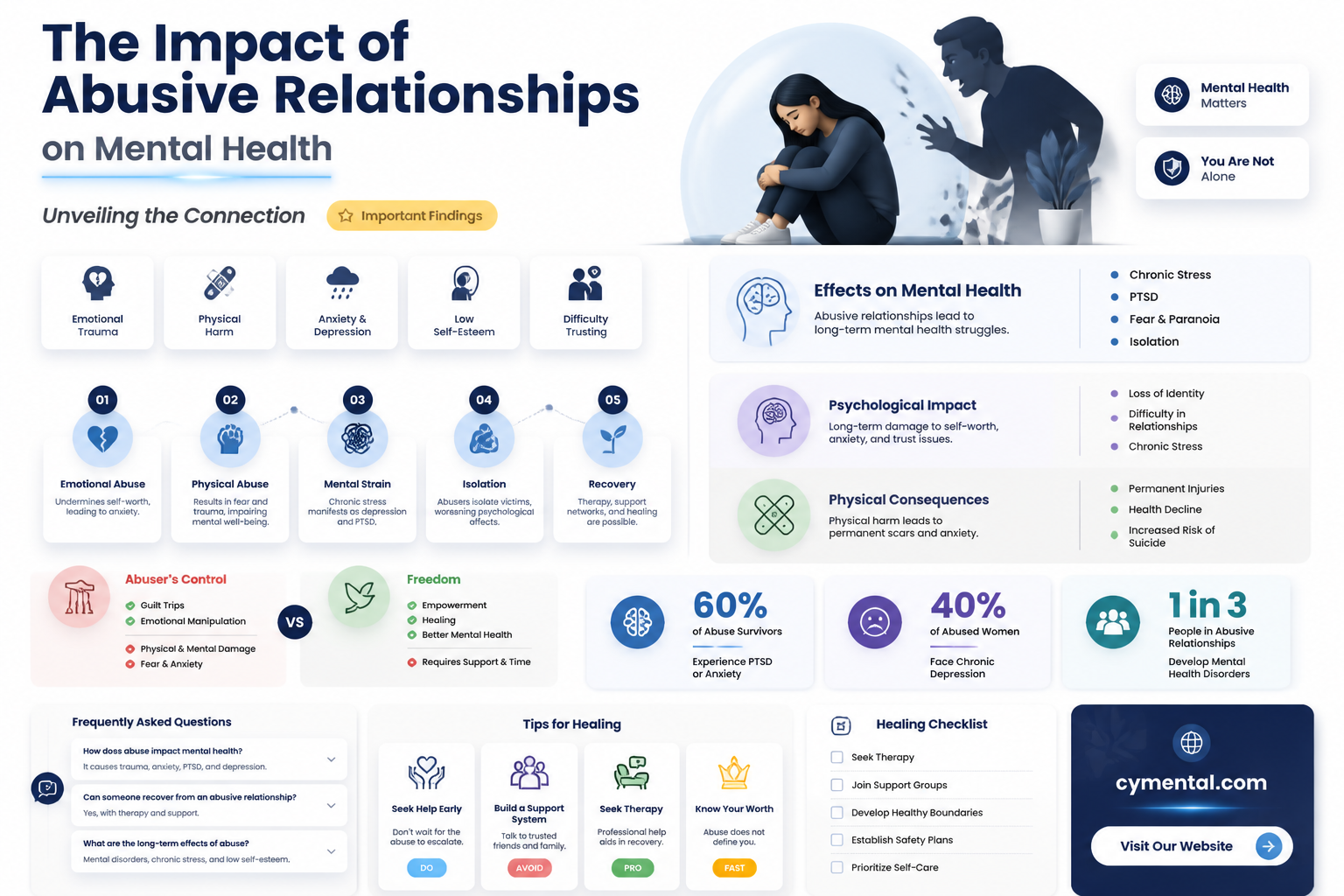
Abusive relationships can have a profound impact on an individual's mental health, often leading to a range of mental illnesses. The persistent stress, fear, and emotional turmoil experienced in such relationships can trigger conditions like anxiety, depression, and post-traumatic stress disorder (PTSD). Victims may also develop dissociative disorders as a coping mechanism to deal with the trauma. The psychological effects can be long-lasting, even after the relationship has ended, and may require professional help to overcome. It's crucial to recognize the signs of abuse and seek support to prevent the escalation of mental health issues.
Explore related products

$9.55 $17.99


What You'll Learn
- Emotional Trauma: Abusive relationships can lead to severe emotional trauma, affecting mental health
- Anxiety and Depression: Victims often experience heightened anxiety and depression due to constant fear and stress
- Post-Traumatic Stress Disorder (PTSD): Abuse can trigger PTSD, causing flashbacks and nightmares
- Loss of Self-Esteem: Continuous criticism and belittling can erode self-esteem and self-worth
- Social Isolation: Abusers may isolate victims from friends and family, exacerbating mental health issues

Emotional Trauma: Abusive relationships can lead to severe emotional trauma, affecting mental health
Emotional trauma resulting from abusive relationships can have profound and lasting effects on an individual's mental health. This trauma often manifests as a complex interplay of psychological symptoms, including anxiety, depression, and post-traumatic stress disorder (PTSD). The severity of these symptoms can vary widely, influenced by factors such as the duration of the abuse, the nature of the relationship, and the individual's pre-existing mental health status.
One of the most insidious aspects of emotional trauma from abusive relationships is its tendency to erode self-esteem and self-worth. Victims may internalize the negative messages and behaviors of their abusers, leading to a distorted self-image and a pervasive sense of shame or guilt. This can create a vicious cycle, where the individual's mental health deteriorates further as they struggle to reconcile their own identity with the damaging beliefs instilled by the abuse.
Moreover, the impact of emotional trauma can extend beyond the individual, affecting their social relationships and overall quality of life. Victims may experience difficulties in forming and maintaining healthy relationships, as the trauma can lead to trust issues, emotional numbing, and a heightened sense of vulnerability. These challenges can further exacerbate mental health problems, creating a ripple effect that permeates various aspects of the individual's life.
It is crucial to recognize that emotional trauma from abusive relationships is a serious mental health concern that requires professional intervention. Therapy, particularly cognitive-behavioral therapy (CBT) and trauma-focused therapies, can be instrumental in helping victims process their experiences, rebuild their self-esteem, and develop coping strategies to manage their symptoms. Additionally, support groups and community resources can provide a vital network of understanding and encouragement, helping individuals to feel less isolated and more empowered in their recovery journey.
In conclusion, the emotional trauma caused by abusive relationships is a complex and multifaceted issue that demands attention and action. By acknowledging the severity of this trauma and providing access to appropriate mental health services, we can help victims to heal, reclaim their lives, and build a brighter future free from the shadows of abuse.
Sleep Deprivation and Mental Health: Understanding the Breakdown
You may want to see also
Explore related products


Anxiety and Depression: Victims often experience heightened anxiety and depression due to constant fear and stress
Victims of abusive relationships often experience a profound impact on their mental health, with heightened anxiety and depression being common manifestations of the constant fear and stress they endure. This psychological toll can be debilitating, affecting various aspects of their lives, from their ability to function in daily activities to their overall sense of well-being.
The chronic stress associated with abusive relationships can lead to a state of hypervigilance, where victims are constantly on edge, anticipating the next threat or attack. This heightened state of alertness can manifest as anxiety, characterized by feelings of worry, nervousness, and a sense of impending doom. Over time, these feelings can become overwhelming, leading to panic attacks, sleep disturbances, and a range of physical symptoms, such as headaches and gastrointestinal issues.
Depression can also be a significant consequence of abusive relationships. The constant belittling, criticism, and emotional manipulation can erode a victim's self-esteem and sense of self-worth, leading to feelings of hopelessness and despair. Victims may feel trapped in the relationship, believing they are worthless or that no one else would want them. This can result in a loss of interest in activities they once enjoyed, social withdrawal, and a pervasive sense of sadness.
The impact of anxiety and depression on victims of abusive relationships can be long-lasting, even after they have left the abusive situation. The trauma experienced can lead to post-traumatic stress disorder (PTSD), which can cause flashbacks, nightmares, and a heightened startle response. Victims may also struggle with trust issues, difficulty forming healthy relationships, and a range of other mental health challenges.
It is crucial for victims of abusive relationships to seek support and treatment for their mental health struggles. Therapy, particularly cognitive-behavioral therapy (CBT), can be effective in helping victims manage their anxiety and depression, rebuild their self-esteem, and develop healthy coping mechanisms. Medication may also be necessary in some cases to manage symptoms. With the right support, victims can begin to heal and rebuild their lives, free from the grip of anxiety and depression.
Exploring the Link: Can a Blocked Ureter Impact Mental Health?
You may want to see also
Post-Traumatic Stress Disorder (PTSD): Abuse can trigger PTSD, causing flashbacks and nightmares
Post-Traumatic Stress Disorder (PTSD) is a mental health condition that can be triggered by experiencing or witnessing traumatic events, including abuse. When someone is in an abusive relationship, they may be subjected to physical, emotional, or sexual harm, which can lead to the development of PTSD. This condition is characterized by a range of symptoms, including flashbacks, nightmares, and severe anxiety.
Flashbacks are a common symptom of PTSD, where individuals may suddenly and vividly re-experience the traumatic event. This can be triggered by certain sights, sounds, or smells that remind them of the abuse. Nightmares are another symptom that can cause significant distress, as individuals may have recurring dreams about the traumatic event or related themes.
In addition to flashbacks and nightmares, individuals with PTSD may also experience hyperarousal, which is a state of heightened alertness and reactivity. This can manifest as difficulty sleeping, irritability, and an exaggerated startle response. Avoidance behaviors are also common, where individuals may try to avoid anything that reminds them of the traumatic event, including people, places, or activities.
It is important to note that PTSD can affect anyone who has experienced trauma, regardless of their age, gender, or background. However, certain factors can increase the risk of developing PTSD, such as the severity and duration of the trauma, as well as the individual's genetic predisposition and coping mechanisms.
Treatment for PTSD typically involves a combination of psychotherapy and medication. Cognitive-behavioral therapy (CBT) is a common form of psychotherapy that can help individuals process their traumatic experiences and develop coping strategies. Medications such as selective serotonin reuptake inhibitors (SSRIs) and benzodiazepines may also be prescribed to help manage symptoms.
In conclusion, PTSD is a serious mental health condition that can be triggered by abuse and other traumatic events. It is characterized by symptoms such as flashbacks, nightmares, and hyperarousal, and can significantly impact an individual's quality of life. However, with proper treatment and support, it is possible for individuals with PTSD to manage their symptoms and improve their overall well-being.
Exploring the Link: Yeast Infections and Mental Health Concerns
You may want to see also
Loss of Self-Esteem: Continuous criticism and belittling can erode self-esteem and self-worth
Continuous criticism and belittling in abusive relationships can significantly erode an individual's self-esteem and self-worth. This form of emotional abuse can be particularly damaging as it often involves a systematic breakdown of the victim's sense of self. Over time, the constant barrage of negative comments, dismissive attitudes, and demeaning behaviors can lead to a profound shift in how the individual perceives themselves. They may begin to internalize the abuser's messages, believing that they are indeed worthless, incompetent, or unlovable.
One of the insidious aspects of this type of abuse is that it can be subtle and difficult to recognize, especially in the early stages of a relationship. The abuser may start with small, seemingly harmless comments that gradually escalate in severity and frequency. This can make it challenging for the victim to pinpoint exactly when their self-esteem began to decline. Furthermore, the abuser may use manipulation tactics to isolate the victim from friends and family, thereby removing potential sources of support and validation.
The impact of continuous criticism and belittling can extend far beyond the realm of self-esteem. It can lead to anxiety, depression, and even post-traumatic stress disorder (PTSD). Victims may also experience physical symptoms such as headaches, stomachaches, and sleep disturbances. In severe cases, the emotional toll can be so overwhelming that it leads to suicidal ideation or attempts.
Rebuilding self-esteem after experiencing this type of abuse can be a long and arduous process. It often requires professional help, such as therapy or counseling, to address the deep-seated beliefs and emotional scars that have been inflicted. Support groups can also be invaluable, providing a safe space for victims to share their experiences and connect with others who have gone through similar struggles.
Ultimately, it is crucial to recognize the signs of emotional abuse and to take steps to protect oneself. This may involve setting boundaries, seeking support, or even ending the relationship if necessary. By understanding the devastating effects of continuous criticism and belittling, individuals can be better equipped to safeguard their mental health and well-being.
Exploring the Impact of Mental Health Crises on Brain Function
You may want to see also
Social Isolation: Abusers may isolate victims from friends and family, exacerbating mental health issues
Abusers often employ social isolation as a tactic to exert control over their victims. This involves systematically cutting off the victim's connections to friends, family, and other support networks. The effect of this isolation can be profound, significantly exacerbating existing mental health issues or even causing new ones to emerge. Victims may feel increasingly lonely, depressed, and anxious as they lose touch with the people who provide emotional support and validation.
One of the insidious ways abusers enforce social isolation is by manipulating the victim's perception of their relationships. They may convince the victim that their friends and family are against them, or that they are better off without these relationships. This can lead to a sense of paranoia and mistrust, further alienating the victim from their support system. Additionally, abusers may use threats or intimidation to prevent the victim from contacting others, creating a climate of fear that reinforces the isolation.
The impact of social isolation on mental health can be severe. Research has shown that prolonged isolation can lead to a range of psychological problems, including depression, anxiety, and even psychosis. Victims may also experience a loss of self-esteem and confidence, as they are constantly subjected to criticism and belittlement by the abuser. This can create a vicious cycle, where the victim feels increasingly worthless and dependent on the abuser, making it even harder to break free from the relationship.
Breaking the cycle of social isolation is a crucial step in recovering from an abusive relationship. Victims need to reconnect with their support networks and rebuild their sense of self-worth. This can involve seeking out counseling or therapy, joining support groups, and gradually re-establishing contact with friends and family. It's also important for victims to recognize the signs of social isolation and seek help before the situation becomes too dire. By raising awareness about this issue, we can empower victims to take control of their lives and escape the damaging effects of abusive relationships.
Exploring the Link Between Mental Breakdowns and PTSD: What You Need to Know
You may want to see also
Frequently asked questions
Yes, abusive relationships can cause mental illness. The trauma and stress from abuse can lead to conditions such as anxiety, depression, and post-traumatic stress disorder (PTSD).
Signs of mental illness resulting from an abusive relationship may include persistent sadness, anxiety, fear, withdrawal from social activities, changes in sleep or appetite, and difficulty concentrating.
Recovery from the mental effects of an abusive relationship often involves seeking professional help, such as therapy or counseling, practicing self-care, building a support network, and engaging in activities that promote mental well-being.
Resources for individuals experiencing mental illness due to abusive relationships include mental health professionals, support groups, hotlines, online resources, and community organizations that provide assistance and advocacy for survivors of abuse.