Madison Cole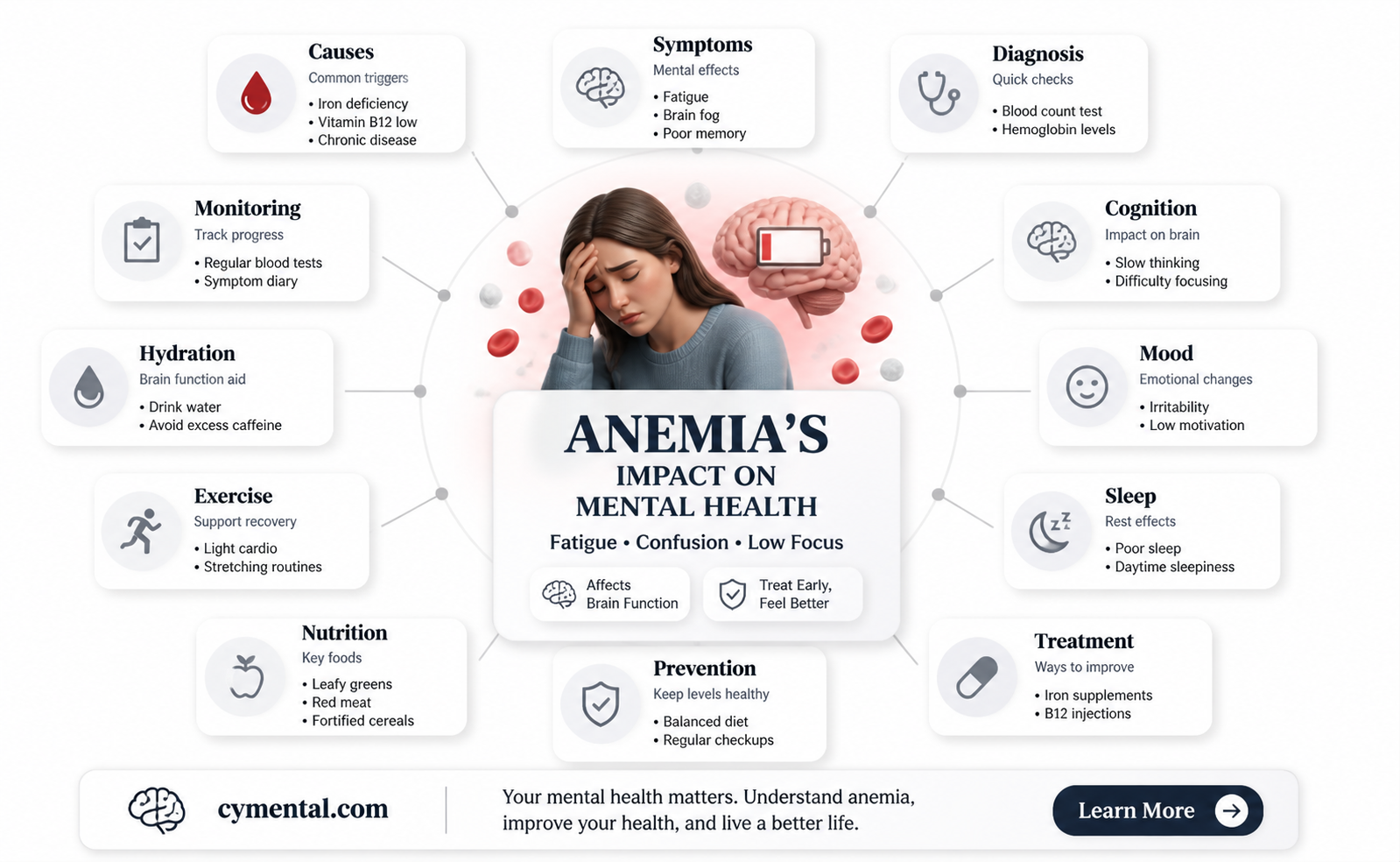
Anemia, a condition characterized by a deficiency of red blood cells or hemoglobin, can have far-reaching effects on the body, including the brain. One of the potential complications of anemia is altered mental status, which encompasses a range of cognitive and psychological changes. These changes can manifest as difficulty concentrating, memory problems, irritability, and even depression or anxiety. The underlying mechanism is believed to be related to the reduced oxygen supply to the brain, which can impair cognitive function and mood regulation. Understanding the relationship between anemia and altered mental status is crucial for healthcare providers, as it highlights the importance of addressing anemia not only as a physical condition but also as a potential contributor to mental health issues.
Explore related products


What You'll Learn
- Iron Deficiency Anemia: Low iron levels impair cognitive function, leading to altered mental status
- Vitamin B12 Deficiency: Inadequate B12 levels can cause neurological symptoms, including changes in mental status
- Folate Deficiency: Insufficient folate intake may lead to cognitive impairment and altered mental states
- Anemia of Chronic Disease: Conditions like cancer or kidney disease can cause anemia, affecting mental status
- Hemoglobinopathies: Genetic disorders affecting hemoglobin production can result in altered mental status due to poor oxygenation

Iron Deficiency Anemia: Low iron levels impair cognitive function, leading to altered mental status
Iron deficiency anemia is a common condition that affects millions of people worldwide. It occurs when the body lacks sufficient iron to produce hemoglobin, a protein in red blood cells that carries oxygen to tissues. While the physical symptoms of anemia, such as fatigue and weakness, are well-known, the impact on mental health is often overlooked. Recent research has shown that low iron levels can impair cognitive function, leading to altered mental status. This manifests in various ways, including difficulty concentrating, memory problems, and even depression.
The connection between iron deficiency and cognitive impairment is complex. Iron plays a crucial role in the production of neurotransmitters, such as dopamine and serotonin, which are essential for regulating mood and cognitive function. Additionally, iron is involved in the synthesis of myelin, a fatty substance that insulates nerve fibers and facilitates communication between neurons. When iron levels are low, these processes are disrupted, leading to impaired cognitive function and altered mental status.
Studies have shown that iron deficiency anemia can have a significant impact on cognitive performance, particularly in children and adolescents. In one study, children with iron deficiency anemia were found to have lower scores on cognitive tests compared to their peers without anemia. Another study found that iron supplementation improved cognitive function in children with anemia. While the effects of iron deficiency on cognitive function are not as well-studied in adults, there is evidence to suggest that low iron levels can contribute to cognitive decline in older adults.
The implications of these findings are significant. Iron deficiency anemia is a preventable and treatable condition, yet it remains a major public health problem. By raising awareness of the impact of iron deficiency on mental health, we can encourage early diagnosis and treatment, potentially improving cognitive function and quality of life for millions of people.
In conclusion, iron deficiency anemia is a condition that affects not only physical health but also mental well-being. Low iron levels can impair cognitive function, leading to altered mental status, which can have significant consequences for individuals and society as a whole. By understanding the connection between iron deficiency and cognitive impairment, we can take steps to prevent and treat this condition, ultimately improving health outcomes for all.
Unraveling the Mind: Mental Illnesses Behind Paranoia
You may want to see also
Explore related products
![Iron Deficiency Test Kit for Home Use [1 Pack] – Rapid & Accurate Ferritin Test for Adults, Children, Men & Women | at-Home Anemia Screening with 99.5% Accuracy](https://m.media-amazon.com/images/I/61LULXJWLwL._AC_UY218_.jpg)


Vitamin B12 Deficiency: Inadequate B12 levels can cause neurological symptoms, including changes in mental status
Vitamin B12 deficiency can have profound neurological impacts, including alterations in mental status. This essential nutrient plays a critical role in the production of red blood cells and the maintenance of the nervous system. When B12 levels are inadequate, the body's ability to produce healthy red blood cells is compromised, leading to anemia. This anemia can, in turn, cause a range of neurological symptoms, such as fatigue, weakness, and cognitive disturbances.
One of the key mechanisms by which B12 deficiency affects mental status is through its impact on the synthesis of neurotransmitters. B12 is necessary for the conversion of homocysteine to methionine, a process that is crucial for the production of serotonin and dopamine. These neurotransmitters are vital for regulating mood, memory, and cognitive function. When B12 levels are low, the production of these neurotransmitters is disrupted, leading to symptoms such as depression, anxiety, and confusion.
In addition to its role in neurotransmitter synthesis, B12 is also important for the maintenance of the myelin sheath, which is the protective covering that surrounds nerve fibers. When B12 levels are inadequate, the myelin sheath can become damaged, leading to impaired nerve function and symptoms such as numbness, tingling, and muscle weakness. These neurological symptoms can further exacerbate the changes in mental status associated with B12 deficiency.
Diagnosing B12 deficiency can be challenging, as the symptoms often mimic those of other conditions. However, certain risk factors can increase the likelihood of developing a deficiency, including age, dietary habits, and medical conditions such as pernicious anemia. Older adults are at a higher risk of B12 deficiency due to decreased absorption of the nutrient from food. Vegetarians and vegans are also at risk, as B12 is primarily found in animal-based foods. Medical conditions such as pernicious anemia, which is an autoimmune disorder that affects the stomach's ability to absorb B12, can also lead to deficiency.
Treatment for B12 deficiency typically involves supplementation with vitamin B12, either through oral tablets or injections. In severe cases, hospitalization may be necessary to manage symptoms and ensure adequate nutrient intake. Prevention is key, and individuals at risk of deficiency should be proactive in monitoring their B12 levels and seeking medical advice if symptoms arise.
In conclusion, vitamin B12 deficiency can have significant neurological impacts, including changes in mental status. Understanding the role of B12 in the body, recognizing the symptoms of deficiency, and seeking appropriate treatment are crucial steps in managing this condition and preventing its potentially severe consequences.
Navigating Heartbreak: Can a Breakup Trigger a Mental Breakdown?
You may want to see also
Explore related products


Folate Deficiency: Insufficient folate intake may lead to cognitive impairment and altered mental states
Folate deficiency, a condition characterized by insufficient intake of the B vitamin folate, has been linked to cognitive impairment and altered mental states. This connection is rooted in folate's critical role in the synthesis of neurotransmitters such as serotonin, dopamine, and norepinephrine, which are essential for regulating mood, memory, and cognitive function. A lack of folate can disrupt the delicate balance of these neurotransmitters, leading to a range of mental health issues.
Research has shown that folate deficiency can manifest as symptoms such as depression, anxiety, irritability, and fatigue. In severe cases, it can even contribute to the development of psychosis and bipolar disorder. The elderly population is particularly vulnerable to folate deficiency due to decreased absorption and increased excretion of the vitamin. Additionally, individuals with certain medical conditions, such as celiac disease or inflammatory bowel disease, may be at a higher risk of developing folate deficiency due to malabsorption.
To prevent or address folate deficiency, it is essential to maintain a diet rich in folate-containing foods such as leafy green vegetables, legumes, and fortified cereals. In some cases, supplementation may be necessary, particularly for individuals with increased requirements, such as pregnant women or those with certain medical conditions. The recommended daily intake of folate varies depending on age and individual needs, but generally ranges from 400 to 600 micrograms per day.
In conclusion, folate deficiency is a significant concern that can have a profound impact on mental health and cognitive function. By understanding the role of folate in the body and taking steps to ensure adequate intake, individuals can help protect themselves against the potential consequences of this often-overlooked nutritional deficiency.
Exploring the Link Between Root Canals and Mental Health Concerns
You may want to see also
Explore related products




Anemia of Chronic Disease: Conditions like cancer or kidney disease can cause anemia, affecting mental status
Chronic diseases such as cancer and kidney disease can significantly impact a person's mental status through the development of anemia. Anemia is a condition characterized by a lack of healthy red blood cells, which are essential for transporting oxygen throughout the body, including the brain. When the brain does not receive adequate oxygen, cognitive functions can be impaired, leading to symptoms such as fatigue, difficulty concentrating, and even depression.
In the context of cancer, anemia can be a side effect of the disease itself or a result of cancer treatments like chemotherapy and radiation therapy, which can damage bone marrow and reduce red blood cell production. Kidney disease can also lead to anemia due to the kidneys' role in producing erythropoietin, a hormone that stimulates red blood cell production. When kidney function is compromised, erythropoietin levels may decrease, resulting in anemia.
The impact of anemia on mental status can be profound. Studies have shown that anemia in patients with chronic diseases is associated with a higher risk of cognitive impairment and dementia. This is because the brain requires a constant supply of oxygen to function properly, and anemia can disrupt this supply, leading to oxidative stress and neuronal damage.
Managing anemia in chronic diseases is crucial for maintaining mental status. Treatment options may include iron supplements, erythropoietin injections, or blood transfusions, depending on the underlying cause and severity of the anemia. In addition to medical interventions, lifestyle modifications such as a balanced diet rich in iron and regular exercise can also help improve mental status in patients with anemia.
In conclusion, anemia is a common complication of chronic diseases like cancer and kidney disease, and it can have significant effects on mental status. Recognizing and addressing anemia is essential for improving the quality of life and cognitive function in patients with these conditions.
The Surprising Link Between Dental Health and Mental Well-being
You may want to see also
Explore related products






Hemoglobinopathies: Genetic disorders affecting hemoglobin production can result in altered mental status due to poor oxygenation
Hemoglobinopathies, a group of genetic disorders affecting hemoglobin production, can significantly impact mental status due to inadequate oxygenation of the brain. This occurs because hemoglobin, the protein in red blood cells responsible for carrying oxygen, is either produced in insufficient quantities or functions improperly. As a result, the brain receives less oxygen than it needs, leading to a range of cognitive and neurological symptoms.
One of the most common hemoglobinopathies is sickle cell disease, which affects approximately 100,000 Americans. In this condition, hemoglobin molecules stick together, forming rigid structures that distort the shape of red blood cells into a sickle shape. These misshapen cells can block blood vessels, impeding oxygen flow to the brain and other organs. This can result in altered mental status, characterized by confusion, difficulty concentrating, and even seizures.
Another hemoglobinopathy, thalassemia, involves the production of abnormal hemoglobin or a reduced amount of normal hemoglobin. This can lead to anemia, where the blood lacks enough healthy red blood cells to carry adequate oxygen to the body's tissues, including the brain. Symptoms of thalassemia-related anemia can include fatigue, weakness, and cognitive impairment, as the brain struggles to function with limited oxygen supply.
Diagnosing hemoglobinopathies typically involves a combination of blood tests, genetic testing, and clinical evaluation. Treatment options vary depending on the specific disorder and its severity but may include blood transfusions, medications to manage symptoms, and in some cases, bone marrow transplants. Early diagnosis and intervention are crucial in managing these conditions and minimizing their impact on mental status and overall quality of life.
In conclusion, hemoglobinopathies represent a significant cause of altered mental status due to their effect on oxygenation. Understanding these disorders, their symptoms, and treatment options is essential for healthcare providers and individuals affected by these conditions. By addressing the underlying causes of poor oxygenation, it is possible to improve cognitive function and enhance the well-being of those with hemoglobinopathies.
Exploring the Link: Malnutrition and Mental Health Concerns
You may want to see also
Frequently asked questions
Yes, anemia can cause altered mental status. Anemia is a condition where there is a lack of healthy red blood cells, which can lead to decreased oxygen delivery to the brain. This can result in symptoms such as fatigue, weakness, and cognitive impairment, which are all considered forms of altered mental status.
Iron deficiency anemia is the most common type of anemia that can cause altered mental status. This is because iron is essential for the production of hemoglobin, which is the protein in red blood cells that carries oxygen. Without enough iron, the brain may not receive adequate oxygen, leading to cognitive impairment and other symptoms of altered mental status.
Anemia affects the brain by reducing the amount of oxygen that is delivered to it. The brain requires a constant supply of oxygen to function properly, and when this supply is reduced, it can lead to symptoms such as fatigue, weakness, and cognitive impairment. In severe cases, anemia can even lead to loss of consciousness or coma.
The treatment options for anemia-related altered mental status depend on the underlying cause of the anemia. In cases of iron deficiency anemia, iron supplements or dietary changes may be recommended to increase iron levels. In more severe cases, blood transfusions or other medical interventions may be necessary to address the anemia and restore normal mental status. It is important to consult with a healthcare provider for proper diagnosis and treatment.