Caleb Wright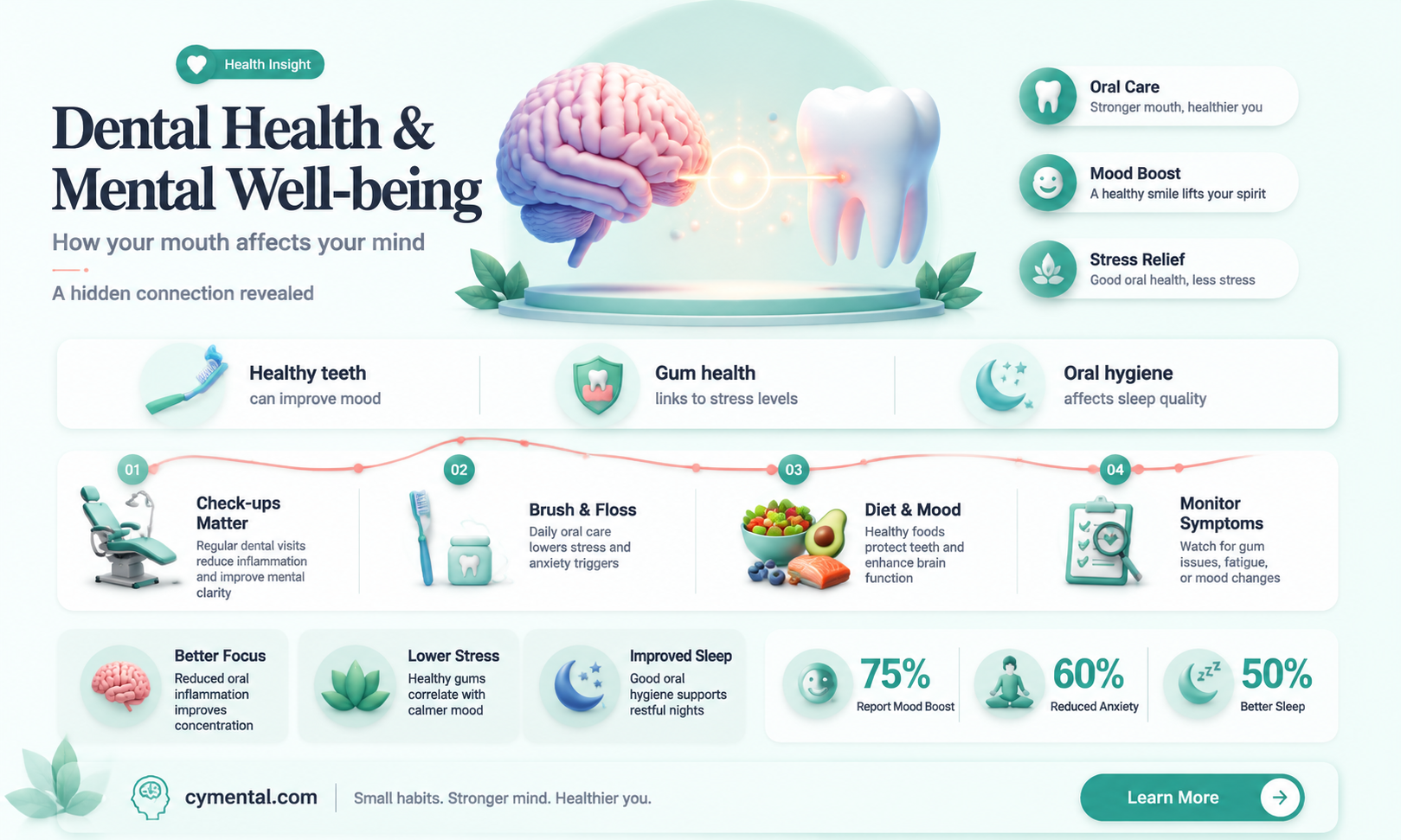
Oral health and mental well-being are deeply interconnected, with research increasingly highlighting the bidirectional relationship between the two. Poor dental health, characterized by conditions such as tooth decay, gum disease, and tooth loss, can significantly impact an individual's mental health. The psychological distress associated with dental problems can lead to anxiety, depression, and reduced self-esteem, as individuals may feel self-conscious about their appearance and avoid social interactions. Furthermore, the chronic inflammation and infection associated with periodontal disease have been linked to an increased risk of developing mental health disorders. Conversely, mental health conditions can also exacerbate oral health issues, as individuals experiencing depression or anxiety may neglect their dental hygiene, leading to a deterioration in oral health. This complex interplay underscores the importance of a holistic approach to healthcare, where oral health is considered an integral component of overall mental well-being.
| Characteristics | Values |
|---|---|
| Impact on Self-Esteem | Bad teeth can significantly lower self-esteem due to concerns about appearance and social judgment. |
| Social Anxiety | Individuals with poor dental health may experience increased social anxiety, avoiding interactions due to fear of being judged. |
| Depression | Chronic dental issues can contribute to feelings of hopelessness and depression, especially if left untreated. |
| Stress | The stress of dealing with dental pain or the financial burden of treatment can exacerbate mental health issues. |
| Cognitive Function | Severe dental problems might affect cognitive functions, including memory and concentration, possibly due to chronic pain or infection. |
| Quality of Life | Poor dental health can reduce overall quality of life, impacting daily activities such as eating, speaking, and socializing. |
| Sleep Disturbances | Dental pain or discomfort can lead to sleep disturbances, which in turn can negatively affect mental health. |
| Nutritional Deficiencies | Bad teeth can make it difficult to eat a balanced diet, potentially leading to nutritional deficiencies that impact mental well-being. |
| Increased Risk of Dementia | Research suggests that poor dental health may be linked to an increased risk of dementia, although the exact relationship is still being studied. |
| Stigma | The stigma associated with bad teeth can lead to social isolation and feelings of shame, further impacting mental health. |
| Access to Care | Limited access to dental care can worsen mental health issues, as individuals may feel helpless about their condition. |
| Financial Burden | The cost of dental treatments can be a significant source of stress, especially for those without insurance coverage. |
| Impact on Relationships | Bad teeth can affect personal and professional relationships, as individuals may avoid close interactions due to self-consciousness. |
| Overall Health | Poor dental health is linked to various systemic health issues, including heart disease and diabetes, which can indirectly affect mental health. |
| Prevention and Treatment | Regular dental check-ups and treatments can help prevent the negative mental health impacts associated with bad teeth. |
Explore related products


What You'll Learn
- Self-esteem and Confidence: Bad teeth can lead to feelings of insecurity and low self-worth, impacting overall mental well-being
- Social Anxiety: Fear of judgment due to dental issues may cause individuals to avoid social interactions, leading to isolation
- Depression: Chronic dental problems can contribute to persistent feelings of sadness and hopelessness, exacerbating depressive symptoms
- Stress and Pain: Dental pain and discomfort can increase stress levels, affecting mood and mental health negatively
- Cognitive Function: Research suggests a potential link between poor oral health and cognitive decline, including memory and concentration issues

Self-esteem and Confidence: Bad teeth can lead to feelings of insecurity and low self-worth, impacting overall mental well-being
Bad teeth can significantly impact an individual's self-esteem and confidence, leading to feelings of insecurity and low self-worth. This, in turn, can have a profound effect on overall mental well-being. Research has shown that people with dental issues often feel self-conscious about their appearance, which can lead to social anxiety and a reluctance to engage in social situations. This can result in a vicious cycle, where the individual's mental health suffers due to their dental issues, and their dental issues worsen due to neglect or lack of access to care.
One of the key ways in which bad teeth can affect self-esteem is through the impact on an individual's smile. A smile is often considered one of the most important aspects of a person's appearance, and bad teeth can make people feel embarrassed or ashamed to smile. This can lead to a decrease in self-confidence, as individuals may feel that they are being judged or ridiculed because of their teeth. In addition, bad teeth can also affect an individual's ability to speak clearly and confidently, further exacerbating feelings of self-consciousness and low self-esteem.
The impact of bad teeth on mental health can also be seen in the workplace. Individuals with dental issues may feel less confident in their ability to communicate effectively with colleagues or clients, which can lead to decreased job performance and opportunities for advancement. In some cases, bad teeth can even lead to discrimination or harassment in the workplace, further damaging an individual's mental health and well-being.
It is important to note that the relationship between bad teeth and mental health is not one-way. Mental health issues can also contribute to dental problems, as individuals with depression or anxiety may be less likely to engage in proper oral hygiene practices. This can lead to a worsening of dental issues, which in turn can further impact mental health. Therefore, it is crucial to address both dental and mental health issues in order to achieve overall well-being.
In conclusion, bad teeth can have a significant impact on an individual's self-esteem and confidence, leading to feelings of insecurity and low self-worth. This can have a profound effect on overall mental well-being, and can lead to a vicious cycle of neglect and worsening dental issues. It is important to address both dental and mental health issues in order to achieve overall well-being, and to recognize the complex relationship between these two aspects of health.
Harmonizing Minds: The Powerful Impact of Music on Mental Health
You may want to see also
Explore related products


Social Anxiety: Fear of judgment due to dental issues may cause individuals to avoid social interactions, leading to isolation
Individuals with dental issues may experience social anxiety due to the fear of being judged by others. This fear can be so overwhelming that it leads them to avoid social interactions altogether, resulting in isolation and loneliness. The impact of dental problems on mental health is often underestimated, but the connection between the two is significant.
Research has shown that people with poor oral health are more likely to suffer from anxiety and depression. The fear of judgment due to dental issues can cause individuals to feel self-conscious and embarrassed, leading them to withdraw from social situations. This can have a negative impact on their overall well-being, as social connections are essential for maintaining good mental health.
The fear of judgment can also lead to a lack of confidence and self-esteem. Individuals with dental issues may feel that they are not good enough or that they will be rejected by others due to their appearance. This can cause them to avoid situations where they may be judged, such as job interviews, dates, or social gatherings.
It is important to note that dental issues can be treated, and there is no reason for individuals to suffer in silence. Seeking professional help from a dentist or a mental health professional can be the first step towards overcoming social anxiety related to dental problems. With the right treatment and support, individuals can regain their confidence and self-esteem, and begin to enjoy social interactions once again.
In conclusion, the fear of judgment due to dental issues can have a significant impact on an individual's mental health, leading to social anxiety and isolation. However, with the right treatment and support, individuals can overcome these challenges and improve their overall well-being.
Exploring the Impact of Social Media on Mental Health
You may want to see also
Explore related products




Depression: Chronic dental problems can contribute to persistent feelings of sadness and hopelessness, exacerbating depressive symptoms
Chronic dental problems can have a profound impact on an individual's mental health, particularly in terms of exacerbating depressive symptoms. Persistent feelings of sadness and hopelessness can be intensified by the discomfort, pain, and social stigma associated with poor oral health. This can lead to a vicious cycle where the individual's mental health deteriorates further, making it increasingly difficult to maintain good oral hygiene practices.
One of the key ways in which bad teeth can contribute to depression is through the physical discomfort and pain they cause. Chronic pain has been well-documented as a contributor to depressive symptoms, and dental pain is no exception. The constant ache or sensitivity can wear down an individual's emotional resilience, leading to feelings of despair and helplessness. Furthermore, the impact of dental problems on daily activities, such as eating and speaking, can lead to social withdrawal and isolation, which are also known to exacerbate depression.
In addition to the physical symptoms, the social stigma associated with bad teeth can also play a significant role in contributing to depression. Individuals with poor oral health may feel self-conscious about their appearance, leading to low self-esteem and a reluctance to engage in social interactions. This can result in feelings of loneliness and disconnection, which can further deepen depressive symptoms. The psychological impact of being judged or rejected due to one's dental condition can be particularly damaging, especially in a society that places a high value on physical appearance.
It is also important to consider the bidirectional relationship between dental health and mental health. While chronic dental problems can contribute to depression, depressive symptoms can also negatively impact oral health. Individuals experiencing depression may neglect their oral hygiene routines, leading to further dental issues. This can create a cycle of worsening mental and physical health, making it challenging to break free from the negative impacts of bad teeth on mental well-being.
Breaking this cycle requires a comprehensive approach that addresses both the physical and psychological aspects of dental health and depression. This may involve seeking professional dental care to address underlying oral health issues, as well as mental health support to manage depressive symptoms. Cognitive-behavioral therapy, for example, can be helpful in addressing the negative thought patterns and behaviors associated with depression, while also promoting better oral hygiene practices. Additionally, social support networks and community resources can play a crucial role in helping individuals overcome the social stigma associated with bad teeth and rebuild their self-esteem and confidence.
In conclusion, the relationship between bad teeth and depression is complex and multifaceted. Chronic dental problems can contribute to persistent feelings of sadness and hopelessness, exacerbating depressive symptoms through physical discomfort, pain, and social stigma. Addressing this issue requires a holistic approach that takes into account both the physical and psychological aspects of dental health and mental well-being. By seeking professional care and support, individuals can break free from the negative cycle of bad teeth and depression, and improve their overall quality of life.
Recognizing the Warning Signs: Stress and Its Impact on Mental Health
You may want to see also
Explore related products



Stress and Pain: Dental pain and discomfort can increase stress levels, affecting mood and mental health negatively
Dental pain and discomfort can significantly increase stress levels, negatively impacting mood and mental health. This is because the experience of pain triggers the body's stress response, leading to the release of stress hormones like cortisol and adrenaline. Over time, chronic dental pain can result in elevated stress levels, which can contribute to anxiety, depression, and other mental health issues.
One way that dental pain can affect mental health is by disrupting sleep patterns. Pain can make it difficult to fall asleep or stay asleep, leading to fatigue and irritability. This can further exacerbate stress levels, creating a vicious cycle of pain, stress, and sleep disturbances. Additionally, dental pain can impact a person's ability to concentrate and focus, making it challenging to perform daily tasks and responsibilities. This can lead to feelings of frustration and inadequacy, which can contribute to negative mental health outcomes.
Another aspect to consider is the social impact of dental pain. People experiencing dental discomfort may avoid social interactions due to fear of being judged or embarrassed about their teeth. This social withdrawal can lead to feelings of isolation and loneliness, which can negatively affect mental health. Furthermore, dental pain can impact a person's self-esteem and confidence, as they may feel self-conscious about their appearance or ability to communicate effectively.
It's essential to address dental pain promptly to mitigate its impact on mental health. Seeking dental care can help alleviate pain and discomfort, reducing stress levels and improving overall well-being. In some cases, dental procedures like fillings, root canals, or extractions may be necessary to address the underlying cause of the pain. Additionally, practicing good oral hygiene, such as brushing and flossing regularly, can help prevent dental issues and reduce the risk of pain and discomfort.
In conclusion, dental pain and discomfort can have a significant impact on mental health by increasing stress levels, disrupting sleep patterns, affecting concentration and focus, and leading to social withdrawal and decreased self-esteem. Addressing dental pain promptly through proper dental care and maintaining good oral hygiene practices can help mitigate these negative effects and improve overall mental health and well-being.
Unveiling the Impact: Mental Health's Reach Across Demographics
You may want to see also
Explore related products


Cognitive Function: Research suggests a potential link between poor oral health and cognitive decline, including memory and concentration issues
Recent studies have uncovered a surprising connection between oral health and cognitive function. It appears that the state of our teeth and gums may have a significant impact on our memory, concentration, and overall mental acuity. This link is thought to be due to the presence of harmful bacteria in the mouth, which can produce toxins that interfere with neural pathways and contribute to cognitive decline.
One study published in the Journal of Neurology found that individuals with severe gum disease were more likely to experience memory loss and cognitive impairment. Another study, conducted by the University of California, Los Angeles, discovered that older adults with poor oral health had a higher risk of developing dementia. These findings suggest that maintaining good oral hygiene is not only important for our physical health but also for our mental well-being.
The exact mechanisms behind this connection are still being explored, but researchers believe that inflammation and oxidative stress may play a role. Inflammation in the gums can lead to the release of pro-inflammatory cytokines, which can cross the blood-brain barrier and affect brain function. Oxidative stress, caused by an imbalance of free radicals and antioxidants, can also damage brain cells and contribute to cognitive decline.
While more research is needed to fully understand the relationship between oral health and cognitive function, the evidence so far is compelling. It suggests that taking care of our teeth and gums may be an important step in maintaining our mental health as we age. This could involve regular dental check-ups, brushing and flossing daily, and avoiding sugary foods and drinks that can contribute to tooth decay and gum disease.
In conclusion, the link between poor oral health and cognitive decline is a significant finding that highlights the importance of good oral hygiene. By taking steps to maintain our dental health, we may be able to reduce our risk of cognitive impairment and enjoy better mental function throughout our lives.
Exploring the Connection: IUDs and Mental Health Impact
You may want to see also
Frequently asked questions
Yes, poor dental health can have a significant impact on mental well-being. Issues such as tooth decay, gum disease, and tooth loss can lead to pain, discomfort, and self-consciousness, which can contribute to anxiety, depression, and other mental health concerns.
Oral health plays a crucial role in self-esteem. Having a healthy, attractive smile can boost confidence and self-image. Conversely, dental problems like cavities, bad breath, or missing teeth can cause embarrassment and social anxiety, leading to lower self-esteem.
Maintaining good oral hygiene involves brushing your teeth at least twice a day, flossing daily, using mouthwash, and visiting a dentist regularly for check-ups and cleanings. Additionally, limiting sugary foods and drinks, avoiding tobacco, and managing stress can help prevent dental problems and promote overall oral health.