Harper Lewis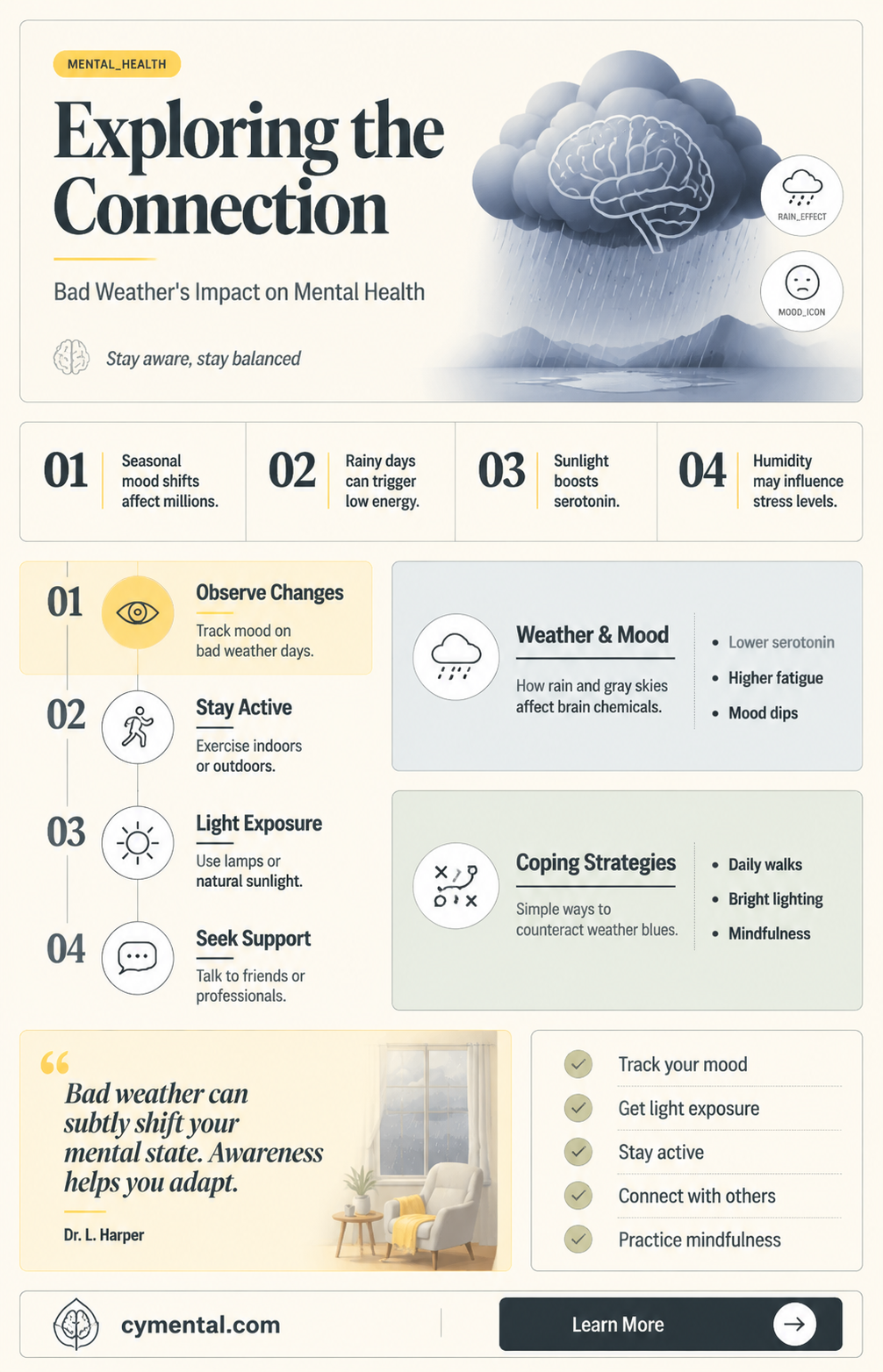
Bad weather has long been anecdotally linked to changes in mood and mental health, but is there scientific evidence to support this claim? Research suggests that weather conditions can indeed have a measurable impact on mental well-being. For instance, studies have shown that exposure to sunlight can boost serotonin levels, which is known to improve mood. Conversely, prolonged periods of overcast skies and rain can lead to a decrease in serotonin, potentially contributing to feelings of sadness or depression. Additionally, extreme weather events, such as hurricanes or floods, can cause significant stress and anxiety due to their destructive nature and the uncertainty they bring. While the relationship between weather and mental health is complex and influenced by various factors, including individual resilience and coping mechanisms, the scientific community is increasingly recognizing the importance of considering environmental conditions in mental health research and treatment.
Explore related products


What You'll Learn
- Seasonal Affective Disorder: Explore how changes in seasons and sunlight exposure can influence mood and mental well-being
- Barometric Pressure Changes: Discuss the potential impact of fluctuating barometric pressure on mood, headaches, and anxiety levels
- Rain and Depression: Investigate the correlation between rainy weather and increased feelings of sadness or depression
- Heat Waves and Stress: Examine how extreme heat can exacerbate stress, irritability, and other mental health symptoms
- Natural Disasters and Trauma: Analyze the psychological effects of natural disasters like hurricanes, earthquakes, and floods on individuals and communities

Seasonal Affective Disorder: Explore how changes in seasons and sunlight exposure can influence mood and mental well-being
Seasonal Affective Disorder (SAD) is a type of depression that occurs at certain times of the year, typically in the winter months when sunlight exposure is reduced. This condition is characterized by symptoms such as low mood, lethargy, and a general lack of interest in activities. Research has shown that SAD is more common in regions with shorter daylight hours during the winter, suggesting a strong link between sunlight exposure and mental well-being.
One of the primary theories behind SAD is that reduced sunlight exposure disrupts the body's internal clock, or circadian rhythm. This disruption can lead to an imbalance in the production of neurotransmitters like serotonin and melatonin, which play crucial roles in regulating mood and sleep patterns. Additionally, the lack of sunlight may affect the production of vitamin D, which is essential for overall health and has been linked to mood regulation.
To manage SAD, light therapy is often recommended as a first-line treatment. This involves sitting in front of a special light box that emits bright, artificial light for a set period each day, typically 30 minutes to an hour. This light exposure helps to regulate the body's internal clock and can lead to improvements in mood and energy levels. In some cases, antidepressant medications may also be prescribed to help manage symptoms.
Lifestyle changes can also be beneficial for individuals with SAD. Engaging in regular exercise, maintaining a healthy diet, and practicing stress-reduction techniques like meditation or yoga can all help to improve mood and overall well-being. Additionally, making an effort to spend time outdoors during the day, even on cloudy days, can help to maximize exposure to natural light.
In conclusion, Seasonal Affective Disorder is a condition that highlights the significant impact that changes in seasons and sunlight exposure can have on mood and mental well-being. By understanding the underlying causes of SAD and implementing appropriate treatments and lifestyle changes, individuals can effectively manage their symptoms and improve their quality of life.
The Impact of Mental and Emotional Illnesses on Social Well-being
You may want to see also
Explore related products


Barometric Pressure Changes: Discuss the potential impact of fluctuating barometric pressure on mood, headaches, and anxiety levels
Fluctuating barometric pressure, often associated with changing weather patterns, has been a subject of interest in relation to its potential impact on mental health. Research suggests that shifts in barometric pressure can influence mood, headache frequency, and anxiety levels in certain individuals. This phenomenon is thought to be linked to the body's sensitivity to atmospheric changes, which can affect neurotransmitter levels and overall brain function.
One study published in the journal "Headache" found a significant correlation between barometric pressure changes and the onset of migraines. The researchers noted that a decrease in barometric pressure, often preceding stormy weather, was associated with an increase in migraine attacks. This finding is supported by anecdotal evidence from individuals who report experiencing more frequent headaches during periods of inclement weather.
In addition to headaches, fluctuating barometric pressure has also been implicated in mood disturbances. A study conducted by the University of Vienna found that changes in atmospheric pressure were associated with increased feelings of anxiety and depression in participants. The researchers hypothesized that this effect may be due to the influence of barometric pressure on the body's circadian rhythms, which play a crucial role in regulating mood and sleep patterns.
Furthermore, some individuals may be more susceptible to the effects of barometric pressure changes than others. For example, people with pre-existing mental health conditions, such as depression or anxiety disorders, may be more likely to experience exacerbations of their symptoms during periods of fluctuating atmospheric pressure. Similarly, individuals with certain medical conditions, such as fibromyalgia or chronic fatigue syndrome, may also be more sensitive to the effects of barometric pressure on their overall well-being.
While the exact mechanisms underlying the relationship between barometric pressure and mental health are still not fully understood, it is clear that this is an area worthy of further investigation. For individuals who experience adverse effects related to changing weather patterns, tracking barometric pressure and implementing coping strategies during periods of fluctuation may be beneficial. These strategies could include practicing relaxation techniques, maintaining a regular sleep schedule, and engaging in physical activity to help mitigate the impact of barometric pressure changes on mood and overall mental health.
The Emotional Toll: How Cheating Impacts a Woman's Mental Health
You may want to see also
Explore related products


Rain and Depression: Investigate the correlation between rainy weather and increased feelings of sadness or depression
Rainy days often evoke a sense of melancholy, but is there scientific evidence to support the notion that bad weather can affect mental health? Research suggests that there may be a correlation between rainy weather and increased feelings of sadness or depression. One study found that people who lived in areas with more frequent rainfall reported higher levels of depression and anxiety. Another study showed that exposure to sunlight can increase the production of serotonin, a neurotransmitter that helps regulate mood, which may explain why lack of sunlight on rainy days can lead to feelings of sadness.
However, it's important to note that the relationship between weather and mental health is complex and not fully understood. While some studies have found a link between rainy weather and depression, others have not. Additionally, individual experiences can vary greatly, and what may affect one person's mood may not affect another's.
So, what can be done to combat the potential negative effects of rainy weather on mental health? One strategy is to make sure to get enough exposure to sunlight, even on cloudy days. This can be done by spending time outdoors, opening curtains to let sunlight in, or using a light therapy box. Exercise and physical activity can also help boost mood, as can engaging in activities that bring joy and relaxation, such as reading, listening to music, or spending time with friends and family.
In conclusion, while the relationship between rainy weather and depression is not fully understood, there is some evidence to suggest that bad weather can affect mental health. By taking steps to combat the potential negative effects of rainy weather, such as getting enough sunlight and engaging in activities that bring joy, individuals can help maintain their mental well-being even on the gloomiest of days.
Unveiling the Impact: Mental Health's Reach Across Demographics
You may want to see also
Explore related products


![The effects of climate change on agriculture, land resources, water resources, and biodiversity in the United States / report by the U.S. Climate Change Science Program and the Subcomm [Leather Bound]](https://m.media-amazon.com/images/I/61p2VzyfGpL._AC_UY218_.jpg)
Heat Waves and Stress: Examine how extreme heat can exacerbate stress, irritability, and other mental health symptoms
Extreme heat can significantly impact mental health, exacerbating symptoms of stress, irritability, and anxiety. Research has shown that during heat waves, there is often an increase in the number of people seeking mental health services, as well as a rise in the severity of symptoms reported. This can be attributed to several factors, including the physical discomfort caused by high temperatures, the disruption of daily routines, and the psychological stress of dealing with the challenges posed by extreme weather events.
One of the key ways in which heat can affect mental health is by disrupting sleep patterns. High temperatures can make it difficult to fall asleep and stay asleep, leading to fatigue and irritability. This can be particularly problematic for individuals who are already struggling with mental health issues, as sleep disturbances can exacerbate symptoms of depression, anxiety, and other conditions.
In addition to sleep disturbances, extreme heat can also lead to dehydration, which can further impact mental health. Dehydration can cause symptoms such as dizziness, headaches, and confusion, which can contribute to feelings of stress and anxiety. Moreover, the physical discomfort caused by dehydration can make it more difficult to cope with the psychological challenges posed by extreme weather events.
Another factor to consider is the social impact of heat waves. During extreme weather events, people may be more likely to stay indoors, leading to social isolation and a lack of support. This can be particularly challenging for individuals who rely on social connections for emotional support, as the lack of interaction can exacerbate feelings of loneliness and depression.
To mitigate the mental health impacts of extreme heat, it is important to take steps to stay cool and hydrated. This can include drinking plenty of water, staying in air-conditioned spaces, and avoiding strenuous activities during the hottest parts of the day. Additionally, maintaining social connections and seeking support from friends and family can help to alleviate feelings of isolation and stress.
In conclusion, extreme heat can have a significant impact on mental health, exacerbating symptoms of stress, irritability, and anxiety. By taking steps to stay cool, hydrated, and socially connected, individuals can help to mitigate these effects and maintain their mental well-being during heat waves.
Exploring the Link Between Vegan Diets and Mental Health
You may want to see also
Explore related products


Natural Disasters and Trauma: Analyze the psychological effects of natural disasters like hurricanes, earthquakes, and floods on individuals and communities
Natural disasters such as hurricanes, earthquakes, and floods can have profound psychological effects on individuals and communities. These events often result in significant trauma, which can manifest in various mental health issues, including anxiety, depression, and post-traumatic stress disorder (PTSD). The immediate aftermath of a disaster can be particularly devastating, as survivors may experience shock, disbelief, and a sense of helplessness. Over time, the psychological impact can evolve, leading to long-term mental health challenges that affect not only the individuals directly impacted but also their families and the broader community.
One of the key psychological effects of natural disasters is the disruption of normal life routines and the loss of a sense of control. When people are forced to evacuate their homes, lose their livelihoods, or witness the destruction of their communities, it can lead to a profound sense of uncertainty and vulnerability. This disruption can also result in the loss of social support networks, which are crucial for mental health and resilience. In addition, the physical environment may be altered, creating new stressors and challenges for survivors as they navigate their changed surroundings.
Children and adolescents are particularly vulnerable to the psychological effects of natural disasters. They may experience developmental regression, behavioral problems, and difficulties in school. Older adults may also be at risk, as they may have pre-existing mental health conditions that are exacerbated by the stress of the disaster. Furthermore, individuals with pre-existing mental health issues may be more susceptible to the psychological impact of natural disasters, as their coping mechanisms may already be compromised.
Communities affected by natural disasters may also experience collective trauma, which can lead to a range of social and psychological problems. This can include increased rates of violence, substance abuse, and social isolation. The economic impact of disasters can also contribute to mental health issues, as financial stress and uncertainty can exacerbate anxiety and depression.
In conclusion, natural disasters can have far-reaching psychological effects on individuals and communities. It is essential to provide mental health support and resources to those affected by these events, both in the immediate aftermath and in the long term. This support can help mitigate the psychological impact of disasters and promote resilience and recovery.
Unveiling the Impact: Mental Health and Work Performance Connection
You may want to see also
Frequently asked questions
Yes, research indicates that weather conditions can influence mental health. Studies have shown that prolonged periods of overcast skies, rain, or extreme temperatures can lead to changes in mood, energy levels, and overall well-being.
Bad weather has been linked to increased symptoms of depression, anxiety, and mood disorders. It can also exacerbate existing mental health conditions and lead to feelings of lethargy, irritability, and social withdrawal.
From a biological standpoint, bad weather can disrupt the body's natural circadian rhythms, leading to changes in sleep patterns and hormone levels. Reduced exposure to sunlight can lower serotonin levels, a neurotransmitter that plays a crucial role in regulating mood.
Yes, there are several strategies that can help. Engaging in regular physical activity, maintaining a balanced diet, and practicing stress-reduction techniques such as meditation or yoga can help alleviate symptoms. Additionally, light therapy, which involves exposure to artificial light that mimics natural sunlight, has been shown to be effective in treating seasonal affective disorder (SAD), a condition that is often triggered by changes in weather patterns.