Ava Ramirez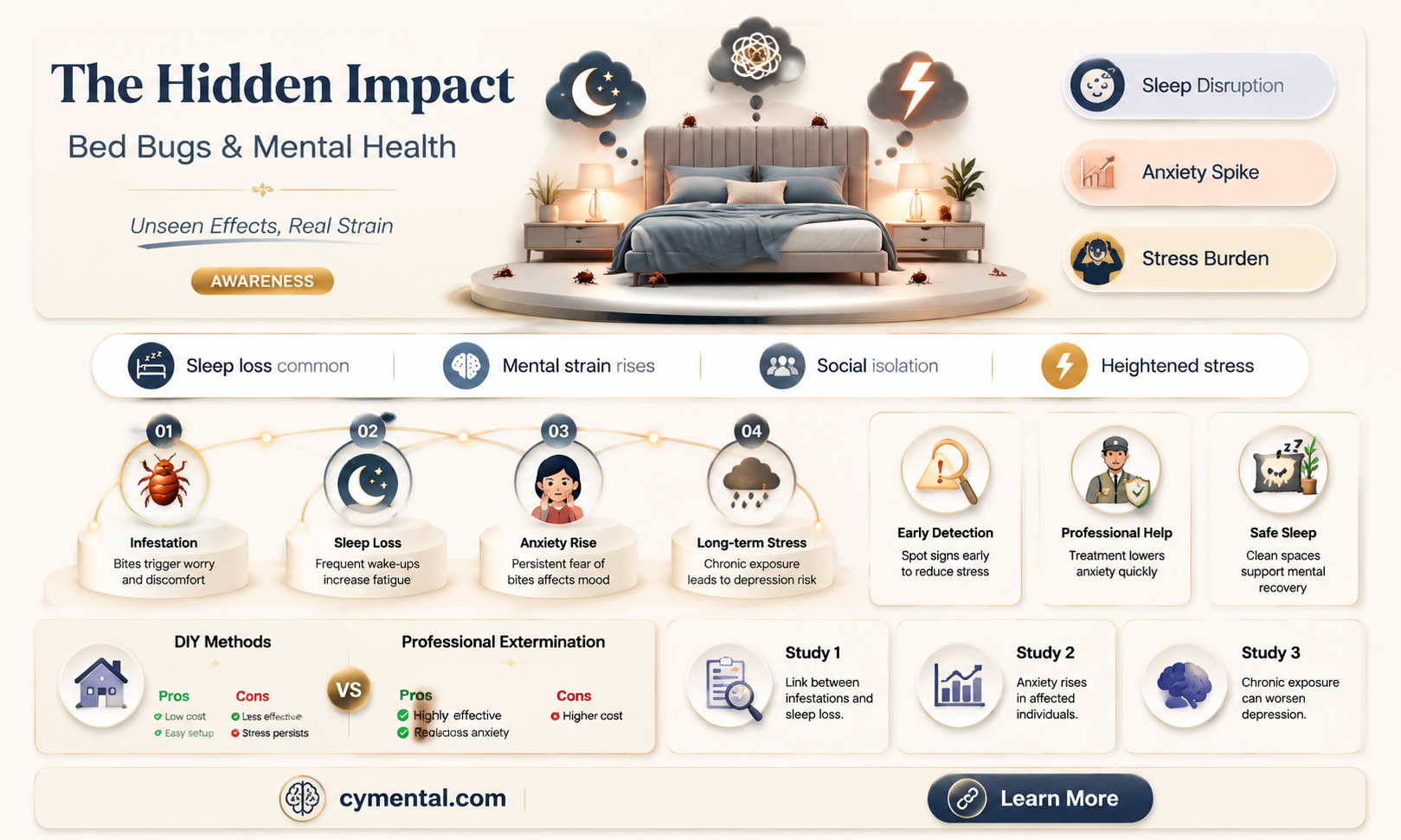
Bed bugs are small, oval-shaped insects that feed on the blood of humans and animals. While they do not fly, they can move quickly across floors, walls, and ceilings. Bed bugs are often found in homes, hotels, and other places where people sleep. They can cause a range of physical health problems, including itchy bites, skin irritation, and allergic reactions. However, the impact of bed bugs is not limited to physical health. Research has shown that bed bug infestations can also have a significant effect on mental health, leading to anxiety, depression, and even post-traumatic stress disorder (PTSD). The constant presence of these pests can cause feelings of fear, helplessness, and embarrassment, which can be particularly distressing for those who are already struggling with mental health issues. In this article, we will explore the relationship between bed bugs and mental health, and discuss strategies for coping with the emotional impact of an infestation.
Explore related products





What You'll Learn
- Anxiety and Stress: Bed bug infestations can cause significant anxiety and stress due to the constant fear of bites and sleepless nights
- Sleep Deprivation: The inability to sleep comfortably can lead to sleep deprivation, affecting overall mental well-being and cognitive function
- Paranoia and Hypervigilance: Victims may experience paranoia, constantly checking for bugs, and hypervigilance, which can be mentally exhausting
- Social Isolation: Fear of bed bugs spreading can lead to social isolation, avoiding friends and family, impacting mental health negatively
- Trauma and PTSD: In severe cases, the trauma of dealing with bed bugs can lead to symptoms of PTSD, including flashbacks and nightmares

Anxiety and Stress: Bed bug infestations can cause significant anxiety and stress due to the constant fear of bites and sleepless nights
Bed bug infestations can have a profound impact on an individual's mental health, particularly in terms of anxiety and stress. The constant fear of being bitten and the resulting sleepless nights can lead to a heightened state of alertness, making it difficult for individuals to relax and feel at ease in their own homes. This persistent anxiety can interfere with daily activities, work, and social interactions, leading to feelings of isolation and helplessness.
The psychological effects of bed bug infestations can be exacerbated by the stigma associated with having an infestation. Many people may feel embarrassed or ashamed, leading them to avoid seeking help or discussing their situation with others. This can contribute to a sense of loneliness and despair, further compounding the anxiety and stress caused by the infestation itself.
In addition to the emotional toll, bed bug infestations can also have physical consequences that contribute to anxiety and stress. The bites can cause itching, swelling, and discomfort, which can be distracting and make it difficult to focus on tasks or enjoy leisure activities. Furthermore, the lack of sleep resulting from the constant fear of being bitten can lead to fatigue, irritability, and a weakened immune system, all of which can contribute to increased anxiety and stress levels.
It is important for individuals experiencing bed bug infestations to recognize the potential impact on their mental health and seek appropriate support. This may include consulting with a pest control professional to address the infestation, as well as seeking counseling or therapy to manage the anxiety and stress associated with the situation. By taking proactive steps to address both the physical and psychological aspects of bed bug infestations, individuals can begin to regain control of their lives and reduce the negative impact on their mental health.
Exploring the Link: How Infections Can Impact Mental Health
You may want to see also
Explore related products



Sleep Deprivation: The inability to sleep comfortably can lead to sleep deprivation, affecting overall mental well-being and cognitive function
Sleep deprivation can have a profound impact on mental health, and bed bugs can be a significant contributor to this condition. When bed bugs infest a sleeping area, they can cause discomfort, anxiety, and stress, making it difficult to fall asleep and stay asleep. This can lead to chronic sleep deprivation, which has been linked to a range of mental health issues, including depression, anxiety disorders, and cognitive impairment.
One of the ways bed bugs can affect mental health is by creating a sense of unease and anxiety about sleeping. People who are infested with bed bugs may feel anxious about going to bed, fearing that they will be bitten or that the bugs will spread to other areas of their home. This anxiety can make it difficult to relax and fall asleep, leading to sleep deprivation.
Another way bed bugs can impact mental health is by disrupting the sleep cycle. Bed bugs can cause itching and discomfort, which can wake people up in the middle of the night. This disruption can lead to fragmented sleep, which is less restorative and can leave people feeling tired and groggy the next day. Over time, this can contribute to chronic sleep deprivation and its associated mental health effects.
In addition to the direct effects of bed bugs on sleep, there are also indirect effects on mental health. For example, people who are dealing with a bed bug infestation may feel stressed and overwhelmed by the need to clean and treat their home. This stress can contribute to anxiety and depression, which can further exacerbate sleep problems.
To mitigate the effects of bed bugs on mental health, it is important to take steps to prevent and treat infestations. This can include using protective covers on mattresses and pillows, vacuuming regularly, and using insecticides or other treatments as needed. It is also important to seek professional help if the infestation is severe or if it is causing significant distress.
In conclusion, bed bugs can have a significant impact on mental health by contributing to sleep deprivation and causing anxiety and stress. By taking steps to prevent and treat infestations, people can reduce the risk of these negative effects and improve their overall well-being.
The Impact of Mental and Emotional Illnesses on Social Well-being
You may want to see also
Explore related products


Paranoia and Hypervigilance: Victims may experience paranoia, constantly checking for bugs, and hypervigilance, which can be mentally exhausting
Victims of bed bug infestations often report feelings of paranoia and hypervigilance, which can significantly impact their mental health. This heightened state of alertness is a natural response to the threat of bed bugs, as individuals become acutely aware of their surroundings in an attempt to detect and avoid these pests. However, this constant vigilance can be mentally exhausting, leading to a range of negative psychological effects.
One of the primary ways in which paranoia and hypervigilance manifest in bed bug victims is through obsessive checking behaviors. Individuals may find themselves repeatedly inspecting their homes, clothes, and bodies for signs of bed bugs, even when there is no evidence of an infestation. This compulsive behavior can interfere with daily life, causing individuals to become withdrawn and isolated as they prioritize their search for bed bugs over other activities.
In addition to obsessive checking, bed bug victims may also experience heightened anxiety and stress levels. The constant fear of being bitten or infested can lead to a state of perpetual unease, making it difficult for individuals to relax or sleep. This anxiety can further exacerbate feelings of paranoia, creating a vicious cycle in which individuals become increasingly convinced that they are under threat from bed bugs.
The mental health impacts of bed bug infestations can be particularly severe for those who have experienced trauma or have pre-existing mental health conditions. For these individuals, the stress and anxiety caused by bed bugs can trigger or worsen symptoms of conditions such as post-traumatic stress disorder (PTSD), obsessive-compulsive disorder (OCD), or generalized anxiety disorder (GAD).
To mitigate the mental health effects of bed bug infestations, it is essential to address both the physical and psychological aspects of the problem. This may involve working with a pest control professional to eliminate the infestation, as well as seeking support from a mental health provider to manage feelings of anxiety, paranoia, and hypervigilance. By taking a comprehensive approach to addressing bed bug infestations, individuals can begin to regain control of their lives and improve their overall mental health and well-being.
The Impact of Social Media Addiction on Mental Health
You may want to see also
Explore related products


$11.98




Social Isolation: Fear of bed bugs spreading can lead to social isolation, avoiding friends and family, impacting mental health negatively
The fear of bed bugs spreading can lead to social isolation, causing individuals to avoid friends and family, which can negatively impact mental health. This is a significant concern, as social connections are vital for emotional well-being. When people become isolated due to the fear of bed bugs, they may experience increased anxiety, depression, and loneliness. It is essential to address this issue by providing education and support to those affected, helping them to overcome their fears and maintain social connections.
One way to address this issue is by providing accurate information about bed bugs and their transmission. Many people may not realize that bed bugs are not typically spread through casual contact, but rather through close, prolonged contact with an infested area. By understanding this, individuals may feel more comfortable interacting with others and seeking help if needed. Additionally, providing resources for mental health support, such as counseling or therapy, can help those affected by social isolation to cope with their fears and improve their overall well-being.
It is also important to consider the impact of social isolation on mental health in the context of bed bug infestations. For example, individuals who live in areas with high rates of bed bug infestations may be more likely to experience social isolation due to the fear of spreading the insects. This can lead to a sense of community disconnection and increased stress levels. Addressing this issue may involve working with local communities to develop strategies for preventing and managing bed bug infestations, as well as providing support for those affected by the fear of bed bugs.
In conclusion, the fear of bed bugs spreading can lead to social isolation, which can have a negative impact on mental health. By providing education, support, and resources for those affected, we can help to address this issue and promote emotional well-being. It is essential to consider the unique challenges faced by individuals who fear bed bugs and to develop strategies that address their specific needs.
The Emotional Toll: How Cheating Impacts a Woman's Mental Health
You may want to see also
Explore related products



Trauma and PTSD: In severe cases, the trauma of dealing with bed bugs can lead to symptoms of PTSD, including flashbacks and nightmares
In severe cases, the trauma of dealing with bed bugs can lead to symptoms of PTSD, including flashbacks and nightmares. This is particularly true for individuals who have experienced prolonged infestations or have a pre-existing mental health condition. The constant feeling of being under siege by these parasites can create a sense of helplessness and hopelessness, which are key factors in the development of PTSD.
One of the most challenging aspects of dealing with bed bugs is the feeling of isolation that often accompanies an infestation. Victims may feel embarrassed or ashamed to talk about their situation, leading to a lack of social support and understanding. This can exacerbate the psychological impact of the infestation, making it more difficult for individuals to cope with the trauma they are experiencing.
In addition to the emotional toll, bed bug infestations can also have a significant impact on an individual's daily life. The need to constantly monitor and treat the infestation can lead to sleep deprivation, which can further exacerbate symptoms of PTSD. Furthermore, the financial burden of dealing with an infestation can create additional stress and anxiety, making it even more difficult for individuals to recover from the trauma.
It is important to note that not everyone who experiences a bed bug infestation will develop PTSD. However, for those who do, it is crucial to seek professional help in order to address the underlying trauma and develop coping strategies. Cognitive behavioral therapy (CBT) and exposure therapy are two effective treatments for PTSD, and they can be particularly helpful for individuals dealing with the aftermath of a bed bug infestation.
In conclusion, while bed bug infestations are often thought of as a nuisance, they can have a significant impact on an individual's mental health. In severe cases, the trauma of dealing with bed bugs can lead to symptoms of PTSD, including flashbacks and nightmares. It is important to recognize the potential psychological impact of bed bug infestations and to seek help if needed. With the right support and treatment, individuals can learn to cope with the trauma and move forward with their lives.
The Dark Side of Sports: Unveiling Mental Health Challenges
You may want to see also
Frequently asked questions
While bed bugs themselves do not directly cause mental health issues, the stress and anxiety associated with dealing with an infestation can contribute to mental health problems.
People dealing with bed bugs may experience anxiety, stress, insomnia, and in some cases, depression due to the discomfort and disruption caused by the infestation.
The presence of bed bugs can significantly impact a person's quality of life by causing physical discomfort, disrupting sleep patterns, and leading to feelings of embarrassment and social isolation.
While the mental health effects of bed bug infestations are typically temporary, in some cases, they can persist and lead to long-term anxiety or stress-related disorders.
To mitigate the mental health impact of bed bugs, it is important to seek professional help for the infestation, practice good sleep hygiene, and engage in stress-reducing activities such as exercise or meditation.