Harper Lewis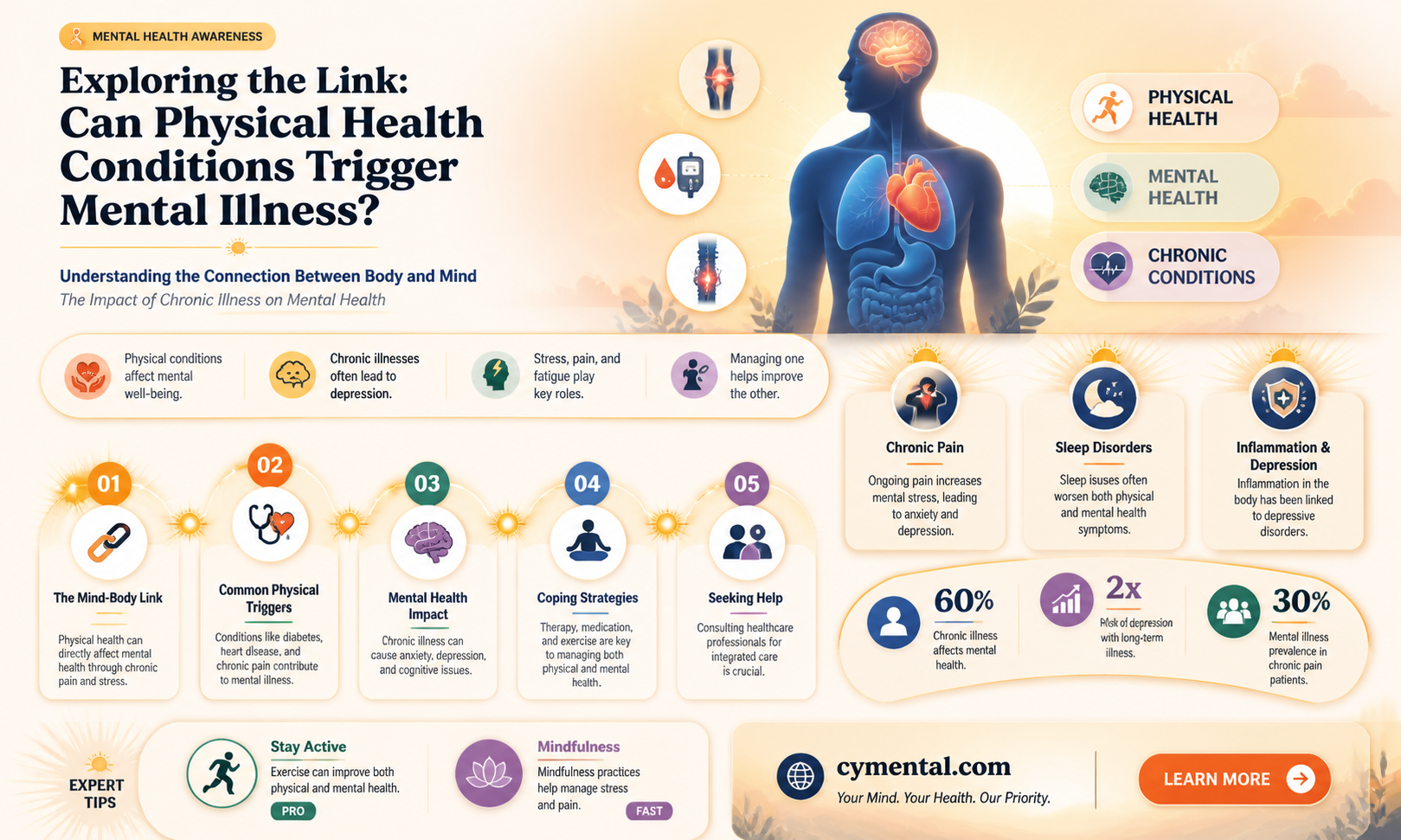
The relationship between medical conditions and mental illness is a complex and multifaceted topic that has garnered significant attention in the field of healthcare. While mental illnesses are often thought of as being purely psychological, research has shown that underlying medical conditions can play a substantial role in their development or exacerbation. This connection can manifest in various ways, such as through the psychological impact of chronic pain, the neurological effects of certain diseases, or the emotional toll of life-threatening conditions. Understanding this interplay is crucial for providing comprehensive care that addresses both the physical and mental well-being of patients. By exploring the potential links between medical conditions and mental illness, healthcare professionals can develop more effective treatment strategies and improve overall patient outcomes.
| Characteristics | Values |
|---|---|
| Definition | A medical condition causing mental illness refers to a scenario where a physical health issue directly contributes to the development or exacerbation of a mental health disorder. |
| Examples | - Autoimmune disorders like lupus can cause depression and anxiety. - Neurological conditions such as Parkinson's disease may lead to depression and cognitive impairment. - Chronic pain conditions can contribute to depression and anxiety disorders. |
| Prevalence | It's estimated that about 1 in 4 individuals with chronic medical conditions also suffer from a mental illness. |
| Risk Factors | - Chronic illness - Severe pain - Neurological disorders - Autoimmune diseases - Genetic predisposition |
| Symptoms | Symptoms vary depending on the specific mental illness but may include persistent sadness, anxiety, mood swings, cognitive difficulties, and changes in behavior. |
| Diagnosis | Diagnosis involves a comprehensive evaluation by a healthcare provider, including a review of medical history, physical examination, and possibly psychological assessments. |
| Treatment | Treatment often involves a combination of medication, psychotherapy, and lifestyle changes. Addressing the underlying medical condition is crucial. |
| Prognosis | The prognosis depends on the specific medical condition and mental illness. With appropriate treatment, many individuals can manage their symptoms effectively. |
| Prevention | While not all cases can be prevented, managing chronic medical conditions, seeking early treatment for mental health symptoms, and maintaining a healthy lifestyle can reduce the risk. |
| Research | Ongoing research aims to better understand the complex relationship between medical conditions and mental illness, with a focus on developing more effective treatment strategies. |
| Support | Support groups and resources are available for individuals dealing with mental illness related to medical conditions, offering a platform for sharing experiences and finding assistance. |
| Impact on Quality of Life | The impact on quality of life can be significant, affecting daily functioning, relationships, and overall well-being. However, with proper management, many individuals can lead fulfilling lives. |
Explore related products


What You'll Learn
- Neurological Disorders: Conditions like epilepsy, multiple sclerosis, and Parkinson's disease can lead to mental health issues
- Chronic Illness: Long-term health problems such as diabetes, heart disease, and cancer may contribute to depression and anxiety
- Infections and Inflammation: Certain infections and inflammatory conditions can trigger psychiatric symptoms, including depression and psychosis
- Hormonal Imbalances: Thyroid disorders, adrenal insufficiency, and other hormonal imbalances can affect mood and cognitive function
- Nutritional Deficiencies: Lack of essential nutrients like vitamin B12, iron, and omega-3 fatty acids can impact mental health

Neurological Disorders: Conditions like epilepsy, multiple sclerosis, and Parkinson's disease can lead to mental health issues
Neurological disorders such as epilepsy, multiple sclerosis, and Parkinson's disease are primarily recognized for their physical manifestations. However, they can also significantly impact mental health, leading to a range of psychological issues. This connection is often overlooked, but understanding it is crucial for comprehensive patient care.
Epilepsy, characterized by recurrent seizures, can lead to anxiety and depression. The unpredictability of seizures can cause constant fear and stress, affecting daily life and overall well-being. Moreover, the social stigma associated with epilepsy can contribute to feelings of isolation and low self-esteem.
Multiple sclerosis (MS) is another neurological condition that can have profound mental health implications. MS is an autoimmune disease that affects the central nervous system, leading to symptoms such as fatigue, pain, and mobility issues. These physical challenges can result in depression, anxiety, and cognitive impairment. The uncertainty and unpredictability of MS progression can also cause significant psychological distress.
Parkinson's disease, known for its motor symptoms like tremors and rigidity, can also lead to mental health issues. Depression is common in Parkinson's patients, often due to the loss of independence and the impact of symptoms on daily activities. Additionally, Parkinson's can cause cognitive decline, which may lead to dementia in advanced stages.
The interplay between neurological disorders and mental health is complex. Neurotransmitter imbalances, inflammation, and the psychological impact of chronic illness all play a role. Treatment for these conditions often involves a multidisciplinary approach, including medication, therapy, and lifestyle modifications.
In conclusion, recognizing the mental health implications of neurological disorders is essential for providing holistic care. By addressing both the physical and psychological aspects of these conditions, healthcare providers can improve patients' quality of life and overall well-being.
The Impact of Toxic Relationships on Mental Health: Unraveling the Connection
You may want to see also
Explore related products

$19.99 $8.99


Chronic Illness: Long-term health problems such as diabetes, heart disease, and cancer may contribute to depression and anxiety
Chronic illnesses such as diabetes, heart disease, and cancer can significantly impact a person's mental health, often leading to conditions like depression and anxiety. This connection is multifaceted, involving both the physical and emotional toll of managing a long-term health problem. For instance, the constant monitoring and treatment required for diabetes can lead to feelings of overwhelm and hopelessness, while the pain and uncertainty associated with cancer can foster anxiety and depression.
The psychological impact of chronic illness is further compounded by the social and economic challenges it presents. Patients may face financial strain due to medical expenses, loss of income, or reduced ability to work. Social isolation can also occur as individuals may withdraw from friends and family due to their condition, leading to increased feelings of loneliness and despair. Moreover, the stigma associated with certain chronic illnesses can contribute to low self-esteem and a sense of shame, exacerbating mental health issues.
Research has shown that the relationship between chronic illness and mental health is bidirectional. Not only can chronic illnesses contribute to the development of mental health conditions, but mental health issues can also worsen the symptoms and prognosis of chronic illnesses. For example, depression can lead to poor adherence to treatment regimens, increased pain perception, and a weakened immune system, all of which can negatively impact the management of chronic conditions.
Given the complex interplay between chronic illness and mental health, it is crucial for healthcare providers to adopt a holistic approach to patient care. This includes screening for mental health conditions in patients with chronic illnesses, providing psychological support and counseling, and integrating mental health services into chronic disease management programs. By addressing the mental health needs of patients with chronic illnesses, healthcare providers can improve overall health outcomes and enhance the quality of life for these individuals.
In conclusion, chronic illnesses can have a profound impact on mental health, leading to conditions such as depression and anxiety. The physical, emotional, social, and economic challenges associated with chronic illness contribute to this connection, creating a cycle that can worsen both mental and physical health. Recognizing and addressing the mental health needs of patients with chronic illnesses is essential for providing comprehensive and effective care.
Exploring the Link: Mental Health and Swollen Lymph Nodes
You may want to see also
Explore related products


$19.99 $19.99


Infections and Inflammation: Certain infections and inflammatory conditions can trigger psychiatric symptoms, including depression and psychosis
Infections and inflammation can have a profound impact on mental health, often leading to psychiatric symptoms such as depression and psychosis. This connection is rooted in the body's immune response, which can affect brain function and mood regulation. For instance, cytokines, which are proteins released during inflammation, have been shown to influence neurotransmitter activity and can lead to symptoms of depression.
One specific example of this phenomenon is seen in autoimmune disorders, where the body's immune system mistakenly attacks its own tissues. Conditions like lupus and rheumatoid arthritis are known to have a high prevalence of depression and anxiety. This is not only due to the physical symptoms of the disease but also the underlying inflammatory processes that can disrupt normal brain function.
Infections, particularly those that affect the central nervous system, can also trigger psychiatric symptoms. Encephalitis, an inflammation of the brain, can lead to a range of mental health issues, including mood swings, anxiety, and even psychosis. Similarly, Lyme disease, a bacterial infection transmitted by ticks, has been linked to depression and cognitive impairment in some cases.
The relationship between infections, inflammation, and mental illness is complex and not fully understood. However, research suggests that early detection and treatment of infections and inflammatory conditions may help prevent or mitigate the development of psychiatric symptoms. This highlights the importance of a holistic approach to healthcare, where physical and mental health are considered interconnected.
In conclusion, the link between infections, inflammation, and mental illness underscores the need for further research and a more integrated approach to patient care. By understanding and addressing the underlying physical causes of psychiatric symptoms, we may be able to improve outcomes for individuals suffering from these conditions.
Exploring the Link: Chest Infections and Mental Confusion
You may want to see also
Explore related products


Hormonal Imbalances: Thyroid disorders, adrenal insufficiency, and other hormonal imbalances can affect mood and cognitive function
Hormonal imbalances can significantly impact mental health, often leading to symptoms that are mistakenly attributed to psychological causes. Thyroid disorders, for instance, are a common endocrine condition that can manifest as mood swings, anxiety, and depression. An overactive thyroid (hyperthyroidism) can cause restlessness, irritability, and insomnia, while an underactive thyroid (hypothyroidism) may lead to fatigue, sadness, and cognitive impairment. These symptoms can be so severe that they interfere with daily functioning and overall quality of life.
Adrenal insufficiency is another hormonal imbalance that can affect mental well-being. The adrenal glands produce cortisol, a hormone essential for managing stress. When cortisol levels are too low, individuals may experience chronic fatigue, brain fog, and an inability to cope with stress. This can result in anxiety, depression, and even psychosis in severe cases. Other hormonal imbalances, such as those involving the pituitary gland or the ovaries, can also lead to mood disorders and cognitive dysfunction.
Diagnosing hormonal imbalances often requires a combination of medical history, physical examination, and laboratory tests. Blood tests can measure hormone levels and identify deficiencies or excesses. In some cases, imaging studies may be necessary to visualize the affected glands. Treatment typically involves hormone replacement therapy or medications that regulate hormone production. Lifestyle changes, such as diet and exercise, can also play a role in managing symptoms and improving overall health.
It is crucial for healthcare providers to consider hormonal imbalances when evaluating patients with mental health symptoms. Misdiagnosis can lead to ineffective treatments and prolonged suffering. By recognizing the connection between hormonal health and mental well-being, clinicians can provide more accurate diagnoses and effective interventions, ultimately improving patient outcomes.
In conclusion, hormonal imbalances can have a profound impact on mental health, and it is essential to address these underlying medical conditions to effectively treat mental illness. By understanding the complex interplay between hormones and mental health, healthcare providers can offer more comprehensive and effective care to their patients.
Exploring the Root Causes: A Comprehensive Analysis
You may want to see also
Explore related products




Nutritional Deficiencies: Lack of essential nutrients like vitamin B12, iron, and omega-3 fatty acids can impact mental health
Nutritional deficiencies can have a profound impact on mental health, often overlooked in the broader discussion of medical conditions causing mental illness. Specifically, deficiencies in vitamin B12, iron, and omega-3 fatty acids have been linked to various mental health issues. Vitamin B12 is crucial for the production of red blood cells and the maintenance of the nervous system. A deficiency in this vitamin can lead to symptoms such as fatigue, weakness, and even depression and anxiety. Iron, another essential nutrient, plays a vital role in the production of hemoglobin, which carries oxygen to the brain. Low iron levels can result in cognitive impairment, mood swings, and increased risk of depression. Omega-3 fatty acids, particularly EPA and DHA, are important for brain function and have been shown to reduce symptoms of depression and anxiety.
The connection between these nutritional deficiencies and mental health is complex. For instance, vitamin B12 deficiency can lead to elevated levels of homocysteine, an amino acid that has been associated with depression. Iron deficiency can impair the function of neurotransmitters like serotonin and dopamine, which are key players in mood regulation. Omega-3 fatty acids, on the other hand, have anti-inflammatory properties that can help reduce the risk of depression.
It's important to note that while these nutritional deficiencies can impact mental health, they are not the sole cause of mental illness. Mental health is influenced by a multitude of factors, including genetics, environment, and life experiences. However, addressing these nutritional deficiencies can be a crucial step in managing and improving mental health.
In terms of practical steps, individuals can take measures to ensure they are getting adequate amounts of these nutrients through their diet. Foods rich in vitamin B12 include meat, fish, eggs, and dairy products. Iron can be found in foods like red meat, poultry, fish, beans, and leafy green vegetables. Omega-3 fatty acids are abundant in fatty fish, flaxseeds, chia seeds, and walnuts. In some cases, supplements may be necessary to address deficiencies, but it's always best to consult with a healthcare provider before starting any new supplement regimen.
In conclusion, while nutritional deficiencies are not the only factor contributing to mental illness, they can play a significant role. By understanding the impact of these deficiencies and taking steps to address them, individuals can potentially improve their mental health outcomes. It's a reminder that mental health is not just about the mind, but also about the body and the nutrients that support its function.
Exploring the Link: Brain Aneurysms and Mental Health
You may want to see also
Frequently asked questions
Yes, certain medical conditions can contribute to the development of mental illness. For example, chronic illnesses like diabetes, heart disease, and cancer can lead to depression and anxiety due to the stress and uncertainty they bring. Additionally, neurological conditions such as epilepsy, multiple sclerosis, and Parkinson's disease can also affect mental health.
Common mental health symptoms that may arise from medical conditions include persistent feelings of sadness or hopelessness, anxiety, irritability, difficulty concentrating, changes in appetite or sleep patterns, and a general decline in interest in activities once enjoyed. These symptoms can vary depending on the specific medical condition and its impact on the individual's life.
Healthcare providers can address mental health concerns in patients with medical conditions by conducting regular screenings for mental health symptoms, providing referrals to mental health professionals when necessary, and incorporating mental health support into the overall treatment plan. Additionally, promoting a holistic approach to care that considers the patient's physical, emotional, and social well-being can help improve outcomes and quality of life.