Caleb Wright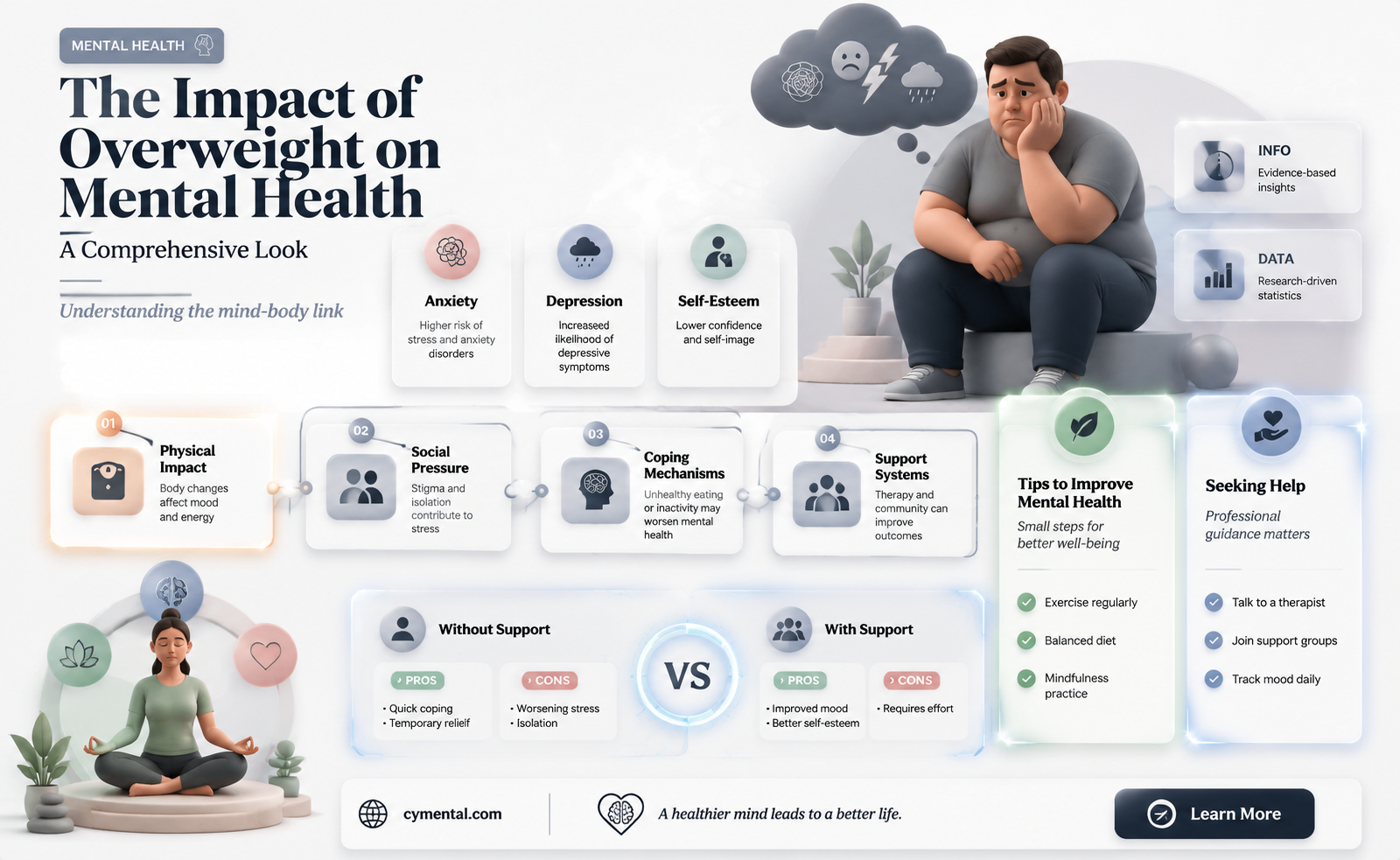
Being overweight can have significant implications for mental health. Research has shown that individuals who are overweight or obese are at a higher risk of developing mental health conditions such as depression, anxiety, and low self-esteem. These conditions can be exacerbated by societal stigma and discrimination against overweight individuals, leading to social isolation and reduced quality of life. Furthermore, the physical health consequences of being overweight, such as diabetes and heart disease, can also contribute to mental health issues. It is important to approach this topic with sensitivity and understanding, recognizing that weight is a complex issue influenced by a variety of factors including genetics, lifestyle, and environment.
Explore related products


What You'll Learn
- Social Stigma and Isolation: Overweight individuals may face discrimination, leading to social withdrawal and loneliness
- Self-Esteem and Body Image: Negative perceptions of body image can result in low self-esteem and confidence
- Depression and Anxiety: Being overweight is linked to higher rates of depression and anxiety disorders
- Stress and Emotional Eating: Stress can trigger emotional eating, contributing to weight gain and mental health issues
- Cognitive Function and Dementia: Research suggests a connection between being overweight and cognitive decline, including dementia risk

Social Stigma and Isolation: Overweight individuals may face discrimination, leading to social withdrawal and loneliness
Social stigma and isolation can significantly impact the mental health of overweight individuals. Discrimination based on body weight can lead to feelings of shame, guilt, and low self-esteem, which in turn can contribute to social withdrawal and loneliness. This can create a vicious cycle where the individual feels increasingly isolated, leading to further negative impacts on their mental well-being.
One of the key ways in which social stigma affects overweight individuals is through the internalization of negative stereotypes. When people are constantly bombarded with messages that being overweight is unhealthy and unattractive, they may begin to believe these messages and apply them to themselves. This can lead to a negative self-image and a lack of confidence, which can make it difficult for individuals to engage in social activities and form meaningful relationships.
Another way in which social stigma can impact mental health is through the fear of judgment and rejection. Overweight individuals may avoid social situations because they fear being judged or rejected based on their weight. This fear can be particularly pronounced in situations where appearance is considered important, such as dating or job interviews. As a result, overweight individuals may miss out on opportunities for social connection and professional advancement, leading to feelings of loneliness and isolation.
The effects of social stigma and isolation can be particularly pronounced for children and adolescents who are overweight. These individuals may face bullying and teasing from their peers, which can lead to long-lasting emotional scars. Additionally, overweight children may be more likely to experience social exclusion and rejection, which can impact their ability to form friendships and develop social skills.
To combat the negative effects of social stigma and isolation, it is important to promote a culture of acceptance and inclusivity. This can be done through education and awareness campaigns that challenge negative stereotypes and promote a more positive view of body diversity. Additionally, providing support and resources for overweight individuals can help them to build resilience and cope with the challenges of social stigma.
In conclusion, social stigma and isolation can have a profound impact on the mental health of overweight individuals. By promoting a culture of acceptance and inclusivity, and providing support and resources for those affected, we can help to mitigate these negative effects and create a more supportive and understanding society for all individuals, regardless of their body weight.
The Impact of Fast Food on Mental Health: A Comprehensive Look
You may want to see also
Explore related products


Self-Esteem and Body Image: Negative perceptions of body image can result in low self-esteem and confidence
Negative perceptions of body image can significantly impact an individual's self-esteem and confidence. This is particularly true for those who are overweight, as societal standards often equate thinness with beauty and success. The constant bombardment of unrealistic beauty ideals through media and social platforms can lead to a distorted self-image, causing individuals to feel inadequate and insecure about their bodies.
Research has shown that low self-esteem is a common consequence of negative body image. When individuals perceive themselves as not meeting societal beauty standards, they may experience feelings of shame, guilt, and self-disgust. These negative emotions can erode self-confidence, making it difficult for individuals to assert themselves, take risks, or pursue their goals. In extreme cases, low self-esteem can contribute to the development of mental health disorders such as depression and anxiety.
The impact of negative body image on self-esteem can be particularly pronounced during adolescence, a time when individuals are highly susceptible to peer pressure and societal influences. Overweight adolescents may face bullying and teasing, which can further exacerbate their negative self-perceptions. This can lead to a vicious cycle of low self-esteem, social withdrawal, and further weight gain due to emotional eating.
Breaking free from the cycle of negative body image and low self-esteem requires a multifaceted approach. Cognitive-behavioral therapy (CBT) can be an effective tool in helping individuals challenge and reframe their negative self-perceptions. Additionally, promoting body positivity and self-acceptance through education and media representation can help to counteract the harmful effects of societal beauty standards. Encouraging healthy lifestyle habits, such as regular exercise and balanced nutrition, can also contribute to improved self-esteem and overall well-being.
In conclusion, the relationship between body image and self-esteem is complex and multifaceted. Addressing negative body image perceptions is crucial in promoting mental health and well-being, particularly for those who are overweight. By fostering a more positive and accepting attitude towards body image, individuals can begin to rebuild their self-esteem and confidence, leading to a more fulfilling and empowered life.
Boosting Mental Health: The Positive Power of Social Media
You may want to see also
Explore related products


Depression and Anxiety: Being overweight is linked to higher rates of depression and anxiety disorders
Research has consistently shown a correlation between being overweight and an increased risk of developing depression and anxiety disorders. This connection is multifaceted, involving both biological and psychological factors. From a biological standpoint, excess body weight can lead to chronic inflammation, which has been implicated in the development of depressive symptoms. Additionally, hormonal imbalances associated with obesity, such as insulin resistance and leptin deficiency, can disrupt mood regulation and contribute to anxiety.
Psychologically, the stigma and discrimination faced by overweight individuals can lead to low self-esteem, social isolation, and a heightened sense of stress, all of which are known risk factors for depression and anxiety. Furthermore, the pressure to conform to societal beauty standards can result in body dissatisfaction and disordered eating behaviors, which can exacerbate mental health issues.
It is important to note that the relationship between weight and mental health is complex and bidirectional. While being overweight can contribute to the development of depression and anxiety, these mental health conditions can also lead to weight gain due to changes in appetite, metabolism, and physical activity levels. Therefore, a comprehensive approach to addressing both weight management and mental health is crucial for individuals struggling with these interconnected issues.
In terms of practical strategies, cognitive-behavioral therapy (CBT) has been shown to be effective in treating both depression and anxiety, as well as promoting healthy weight management. CBT helps individuals identify and challenge negative thought patterns, develop coping mechanisms for stress, and set realistic goals for behavior change. Additionally, lifestyle modifications such as regular exercise, a balanced diet, and adequate sleep can have a positive impact on both mental health and weight management.
Ultimately, it is essential to approach the topic of weight and mental health with sensitivity and understanding, recognizing that individuals face unique challenges and require personalized support. By addressing the complex interplay between physical and psychological factors, we can work towards promoting overall well-being and reducing the stigma associated with both obesity and mental health disorders.
The Silent Struggle: Loneliness and Its Impact on Mental Health
You may want to see also
Explore related products

$11.99 $8.99


$16.97 $19.99



Stress and Emotional Eating: Stress can trigger emotional eating, contributing to weight gain and mental health issues
Chronic stress can lead to a cascade of hormonal changes in the body, one of the most significant being the increase in cortisol levels. Cortisol, often referred to as the "stress hormone," plays a crucial role in the body's fight-or-flight response. However, when cortisol levels remain elevated over time, it can disrupt various bodily functions, including appetite regulation. This disruption can lead to emotional eating, where individuals turn to food as a coping mechanism for stress, anxiety, or other emotional states. Emotional eating often results in the consumption of high-calorie, high-fat foods, which can contribute to weight gain and obesity.
The relationship between stress, emotional eating, and weight gain is complex and multifaceted. Stress can affect the hypothalamic-pituitary-adrenal (HPA) axis, which is responsible for regulating appetite and metabolism. When the HPA axis is dysregulated due to chronic stress, it can lead to increased hunger and cravings for unhealthy foods. Additionally, stress can impair the body's ability to metabolize fat efficiently, further contributing to weight gain. The emotional toll of stress can also lead to a decrease in physical activity, as individuals may feel too overwhelmed or fatigued to engage in exercise, exacerbating the weight gain cycle.
Emotional eating can have significant mental health implications as well. The guilt and shame associated with overeating or consuming unhealthy foods can lead to negative self-talk and a diminished sense of self-worth. This can contribute to the development of mental health disorders such as depression and anxiety. Furthermore, the cycle of emotional eating and weight gain can create a sense of hopelessness and helplessness, as individuals may feel trapped in a vicious cycle of stress, eating, and weight gain.
Breaking the cycle of stress and emotional eating requires a multifaceted approach. Stress management techniques such as mindfulness meditation, deep breathing exercises, and physical activity can help to reduce cortisol levels and improve mood. Cognitive-behavioral therapy (CBT) can be effective in addressing the underlying emotional and psychological factors that contribute to emotional eating. Additionally, adopting a balanced and nutritious diet can help to regulate appetite and metabolism, reducing the likelihood of emotional eating episodes.
In conclusion, the interplay between stress, emotional eating, and weight gain is a significant factor in the complex relationship between being overweight and mental health. Addressing this issue requires a comprehensive approach that targets both the physical and emotional aspects of stress and emotional eating. By implementing stress management techniques, seeking professional help, and adopting healthy lifestyle habits, individuals can break the cycle of stress and emotional eating, leading to improved mental health and overall well-being.
Unveiling the Mental Impact: A Deep Dive into Depressants' Effects
You may want to see also
Explore related products


Cognitive Function and Dementia: Research suggests a connection between being overweight and cognitive decline, including dementia risk
Recent studies have uncovered a concerning link between excess body weight and cognitive decline, including an increased risk of dementia. This connection is not merely correlational; researchers are increasingly convinced that being overweight can directly impact brain health and function. The mechanisms behind this relationship are multifaceted, involving factors such as inflammation, insulin resistance, and vascular changes, all of which can contribute to the development of cognitive impairments.
One key area of investigation is the role of adipose tissue in cognitive function. Adipose tissue, particularly when it accumulates around the abdomen, is known to produce inflammatory cytokines that can cross the blood-brain barrier and affect brain cells. This chronic inflammation can lead to oxidative stress and damage to neural structures, potentially accelerating cognitive decline. Furthermore, adipose tissue can also influence insulin sensitivity, and insulin resistance has been implicated in the pathogenesis of Alzheimer's disease, the most common form of dementia.
Another critical factor is the impact of being overweight on cardiovascular health. Vascular changes associated with obesity, such as hypertension and atherosclerosis, can compromise blood flow to the brain, leading to ischemia and subsequent cognitive deficits. Reduced cerebral perfusion can impair memory, attention, and executive functions, all of which are essential for maintaining cognitive health.
While the exact nature of the relationship between being overweight and cognitive decline is still under investigation, the evidence suggests that maintaining a healthy weight is crucial for preserving cognitive function. Lifestyle interventions, including diet and exercise, have shown promise in mitigating the cognitive effects of being overweight. For instance, a Mediterranean diet rich in fruits, vegetables, whole grains, and healthy fats has been associated with a reduced risk of cognitive decline. Similarly, regular physical activity can improve cardiovascular health, reduce inflammation, and promote neurogenesis, all of which can help maintain cognitive function.
In conclusion, the connection between being overweight and cognitive decline, including dementia risk, is a complex and multifaceted issue. However, the emerging evidence underscores the importance of addressing obesity as a potential risk factor for cognitive impairments. By adopting healthy lifestyle habits, individuals can not only improve their physical health but also support their cognitive well-being.
Unveiling the Impact: Alcohol's Effects on Mental Health Explored
You may want to see also
Frequently asked questions
Yes, being overweight can affect mental health. Research has shown that obesity is linked to an increased risk of developing mental health conditions such as depression, anxiety, and bipolar disorder.
Being overweight can impact mental health in several ways. It can lead to social isolation, low self-esteem, and body dissatisfaction, which can contribute to the development of mental health conditions. Additionally, obesity is associated with chronic inflammation, which can negatively affect brain function and mood.
Some potential consequences of being overweight on mental health include an increased risk of developing depression, anxiety, bipolar disorder, and other mental health conditions. Obesity can also lead to social isolation, low self-esteem, and body dissatisfaction, which can further exacerbate mental health issues.
Addressing the mental health impacts of being overweight often involves a multifaceted approach. This can include lifestyle changes such as diet and exercise, as well as seeking support from mental health professionals. Cognitive-behavioral therapy (CBT) and other forms of psychotherapy can be helpful in addressing the underlying psychological factors that contribute to obesity and mental health issues. In some cases, medication may also be prescribed to help manage mental health symptoms.