Lucas Bennett
Benadryl, a widely used antihistamine medication, has been a subject of interest in the medical community due to its potential effects on mental health. While primarily used to treat allergies, its active ingredient, diphenhydramine, can cross the blood-brain barrier and interact with neurotransmitters, leading to various central nervous system effects. Research suggests that long-term use or high doses of Benadryl may be associated with an increased risk of cognitive impairment, particularly in older adults. Additionally, some studies have indicated a potential link between antihistamine use and the development of dementia. However, it is essential to note that these findings are not conclusive, and more research is needed to fully understand the relationship between Benadryl and mental health issues. As with any medication, it is crucial to consult with a healthcare professional before use, especially if there are concerns about potential side effects or interactions with other medications.
Explore related products


What You'll Learn
- Potential side effects of Benadryl on cognitive function and mental health
- Research findings on Benadryl's impact on anxiety and depression
- Benadryl's role in sleep disorders and its effects on mental well-being
- Can Benadryl addiction lead to psychological issues?
- Interactions between Benadryl and other medications affecting mental health

Potential side effects of Benadryl on cognitive function and mental health
Benadryl, an over-the-counter antihistamine, is commonly used to treat allergies and insomnia. However, its impact on cognitive function and mental health is a growing concern. Research suggests that long-term use of Benadryl may lead to cognitive impairment, particularly in older adults. This is because Benadryl crosses the blood-brain barrier and can cause drowsiness, confusion, and memory problems. In some cases, it may even contribute to the development of dementia.
In addition to cognitive impairment, Benadryl may also affect mental health. Some users report experiencing anxiety, depression, and mood swings while taking the medication. These side effects are more likely to occur in individuals with a history of mental health issues or those who take Benadryl for extended periods. It's important to note that the risk of these side effects increases with higher doses and prolonged use.
One of the challenges in studying the potential side effects of Benadryl on cognitive function and mental health is that many users take the medication for short periods, making it difficult to track long-term effects. Additionally, Benadryl is often used in combination with other medications, which can complicate the analysis of its specific impact. Despite these challenges, several studies have raised concerns about the safety of Benadryl, particularly in vulnerable populations such as older adults and individuals with pre-existing mental health conditions.
If you're concerned about the potential side effects of Benadryl on cognitive function and mental health, it's important to talk to your healthcare provider. They can help you weigh the benefits and risks of the medication and explore alternative treatments if necessary. In some cases, lifestyle changes or other medications may be more effective and safer options for managing allergies or insomnia.
In conclusion, while Benadryl can be an effective treatment for allergies and insomnia, its potential side effects on cognitive function and mental health should not be overlooked. It's crucial to use the medication as directed and to consult with a healthcare provider if you experience any concerning side effects. By being aware of the risks and taking appropriate precautions, you can minimize the potential negative impact of Benadryl on your cognitive function and mental health.
Exploring the Link Between Mental Health Crises and Memory Loss
You may want to see also
Explore related products

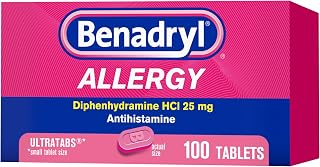


Research findings on Benadryl's impact on anxiety and depression
Recent research has delved into the potential psychological effects of Benadryl, a commonly used antihistamine. Studies have indicated that while Benadryl can be effective in treating allergy symptoms, it may also have an impact on mental health, particularly anxiety and depression. One study published in the Journal of Clinical Psychopharmacology found that patients taking Benadryl experienced increased anxiety levels compared to those on a placebo. Another study in the British Journal of Clinical Pharmacology suggested that Benadryl could exacerbate symptoms of depression in some individuals.
The mechanism behind these effects is believed to be related to the drug's impact on neurotransmitters in the brain. Benadryl contains an active ingredient called diphenhydramine, which is known to affect the levels of serotonin and norepinephrine, neurotransmitters that play a crucial role in regulating mood. An imbalance in these neurotransmitters can contribute to the development of anxiety and depressive disorders.
It is important to note that these findings do not necessarily mean that Benadryl is unsafe for everyone. The impact of the drug on mental health appears to be relatively rare and may depend on individual factors such as dosage, duration of use, and personal predisposition to mental health issues. However, these research findings do suggest that individuals should be cautious when using Benadryl and should consult with a healthcare professional if they experience any concerning psychological symptoms.
In conclusion, while Benadryl can be an effective treatment for allergy symptoms, recent research has highlighted the potential for it to impact mental health, particularly anxiety and depression. Individuals should be aware of these risks and should use the medication as directed by a healthcare professional. Further research is needed to fully understand the relationship between Benadryl and mental health and to develop guidelines for safe and effective use of the medication.
Exploring the Link: Bladder Infections and Mental Confusion
You may want to see also
Explore related products


Benadryl's role in sleep disorders and its effects on mental well-being
Benadryl, an over-the-counter antihistamine, is commonly used to treat allergies and, in some cases, as a sleep aid due to its sedative properties. However, its role in sleep disorders and its effects on mental well-being are complex and multifaceted. While it may provide short-term relief for insomnia, prolonged use can lead to dependency and disrupt the body's natural sleep patterns. This disruption can manifest as rebound insomnia, where sleep difficulties return once the medication is stopped, potentially leading to a vicious cycle of reliance on the drug.
Moreover, Benadryl's impact on mental health is a growing concern. Research suggests that long-term use of antihistamines like Benadryl may be associated with an increased risk of cognitive decline and dementia, particularly in older adults. The drug's anticholinergic properties, which help to dry up mucus and alleviate allergy symptoms, can also affect neurotransmitters in the brain, potentially leading to confusion, memory problems, and other cognitive issues. These effects are particularly concerning given the rising prevalence of sleep disorders and the increasing reliance on over-the-counter medications for sleep.
It is crucial for individuals using Benadryl for sleep to be aware of these potential risks and to consult with a healthcare professional if they experience any adverse effects. Healthcare providers can offer alternative sleep aids and strategies that may be more effective and safer in the long term. Additionally, lifestyle changes such as maintaining a consistent sleep schedule, creating a relaxing bedtime routine, and avoiding caffeine and electronics before bedtime can help improve sleep quality without the need for medication.
In conclusion, while Benadryl may provide temporary relief for sleep disorders, its potential effects on mental well-being and the risk of dependency make it a less-than-ideal long-term solution. It is essential for individuals to weigh the benefits and risks of using Benadryl for sleep and to explore alternative options that can promote better sleep hygiene and overall mental health.
Unraveling the Link: Abuse and Its Impact on Mental Health
You may want to see also
Explore related products


Can Benadryl addiction lead to psychological issues?
Benadryl addiction can indeed lead to psychological issues, and it's crucial to understand the underlying mechanisms. When individuals misuse Benadryl, they may experience a range of psychological effects, including anxiety, depression, and even psychosis. These issues can arise due to the drug's impact on the central nervous system, particularly its effects on neurotransmitters like serotonin and dopamine. Over time, the brain can become dependent on the drug, leading to a disruption in normal brain function and the development of psychological problems.
One of the primary concerns with Benadryl addiction is the potential for it to exacerbate existing mental health conditions. For example, individuals with a history of anxiety or depression may find that their symptoms worsen with prolonged Benadryl use. Additionally, the drug's anticholinergic properties can lead to cognitive impairment, memory problems, and confusion, which can further contribute to psychological distress.
It's also important to note that Benadryl addiction can lead to a range of behavioral changes. Individuals may become more irritable, agitated, and withdrawn, which can negatively impact their relationships and overall quality of life. In some cases, people may even experience hallucinations or delusions, which can be particularly distressing and disruptive.
To mitigate the psychological risks associated with Benadryl addiction, it's essential to seek professional help. Treatment may involve a combination of medication, therapy, and support groups to help individuals overcome their addiction and manage any underlying mental health conditions. With the right support, it is possible to recover from Benadryl addiction and regain a sense of psychological well-being.
Exploring the Link: Mental Breakdown and Dementia Risk
You may want to see also
Explore related products


Interactions between Benadryl and other medications affecting mental health
Benadryl, an over-the-counter antihistamine, is commonly used to treat allergies and insomnia. However, its interaction with other medications, particularly those affecting mental health, can lead to significant complications. One of the primary concerns is the potential for Benadryl to exacerbate symptoms of anxiety and depression when taken concurrently with medications like selective serotonin reuptake inhibitors (SSRIs) or tricyclic antidepressants. This interaction can occur because Benadryl contains diphenhydramine, which can interfere with the neurotransmitters serotonin and norepinephrine, leading to increased anxiety, restlessness, and even suicidal thoughts in some cases.
Another critical interaction to consider is Benadryl's effect on cognitive function when combined with other sedating medications, such as benzodiazepines or opioids. This combination can result in heightened drowsiness, impaired coordination, and slowed reaction times, increasing the risk of accidents and falls, particularly in elderly patients. Furthermore, long-term use of Benadryl in conjunction with these medications can lead to dependence and withdrawal symptoms, complicating the management of mental health conditions.
It is also important to note that Benadryl can interact with medications used to treat psychosis, such as antipsychotics, by potentially reducing their effectiveness. This can occur because diphenhydramine may block the receptors that these medications target, leading to a decrease in the therapeutic benefits of the antipsychotic drugs. As a result, patients may experience a worsening of their psychotic symptoms, including hallucinations and delusions.
To mitigate these risks, it is essential for healthcare providers to carefully monitor patients who are taking Benadryl alongside other mental health medications. This may involve adjusting dosages, switching to alternative medications, or providing additional support and counseling to help patients manage their symptoms safely. Patients should also be educated about the potential interactions and encouraged to report any changes in their mental health status to their healthcare provider promptly.
In conclusion, while Benadryl can be a useful medication for treating allergies and insomnia, its interactions with other mental health medications must be carefully considered to avoid adverse effects. By being aware of these potential interactions and taking appropriate precautions, healthcare providers can help ensure that patients receive safe and effective treatment for their mental health conditions.
Exploring the Link: Childhood Head Injuries and Mental Health
You may want to see also
Frequently asked questions
While Benadryl is primarily an antihistamine used to treat allergies, it can have side effects that may affect mental health. Some individuals may experience drowsiness, dizziness, or confusion. In rare cases, it can cause more severe mental health issues such as anxiety, depression, or hallucinations, especially in older adults or those with a history of mental health conditions.
Mental health side effects from Benadryl are relatively uncommon but can occur. The risk may be higher in certain populations, such as older adults or individuals with pre-existing mental health conditions. It's essential to consult with a healthcare provider if you experience any concerning side effects.
If you experience mental health issues while taking Benadryl, it's crucial to seek medical advice promptly. Your healthcare provider may recommend adjusting your dosage, switching to a different medication, or providing additional support to manage your symptoms.
Long-term use of Benadryl can potentially lead to dependence or tolerance, which may result in withdrawal symptoms when the medication is stopped. Additionally, prolonged use may increase the risk of certain mental health issues, particularly in older adults. It's important to use Benadryl only as directed by a healthcare provider and to discuss any concerns about long-term use with them.