Ava Ramirez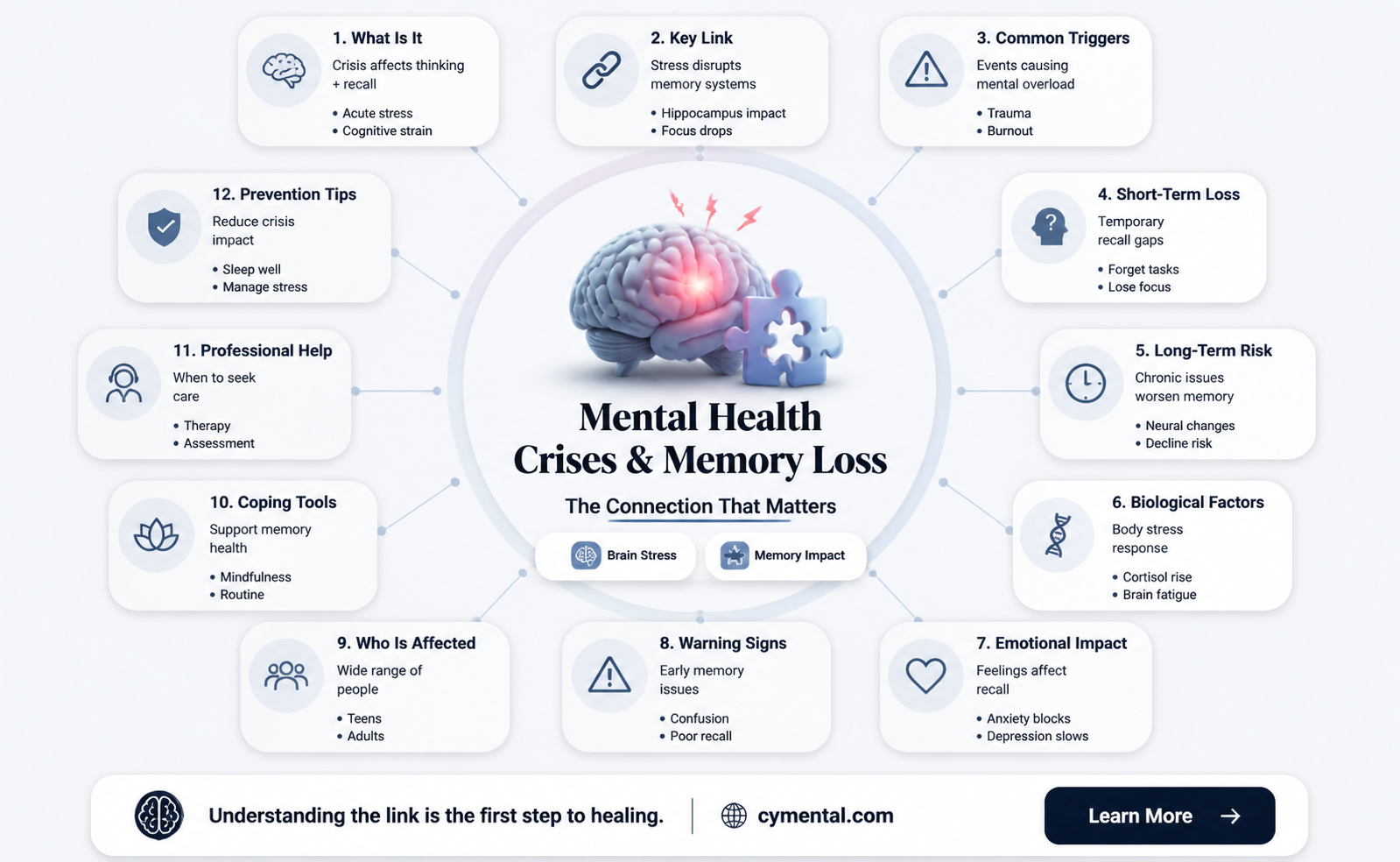
A mental breakdown, often referred to as a nervous breakdown, is a period of intense emotional distress that can interfere with a person's ability to function in daily life. During such an episode, individuals may experience overwhelming feelings of anxiety, depression, or dissociation. One common concern associated with mental breakdowns is the potential impact on memory. Memory loss, or amnesia, can indeed be a symptom of certain mental health conditions, including dissociative disorders, which may be triggered or exacerbated by a mental breakdown. However, it is essential to note that memory loss is not a universal consequence of a mental breakdown and can vary widely in severity and duration depending on the individual and the underlying condition.
| Characteristics | Values |
|---|---|
| Definition | A mental breakdown is an acute, time-limited psychiatric disorder characterized by a sudden inability to cope with daily life, often resulting in hospitalization. Memory loss can be a symptom. |
| Causes | Stress, trauma, sleep deprivation, severe depression, anxiety disorders, bipolar disorder, schizophrenia, substance abuse. |
| Symptoms | Inability to cope with daily tasks, extreme mood swings, confusion, disorientation, paranoia, hallucinations, suicidal thoughts, memory loss. |
| Duration | Varies, typically from a few days to a few weeks. |
| Treatment | Psychiatric evaluation, hospitalization, medication (antidepressants, antipsychotics, anxiolytics), psychotherapy, cognitive-behavioral therapy, family therapy. |
| Prognosis | Generally good with appropriate treatment, but may require ongoing mental health care. |
| Complications | Risk of suicide, self-harm, substance abuse, social isolation, unemployment, homelessness. |
| Prevention | Stress management, regular sleep, healthy diet, exercise, social support, early intervention for mental health issues. |
| Epidemiology | More common in young adults, particularly those with a history of mental illness or trauma. |
| Research | Ongoing studies into the neurobiological basis of mental breakdowns and the efficacy of various treatments. |
| Support | Helplines, support groups, online resources, mental health professionals. |
| Legal | Involuntary commitment laws vary by jurisdiction, often requiring a court order for hospitalization. |
| Ethical | Balancing patient autonomy with the need for treatment, ensuring informed consent, protecting patient confidentiality. |
| Societal | Reducing stigma, increasing access to mental health care, promoting mental health literacy. |
| Cultural | Varies, with some cultures viewing mental breakdowns as a sign of weakness, while others see them as a treatable illness. |
| Historical | Historically, mental breakdowns were often misunderstood and treated with inhumane methods, but modern psychiatry has made significant progress. |
What You'll Learn
- Types of Memory Loss: Explore the different forms of memory impairment that can result from a mental breakdown
- Causes of Mental Breakdown: Identify the potential triggers that can lead to a mental breakdown and subsequent memory loss
- Symptoms and Diagnosis: Discuss the signs and symptoms of memory loss due to a mental breakdown, and how it's diagnosed
- Treatment Options: Examine the various treatments available for memory loss caused by a mental breakdown, including therapy and medication
- Recovery and Prevention: Provide insights on the recovery process and strategies to prevent future mental breakdowns and memory loss

Types of Memory Loss: Explore the different forms of memory impairment that can result from a mental breakdown
Memory loss can manifest in various forms, each with distinct characteristics and impacts on an individual's cognitive functioning. One type is anterograde amnesia, where a person struggles to form new memories after the onset of the mental breakdown. This can lead to difficulties in learning new information, remembering recent events, or even recognizing familiar faces. Another form is retrograde amnesia, which involves the loss of previously formed memories. This can result in gaps in one's personal history, forgetting significant life events, or even losing one's sense of identity.
In some cases, memory loss may be more selective, affecting only certain aspects of memory. For instance, a person might experience difficulty with episodic memory, which involves recalling specific episodes or events from their past. Alternatively, they may struggle with semantic memory, which encompasses general knowledge and facts. This selective memory impairment can lead to challenges in various domains of life, such as work, relationships, or daily functioning.
The severity and duration of memory loss can also vary significantly. Some individuals may experience only mild, temporary memory difficulties, while others may face more profound and long-lasting impairments. In extreme cases, memory loss can be so extensive that it interferes with a person's ability to function independently, requiring significant support from caregivers or family members.
It is essential to note that memory loss resulting from a mental breakdown is not always a permanent condition. With appropriate treatment and support, many individuals can recover or improve their memory functioning over time. However, the process of recovery can be slow and challenging, requiring patience, persistence, and a comprehensive approach to mental health care.
In conclusion, memory loss associated with a mental breakdown can take many forms, ranging from mild difficulties in forming new memories to severe impairments affecting various aspects of cognitive functioning. Understanding these different types of memory loss is crucial for developing effective treatment strategies and providing appropriate support to individuals experiencing these challenges.
Exploring the Root Causes: A Comprehensive Analysis
You may want to see also
Causes of Mental Breakdown: Identify the potential triggers that can lead to a mental breakdown and subsequent memory loss
Mental breakdowns can be triggered by a variety of factors, each unique to the individual experiencing it. One significant cause is prolonged exposure to high levels of stress. This can stem from demanding work environments, personal conflicts, or traumatic events. Chronic stress can overwhelm the brain's ability to cope, leading to a breakdown in mental functioning and, in some cases, memory loss.
Another potential trigger is severe emotional trauma. This could be the result of a sudden, shocking event such as the loss of a loved one, a violent assault, or a natural disaster. The emotional impact of such events can be so profound that it disrupts the brain's normal processes, potentially leading to a mental breakdown and associated memory issues.
Substance abuse is also a notable risk factor. The excessive use of drugs or alcohol can interfere with the brain's chemistry and structure, making it more susceptible to breakdowns. This is particularly true if the substance abuse is combined with other stressors or traumatic experiences.
Furthermore, certain medical conditions can contribute to mental breakdowns. Neurodegenerative diseases like Alzheimer's, for example, can cause progressive memory loss and cognitive decline, which may manifest as a mental breakdown. Other conditions, such as severe infections or autoimmune disorders, can also affect brain function and lead to similar outcomes.
Lastly, genetic predispositions can play a role. Individuals with a family history of mental health issues may be more vulnerable to breakdowns, especially if they are exposed to the aforementioned risk factors. It's important to note that while genetics can increase susceptibility, they do not guarantee the occurrence of a mental breakdown or memory loss.
In conclusion, mental breakdowns and subsequent memory loss can be caused by a complex interplay of factors, including stress, trauma, substance abuse, medical conditions, and genetic predispositions. Understanding these triggers is crucial for prevention, early intervention, and effective treatment.
Exploring the Link: Brain Tumors and Mental Health Symptoms
You may want to see also
Symptoms and Diagnosis: Discuss the signs and symptoms of memory loss due to a mental breakdown, and how it's diagnosed
Memory loss due to a mental breakdown can manifest in various ways, and recognizing these symptoms is crucial for timely intervention. One of the primary signs is difficulty forming new memories or recalling recent events. This can be observed in everyday situations, such as forgetting appointments, misplacing items, or struggling to remember conversations. Additionally, individuals may experience confusion, disorientation, or difficulty concentrating, which can further impair their ability to encode and retrieve memories.
Diagnosing memory loss related to a mental breakdown involves a comprehensive evaluation by a healthcare professional. The process typically begins with a thorough medical history and physical examination to rule out any underlying physical causes of memory impairment. Cognitive assessments, such as memory tests and neuropsychological evaluations, are then conducted to measure the extent and nature of the memory loss. These tests may include tasks like recalling words, recognizing faces, or solving problems that require memory retention.
In some cases, imaging studies like MRI or CT scans may be ordered to visualize the brain and identify any structural abnormalities that could be contributing to the memory loss. Blood tests might also be performed to check for deficiencies or imbalances in nutrients, hormones, or other substances that could affect cognitive function.
It's important to note that memory loss can be a symptom of various mental health conditions, including depression, anxiety, and post-traumatic stress disorder (PTSD). Therefore, a mental health professional may also conduct a psychological evaluation to determine if the memory loss is related to an underlying mental health issue. This evaluation may involve interviews, questionnaires, and behavioral observations to assess the individual's emotional and psychological state.
Once a diagnosis is made, the healthcare provider will develop a treatment plan tailored to the individual's specific needs. This may include medications to address any underlying physical or mental health conditions, as well as cognitive therapy or other forms of psychotherapy to help improve memory function and coping strategies. In some cases, lifestyle modifications, such as stress management techniques, regular exercise, and a balanced diet, may also be recommended to support overall brain health and cognitive function.
Exploring the Link: UTIs and Mental Confusion
You may want to see also
Treatment Options: Examine the various treatments available for memory loss caused by a mental breakdown, including therapy and medication
Cognitive-behavioral therapy (CBT) is a common treatment approach for memory loss associated with mental breakdowns. CBT helps individuals identify and challenge negative thought patterns that may contribute to their memory difficulties. Through structured sessions, patients learn strategies to improve memory function, such as mnemonic devices, visualization techniques, and organization skills. CBT also addresses underlying psychological issues that may exacerbate memory loss, such as anxiety and depression.
Another therapeutic option is interpersonal therapy (IPT), which focuses on improving communication skills and strengthening social relationships. IPT can help individuals cope with the emotional impact of memory loss and improve their overall quality of life. This approach is particularly beneficial for those who experience memory loss as a result of trauma or stress-related mental breakdowns.
In addition to therapy, medication can play a crucial role in treating memory loss caused by mental breakdowns. Antidepressants, such as selective serotonin reuptake inhibitors (SSRIs), are often prescribed to alleviate symptoms of depression that may accompany memory loss. These medications can help regulate mood and improve cognitive function. Anti-anxiety medications, such as benzodiazepines, may also be used to reduce anxiety levels and promote relaxation, which can aid in memory consolidation.
For more severe cases of memory loss, medications like cholinesterase inhibitors, commonly used to treat Alzheimer's disease, may be considered. These drugs work by increasing the levels of acetylcholine, a neurotransmitter involved in memory and cognitive function. However, their effectiveness in treating memory loss caused by mental breakdowns is still under research, and they may have side effects such as nausea, vomiting, and diarrhea.
It is essential to note that treatment for memory loss caused by a mental breakdown should be individualized and may involve a combination of therapy and medication. A comprehensive treatment plan should address the underlying causes of the mental breakdown, as well as the specific symptoms of memory loss. Regular monitoring and adjustments to the treatment plan are necessary to ensure optimal outcomes.
In conclusion, treatment options for memory loss caused by a mental breakdown include cognitive-behavioral therapy, interpersonal therapy, and medication. These approaches can help individuals improve memory function, cope with emotional distress, and enhance their overall quality of life. A tailored treatment plan that addresses the unique needs of each patient is crucial for successful outcomes.
Exploring the Myth: Can a Flu Shot Trigger Mental Health Issues?
You may want to see also
Recovery and Prevention: Provide insights on the recovery process and strategies to prevent future mental breakdowns and memory loss
The recovery process from a mental breakdown and memory loss is multifaceted and requires a comprehensive approach. It involves not only addressing the immediate symptoms but also identifying and treating the underlying causes. This may include a combination of medication, therapy, and lifestyle changes. For instance, cognitive-behavioral therapy (CBT) can help individuals reframe negative thought patterns and develop coping strategies, while medications such as antidepressants or anti-anxiety drugs may be prescribed to manage symptoms. Additionally, incorporating regular exercise, a balanced diet, and sufficient sleep can significantly aid in the recovery process.
Preventing future mental breakdowns and memory loss involves a proactive approach to mental health. This includes developing a strong support network, practicing stress management techniques, and engaging in activities that promote mental well-being. Mindfulness meditation, for example, has been shown to reduce stress and improve cognitive function. It's also crucial to address any underlying medical conditions that may contribute to mental health issues, such as thyroid disorders or vitamin deficiencies. Regular check-ups with a healthcare provider can help identify and manage these conditions early on.
Another key aspect of prevention is maintaining a healthy work-life balance. Chronic stress from overwork or burnout can significantly impact mental health and increase the risk of a breakdown. Setting boundaries, prioritizing self-care, and taking regular breaks can help mitigate these risks. Furthermore, staying socially connected and engaging in meaningful activities can provide a sense of purpose and reduce feelings of isolation, which are often associated with mental health issues.
In terms of specific strategies, journaling can be a helpful tool for both recovery and prevention. Writing down thoughts and feelings can aid in processing emotions and identifying patterns or triggers that may contribute to mental health issues. Additionally, practicing gratitude and focusing on positive aspects of life can help shift one's perspective and improve overall mental well-being.
Finally, it's important to recognize the signs of a potential mental breakdown and seek help early on. This may include symptoms such as persistent feelings of sadness or anxiety, changes in appetite or sleep patterns, withdrawal from social activities, or difficulty concentrating. By addressing these signs promptly, individuals can prevent a full-blown breakdown and begin the recovery process sooner.
Exploring the Link: Can Chronic Stress Lead to Mental Illness?
You may want to see also
Frequently asked questions
Yes, a mental breakdown can cause memory loss. During a mental breakdown, an individual may experience intense stress, anxiety, or depression, which can impact cognitive functions, including memory. This is often referred to as dissociative amnesia.
The duration of memory loss after a mental breakdown varies from person to person. It can last from a few hours to several days or even weeks. In some cases, memory may return gradually as the individual recovers from the breakdown.
Memories that are most likely to be affected by a mental breakdown are those related to the traumatic event or period of intense stress that triggered the breakdown. This can include specific details of the event, emotions experienced during the event, or even memories from the time leading up to the breakdown.