Ava Ramirez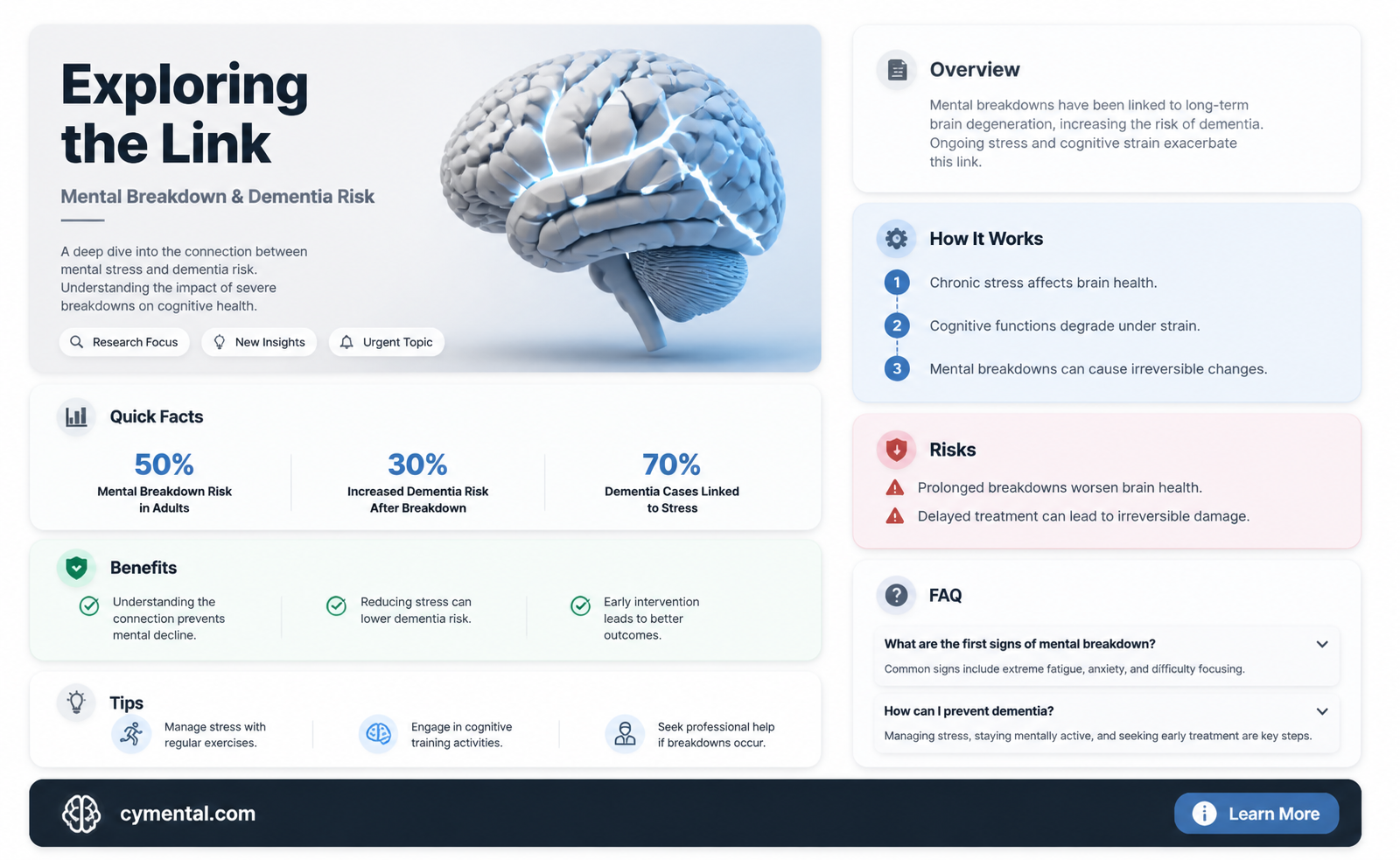
A mental breakdown, characterized by an acute episode of psychological distress, can manifest as a range of symptoms including anxiety, depression, and dissociation. While it is a serious condition that requires immediate attention, it is distinct from dementia, a progressive neurodegenerative disorder marked by memory loss, cognitive decline, and functional impairment. Although a mental breakdown can precipitate or exacerbate cognitive symptoms, it does not directly cause dementia. Dementia is typically caused by underlying neurological conditions such as Alzheimer's disease, vascular dementia, or Lewy body dementia. However, chronic and severe mental health issues, if left untreated, can contribute to an increased risk of developing dementia later in life. Understanding the relationship between mental health crises and cognitive decline is crucial for developing comprehensive strategies for prevention and treatment.
| Characteristics | Values |
|---|---|
| Definition | A mental breakdown refers to a severe emotional or psychological collapse, while dementia is a chronic neurodegenerative condition affecting memory, thinking, and behavior. |
| Causes | Mental breakdown: Stress, trauma, anxiety, depression, or other mental health conditions. Dementia: Alzheimer's disease, vascular dementia, Lewy body dementia, frontotemporal dementia, or other neurodegenerative diseases. |
| Symptoms | Mental breakdown: Intense anxiety, panic attacks, depression, suicidal thoughts, or psychosis. Dementia: Memory loss, confusion, difficulty communicating, mood swings, and impaired judgment. |
| Duration | Mental breakdown: Can be temporary or last for several months. Dementia: Progressive and long-term, often lasting several years. |
| Treatment | Mental breakdown: Therapy, medication, or hospitalization. Dementia: Medication to manage symptoms, cognitive therapy, or behavioral interventions. |
| Prognosis | Mental breakdown: Generally good with appropriate treatment. Dementia: Depends on the type and stage, but often leads to a decline in cognitive function and independence. |
| Risk Factors | Mental breakdown: History of mental health issues, trauma, or high-stress environments. Dementia: Age, family history, cardiovascular disease, diabetes, or history of head trauma. |
| Prevention | Mental breakdown: Stress management, seeking support, and maintaining mental health. Dementia: Healthy lifestyle choices, regular exercise, mental stimulation, and managing chronic health conditions. |
| Impact on Daily Life | Mental breakdown: Can affect work, relationships, and daily functioning. Dementia: Significantly impacts daily activities, memory, and decision-making abilities. |
| Support | Mental breakdown: Support groups, therapy, and social networks. Dementia: Caregiver support, memory care facilities, and community resources. |
What You'll Learn
- Stress and Cognitive Decline: Chronic stress may accelerate cognitive decline, potentially contributing to dementia development
- Mental Health and Dementia Risk: Conditions like depression and anxiety could increase the risk of developing dementia
- Psychological Factors in Dementia: Psychological distress might exacerbate dementia symptoms or hasten its progression
- Coping Mechanisms and Resilience: Effective coping strategies could mitigate the impact of mental breakdowns on cognitive health
- Early Intervention and Prevention: Addressing mental health issues promptly may help prevent or delay dementia onset

Stress and Cognitive Decline: Chronic stress may accelerate cognitive decline, potentially contributing to dementia development
Chronic stress has been identified as a potential accelerator of cognitive decline, which may contribute to the development of dementia. This is a significant finding, as it suggests that managing stress levels could be a crucial factor in maintaining cognitive health as we age.
Research has shown that prolonged exposure to stress hormones, such as cortisol, can have a negative impact on the brain's structure and function. Specifically, chronic stress has been linked to a reduction in the volume of the hippocampus, a region of the brain critical for memory formation and spatial navigation. This reduction in hippocampal volume is a known risk factor for the development of Alzheimer's disease, the most common form of dementia.
Furthermore, chronic stress has been shown to impair the brain's ability to clear out toxic proteins, such as beta-amyloid, which are associated with the development of Alzheimer's disease. This impairment in protein clearance can lead to the accumulation of these toxic proteins in the brain, further contributing to cognitive decline.
It is important to note that while chronic stress may accelerate cognitive decline, it is not the sole cause of dementia. Dementia is a complex condition that is influenced by a variety of factors, including genetics, lifestyle, and environmental factors. However, managing stress levels through techniques such as meditation, exercise, and social support may be a valuable tool in reducing the risk of cognitive decline and dementia.
In conclusion, the relationship between chronic stress and cognitive decline is a significant area of research, with implications for the prevention and treatment of dementia. By understanding the mechanisms by which chronic stress contributes to cognitive decline, we may be able to develop more effective strategies for maintaining cognitive health as we age.
Exploring the Impact of Mental Health Crises on Brain Function
You may want to see also
Mental Health and Dementia Risk: Conditions like depression and anxiety could increase the risk of developing dementia
Research has shown that there is a significant link between mental health conditions, such as depression and anxiety, and the risk of developing dementia later in life. This connection is complex and multifaceted, involving both biological and psychological factors. For instance, chronic stress, which is often associated with anxiety and depression, can lead to increased levels of cortisol in the brain. Over time, elevated cortisol can damage brain cells and disrupt the normal functioning of the hippocampus, a region crucial for memory formation and cognitive processes.
Moreover, individuals suffering from depression and anxiety may experience a decrease in neurogenesis, the process by which new neurons are generated in the brain. This reduction in neurogenesis can impair cognitive flexibility and resilience, making it more challenging for the brain to compensate for age-related changes or damage. Furthermore, the inflammatory response triggered by these mental health conditions can contribute to neuroinflammation, which is known to play a role in the development of dementia.
It is also important to consider the behavioral and lifestyle factors that often accompany depression and anxiety. For example, individuals with these conditions may be less likely to engage in physical activity, maintain a healthy diet, or participate in social interactions. These factors can independently increase the risk of dementia, creating a compounding effect when combined with the biological impacts of mental health issues.
While the relationship between mental health and dementia risk is well-established, it is crucial to note that not all individuals with depression or anxiety will develop dementia. The risk is influenced by a variety of factors, including the severity and duration of the mental health condition, genetic predisposition, and the presence of other risk factors such as cardiovascular disease or diabetes.
In conclusion, understanding the link between mental health and dementia risk is essential for developing effective prevention and intervention strategies. By addressing mental health conditions early and promoting healthy lifestyle choices, it may be possible to reduce the risk of dementia and improve overall cognitive health as individuals age.
Unraveling the Mind: How Stress Can Lead to Mental Confusion
You may want to see also
Psychological Factors in Dementia: Psychological distress might exacerbate dementia symptoms or hasten its progression
Psychological distress can significantly impact the progression and symptoms of dementia. Research suggests that individuals experiencing high levels of stress, anxiety, or depression may exhibit more pronounced cognitive decline and behavioral symptoms associated with dementia. This correlation is thought to be due to the body's stress response, which can lead to increased inflammation and oxidative stress in the brain, further damaging neurons and impairing cognitive function.
One study published in the Journal of Alzheimer's Disease found that older adults with depression were more likely to develop dementia compared to those without depression. The study also indicated that the severity of depression was directly related to the risk of dementia, with more severe depression correlating with a higher likelihood of developing the condition. These findings highlight the importance of addressing mental health issues in older adults as a potential strategy for reducing the risk of dementia.
In addition to depression, anxiety and stress have also been linked to an increased risk of dementia. Chronic stress can lead to the release of cortisol, a hormone that, when elevated over time, can damage the hippocampus, a region of the brain critical for memory formation. This damage can contribute to the cognitive decline seen in dementia. Furthermore, anxiety disorders have been associated with a higher risk of developing Alzheimer's disease, the most common form of dementia.
It is important to note that while psychological distress may exacerbate dementia symptoms or hasten its progression, it is not the sole cause of the condition. Dementia is a complex disease influenced by a variety of factors, including genetics, lifestyle, and environmental exposures. However, addressing psychological distress through therapy, medication, or other interventions may help to mitigate some of the cognitive and behavioral symptoms associated with dementia.
In conclusion, the relationship between psychological distress and dementia is complex and multifaceted. While more research is needed to fully understand this relationship, it is clear that addressing mental health issues in older adults is an important component of dementia prevention and management strategies. By reducing psychological distress, we may be able to improve the quality of life for individuals with dementia and potentially slow the progression of the disease.
Exploring the Link: Can a Common Cold Cause Mental Confusion?
You may want to see also
Coping Mechanisms and Resilience: Effective coping strategies could mitigate the impact of mental breakdowns on cognitive health
Effective coping strategies play a crucial role in mitigating the impact of mental breakdowns on cognitive health. Research indicates that individuals who develop robust coping mechanisms are better equipped to manage stress and adversity, which can significantly reduce the risk of cognitive decline. One key coping strategy is cognitive restructuring, a technique often used in cognitive-behavioral therapy (CBT) to help individuals reframe negative thoughts and perceptions. By challenging and altering maladaptive thought patterns, cognitive restructuring can alleviate symptoms of anxiety and depression, both of which are known risk factors for dementia.
Another important coping mechanism is social support. Maintaining strong social connections and seeking help from friends, family, or mental health professionals can provide emotional support and reduce feelings of isolation, which can exacerbate mental health issues. Engaging in regular physical activity is also a vital coping strategy, as exercise has been shown to improve mood, reduce stress, and enhance cognitive function. Additionally, practicing mindfulness and relaxation techniques, such as meditation and deep breathing exercises, can help individuals manage stress and improve overall mental well-being.
Resilience, the ability to bounce back from adversity, is closely linked to effective coping mechanisms. Building resilience involves developing a sense of self-efficacy, learning to adapt to change, and fostering a positive outlook. By cultivating resilience, individuals can better navigate the challenges associated with mental breakdowns and reduce the potential long-term effects on cognitive health. It is essential to note that while coping mechanisms and resilience can mitigate the impact of mental breakdowns, they do not eliminate the risk of dementia entirely. A comprehensive approach to mental health, including regular check-ups with healthcare providers and a focus on overall well-being, is crucial for maintaining cognitive health throughout life.
The Troubling Link Between Public Schools and Mental Health Crises
You may want to see also
Early Intervention and Prevention: Addressing mental health issues promptly may help prevent or delay dementia onset
Addressing mental health issues promptly may help prevent or delay dementia onset. Research suggests that early intervention can significantly impact cognitive health, potentially reducing the risk of developing dementia. This is particularly important given the rising prevalence of dementia worldwide. By focusing on mental health in the early stages, individuals may be able to mitigate some of the risk factors associated with cognitive decline.
One key aspect of early intervention is identifying mental health issues such as depression, anxiety, and stress, which can have a profound impact on cognitive function. Treating these conditions through therapy, medication, or lifestyle changes may help alleviate symptoms and reduce the strain on the brain. Additionally, addressing other health issues like hypertension, diabetes, and sleep disorders can also play a crucial role in maintaining cognitive health.
Another important strategy is promoting cognitive reserve through mentally stimulating activities. Engaging in activities such as reading, puzzles, learning new skills, and social interaction can help build cognitive resilience, making the brain better equipped to handle age-related changes. Furthermore, maintaining a healthy lifestyle, including regular exercise, a balanced diet, and adequate sleep, can support overall brain health and potentially delay the onset of dementia.
It is also essential to consider the role of social support and community engagement in early intervention. Building strong social connections and participating in community activities can provide emotional support, reduce stress, and encourage healthy behaviors. This, in turn, can contribute to better mental and cognitive health, lowering the risk of dementia.
In conclusion, early intervention and prevention strategies focused on mental health can play a significant role in addressing the risk factors associated with dementia. By identifying and treating mental health issues, promoting cognitive reserve, maintaining a healthy lifestyle, and fostering social connections, individuals may be able to prevent or delay the onset of dementia, improving their overall quality of life.
Exploring the Link: Bladder Infections and Mental Health Concerns
You may want to see also
Frequently asked questions
A mental breakdown, also known as a nervous breakdown, is a period of intense emotional distress that can lead to an inability to function in daily life. While it can be a serious condition, it does not directly cause dementia. Dementia is a group of symptoms caused by various diseases and conditions that affect memory, thinking, and social abilities severely enough to interfere with daily functioning.
The long-term effects of a mental breakdown can vary widely depending on the individual and the severity of the episode. Some potential long-term effects include:
- Persistent anxiety or depression
- Post-traumatic stress disorder (PTSD)
- Increased risk of future mental health episodes
- Strained relationships with family and friends
- Difficulty returning to work or normal activities
- In some cases, a mental breakdown can lead to the development of chronic mental health conditions, but it does not directly cause dementia.
Preventing a mental breakdown involves managing stress, maintaining a healthy lifestyle, and seeking support when needed. Some strategies include:
- Practicing stress management techniques such as meditation, yoga, or deep breathing exercises
- Engaging in regular physical activity and maintaining a balanced diet
- Getting enough sleep and prioritizing rest
- Building a strong support network of friends and family
- Seeking professional help from a mental health provider if you are experiencing persistent stress, anxiety, or other mental health symptoms
- Avoiding substance abuse and unhealthy coping mechanisms